Choosing the right customer data management platform is crucial for businesses to effectively organize and utilize their customer data. With numerous options available in the market, it can be overwhelming to make the right choice. This article aims to provide a concise guide on how to choose the right customer data management platform for your business, ensuring that you select a solution that aligns with your specific needs and goals.
Key Factors to Consider When Selecting a Customer Data Management Platform
Choosing the right customer data management platform for your business is crucial in today’s digital age. With so many options available, it can be overwhelming to determine which platform will best suit your needs. However, by considering a few key factors, you can make an informed decision that will benefit your business in the long run.
First and foremost, it is important to consider the scalability of the customer data management platform. As your business grows, so will your customer base and the amount of data you need to manage. Therefore, it is essential to choose a platform that can handle the increasing volume of data without compromising its performance. Look for a platform that offers flexible storage options and can easily accommodate your future needs.
Another important factor to consider is the level of customization offered by the platform. Every business is unique, and your customer data management needs may differ from others. Therefore, it is crucial to choose a platform that allows you to tailor it to your specific requirements. Look for a platform that offers customizable fields, workflows, and reporting options. This will enable you to organize and analyze your customer data in a way that makes sense for your business.
Integration capabilities are also a key factor to consider when selecting a customer data management platform. Your business likely uses various other tools and software, such as CRM systems, marketing automation platforms, and analytics tools. It is essential to choose a platform that seamlessly integrates with these existing systems. This will ensure that your customer data is synchronized across all platforms, allowing for a more holistic view of your customers and their interactions with your business.
Data security is another crucial consideration when selecting a customer data management platform. With the increasing number of data breaches and privacy concerns, it is essential to choose a platform that prioritizes the security of your customer data. Look for a platform that offers robust security measures, such as encryption, access controls, and regular data backups. Additionally, ensure that the platform complies with relevant data protection regulations, such as GDPR or CCPA, depending on your location.
Usability is another factor that should not be overlooked when choosing a customer data management platform. The platform should be intuitive and user-friendly, allowing your team to easily navigate and utilize its features. A complex and difficult-to-use platform can lead to frustration and inefficiency, ultimately hindering your ability to effectively manage and leverage your customer data.
Lastly, consider the cost of the customer data management platform. While it is important to invest in a platform that meets your needs, it is equally important to ensure that it aligns with your budget. Consider the pricing structure of the platform, including any additional costs for customization, integrations, or ongoing support. It is also worth considering the return on investment that the platform can provide in terms of improved customer insights, increased efficiency, and ultimately, business growth.
In conclusion, choosing the right customer data management platform for your business requires careful consideration of several key factors. Scalability, customization, integration capabilities, data security, usability, and cost are all important aspects to evaluate. By taking the time to assess these factors and selecting a platform that aligns with your business needs, you can effectively manage and leverage your customer data, ultimately driving growth and success.
Understanding the Importance of Data Security in Customer Data Management Platforms
In today’s digital age, businesses are collecting more customer data than ever before. From email addresses and phone numbers to purchase histories and browsing habits, this information is invaluable for understanding customer behavior and tailoring marketing strategies. However, with great data comes great responsibility. It is crucial for businesses to prioritize data security when choosing a customer data management platform.
Data security refers to the measures taken to protect customer data from unauthorized access, use, or disclosure. It encompasses various aspects, including encryption, access controls, and data backup. Understanding the importance of data security is essential for businesses to safeguard their customers’ information and maintain their trust.
First and foremost, data security is crucial for protecting customer privacy. Customers trust businesses with their personal information, and it is the responsibility of businesses to ensure that this information remains confidential. A breach in data security can lead to severe consequences, such as identity theft or financial fraud. By prioritizing data security, businesses can demonstrate their commitment to protecting their customers’ privacy.
Moreover, data security is essential for maintaining compliance with legal and industry regulations. Many countries have implemented data protection laws, such as the General Data Protection Regulation (GDPR) in the European Union. These regulations require businesses to implement appropriate security measures to protect customer data. Failure to comply with these regulations can result in hefty fines and damage to a company’s reputation. Therefore, choosing a customer data management platform that prioritizes data security is crucial for ensuring compliance with these regulations.
Data security also plays a significant role in building customer trust and loyalty. In today’s digital landscape, customers are becoming increasingly aware of the risks associated with sharing their personal information. They expect businesses to handle their data responsibly and securely. By investing in a robust customer data management platform, businesses can assure their customers that their data is in safe hands. This, in turn, can enhance customer trust and loyalty, leading to increased customer retention and repeat business.
Furthermore, data security is vital for protecting a business’s intellectual property and trade secrets. Customer data often includes valuable insights and proprietary information that can give businesses a competitive edge. Unauthorized access to this data can result in significant financial losses and damage to a company’s reputation. By implementing stringent data security measures, businesses can safeguard their intellectual property and maintain their competitive advantage.
In conclusion, understanding the importance of data security in customer data management platforms is crucial for businesses in today’s digital age. By prioritizing data security, businesses can protect customer privacy, maintain compliance with regulations, build customer trust and loyalty, and safeguard their intellectual property. When choosing a customer data management platform, it is essential to consider the platform’s security features and ensure that they align with the business’s data security requirements. By doing so, businesses can confidently collect, store, and analyze customer data while maintaining the highest standards of data security.
Evaluating the Scalability and Flexibility of Customer Data Management Platforms
When it comes to managing customer data, businesses need a reliable and efficient platform that can handle their growing needs. With so many options available, it can be overwhelming to choose the right customer data management platform for your business. In this article, we will explore the importance of evaluating the scalability and flexibility of these platforms and provide some tips on how to make the right choice.
Scalability is a crucial factor to consider when selecting a customer data management platform. As your business grows, so does the volume of customer data you need to handle. You want a platform that can easily accommodate this growth without compromising performance. Look for a platform that offers scalability options such as the ability to add more storage or processing power as needed. This will ensure that your platform can keep up with your business’s expanding data requirements.
Flexibility is another key aspect to consider. Every business has unique needs and requirements when it comes to managing customer data. A flexible platform will allow you to customize and tailor the system to fit your specific needs. Look for a platform that offers a wide range of features and functionalities that can be easily configured to meet your business’s requirements. This will ensure that you can adapt the platform to your changing needs without having to invest in a completely new system.
One way to evaluate the scalability and flexibility of a customer data management platform is to consider its integration capabilities. A platform that can seamlessly integrate with your existing systems and applications will make it easier to manage and analyze customer data. Look for a platform that offers robust integration options, such as APIs or connectors, that allow you to connect with other systems and applications. This will ensure that you can leverage your existing technology investments and avoid any disruptions to your business operations.
Another factor to consider is the platform’s ability to handle different types of data. In today’s digital age, businesses collect data from various sources such as websites, social media, and mobile apps. A good customer data management platform should be able to handle different types of data, including structured and unstructured data. This will allow you to gain a comprehensive view of your customers and make more informed business decisions.
In addition to evaluating the scalability and flexibility of a customer data management platform, it is also important to consider the platform’s security features. Customer data is highly sensitive and needs to be protected from unauthorized access or breaches. Look for a platform that offers robust security measures such as encryption, access controls, and regular security audits. This will ensure that your customer data is safe and secure at all times.
In conclusion, choosing the right customer data management platform for your business requires careful evaluation of its scalability and flexibility. Look for a platform that can easily scale to accommodate your growing data needs and offers customization options to fit your specific requirements. Consider the platform’s integration capabilities, its ability to handle different types of data, and its security features. By taking these factors into account, you can make an informed decision and select a platform that will help you effectively manage and leverage your customer data.
Comparing Different Integration Capabilities of Customer Data Management Platforms
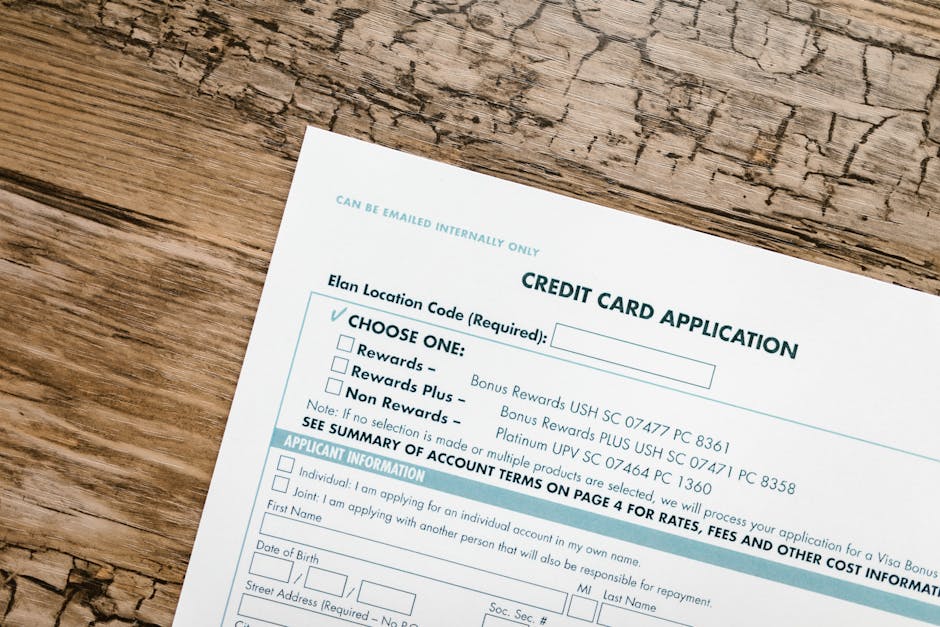
When it comes to managing customer data, businesses need a reliable and efficient platform that can handle the task seamlessly. With so many options available in the market, it can be overwhelming to choose the right customer data management platform for your business. One important aspect to consider is the integration capabilities of the platform. In this section, we will compare different integration capabilities of customer data management platforms to help you make an informed decision.
Firstly, let’s talk about the importance of integration capabilities. A customer data management platform should be able to integrate with various systems and applications that your business uses. This includes CRM systems, marketing automation tools, e-commerce platforms, and more. The ability to integrate with these systems ensures that your customer data is synchronized and up-to-date across all platforms, providing a seamless experience for both your team and your customers.
One key aspect to consider is the ease of integration. Some customer data management platforms offer pre-built integrations with popular systems, making the setup process quick and hassle-free. These pre-built integrations often come with customizable options, allowing you to tailor the integration to your specific business needs. On the other hand, some platforms may require custom development or third-party tools to establish the integration. While this may offer more flexibility, it can also be time-consuming and costly.
Another important factor to consider is the scalability of the integration capabilities. As your business grows, you may need to integrate with additional systems or applications. Therefore, it is crucial to choose a customer data management platform that can easily accommodate new integrations without disrupting your existing workflows. Look for platforms that offer a wide range of integration options and have a track record of supporting scalability.
Furthermore, it is essential to consider the data synchronization capabilities of the platform. A good customer data management platform should be able to synchronize data in real-time or near real-time, ensuring that your customer information is always accurate and up-to-date. This is particularly important for businesses that rely on real-time data for marketing campaigns, customer support, or sales activities. Look for platforms that offer robust data synchronization capabilities and provide monitoring tools to track the status of data synchronization.
Lastly, consider the security measures in place for data integration. Customer data is sensitive and should be protected from unauthorized access or breaches. Look for platforms that offer encryption, access controls, and other security features to ensure the safety of your customer data during integration. Additionally, platforms that comply with industry regulations such as GDPR or CCPA demonstrate a commitment to data privacy and security.
In conclusion, when choosing a customer data management platform for your business, it is crucial to consider the integration capabilities. Look for platforms that offer easy and scalable integrations, real-time data synchronization, and robust security measures. By choosing the right platform, you can ensure that your customer data is managed efficiently and effectively, providing a seamless experience for both your team and your customers.
Best Practices for Implementing a Customer Data Management Platform
Are you looking to implement a customer data management platform for your business? With so many options available in the market, it can be overwhelming to choose the right one. However, by following some best practices, you can ensure that you select a platform that meets your business needs and helps you effectively manage your customer data.
First and foremost, it is essential to clearly define your business objectives and requirements before selecting a customer data management platform. Take the time to understand what you want to achieve with the platform and what specific features and functionalities are crucial for your business. This will help you narrow down your options and focus on platforms that align with your goals.
Once you have a clear understanding of your requirements, it is important to thoroughly research different customer data management platforms. Look for platforms that have a good reputation in the market and positive customer reviews. Consider factors such as ease of use, scalability, and integration capabilities. It is also beneficial to reach out to other businesses in your industry and ask for their recommendations and experiences with different platforms.
Another best practice is to consider the level of customization offered by the platform. Every business is unique, and you need a platform that can be tailored to your specific needs. Look for platforms that allow you to customize data fields, workflows, and reporting capabilities. This will ensure that the platform can adapt to your business processes and provide you with the flexibility you need.
Integration capabilities are also crucial when selecting a customer data management platform. Your platform should be able to seamlessly integrate with your existing systems and tools, such as your CRM, marketing automation software, and analytics platforms. This will enable you to have a holistic view of your customer data and leverage it across different departments and functions.
Security and data privacy should be top priorities when choosing a customer data management platform. Ensure that the platform you select has robust security measures in place to protect your customer data from unauthorized access or breaches. Look for platforms that comply with industry standards and regulations, such as GDPR or CCPA, to ensure that your data is handled in a compliant manner.
Lastly, consider the scalability of the platform. As your business grows, your customer data management needs will evolve. Choose a platform that can accommodate your future growth and can handle increasing volumes of data. Scalability will save you from the hassle of migrating to a new platform in the future.
In conclusion, selecting the right customer data management platform for your business requires careful consideration and adherence to best practices. Clearly define your objectives and requirements, research different platforms, and consider factors such as customization, integration capabilities, security, and scalability. By following these best practices, you can choose a platform that empowers you to effectively manage your customer data and drive business growth.
Exploring the Role of Artificial Intelligence in Customer Data Management Platforms
Artificial intelligence (AI) has revolutionized many industries, and customer data management is no exception. With the vast amount of data available to businesses today, it can be overwhelming to manually analyze and make sense of it all. That’s where AI-powered customer data management platforms come in. These platforms use advanced algorithms and machine learning to help businesses effectively manage and utilize their customer data. In this article, we will explore the role of AI in customer data management platforms and provide tips on how to choose the right one for your business.
One of the key benefits of AI in customer data management platforms is its ability to automate data analysis. Traditional methods of data analysis can be time-consuming and prone to human error. AI, on the other hand, can quickly process large volumes of data and identify patterns and trends that may not be immediately apparent to humans. This allows businesses to gain valuable insights into their customers’ behavior and preferences, which can then be used to tailor marketing campaigns and improve customer experiences.
Another important aspect of AI in customer data management platforms is its ability to personalize customer interactions. By analyzing individual customer data, AI can create highly targeted and personalized marketing messages. For example, if a customer has previously purchased a certain product, AI can recommend similar products that they may be interested in. This level of personalization can greatly enhance the customer experience and increase the likelihood of repeat purchases.
AI-powered customer data management platforms also offer advanced predictive analytics capabilities. By analyzing historical customer data, AI can predict future customer behavior and trends. This can be invaluable for businesses looking to stay ahead of the competition and make informed business decisions. For example, AI can help businesses identify which customers are most likely to churn, allowing them to take proactive measures to retain those customers.
When choosing a customer data management platform for your business, there are several factors to consider. Firstly, you should assess your business’s specific needs and goals. What are you looking to achieve with your customer data? Are you primarily interested in improving marketing campaigns, enhancing customer experiences, or both? Understanding your objectives will help you narrow down your options and choose a platform that aligns with your needs.
Secondly, you should consider the scalability and flexibility of the platform. As your business grows, your customer data management needs may change. It’s important to choose a platform that can easily adapt to your evolving requirements. Look for platforms that offer customizable features and integrations with other tools and systems.
Lastly, you should evaluate the platform’s AI capabilities. Not all customer data management platforms are created equal when it comes to AI. Look for platforms that leverage advanced machine learning algorithms and have a proven track record of delivering accurate and actionable insights. Additionally, consider the platform’s user interface and ease of use. A user-friendly platform will ensure that your team can easily navigate and make the most of the AI-powered features.
In conclusion, AI has transformed customer data management platforms, offering businesses powerful tools to analyze, personalize, and predict customer behavior. When choosing a platform for your business, consider your specific needs, scalability, and the platform’s AI capabilities. By selecting the right customer data management platform, you can unlock the full potential of your customer data and drive business growth.
Case Studies: Successful Implementation of Customer Data Management Platforms in Various Industries
In today’s digital age, businesses are collecting more customer data than ever before. From purchase history to browsing behavior, this valuable information can provide insights that drive business growth. However, managing and making sense of this data can be a daunting task. That’s where customer data management platforms (CDMPs) come in. These platforms help businesses organize, analyze, and leverage their customer data to improve marketing strategies and enhance customer experiences. But with so many options available, how do you choose the right CDMP for your business? Let’s take a look at some case studies of successful CDMP implementations in various industries to help guide you in making the right decision.
In the retail industry, a leading clothing brand was struggling to understand their customers’ preferences and buying patterns. They implemented a CDMP that allowed them to consolidate data from various sources, such as their e-commerce website, social media platforms, and in-store purchases. By analyzing this data, they were able to identify trends and personalize their marketing campaigns. For example, they discovered that customers who purchased a certain type of jeans were more likely to buy a specific brand of shoes. Armed with this knowledge, they targeted these customers with personalized recommendations, resulting in a significant increase in sales.
Moving on to the hospitality industry, a luxury hotel chain was looking to improve their guest experience. They implemented a CDMP that integrated data from their booking system, loyalty program, and guest feedback surveys. By analyzing this data, they were able to create detailed guest profiles and anticipate their needs. For instance, they noticed that guests who frequently booked spa treatments were more likely to prefer rooms with a view. Armed with this information, they personalized their room recommendations and offered spa package upgrades to these guests, resulting in higher guest satisfaction scores and increased revenue from spa bookings.
In the healthcare industry, a large hospital system was struggling to improve patient outcomes. They implemented a CDMP that integrated data from electronic health records, patient surveys, and wearable devices. By analyzing this data, they were able to identify patterns and predict patient health risks. For example, they discovered that patients with a certain combination of health conditions were more likely to be readmitted within 30 days of discharge. Armed with this knowledge, they implemented targeted interventions and follow-up care plans for these patients, resulting in a significant reduction in readmission rates and improved patient outcomes.
These case studies highlight the power of CDMPs in driving business success across various industries. When choosing a CDMP for your business, it’s important to consider your specific needs and goals. Start by identifying the data sources that are most relevant to your business and ensure that the CDMP you choose can integrate and analyze data from these sources. Additionally, consider the scalability and flexibility of the platform, as your data needs may evolve over time. Finally, look for a CDMP that offers robust analytics capabilities and user-friendly interfaces, as these will be crucial in extracting meaningful insights from your data.
In conclusion, choosing the right CDMP for your business can be a game-changer. By learning from successful implementations in various industries, you can make an informed decision that aligns with your business goals. Remember to consider your specific needs, scalability, and analytics capabilities when evaluating CDMP options. With the right platform in place, you’ll be well-equipped to harness the power of your customer data and drive business growth.
Conclusion
In conclusion, choosing the right customer data management platform for your business requires careful consideration of several factors. These include understanding your specific business needs, evaluating the features and capabilities of different platforms, considering the scalability and flexibility of the platform, assessing the security and privacy measures in place, and considering the cost and return on investment. By taking these factors into account, you can make an informed decision and select a customer data management platform that aligns with your business goals and objectives.