A Customer Data Management Platform (CDMP) is a powerful tool that simplifies the process of consolidating customer data. It provides businesses with a centralized system to collect, organize, and manage customer information from various sources. By streamlining data consolidation, a CDMP enables businesses to gain a comprehensive view of their customers, leading to more effective marketing strategies, personalized customer experiences, and improved overall business performance. In this article, we will explore how a Customer Data Management Platform simplifies customer data consolidation and the benefits it brings to businesses.
Benefits of Using a Customer Data Management Platform for Data Consolidation
Are you tired of spending hours manually consolidating customer data from different sources? Do you find it frustrating to have scattered information that makes it difficult to gain a comprehensive understanding of your customers? If so, then a customer data management platform might be the solution you’ve been looking for.
One of the key benefits of using a customer data management platform is that it simplifies the process of consolidating customer data. Instead of manually gathering information from various sources, such as your CRM, email marketing software, and social media platforms, a customer data management platform automatically collects and organizes all of this data in one central location.
Imagine having all of your customer data at your fingertips, easily accessible and ready to use. With a customer data management platform, you can say goodbye to the days of searching through multiple systems to find the information you need. Instead, you can quickly and efficiently access a comprehensive view of each customer, including their contact information, purchase history, and engagement with your marketing campaigns.
Not only does a customer data management platform simplify the process of consolidating customer data, but it also enhances the quality and accuracy of the data. By automatically collecting data from various sources, you can ensure that you have the most up-to-date and accurate information about your customers. This is especially important in today’s fast-paced business environment, where customer preferences and behaviors can change rapidly.
In addition to simplifying data consolidation and improving data accuracy, a customer data management platform also provides valuable insights into customer behavior. By analyzing the data collected, you can gain a deeper understanding of your customers’ preferences, interests, and buying habits. This information can then be used to personalize your marketing campaigns, improve customer service, and drive customer loyalty.
Furthermore, a customer data management platform can help you identify trends and patterns in customer behavior. By analyzing the data over time, you can uncover valuable insights that can inform your business strategies and decision-making. For example, you may discover that a certain segment of your customers is more likely to respond to email marketing campaigns, while another segment prefers social media engagement. Armed with this knowledge, you can tailor your marketing efforts to better reach and engage each segment.
In conclusion, a customer data management platform offers numerous benefits when it comes to consolidating customer data. Not only does it simplify the process and improve data accuracy, but it also provides valuable insights into customer behavior and helps you identify trends and patterns. By leveraging the power of a customer data management platform, you can gain a competitive edge in today’s data-driven business landscape. So why waste time and effort manually consolidating customer data when you can streamline the process with a customer data management platform? Give it a try and see the difference it can make for your business.
Streamlining Customer Data Consolidation with a Data Management Platform
In today’s digital age, businesses are collecting more customer data than ever before. From online purchases to social media interactions, every touchpoint provides valuable insights into customer behavior and preferences. However, with this abundance of data comes the challenge of consolidating and organizing it in a meaningful way. This is where a customer data management platform (CDMP) comes into play, streamlining the process and simplifying customer data consolidation.
A CDMP is a powerful tool that allows businesses to centralize and manage all their customer data in one place. Gone are the days of scattered spreadsheets and disconnected databases. With a CDMP, businesses can bring together data from various sources, such as CRM systems, email marketing platforms, and website analytics tools, into a single, unified view.
One of the key benefits of a CDMP is its ability to eliminate data silos. In many organizations, different departments collect and store customer data independently, resulting in fragmented and inconsistent information. This can lead to missed opportunities and a lack of understanding about customers’ needs and preferences. By consolidating all customer data in a CDMP, businesses can break down these silos and gain a holistic view of their customers.
Furthermore, a CDMP provides a comprehensive set of tools for data cleansing and enrichment. This means that businesses can ensure the accuracy and quality of their customer data. Duplicate records can be identified and merged, outdated information can be updated, and missing data can be filled in. By maintaining clean and up-to-date customer data, businesses can make more informed decisions and deliver personalized experiences to their customers.
Another advantage of a CDMP is its ability to integrate with other marketing and analytics tools. By connecting the CDMP with tools like email marketing platforms or customer segmentation software, businesses can leverage their consolidated customer data to drive targeted marketing campaigns and gain deeper insights into customer behavior. This integration eliminates the need for manual data exports and imports, saving time and reducing the risk of errors.
Moreover, a CDMP provides advanced analytics capabilities, allowing businesses to uncover valuable insights from their customer data. By analyzing patterns and trends, businesses can identify opportunities for cross-selling or upselling, predict customer churn, and optimize marketing strategies. These insights can help businesses make data-driven decisions and stay ahead of the competition.
In addition to streamlining customer data consolidation, a CDMP also plays a crucial role in ensuring compliance with data protection regulations. With the increasing focus on privacy and security, businesses need to be diligent in handling customer data. A CDMP provides features like data encryption, access controls, and audit trails, ensuring that customer data is protected and handled in accordance with regulations such as the General Data Protection Regulation (GDPR).
In conclusion, a customer data management platform simplifies customer data consolidation by centralizing and organizing data from various sources, eliminating data silos, and providing tools for data cleansing and enrichment. It enables businesses to integrate with other marketing and analytics tools, leverage consolidated data for targeted campaigns and deeper insights, and ensure compliance with data protection regulations. With a CDMP, businesses can unlock the full potential of their customer data and deliver personalized experiences that drive customer loyalty and growth.
How a Customer Data Management Platform Enhances Data Accuracy in Consolidation
In today’s digital age, businesses are collecting vast amounts of customer data from various sources. From online purchases to social media interactions, every touchpoint provides valuable insights into customer behavior and preferences. However, with data scattered across multiple platforms and systems, consolidating and managing this information can be a daunting task. That’s where a customer data management platform comes in, simplifying the process and enhancing data accuracy.
One of the key benefits of a customer data management platform is its ability to centralize customer data from different sources. Instead of manually gathering information from disparate systems, businesses can rely on a single platform to automatically collect and consolidate data. This not only saves time and effort but also ensures that all customer information is up to date and accurate.
By integrating with various data sources, such as CRM systems, e-commerce platforms, and social media channels, a customer data management platform can pull in data from multiple touchpoints. This comprehensive view of customer interactions allows businesses to gain a deeper understanding of their customers and their preferences. With accurate and complete data, businesses can make more informed decisions and deliver personalized experiences that resonate with their target audience.
Furthermore, a customer data management platform enhances data accuracy through data cleansing and enrichment capabilities. Duplicate records, outdated information, and inconsistent data formats are common challenges when consolidating customer data. However, with advanced algorithms and machine learning techniques, a customer data management platform can identify and merge duplicate records, update outdated information, and standardize data formats. This ensures that businesses have a clean and reliable dataset to work with.
In addition to data cleansing, a customer data management platform can enrich customer data with additional information. By leveraging third-party data sources, businesses can enhance their understanding of customers by appending demographic, psychographic, and behavioral data to existing records. This enriched data provides valuable insights into customer preferences, allowing businesses to tailor their marketing efforts and improve customer engagement.
Another way a customer data management platform enhances data accuracy is through data governance and security features. With strict data privacy regulations, such as the General Data Protection Regulation (GDPR), businesses need to ensure that customer data is handled securely and in compliance with these regulations. A customer data management platform provides robust security measures, such as encryption and access controls, to protect sensitive customer information. Additionally, data governance features enable businesses to define and enforce data quality standards, ensuring that only accurate and relevant data is stored and used.
In conclusion, a customer data management platform simplifies customer data consolidation by centralizing data from various sources and enhancing data accuracy. By automating the process of gathering and consolidating data, businesses can save time and effort while ensuring that all customer information is up to date and accurate. With advanced data cleansing and enrichment capabilities, businesses can eliminate duplicate records, update outdated information, and standardize data formats. Furthermore, data governance and security features ensure that customer data is handled securely and in compliance with data privacy regulations. With a customer data management platform, businesses can unlock the full potential of their customer data and deliver personalized experiences that drive customer loyalty and growth.
Improving Customer Insights through Data Consolidation with a Data Management Platform
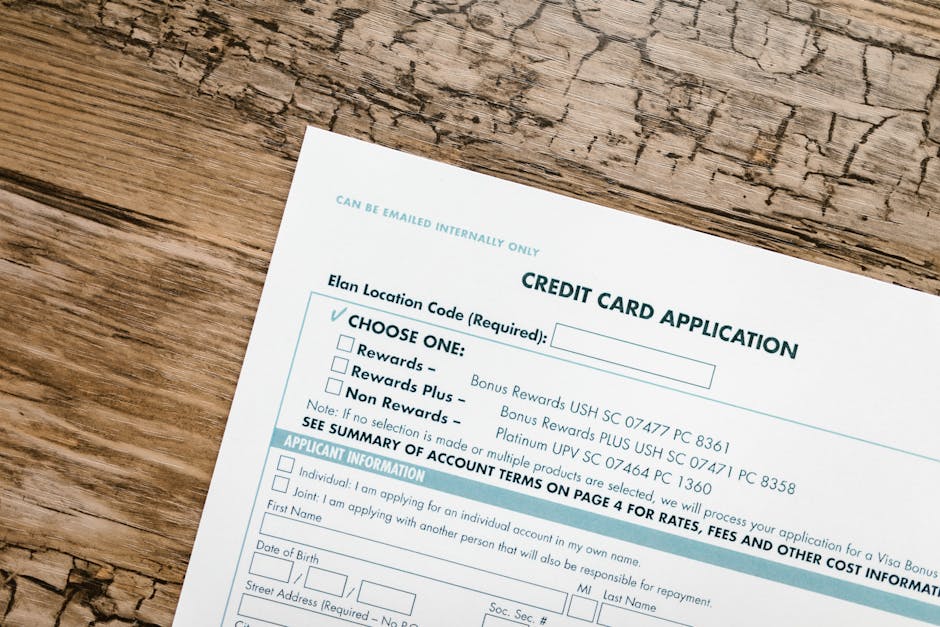
In today’s digital age, businesses are collecting more customer data than ever before. From website visits to social media interactions, every touchpoint provides valuable insights into customer behavior and preferences. However, with data coming from multiple sources and in various formats, consolidating and making sense of it all can be a daunting task. That’s where a customer data management platform comes in.
A customer data management platform, or CDP, is a powerful tool that simplifies the process of consolidating and organizing customer data. It brings together data from different sources, such as CRM systems, email marketing platforms, and e-commerce platforms, into a single, unified view. This unified view allows businesses to gain a holistic understanding of their customers and make data-driven decisions.
One of the key benefits of a CDP is that it eliminates data silos. In many organizations, customer data is scattered across different departments and systems, making it difficult to get a complete picture of each customer. With a CDP, all customer data is brought together in one place, making it easily accessible and actionable. This not only saves time and effort but also ensures that everyone in the organization has access to the same accurate and up-to-date information.
Another advantage of a CDP is that it helps businesses improve customer insights. By consolidating data from various sources, a CDP provides a comprehensive view of each customer’s interactions and preferences. This allows businesses to identify patterns and trends, understand customer behavior, and personalize their marketing efforts. For example, a CDP can help identify customers who are most likely to churn and enable businesses to take proactive measures to retain them.
Furthermore, a CDP enables businesses to create a single customer profile. This profile includes not only demographic information but also behavioral data, such as purchase history and website interactions. By having a complete view of each customer, businesses can tailor their marketing messages and offers to individual preferences, increasing the likelihood of engagement and conversion.
In addition to consolidating and organizing customer data, a CDP also helps businesses comply with data privacy regulations. With the implementation of regulations like the General Data Protection Regulation (GDPR) and the California Consumer Privacy Act (CCPA), businesses need to ensure that they are handling customer data in a secure and compliant manner. A CDP provides the necessary tools and features to manage consent, track data usage, and enforce privacy policies, helping businesses stay on the right side of the law.
In conclusion, a customer data management platform simplifies the process of consolidating and organizing customer data. By bringing together data from different sources, a CDP eliminates data silos and provides a comprehensive view of each customer. This enables businesses to improve customer insights, personalize marketing efforts, and comply with data privacy regulations. With a CDP, businesses can harness the power of their customer data and make informed decisions that drive growth and success.
Enhancing Customer Engagement with a Customer Data Management Platform for Data Consolidation
In today’s digital age, businesses are collecting more customer data than ever before. From online purchases to social media interactions, every touchpoint provides valuable insights into customer behavior and preferences. However, with this abundance of data comes the challenge of managing and consolidating it effectively. That’s where a Customer Data Management Platform (CDMP) comes in.
A CDMP is a powerful tool that simplifies the process of consolidating customer data from various sources. It acts as a central hub where businesses can gather, organize, and analyze customer information in one place. This not only saves time and effort but also enables businesses to gain a holistic view of their customers.
One of the key benefits of using a CDMP for data consolidation is the ability to eliminate data silos. In many organizations, customer data is scattered across different departments and systems, making it difficult to get a complete picture of each customer. With a CDMP, businesses can bring all their data together, breaking down the barriers between departments and creating a unified view of the customer.
By consolidating customer data, businesses can also improve the accuracy and quality of their data. Duplicate records, outdated information, and inconsistencies are common issues when dealing with multiple data sources. A CDMP helps identify and resolve these issues, ensuring that businesses have clean and reliable data to work with. This, in turn, leads to more accurate customer insights and better decision-making.
Furthermore, a CDMP enables businesses to enhance customer engagement. By having a comprehensive view of each customer, businesses can personalize their marketing efforts and deliver targeted messages that resonate with their audience. For example, if a customer has recently made a purchase, a business can send them a personalized thank-you email or offer them a discount on their next purchase. These personalized interactions not only make customers feel valued but also increase the likelihood of repeat business.
In addition to personalization, a CDMP also enables businesses to improve customer service. With all customer data readily available, businesses can quickly access information about a customer’s previous interactions, preferences, and purchase history. This allows customer service representatives to provide a more personalized and efficient service, resolving issues faster and exceeding customer expectations.
Another advantage of using a CDMP for data consolidation is the ability to gain actionable insights. By analyzing customer data, businesses can identify patterns, trends, and correlations that can inform their marketing strategies and business decisions. For example, if a certain demographic group is more likely to purchase a particular product, a business can tailor their marketing campaigns to target that group specifically. This data-driven approach not only increases the effectiveness of marketing efforts but also helps businesses stay ahead of the competition.
In conclusion, a Customer Data Management Platform is a valuable tool for businesses looking to simplify customer data consolidation. By bringing all customer data together in one place, businesses can eliminate data silos, improve data accuracy, enhance customer engagement, and gain actionable insights. In today’s competitive business landscape, having a comprehensive view of each customer is essential for success. So, if you’re looking to take your customer data management to the next level, consider investing in a CDMP. Your customers will thank you for it.
Simplifying Data Governance and Compliance with a Customer Data Management Platform
In today’s digital age, businesses are collecting more customer data than ever before. From online purchases to social media interactions, every touchpoint provides valuable insights into customer behavior and preferences. However, with this abundance of data comes the challenge of managing and consolidating it effectively. That’s where a Customer Data Management (CDM) platform comes in.
A CDM platform is a powerful tool that simplifies the process of consolidating customer data from various sources. It acts as a central hub where businesses can store, organize, and analyze their customer data. By bringing all the data together in one place, businesses can gain a holistic view of their customers and make more informed decisions.
One of the key benefits of a CDM platform is that it simplifies data governance and compliance. With the increasing number of data privacy regulations, such as the General Data Protection Regulation (GDPR) and the California Consumer Privacy Act (CCPA), businesses need to ensure that they are handling customer data in a secure and compliant manner. A CDM platform helps businesses achieve this by providing robust data governance features.
For example, a CDM platform allows businesses to define and enforce data access controls. This means that only authorized individuals have access to sensitive customer data, reducing the risk of data breaches. Additionally, a CDM platform enables businesses to track and audit data access, ensuring accountability and transparency.
Furthermore, a CDM platform helps businesses comply with data retention policies. With the ability to set data retention rules, businesses can automatically delete or archive customer data after a certain period of time. This not only helps businesses stay compliant with regulations but also reduces the storage costs associated with keeping unnecessary data.
Another way a CDM platform simplifies data governance is through data quality management. Customer data is often scattered across different systems and databases, leading to inconsistencies and inaccuracies. A CDM platform addresses this issue by providing data cleansing and enrichment capabilities.
For instance, a CDM platform can automatically validate and standardize customer data, ensuring that it is accurate and up-to-date. It can also enrich the data by appending additional information, such as demographic data or social media profiles. By improving the quality of customer data, businesses can make more accurate analyses and deliver personalized experiences to their customers.
In addition to simplifying data governance and compliance, a CDM platform offers other benefits as well. For example, it enables businesses to create a single customer view by consolidating data from multiple sources. This unified view allows businesses to understand their customers better and deliver more personalized experiences.
Moreover, a CDM platform provides advanced analytics capabilities. Businesses can leverage these capabilities to gain insights into customer behavior, identify trends, and make data-driven decisions. By analyzing customer data, businesses can uncover hidden patterns and opportunities, ultimately driving growth and profitability.
In conclusion, a Customer Data Management platform simplifies the process of consolidating customer data and offers numerous benefits. From simplifying data governance and compliance to providing a single customer view and advanced analytics capabilities, a CDM platform is a valuable tool for businesses in today’s data-driven world. By harnessing the power of customer data, businesses can gain a competitive edge and deliver exceptional experiences to their customers.
Case Studies: Successful Implementation of a Customer Data Management Platform for Data Consolidation
In today’s digital age, businesses are collecting more customer data than ever before. From online purchases to social media interactions, every touchpoint provides valuable insights into customer behavior and preferences. However, with this abundance of data comes the challenge of consolidating and making sense of it all. That’s where a customer data management platform comes in.
A customer data management platform, or CDP, is a powerful tool that simplifies the process of consolidating customer data from various sources. It brings together data from different channels and systems, such as CRM software, email marketing platforms, and e-commerce platforms, into a single, unified view. This unified view allows businesses to gain a comprehensive understanding of their customers and make data-driven decisions.
To illustrate the benefits of a CDP, let’s take a look at a few case studies of businesses that have successfully implemented a customer data management platform for data consolidation.
Case Study 1: E-commerce Retailer
An e-commerce retailer was struggling to understand their customers’ buying patterns and preferences. They had data scattered across multiple systems, making it difficult to get a holistic view of their customers. By implementing a CDP, they were able to consolidate data from their website, email marketing platform, and CRM software. This allowed them to create detailed customer profiles and segment their audience based on behavior and preferences. With this newfound insight, they were able to personalize their marketing campaigns and increase customer engagement and sales.
Case Study 2: Travel Agency
A travel agency was facing a similar challenge. They had customer data stored in different systems, including their booking platform, email marketing software, and customer service software. This made it difficult to provide a seamless and personalized experience for their customers. By implementing a CDP, they were able to consolidate all their customer data into a single platform. This enabled them to create a 360-degree view of each customer, including their travel preferences, past bookings, and interactions with customer service. Armed with this information, they were able to provide personalized recommendations and offers, resulting in increased customer satisfaction and loyalty.
Case Study 3: Financial Services Provider
A financial services provider was struggling to gain a comprehensive view of their customers’ financial profiles. They had data scattered across multiple systems, including their banking platform, investment management software, and customer relationship management system. This made it difficult to provide personalized financial advice and recommendations. By implementing a CDP, they were able to consolidate all their customer data into a single platform. This allowed them to analyze their customers’ financial behavior and provide tailored recommendations based on their individual needs and goals. As a result, they were able to deepen customer relationships and increase customer retention.
In conclusion, a customer data management platform is a valuable tool for businesses looking to consolidate and make sense of their customer data. By bringing together data from various sources, businesses can gain a comprehensive understanding of their customers and make data-driven decisions. The case studies mentioned above demonstrate how businesses across different industries have successfully implemented a CDP for data consolidation and reaped the benefits of improved customer engagement, personalization, and loyalty. So, if you’re struggling with scattered customer data, it may be time to consider implementing a customer data management platform.
Conclusion
A customer data management platform simplifies customer data consolidation by providing a centralized system that collects, organizes, and integrates customer data from various sources. This platform eliminates the need for manual data entry and reduces the risk of errors and duplications. It allows businesses to have a comprehensive view of their customers by consolidating data from multiple touchpoints, such as websites, social media, and offline interactions. With a customer data management platform, businesses can easily access and analyze customer data, enabling them to make informed decisions and deliver personalized experiences. Overall, a customer data management platform streamlines the process of consolidating customer data, improving efficiency and enhancing customer insights.