A Customer Data Management Platform (CDMP) is vital for customer loyalty programs as it enables businesses to effectively collect, organize, and analyze customer data. This platform serves as a centralized hub where businesses can store and manage valuable customer information, such as purchase history, preferences, and demographics. By leveraging this data, businesses can gain valuable insights into their customers’ behaviors and preferences, allowing them to tailor loyalty programs to meet their customers’ needs. This personalized approach enhances customer experiences, fosters stronger relationships, and ultimately increases customer loyalty and retention.
Benefits of Implementing a Customer Data Management Platform for Loyalty Programs
In today’s competitive business landscape, customer loyalty has become more important than ever. Companies are constantly looking for ways to retain their existing customers and attract new ones. One effective strategy that has gained popularity in recent years is the implementation of customer loyalty programs. These programs offer various incentives to customers who frequently engage with a brand, such as discounts, exclusive offers, and rewards. However, to truly maximize the effectiveness of these programs, companies need to invest in a customer data management platform.
A customer data management platform is a powerful tool that allows businesses to collect, organize, and analyze customer data. It provides a centralized hub where all customer information is stored, including purchase history, preferences, and demographic data. By leveraging this data, companies can gain valuable insights into their customers’ behavior and preferences, enabling them to tailor their loyalty programs to better meet their customers’ needs.
One of the key benefits of implementing a customer data management platform for loyalty programs is the ability to personalize the customer experience. By understanding each customer’s preferences and purchase history, companies can create targeted offers and rewards that are more likely to resonate with individual customers. This level of personalization not only enhances the customer experience but also increases the likelihood of repeat purchases and brand loyalty.
Furthermore, a customer data management platform allows companies to track and measure the effectiveness of their loyalty programs. By analyzing customer data, businesses can identify which aspects of their loyalty programs are working well and which ones need improvement. For example, they can determine which rewards are most popular among customers or which communication channels are most effective in engaging customers. Armed with this information, companies can make data-driven decisions to optimize their loyalty programs and drive better results.
Another advantage of a customer data management platform is the ability to segment customers based on various criteria. By dividing customers into different segments, companies can create targeted marketing campaigns and loyalty programs that cater to the unique needs and preferences of each segment. For example, they can offer different rewards to high-value customers compared to new customers or create exclusive offers for customers who have not made a purchase in a while. This level of segmentation allows companies to deliver more relevant and personalized experiences to their customers, ultimately increasing customer satisfaction and loyalty.
In addition to personalization and segmentation, a customer data management platform also enables companies to improve their customer service. By having access to a comprehensive view of each customer’s interactions and preferences, companies can provide more personalized and efficient customer support. For example, if a customer reaches out with a question or concern, customer service representatives can quickly access the customer’s profile and address their issue in a more personalized manner. This level of personalized service not only enhances the customer experience but also fosters a sense of trust and loyalty towards the brand.
In conclusion, a customer data management platform is a vital tool for companies looking to maximize the effectiveness of their customer loyalty programs. By leveraging customer data, companies can personalize the customer experience, track program effectiveness, segment customers, and improve customer service. Ultimately, investing in a customer data management platform allows businesses to build stronger relationships with their customers, increase customer loyalty, and drive long-term business success.
How a Customer Data Management Platform Enhances Personalization in Loyalty Programs
In today’s highly competitive business landscape, customer loyalty has become more important than ever. Companies are constantly looking for ways to retain their existing customers and attract new ones. One effective strategy that has gained popularity in recent years is the implementation of customer loyalty programs. These programs aim to reward customers for their continued support and encourage them to keep coming back.
However, simply having a loyalty program in place is not enough to guarantee success. In order to truly engage customers and build long-lasting relationships, personalization is key. Customers want to feel valued and appreciated, and a one-size-fits-all approach simply won’t cut it anymore. This is where a customer data management platform comes into play.
A customer data management platform, or CDMP, is a powerful tool that allows businesses to collect, organize, and analyze customer data. By leveraging this data, companies can gain valuable insights into their customers’ preferences, behaviors, and purchasing patterns. This information can then be used to create personalized experiences that resonate with each individual customer.
One of the main ways a CDMP enhances personalization in loyalty programs is through targeted marketing campaigns. With access to detailed customer profiles, businesses can segment their customer base and tailor their marketing messages accordingly. For example, if a company knows that a particular customer is interested in outdoor activities, they can send them targeted offers and promotions related to hiking or camping gear. This level of personalization not only increases the chances of a customer making a purchase, but also makes them feel understood and valued.
Another way a CDMP enhances personalization is through personalized rewards and incentives. Instead of offering generic rewards to all customers, businesses can use the data collected by the CDMP to offer rewards that are truly meaningful to each individual. For example, if a customer frequently purchases beauty products, a company could offer them a discount on their favorite brand or a free sample of a new product they might be interested in. By tailoring rewards to each customer’s preferences, businesses can increase the perceived value of their loyalty program and encourage repeat purchases.
Furthermore, a CDMP can also help businesses track and measure the effectiveness of their loyalty programs. By analyzing customer data, companies can identify which aspects of their program are resonating with customers and which ones are falling flat. This allows them to make data-driven decisions and continuously improve their loyalty initiatives. For example, if a company notices that a certain group of customers is not engaging with their loyalty program, they can use the data to identify the underlying reasons and make adjustments accordingly.
In conclusion, a customer data management platform is vital for enhancing personalization in customer loyalty programs. By leveraging customer data, businesses can create targeted marketing campaigns, offer personalized rewards, and track the effectiveness of their initiatives. In today’s competitive business landscape, personalization is key to building strong customer relationships and fostering loyalty. So, if you want to take your loyalty program to the next level, investing in a CDMP is a no-brainer.
The Role of Customer Data Management Platforms in Improving Customer Engagement in Loyalty Programs
In today’s highly competitive business landscape, customer loyalty has become more important than ever. Companies are constantly looking for ways to engage and retain their customers, and one effective strategy is the implementation of customer loyalty programs. These programs are designed to reward customers for their continued support and encourage them to keep coming back. However, in order for these programs to be successful, companies need to have a deep understanding of their customers’ preferences, behaviors, and needs. This is where a customer data management platform comes into play.
A customer data management platform is a powerful tool that allows companies to collect, organize, and analyze customer data from various sources. It provides a centralized hub where all customer information is stored, making it easy for companies to access and utilize this data to improve their loyalty programs. By leveraging the insights gained from customer data, companies can create personalized experiences that resonate with their customers and keep them engaged.
One of the key benefits of using a customer data management platform in loyalty programs is the ability to segment customers based on their preferences and behaviors. By dividing customers into different groups, companies can tailor their loyalty program offerings to meet the specific needs and interests of each segment. For example, if a company knows that a certain group of customers is more interested in discounts and promotions, they can create targeted offers that are more likely to resonate with this group. This level of personalization not only increases the effectiveness of the loyalty program but also enhances the overall customer experience.
Another important role of a customer data management platform in loyalty programs is the ability to track and measure customer engagement. By monitoring customer interactions and behaviors, companies can gain valuable insights into how customers are engaging with their loyalty program. This data can help identify areas of improvement and allow companies to make data-driven decisions to optimize their loyalty program. For example, if a company notices that a certain group of customers is not actively participating in the program, they can use this information to identify the underlying reasons and make necessary adjustments to increase engagement.
Furthermore, a customer data management platform can also help companies identify and reward their most loyal customers. By analyzing customer data, companies can identify customers who have consistently shown high levels of engagement and loyalty. These customers can then be rewarded with exclusive offers, personalized experiences, or special privileges. By recognizing and rewarding their most loyal customers, companies can strengthen the bond between the customer and the brand, ultimately leading to increased customer loyalty and advocacy.
In conclusion, a customer data management platform plays a vital role in improving customer engagement in loyalty programs. By leveraging customer data, companies can create personalized experiences, segment customers, track engagement, and reward loyalty. These capabilities not only enhance the effectiveness of loyalty programs but also contribute to overall customer satisfaction and loyalty. In today’s competitive business landscape, companies cannot afford to overlook the importance of a customer data management platform in their loyalty program strategies.
Leveraging Customer Data Management Platforms to Drive Customer Retention in Loyalty Programs
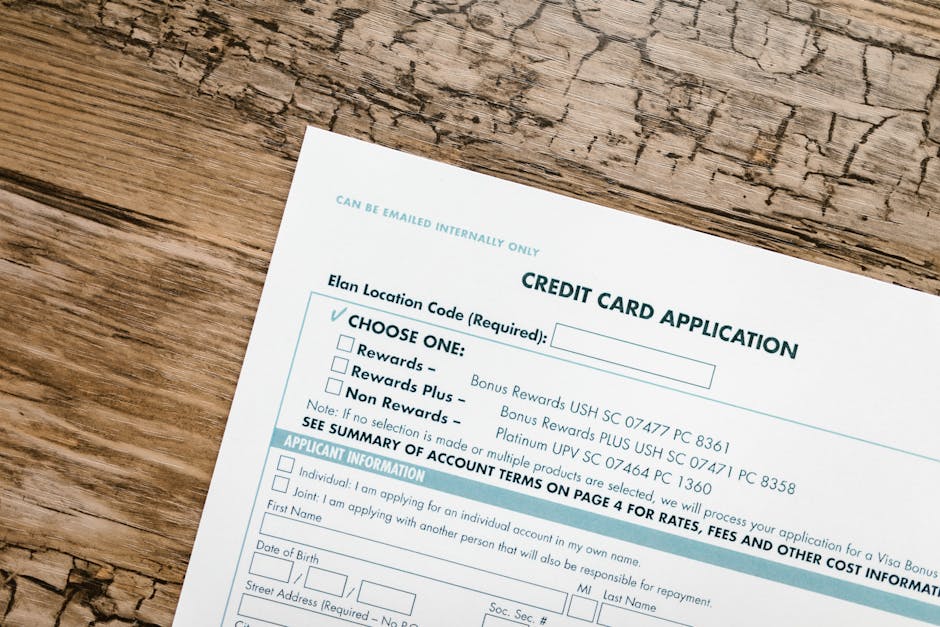
In today’s highly competitive business landscape, customer loyalty has become more important than ever. Companies are constantly looking for ways to retain their existing customers and attract new ones. One effective strategy that has gained popularity in recent years is the implementation of customer loyalty programs. These programs offer various incentives and rewards to customers who consistently choose to do business with a particular company. However, in order to truly leverage the power of these programs, companies need to invest in a customer data management platform.
A customer data management platform is a tool that allows businesses to collect, organize, and analyze customer data. This data can include information such as purchase history, preferences, demographics, and more. By having access to this valuable information, companies can gain a deeper understanding of their customers and tailor their loyalty programs to meet their specific needs and preferences.
One of the key benefits of using a customer data management platform is the ability to personalize the customer experience. When customers feel that a company understands their individual preferences and needs, they are more likely to remain loyal. By analyzing customer data, companies can identify patterns and trends that can help them create personalized offers and rewards. For example, if a customer frequently purchases a particular product, a company can offer them a discount or a special promotion on that item. This level of personalization not only makes customers feel valued, but it also increases the likelihood of repeat purchases.
Another advantage of using a customer data management platform is the ability to track customer behavior and engagement. By monitoring how customers interact with a loyalty program, companies can identify areas for improvement and make necessary adjustments. For example, if a particular reward is not generating the desired response, a company can modify or replace it with something more appealing. Additionally, by tracking customer behavior, companies can identify potential churn risks and take proactive measures to prevent customers from leaving. For instance, if a customer has not engaged with the loyalty program for a certain period of time, a company can send them a personalized offer to re-engage their interest.
Furthermore, a customer data management platform can also help companies identify their most valuable customers. By analyzing customer data, companies can identify those customers who consistently spend the most, refer others, or engage with the loyalty program on a regular basis. These customers can then be rewarded with exclusive offers, VIP status, or other special privileges. By recognizing and rewarding their most valuable customers, companies can foster a sense of loyalty and encourage them to continue doing business.
In conclusion, a customer data management platform is vital for the success of customer loyalty programs. By collecting and analyzing customer data, companies can personalize the customer experience, track customer behavior, and identify their most valuable customers. This not only increases customer satisfaction and loyalty but also helps companies make data-driven decisions to improve their loyalty programs. In today’s competitive business landscape, investing in a customer data management platform is essential for companies looking to drive customer retention and gain a competitive edge.
Best Practices for Utilizing Customer Data Management Platforms in Loyalty Programs
In today’s highly competitive business landscape, customer loyalty has become more important than ever. Companies are constantly looking for ways to retain their existing customers and attract new ones. One effective strategy that has gained popularity in recent years is the implementation of customer loyalty programs. These programs offer various incentives to customers in exchange for their continued support and repeat business. However, to make these programs truly successful, companies need to have a robust customer data management platform in place.
A customer data management platform is a tool that allows businesses to collect, organize, and analyze customer data. It provides valuable insights into customer behavior, preferences, and purchasing patterns. With this information at their fingertips, companies can tailor their loyalty programs to meet the specific needs and desires of their customers. This level of personalization is key to building strong and lasting relationships with customers.
One of the main reasons why a customer data management platform is vital for loyalty programs is that it allows companies to better understand their customers. By tracking and analyzing customer data, businesses can gain insights into what motivates their customers to make repeat purchases. They can identify trends and patterns that can help them create targeted marketing campaigns and offers. For example, if the data shows that a particular customer is a frequent buyer of a certain product, the company can send them personalized offers or discounts on that product to encourage them to continue their loyalty.
Another benefit of a customer data management platform is that it enables companies to track the effectiveness of their loyalty programs. By analyzing customer data, businesses can determine which aspects of their loyalty programs are working and which ones need improvement. They can see which incentives are most popular among customers and which ones are not generating the desired results. This information allows companies to make data-driven decisions and make necessary adjustments to their loyalty programs to ensure maximum effectiveness.
Furthermore, a customer data management platform can help companies identify and reward their most loyal customers. By analyzing customer data, businesses can identify customers who have consistently made repeat purchases or have shown a high level of engagement with the brand. These loyal customers can then be rewarded with exclusive offers, discounts, or other incentives to show appreciation for their continued support. This not only strengthens the bond between the company and its loyal customers but also encourages them to continue their loyalty and advocacy.
In conclusion, a customer data management platform is vital for the success of customer loyalty programs. It allows companies to better understand their customers, track the effectiveness of their programs, and identify and reward their most loyal customers. By leveraging the power of customer data, businesses can create personalized and targeted loyalty programs that foster strong and lasting relationships with their customers. In today’s competitive business landscape, investing in a customer data management platform is not just a good idea, it’s a necessity for companies looking to build customer loyalty and drive business growth.
Case Studies: Successful Implementation of Customer Data Management Platforms in Loyalty Programs
In today’s highly competitive business landscape, customer loyalty has become more important than ever. Companies are constantly looking for ways to retain their existing customers and attract new ones. One effective strategy that has gained popularity in recent years is the implementation of customer loyalty programs. These programs offer various incentives to customers in exchange for their continued support and repeat business.
However, running a successful loyalty program is not as simple as it may seem. It requires a deep understanding of your customers’ preferences, behaviors, and needs. This is where a customer data management platform comes into play. A customer data management platform is a tool that allows businesses to collect, organize, and analyze customer data in order to gain valuable insights and make informed decisions.
Several companies have successfully implemented customer data management platforms in their loyalty programs, and the results have been impressive. Let’s take a look at a few case studies to understand how these platforms have helped businesses achieve their customer loyalty goals.
Case Study 1: XYZ Retail
XYZ Retail, a leading fashion retailer, was struggling to retain its customers in the highly competitive fashion industry. They decided to implement a customer data management platform to gain a better understanding of their customers’ preferences and shopping habits. By analyzing the data collected through the platform, XYZ Retail was able to personalize their loyalty program offers and promotions, resulting in a significant increase in customer engagement and retention. Customers felt valued and appreciated, which led to a boost in their loyalty towards the brand.
Case Study 2: ABC Airlines
ABC Airlines, a major player in the airline industry, wanted to enhance their loyalty program to differentiate themselves from their competitors. They implemented a customer data management platform to gather information about their customers’ travel preferences, destinations, and booking patterns. With this data, ABC Airlines was able to create personalized offers and rewards tailored to each customer’s needs. As a result, customer satisfaction and loyalty soared, leading to increased repeat bookings and positive word-of-mouth referrals.
Case Study 3: PQR Hotel Chain
PQR Hotel Chain, a renowned hospitality brand, was facing challenges in attracting and retaining customers in a highly saturated market. They decided to invest in a customer data management platform to gain insights into their guests’ preferences, stay patterns, and feedback. Armed with this information, PQR Hotel Chain was able to offer personalized experiences and rewards to their loyal customers. This not only increased customer satisfaction but also led to a significant rise in repeat bookings and positive online reviews.
These case studies clearly demonstrate the importance of a customer data management platform in the success of loyalty programs. By leveraging customer data, businesses can gain a deeper understanding of their customers, personalize their offerings, and ultimately build stronger relationships. This, in turn, leads to increased customer loyalty, higher retention rates, and ultimately, improved business performance.
In conclusion, a customer data management platform is a vital tool for businesses looking to run successful customer loyalty programs. The ability to collect, organize, and analyze customer data allows companies to make informed decisions and tailor their offerings to individual customer needs. The case studies discussed above highlight the positive impact of these platforms on customer loyalty and business success. So, if you’re considering implementing a loyalty program, don’t forget to invest in a customer data management platform to maximize its effectiveness.
Future Trends in Customer Data Management Platforms for Loyalty Programs
In today’s highly competitive business landscape, customer loyalty has become more important than ever. Companies are constantly looking for ways to retain their existing customers and attract new ones. One of the most effective strategies for achieving this is through the use of customer loyalty programs. These programs offer incentives to customers for their continued support and encourage them to make repeat purchases.
However, in order for loyalty programs to be successful, companies need to have a deep understanding of their customers. They need to know who their customers are, what they like, and what motivates them to make a purchase. This is where a customer data management platform comes into play.
A customer data management platform is a tool that allows companies to collect, organize, and analyze customer data. It provides a centralized location for storing all customer information, including demographics, purchase history, and preferences. With this platform, companies can gain valuable insights into their customers’ behavior and preferences, which can then be used to tailor loyalty programs to their specific needs.
One of the key benefits of using a customer data management platform for loyalty programs is the ability to personalize the customer experience. By analyzing customer data, companies can identify patterns and trends that can help them create targeted offers and rewards. For example, if a customer frequently purchases a certain product, the company can offer them a discount or a special promotion on that product. This personalized approach makes customers feel valued and appreciated, increasing their loyalty to the brand.
Another benefit of using a customer data management platform is the ability to track the effectiveness of loyalty programs. By analyzing customer data, companies can determine which programs are most successful and which ones need improvement. They can track customer engagement, redemption rates, and overall program performance. This data can then be used to make informed decisions about future loyalty program strategies.
In addition to personalization and tracking, a customer data management platform also helps companies improve customer service. By having access to a customer’s purchase history and preferences, companies can provide more personalized and relevant recommendations. For example, if a customer has previously purchased a certain type of product, the company can suggest similar products that they may be interested in. This not only enhances the customer experience but also increases the likelihood of repeat purchases.
As technology continues to advance, the future of customer data management platforms for loyalty programs looks promising. With the advent of artificial intelligence and machine learning, these platforms will become even more sophisticated in their ability to analyze and interpret customer data. They will be able to predict customer behavior and preferences, allowing companies to proactively tailor loyalty programs to individual customers.
In conclusion, a customer data management platform is vital for the success of customer loyalty programs. It allows companies to gain valuable insights into their customers’ behavior and preferences, enabling them to personalize the customer experience and track the effectiveness of loyalty programs. As technology continues to evolve, these platforms will become even more powerful, helping companies stay ahead in the competitive business landscape. So, if you want to build a loyal customer base and drive business growth, investing in a customer data management platform is a wise decision.
Conclusion
A Customer Data Management Platform is vital for customer loyalty programs because it allows businesses to effectively collect, organize, and analyze customer data. This data provides valuable insights into customer behavior, preferences, and purchasing patterns, enabling businesses to personalize their loyalty programs and offer targeted rewards and incentives. By understanding their customers better, businesses can enhance the overall customer experience, build stronger relationships, and ultimately increase customer loyalty and retention.