CRM software is critical for sales forecasting because it allows businesses to effectively track and analyze customer interactions, sales data, and market trends. By utilizing CRM software, sales teams can make accurate predictions about future sales, identify potential opportunities, and develop effective strategies to meet sales targets. This software provides valuable insights into customer behavior, helps in identifying sales patterns, and enables businesses to make informed decisions based on data-driven forecasts. Overall, CRM software plays a crucial role in improving sales forecasting accuracy and driving business growth.
Benefits of CRM Software for Sales Forecasting
Sales forecasting is a crucial aspect of any business. It helps companies predict future sales, plan their resources, and make informed decisions. However, accurately forecasting sales can be a challenging task. That’s where Customer Relationship Management (CRM) software comes in. CRM software is a powerful tool that can greatly enhance the accuracy and effectiveness of sales forecasting.
One of the key benefits of CRM software for sales forecasting is its ability to centralize and organize customer data. With CRM software, all customer information is stored in one place, making it easy to access and analyze. This centralized database allows sales teams to track customer interactions, monitor buying patterns, and identify potential sales opportunities. By having a comprehensive view of customer data, sales teams can make more accurate sales forecasts based on historical data and trends.
Another advantage of CRM software for sales forecasting is its ability to automate data entry and analysis. Manual data entry can be time-consuming and prone to errors. CRM software automates the process by capturing and updating customer data in real-time. This not only saves time but also ensures that the data is accurate and up-to-date. Additionally, CRM software can generate reports and analytics that provide valuable insights into sales trends and patterns. These insights can help sales teams identify areas of improvement and make data-driven decisions.
CRM software also facilitates collaboration and communication among sales teams. With CRM software, sales teams can easily share customer information, track progress, and collaborate on deals. This level of collaboration ensures that everyone is on the same page and working towards the same goals. It also allows sales managers to monitor the performance of their teams and provide guidance and support when needed. By fostering collaboration and communication, CRM software helps sales teams work more efficiently and effectively, leading to more accurate sales forecasts.
Furthermore, CRM software can integrate with other business tools and systems, such as marketing automation software and inventory management systems. This integration allows for seamless data flow between different departments, providing a holistic view of the business. For example, CRM software can track marketing campaigns and their impact on sales, providing valuable insights into the effectiveness of marketing efforts. It can also provide real-time inventory data, helping sales teams forecast sales based on product availability. By integrating with other systems, CRM software enhances the accuracy and reliability of sales forecasting.
In conclusion, CRM software is critical for sales forecasting due to its ability to centralize and organize customer data, automate data entry and analysis, facilitate collaboration and communication, and integrate with other business tools and systems. By leveraging the power of CRM software, businesses can make more accurate sales forecasts, plan their resources effectively, and make informed decisions. So, if you want to improve your sales forecasting capabilities, consider implementing CRM software in your organization.
How CRM Software Improves Sales Accuracy
Sales forecasting is a crucial aspect of any business. It helps companies predict future sales, plan their resources, and make informed decisions. However, accurate sales forecasting can be a challenging task. That’s where Customer Relationship Management (CRM) software comes into play. CRM software is a powerful tool that can greatly improve sales accuracy.
One way CRM software enhances sales accuracy is by providing a centralized database for all customer information. In the past, sales teams had to rely on spreadsheets and manual data entry to keep track of customer interactions. This often led to errors and inconsistencies in the data, making it difficult to accurately forecast sales. With CRM software, all customer information is stored in one place, making it easy to access and update. This ensures that sales teams have the most up-to-date and accurate data to work with.
Another way CRM software improves sales accuracy is by automating data entry and analysis. Manual data entry is not only time-consuming but also prone to errors. CRM software automates the process, eliminating the need for manual data entry and reducing the risk of errors. This allows sales teams to focus on selling rather than spending hours inputting data. Additionally, CRM software can analyze the data and provide valuable insights and trends. This helps sales teams identify patterns and make more accurate sales forecasts.
CRM software also improves sales accuracy by providing real-time visibility into sales activities. With CRM software, sales teams can track their progress, monitor customer interactions, and identify potential bottlenecks in the sales process. This real-time visibility allows sales teams to make adjustments and take proactive measures to improve sales performance. By having a clear picture of their sales activities, sales teams can make more accurate forecasts and set realistic sales targets.
Furthermore, CRM software enables collaboration and communication among sales teams. In the past, sales teams often worked in silos, with little visibility into each other’s activities. This lack of collaboration made it difficult to accurately forecast sales. CRM software breaks down these barriers by providing a platform for sales teams to share information, collaborate on deals, and communicate effectively. This collaboration not only improves sales accuracy but also fosters a sense of teamwork and accountability among sales teams.
Lastly, CRM software helps sales teams prioritize their efforts and focus on the most promising leads. By analyzing customer data and tracking customer interactions, CRM software can identify high-value leads and opportunities. This allows sales teams to allocate their time and resources more effectively, increasing their chances of closing deals and achieving their sales targets. By focusing on the right leads, sales teams can make more accurate sales forecasts and improve their overall sales performance.
In conclusion, CRM software is critical for sales forecasting because it improves sales accuracy in several ways. It provides a centralized database for customer information, automates data entry and analysis, offers real-time visibility into sales activities, enables collaboration and communication among sales teams, and helps prioritize efforts on the most promising leads. With CRM software, sales teams can make more accurate sales forecasts, plan their resources effectively, and make informed decisions to drive business growth. So, if you want to improve your sales accuracy, consider investing in CRM software today.
Key Features of CRM Software for Sales Forecasting
Sales forecasting is a crucial aspect of any business. It helps companies predict future sales, plan their resources, and make informed decisions. However, accurately forecasting sales can be a challenging task. That’s where CRM software comes in. CRM, or Customer Relationship Management, software is a powerful tool that can greatly enhance sales forecasting capabilities. In this article, we will explore the key features of CRM software that make it critical for sales forecasting.
One of the key features of CRM software for sales forecasting is its ability to centralize customer data. With CRM software, all customer information is stored in one place, making it easily accessible for sales teams. This centralized database allows sales representatives to track customer interactions, analyze buying patterns, and identify potential leads. By having a comprehensive view of customer data, sales teams can make more accurate sales forecasts.
Another important feature of CRM software for sales forecasting is its reporting and analytics capabilities. CRM software can generate detailed reports and provide real-time insights into sales performance. These reports can include information such as sales revenue, conversion rates, and customer acquisition costs. By analyzing this data, sales managers can identify trends, spot opportunities, and make data-driven decisions. This helps in creating more accurate sales forecasts and setting realistic sales targets.
CRM software also offers automation features that streamline sales processes and improve forecasting accuracy. For example, CRM software can automate lead generation, lead nurturing, and follow-up tasks. This automation reduces manual work for sales teams and ensures that no leads fall through the cracks. By automating these processes, CRM software helps sales teams focus on high-value activities, such as building relationships with potential customers. This, in turn, leads to more accurate sales forecasts.
Integration capabilities are another key feature of CRM software for sales forecasting. CRM software can integrate with other business tools, such as email marketing platforms, social media platforms, and accounting software. This integration allows for seamless data flow between different systems, eliminating the need for manual data entry and reducing the risk of errors. By integrating CRM software with other tools, businesses can gather more comprehensive data for sales forecasting, resulting in more accurate predictions.
Lastly, CRM software offers collaboration features that enhance communication and collaboration among sales teams. With CRM software, sales representatives can easily share information, collaborate on deals, and track progress. This collaboration ensures that everyone is on the same page and working towards the same goals. By fostering collaboration, CRM software improves the accuracy of sales forecasting by incorporating input from multiple team members.
In conclusion, CRM software is critical for sales forecasting due to its key features. The ability to centralize customer data, generate detailed reports, automate processes, integrate with other tools, and foster collaboration greatly enhances sales forecasting capabilities. By leveraging CRM software, businesses can make more accurate sales forecasts, plan resources effectively, and make informed decisions. So, if you want to improve your sales forecasting accuracy, consider implementing CRM software in your organization.
Best Practices for Implementing CRM Software in Sales Forecasting
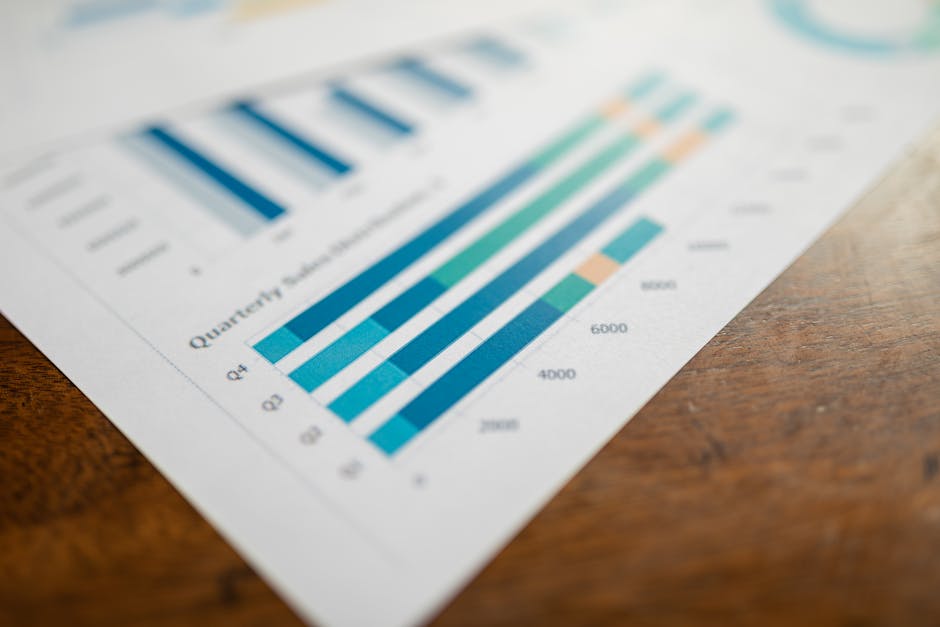
Sales forecasting is a crucial aspect of any business. It helps companies plan their resources, set realistic goals, and make informed decisions. However, accurate sales forecasting can be a challenging task. That’s where CRM software comes in. CRM, or Customer Relationship Management, software is a powerful tool that can greatly enhance the accuracy and effectiveness of sales forecasting.
Implementing CRM software in sales forecasting requires careful planning and execution. Here are some best practices to consider when integrating CRM software into your sales forecasting process.
First and foremost, it is essential to define your sales process and align it with your CRM software. This means mapping out each stage of your sales cycle and determining how your CRM software can support and automate these stages. By doing so, you can ensure that your sales team is using the CRM software effectively and consistently, resulting in more accurate data for forecasting.
Next, it is crucial to train your sales team on how to use the CRM software properly. This includes providing comprehensive training on the features and functionalities of the software, as well as educating them on the importance of accurate data entry. A well-trained sales team will be more likely to utilize the CRM software effectively, resulting in more reliable sales forecasting.
Another best practice is to regularly review and analyze the data in your CRM software. This involves tracking key performance indicators (KPIs) and identifying trends and patterns in your sales data. By regularly reviewing and analyzing this data, you can identify areas for improvement and make informed decisions for your sales forecasting.
Furthermore, it is important to integrate your CRM software with other business systems and tools. This includes integrating your CRM software with your accounting software, marketing automation tools, and any other systems that are relevant to your sales forecasting process. By integrating these systems, you can ensure that your data is accurate and up-to-date, resulting in more reliable sales forecasting.
Additionally, it is crucial to regularly update and maintain your CRM software. This includes keeping your software up-to-date with the latest features and functionalities, as well as regularly cleaning and organizing your data. By doing so, you can ensure that your CRM software is functioning optimally and that your data is accurate and reliable for sales forecasting.
Lastly, it is important to regularly communicate and collaborate with your sales team when using CRM software for sales forecasting. This includes holding regular meetings to discuss sales data, trends, and forecasts, as well as soliciting feedback and input from your sales team. By fostering a collaborative environment, you can ensure that your sales team is engaged and invested in the sales forecasting process, resulting in more accurate and reliable forecasts.
In conclusion, CRM software is critical for sales forecasting. By implementing CRM software in your sales forecasting process and following these best practices, you can greatly enhance the accuracy and effectiveness of your sales forecasting. Remember to define your sales process, train your sales team, regularly review and analyze data, integrate with other systems, update and maintain your software, and foster communication and collaboration. With these best practices in place, you can make more informed decisions and achieve greater success in your sales forecasting efforts.
Case Studies: Successful Sales Forecasting with CRM Software
Sales forecasting is a crucial aspect of any business. It helps companies plan their resources, set realistic goals, and make informed decisions. However, accurate sales forecasting can be a challenging task. Many factors come into play, such as market trends, customer behavior, and internal sales data. This is where CRM software comes in.
CRM, or Customer Relationship Management, software is a powerful tool that helps businesses manage their interactions with customers and prospects. It allows companies to store and analyze customer data, track sales activities, and automate various sales processes. But one of the most valuable features of CRM software is its ability to assist in sales forecasting.
Successful sales forecasting requires a deep understanding of customer behavior and market trends. CRM software provides businesses with the necessary tools to gather and analyze this data. By tracking customer interactions, such as emails, phone calls, and meetings, CRM software can identify patterns and trends in customer behavior. This information is invaluable when it comes to predicting future sales.
One company that has successfully utilized CRM software for sales forecasting is XYZ Corporation. XYZ Corporation is a leading provider of software solutions for the healthcare industry. They were facing challenges in accurately forecasting their sales, which led to inefficiencies in resource allocation and missed revenue targets. That’s when they decided to implement CRM software.
With the help of CRM software, XYZ Corporation was able to centralize their customer data and gain a holistic view of their sales pipeline. They could easily track customer interactions, such as product inquiries and demos, and analyze the success rate of each sales activity. This allowed them to identify the most effective sales strategies and allocate resources accordingly.
Furthermore, CRM software enabled XYZ Corporation to integrate external data sources, such as market research reports and industry trends. By combining internal and external data, they were able to create more accurate sales forecasts. This helped them make informed decisions about product development, marketing campaigns, and sales strategies.
Another company that has benefited from CRM software for sales forecasting is ABC Manufacturing. ABC Manufacturing is a global leader in the automotive industry. They were struggling with forecasting sales for their new product line, which was hindering their ability to meet customer demand. That’s when they turned to CRM software.
By implementing CRM software, ABC Manufacturing was able to streamline their sales processes and gain real-time visibility into their sales pipeline. They could easily track the progress of each sales opportunity and identify potential bottlenecks. This allowed them to take proactive measures to address any issues and ensure a smooth sales process.
Moreover, CRM software provided ABC Manufacturing with valuable insights into customer preferences and buying patterns. By analyzing customer data, they could identify which products were in high demand and adjust their production accordingly. This helped them optimize their inventory levels and meet customer demand more effectively.
In conclusion, CRM software is critical for successful sales forecasting. It provides businesses with the necessary tools to gather and analyze customer data, track sales activities, and integrate external data sources. Through case studies of companies like XYZ Corporation and ABC Manufacturing, we can see how CRM software has helped them improve their sales forecasting accuracy and make informed decisions. So, if you want to take your sales forecasting to the next level, consider implementing CRM software in your business.
Challenges and Solutions in Using CRM Software for Sales Forecasting
Sales forecasting is a crucial aspect of any business. It helps companies predict future sales, plan their resources, and make informed decisions. However, accurately forecasting sales can be a challenging task. This is where Customer Relationship Management (CRM) software comes into play. CRM software provides a solution to the challenges faced in sales forecasting, making it a critical tool for businesses.
One of the main challenges in sales forecasting is the lack of accurate data. Without reliable data, it becomes difficult to make accurate predictions. CRM software addresses this challenge by collecting and organizing customer data in a centralized system. It captures information about customer interactions, purchases, preferences, and demographics. This data can then be used to analyze customer behavior and make more accurate sales forecasts.
Another challenge in sales forecasting is the complexity of the sales process. Sales involve multiple stages, from lead generation to closing the deal. Each stage requires different strategies and approaches. CRM software helps streamline the sales process by providing a clear overview of each stage. It allows sales teams to track their progress, identify bottlenecks, and make necessary adjustments. By simplifying the sales process, CRM software enables more accurate sales forecasting.
Furthermore, sales forecasting often involves collaboration between different departments. Sales teams need to work closely with marketing, finance, and operations to gather relevant data and make accurate predictions. However, coordinating efforts and sharing information can be a challenge. CRM software provides a solution by facilitating collaboration and communication between departments. It allows different teams to access and update customer data in real-time. This ensures that everyone has access to the most up-to-date information, leading to more accurate sales forecasts.
In addition to these challenges, sales forecasting also requires analyzing historical data and market trends. This can be a time-consuming and complex task. CRM software simplifies this process by providing advanced analytics and reporting capabilities. It can generate detailed reports on sales performance, customer behavior, and market trends. These reports provide valuable insights that can be used to make more accurate sales forecasts. With CRM software, businesses can save time and effort in analyzing data, allowing them to focus on making strategic decisions.
Despite the benefits of CRM software for sales forecasting, there are also some challenges in its implementation. One challenge is the resistance to change. Some employees may be hesitant to adopt new technology or change their existing processes. To overcome this challenge, businesses need to provide proper training and support to their employees. They should emphasize the benefits of CRM software and how it can improve sales forecasting. By addressing the resistance to change, businesses can ensure a smooth transition to CRM software.
Another challenge is the cost of implementing CRM software. While CRM software can provide significant benefits, it also comes with a price tag. Businesses need to consider the cost of purchasing and maintaining the software, as well as training their employees. However, the long-term benefits of CRM software, such as improved sales forecasting and increased productivity, often outweigh the initial investment.
In conclusion, CRM software is critical for sales forecasting due to the challenges it addresses. It provides a solution to the lack of accurate data, streamlines the sales process, facilitates collaboration between departments, and simplifies data analysis. While there may be challenges in implementing CRM software, the benefits it offers make it a worthwhile investment for businesses. By leveraging CRM software, businesses can improve their sales forecasting accuracy and make more informed decisions.
Future Trends in CRM Software for Sales Forecasting
Why CRM Software Is Critical for Sales Forecasting
In today’s fast-paced business world, staying ahead of the competition is crucial. One way to gain a competitive edge is by accurately forecasting sales. Sales forecasting allows businesses to plan their resources, set realistic goals, and make informed decisions. However, traditional methods of sales forecasting can be time-consuming and prone to errors. That’s where CRM software comes in.
CRM software, or Customer Relationship Management software, is a powerful tool that helps businesses manage their interactions with customers and prospects. It allows companies to track customer data, analyze sales trends, and improve customer relationships. But what makes CRM software critical for sales forecasting?
First and foremost, CRM software provides businesses with a centralized database of customer information. This means that all customer interactions, from phone calls to emails to social media interactions, are stored in one place. Having a centralized database makes it easier to track customer behavior and identify patterns. By analyzing this data, businesses can gain valuable insights into customer preferences and buying habits, which can then be used to forecast future sales.
Furthermore, CRM software allows businesses to segment their customer base. By dividing customers into different groups based on demographics, buying behavior, or other criteria, businesses can create more accurate sales forecasts. For example, a company may find that customers in a certain age group are more likely to purchase a particular product. By targeting their marketing efforts towards this group, the company can increase their sales and improve their forecasting accuracy.
Another reason why CRM software is critical for sales forecasting is its ability to integrate with other business systems. For example, CRM software can be integrated with accounting software to track sales revenue and expenses. This integration allows businesses to create more accurate financial forecasts, which in turn can be used to improve sales forecasting. By having a complete view of their financials, businesses can make more informed decisions and allocate resources more effectively.
In addition, CRM software can help businesses identify and nurture leads. By tracking customer interactions and analyzing their behavior, businesses can identify potential customers who are most likely to make a purchase. This allows businesses to focus their sales efforts on these leads, increasing their chances of closing a sale. By nurturing leads and building relationships with customers, businesses can improve their sales forecasting accuracy and increase their revenue.
Lastly, CRM software can provide businesses with real-time data and analytics. This means that businesses can access up-to-date information about their sales performance, customer behavior, and market trends. By having access to real-time data, businesses can make more informed decisions and adjust their sales strategies accordingly. This agility is crucial in today’s fast-paced business environment, where market conditions can change rapidly.
In conclusion, CRM software is critical for sales forecasting because it provides businesses with a centralized database of customer information, allows for segmentation of customers, integrates with other business systems, helps identify and nurture leads, and provides real-time data and analytics. By leveraging the power of CRM software, businesses can improve their sales forecasting accuracy, make more informed decisions, and gain a competitive edge in the market. So, if you want to stay ahead of the competition and achieve your sales goals, investing in CRM software is a must.
Conclusion
CRM software is critical for sales forecasting because it allows businesses to track and analyze customer data, identify trends and patterns, and make accurate predictions about future sales. This helps sales teams to effectively plan and allocate resources, set realistic targets, and make informed decisions to drive revenue growth. Additionally, CRM software enables businesses to improve customer relationships, enhance communication, and streamline sales processes, ultimately leading to increased efficiency and profitability. Overall, CRM software plays a crucial role in sales forecasting and is essential for businesses looking to optimize their sales performance.