Every year, the same frustrating pattern plays out: you finally have the vacation days, the kids are out of school, and the weather at your dream destination is perfect — and then you see the resort rates. Peak-season prices can double or even triple compared to quieter months, leaving many travelers convinced that a proper resort stay is simply out of reach. The good news is that affordable resorts do exist in high-season destinations, but finding them takes a bit of strategy rather than luck.
This guide walks you through why peak rates spike in the first place, how booking four to six months ahead can lock in serious savings, and which weeks inside high season offer the best value. We’ll also point you toward destinations where resort prices stay reasonable even at their busiest, highlight stay types that stretch your budget, and show you how to spot genuine value before you click “book.”
Why High-Season Resort Rates Spike and What You’re Really Paying For
Resorts are not raising prices out of greed during peak season — they’re responding to simple supply and demand. In the Caribbean, high season runs from mid-December to mid-April, when travelers from colder climates flock to the sunshine. In the Mediterranean, demand surges from June through August, when European beaches are at their warmest and busiest. During these windows, resorts commonly charge 40-60% more than they do in shoulder months, because they can.
Then there’s the absolute top of the market: the holiday weeks between late December and early January. These dates are typically the single most expensive stretch on most resort calendars, combining perfect weather with school breaks and year-end vacations. If you want to travel then, you’re competing with everyone else who wants the same thing.
What you’re actually paying for
Here’s the mindset shift that saves money: during peak season, you’re not paying for a better room, better service, or a renovated pool. The room you get in January is the same room that costs far less in November. You’re paying for weather and school holidays — two things that have nothing to do with the quality of your accommodation.
Once you understand that, the path to savings becomes clearer. You can’t change the weather, but you can change when you book, which exact week you travel, and where you go. The rest of this article focuses on those three levers.
Book Early: The 4-6 Month Window for Affordable Resorts
Timing your booking is the single easiest way to cut peak-season costs, and the sweet spot is earlier than most people think. Reserving four to six months ahead typically locks in rates 15-30% below last-minute peak-season pricing, before demand drives prices upward. For popular high-season destinations, that window matters even more: the best-value rooms at sought-after resorts — the ocean-view categories, the family suites, the connecting rooms — tend to sell out first, so early bookers get both the lower rate and the better pick of inventory. Here’s how to work that window to your advantage.
- Pick your dates and destination first. Advance-purchase deals reward commitment, so decide on your travel window before you start comparing resorts. Flexibility of even a few days helps, but you need a firm enough plan to book early.
- Compare early-bird and advance-purchase rates. Many resorts publish discounted rates for guests who book well ahead. These often require full prepayment, which is the trade-off for capping your price before the demand surge begins. Check both the resort’s own website and booking platforms, since early-bird promotions don’t always appear in both places.
- Read the cancellation terms carefully. Since advance-purchase rates are usually non-refundable or heavily restricted, make sure your plans are solid — or consider travel insurance — before paying in full.
- Set alerts for rate drops after booking. Prices can still move, and some resorts will honor a lower published rate if you ask. A quick, polite email with a screenshot of the cheaper rate is often all it takes.
Booking early does require a leap of faith: you’re committing money months before you travel, and there’s always a chance your plans will change. But for high-season trips, that leap is usually rewarded. The travelers who wait until November to book a January Caribbean trip are the ones paying the premium — and by then, the best rooms are often gone too. If your dates are fixed, such as a school-holiday break, booking early becomes even more important because you can’t shift to a cheaper week. Treat the advance-purchase window as your main tool for keeping peak-season costs under control, and pair it with a careful read of what each rate actually includes before you commit.
Shoulder-Week Timing: The Cheapest Days Inside High Season
If you can’t book early or shift your destination, you can still save by shifting your dates slightly within high season itself. The weeks just before or after the true peak — think early December in the Caribbean or late May in the Mediterranean — often cost 20-40% less than peak weeks, with weather that’s nearly identical. The sea is just as warm, the sun still shines, and the resort is fully open and operating; you’ve simply sidestepped the most crowded, most expensive days.
Travel midweek, even in peak season
The day you check in matters more than most travelers realize. Midweek arrivals from Sunday through Wednesday can run 15-25% below weekend rates, even at the height of the season. Resorts price weekends for short-stay leisure guests, so a Sunday check-in lets you occupy the same room for less. If your schedule allows it, this is one of the simplest savings available.
A note for ski travelers
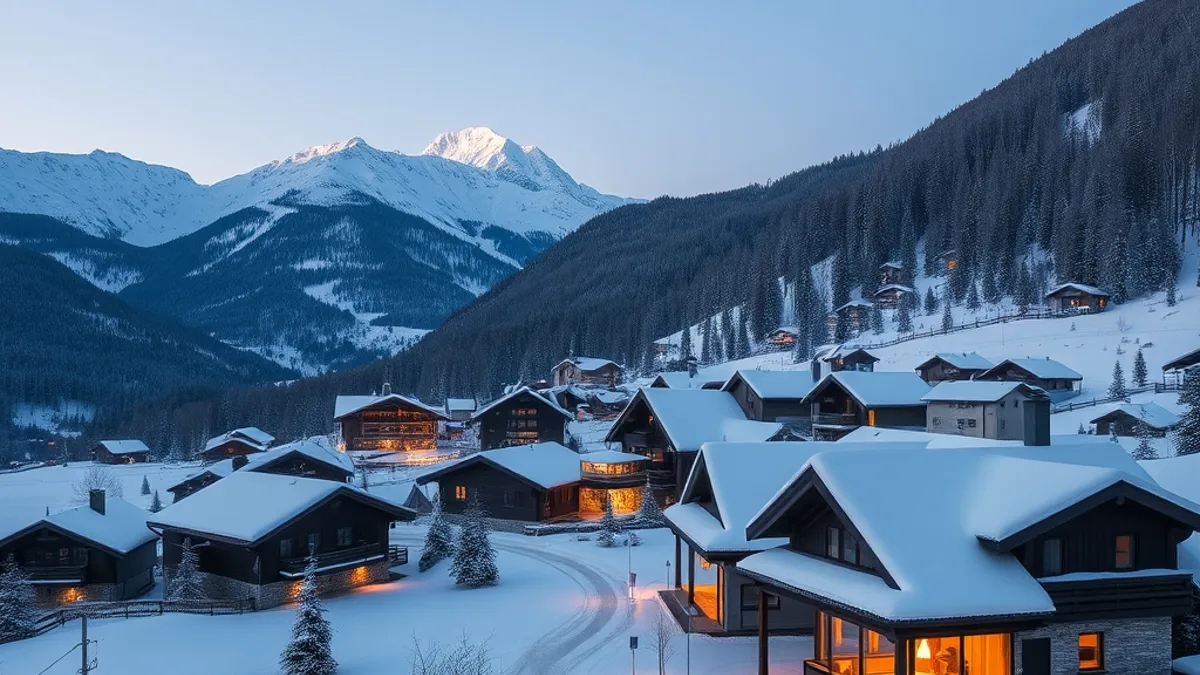
The same logic applies on the slopes. Ski season peaks from late December through February, but January after New Year is typically 20-30% cheaper than holiday weeks, with fresh snow and thinner crowds. If you’re dreaming of the mountains, our guide to top ski resorts with luxury accommodations is a good place to start comparing options. A one-week shift from the holidays to mid-January can be the difference between a stretch budget and a comfortable one.
Where to Look: Destinations With Affordable Resorts in Peak Season
Some high-season destinations simply cost less than others, and choosing wisely can matter more than any booking trick. Mexico’s Riviera Maya and the Dominican Republic have built entire resort economies around all-inclusive packages, which keeps pricing competitive even when demand peaks. High-season packages there commonly fall in the $250-450 per person per night range, often with meals, drinks and entertainment bundled in.
Southeast Asia is another standout. Beach destinations in Thailand and Bali keep resort rates moderate even during their popular December-March dry season, when European and Caribbean alternatives charge their highest prices of the year. If you want a sense of what Bali offers at the luxury end without Caribbean-level pricing, you can bask near sunset coastlines at The St. Regis Bali Resort and see how far a peak-season budget stretches there.
The Mediterranean also has affordable corners if you look beyond France and Italy. Emerging coastal spots hold lower peak rates while offering the same summer weather and sea.
- Riviera Maya, Mexico: the stretch south of Cancun toward Tulum and Playa del Carmen concentrates dozens of all-inclusive resorts side by side, which keeps them competing on package price rather than location alone.
- Dominican Republic: Punta Cana’s resort corridor is served by many international charter and budget flights, and airfare sales in winter can offset the higher room rates.
- Thailand: islands and beach towns in the Andaman Sea and the Gulf of Thailand offer a wide spread of resort tiers, so you can drop from a five-star property to a well-reviewed mid-range one without changing destinations.
- Bali: areas beyond the most famous beach strips, such as the island’s east and north coasts, tend to price below the busiest southern beach towns while staying within easy day-trip distance.
- Albania’s coast: the Ionian shoreline offers beach resorts and guesthouse-style properties at a fraction of neighboring Greece’s peak prices, with the same summer climate.
- Greek islands with budget flights: islands connected to low-cost carrier routes often price noticeably below marquee names like Santorini and Mykonos, especially outside the most photographed towns.
Stay Types That Stretch a High-Season Budget
The type of resort you book can matter as much as the destination. In expensive high-season markets, an all-inclusive rate works as a hedge: you pay one price up front for meals, drinks and often activities, so you’re protected if restaurant and bar prices at the resort climb with the season. This is why all-inclusive packages are so common in the Caribbean and Mexico during peak months, and why comparing them on total cost rather than nightly rate pays off.
Smaller boutique properties and apartment-style resorts take a different approach. Instead of bundling everything, they let you cut your biggest variable cost: food. A room or suite with a kitchen lets you prepare breakfast and some dinners yourself, which adds up quickly in destinations where restaurant prices peak along with the weather. Even a modest kitchenette can make a real dent in a week’s spending.
Families have a third option. Resorts that cater to school-holiday travel often run offers designed to soften the per-person hit of bringing children along, from kids-stay-free promotions to bundled family rates.
- All-inclusive transparency: because nearly everything is prepaid, these rates make it easy to compare resorts on a true total cost, and they remove the temptation of daily spending on cocktails and water sports rentals.
- Kitchen-equipped suites: apartment-style resorts often include a supermarket or mini-market on site, so you can stock up on breakfast basics the day you arrive instead of paying resort café prices each morning.
- Kids-stay-free deals: these promotions usually apply when children share existing bedding with parents, so check the room configuration before counting on the savings.
- Connecting rooms: some family resorts discount the second room when booked together, which effectively halves the per-person rate compared with booking two standard rooms separately.
- Kids’ clubs: family-oriented resorts frequently include supervised children’s programs in the rate, which covers a service you’d otherwise pay for separately at boutique properties.
How to Spot Genuine Value Before You Book
Before you hand over a deposit for a peak-season week, spend twenty minutes checking whether the rate is actually fair. Resort pricing varies enormously between properties in the same destination, and a few careful comparisons will tell you quickly whether you’ve found genuine value or simply a holiday markup dressed up as a deal. This step matters most during high season, when the pressure to book quickly can push travelers into overpaying for rooms that would cost far less a few weeks earlier or later in the calendar.
- Compare high season against shoulder season at the same resort. Pull up the rate for your peak dates, then check the same room type a few weeks earlier or later. A small gap signals a resort that prices fairly year-round; a huge gap suggests the property simply charges whatever the calendar allows.
- Add up what’s actually included. A higher rate with breakfast, airport transfers, and non-motorized water sports can beat a cheaper room-only deal once you price those items separately. List every included item and assign it a rough value before deciding.
- Read reviews from recent high-season stays. Service levels, pool crowding, and upkeep can differ sharply between quiet months and peak months. Filter or scan reviews posted during or just after the season you plan to visit, since those reflect the experience you’ll actually get.
- Check the cancellation terms. The cheapest peak-season rates often come with strict conditions, so weigh the saving against the risk of plans changing.
Ten minutes of this homework routinely saves travelers hundreds of dollars or steers them toward a better property at the same price. It also gives you leverage: if a neighboring resort offers a comparable room for less on your exact dates, mentioning it politely when booking can sometimes lead to a match or an upgrade. Do this before you book, not after, and you’ll approach peak-season pricing with confidence instead of guesswork.
The Smart Traveler’s High-Season Playbook
So, can you still find an affordable resort when everyone has time to travel? Yes, if you plan around the spike rather than fight it. Booking 4-6 months out locks in rates before demand peaks, shoulder weeks trim 20-40% off the calendar’s priciest dates, and destinations like Mexico, Southeast Asia and the lesser-known Mediterranean coasts keep high-season prices reasonable in the first place.
Once you’re there, the details do the rest. All-inclusive rates cap your spending, midweek arrivals shave off another 15-25%, and comparing what’s actually included turns a scary nightly number into a fair one. High season doesn’t have to mean overpriced, it just means booked smarter. If this playbook helped you, share it with a fellow traveler or drop a comment below.