You love the idea of a retro road-trip aesthetic, but a nagging worry holds you back: won’t a silver trailer mean a cramped bed, a shared bathroom down the path and zero real comfort? That used to be a fair concern, but Airstream and trailer stays have changed the picture. Today’s glampsites pair polished aluminum exteriors with renovated interiors, and upscale models come with queen beds, climate control and private bathrooms.
This guide walks you through what these stays actually offer inside, where to find the best retro trailer regions from the US Southwest to the UK countryside, and how to spot a quality glampsite before you book. You’ll also get a realistic breakdown of nightly costs, booking timing and packing tips, plus ideas for making the most of your stay once you arrive. By the end, you’ll know exactly whether a trailer night fits your travel style and budget.
What Airstream and Trailer Stays Actually Offer
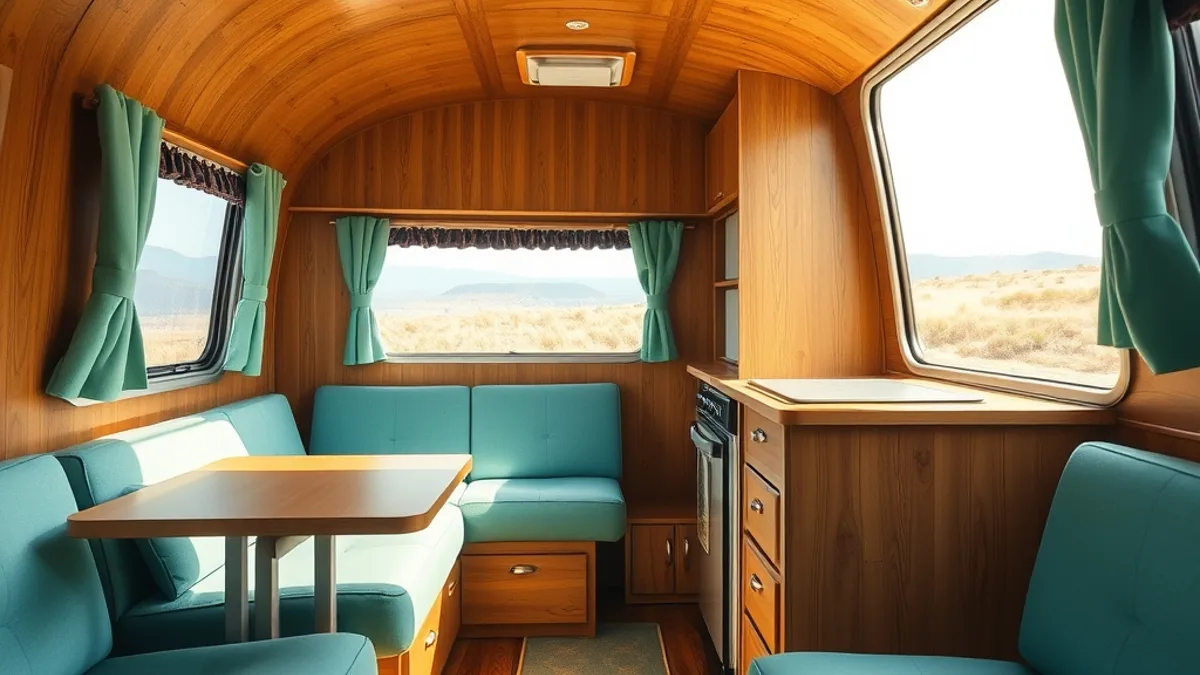
The first thing you notice at a good trailer glampsite is the contrast. Outside, you get that classic polished aluminum curve that looks straight out of a 1950s postcard. Inside, many units have been fully renovated, and the upscale models are where the surprises live: a proper queen bed with a real mattress, climate control for hot afternoons and chilly nights, and a private bathroom so you never queue for a shower block.
That said, manage your expectations on space. Trailers typically measure 16 to 30 feet long, which translates to cozy but efficient layouts rather than hotel-room square footage. Designers make clever use of every inch, with storage tucked under beds and fold-out tables that disappear when not needed. If you’ve stayed in a small cabin or a boat, you’ll feel right at home.
How Many People Fit?
Most retro trailers are built for couples, sleeping 2 guests comfortably in that queen bed. A few family models accommodate up to 4, usually with a dinette that converts into an extra bed or a small bunk nook. If you’re traveling with kids, read the listing carefully to confirm the sleeping arrangement, because a “sleeps 4” layout can mean two people share a converted dinette rather than two separate beds.
Where to Find the Best Retro Trailer Regions
Pick the right region and the trailer becomes half the experience, because the backdrop does a lot of the styling for you. In the United States, the Southwest and the California coast lead the pack. Desert settings in the Southwest give you red rock horizons and wide-open night skies that suit a silver trailer perfectly, while the California coast puts you within earshot of the Pacific, often with ocean views from your window.
Vineyards and Pastures
If your taste runs greener, Texas Hill Country pairs trailer stays with rolling vineyard country, so you can spend an afternoon wine tasting and return to your retro base for the evening. Across the Atlantic, the UK countryside offers pasture settings where sheep may be your closest neighbors, and villages with pubs are often a short drive away.
Match the Region to the Season
Timing matters more here than in a conventional hotel trip. Desert areas shine from October to April, when daytime temperatures are pleasant and nights are cool enough to enjoy a fire. Mountain and coastal spots work best from June to September, when trails are clear and ocean air is warm. Choose your region first, then let the season decide the dates, and you’ll avoid booking a desert trailer in the hottest months or a coastal one in the wind and rain.
How to Spot a Quality Trailer Glampsite
Not all trailer listings are equal, and the difference between a memorable stay and a disappointing one usually shows up in the details long before you arrive. Start with the listing description itself. A quality glampsite states the trailer length, the bed size and whether the bathroom is private or shared. If those basics are missing or vague, treat it as a signal to ask questions or keep scrolling, because shared bathroom blocks are the single biggest comfort gap between budget sites and upscale ones.
Next, study the photos with a critical eye. Exterior shine is easy to polish and tells you little; what matters is the interior. Look for renovated spaces with updated appliances, and check whether the listing mentions insulation, which makes a huge difference in shoulder-season cold snaps. A trailer can look glamorous in golden-hour photos and still have a tired kitchenette and thin walls.
What Reviews Reveal
Reviews fill in everything photos can’t. Before booking, scan recent guest feedback for these specific points:
- Noise levels: trailers have thin walls, so reviews will tell you if highway traffic, a neighboring site’s generator or late-night campers are a recurring complaint.
- Heating performance in cold months: look for comments from guests who stayed in cooler weather, since a heater that struggles overnight can ruin a spring or fall trip.
- Site amenities: confirm whether there’s a pool for hot afternoons, fire pits for evenings, or on-site dining if you’d rather not cook every night.
If reviews consistently mention these areas without complaints, you’ve likely found a site that delivers on its photos.
What Retro Glamping Costs
Retro trailer stays are one of the more affordable ways to try glamping, but prices vary more than you might expect. Nightly rates typically run from roughly $90 to $350, depending on where the site is, when you visit and how well equipped the trailer is. A simple renovated trailer in a pasture will sit at the lower end, while a polished Airstream with a private bathroom, air conditioning and a prime desert or coastal view will climb toward the top of that range.
When to book for the best price
Timing matters. Peak season runs from June through August in the US, and that is when rates sit highest. Shoulder-season dates in May and September often drop 20 to 30 percent below peak pricing, and you usually get better weather for sleeping than in the height of summer, especially in desert regions. If your schedule is flexible, shifting a trip by a few weeks can be the single easiest way to save.
Budget for the fine print
Many glampsites require minimum stays of 2 nights on weekends and holidays, so a one-night splurge is often not an option. That effectively doubles the cost of a weekend trip, so plan around it. It is also wise to check whether cleaning fees or pet fees apply before you book, since these extras vary by host and can nudge a mid-range trailer toward the top of your budget.
Booking Timing and Practical Tips
Trailer glampsites are small operations, often with just a handful of units on the property, so popular dates disappear faster than you would expect from the modest price tag. A little forward planning makes the difference between landing the best Airstream on the site and settling for the one parked next to the road. Work through these steps before you commit, and you will avoid most of the common frustrations first-timers run into.
- Lock in summer weekends early. Peak-season weekends, especially June through August, typically need reserving 2 to 3 months ahead. These are the dates that sell out first, so set a reminder rather than browsing casually.
- Give shoulder-season dates a shorter lead time. For May and September trips, booking 4 to 6 weeks out is usually enough, and you may even snag a last-minute opening if a guest cancels.
- Confirm exactly what is included before paying. Ask about linens, a kitchen kit, Wi-Fi and whether parking is right next to the trailer. Some sites supply all of it; others expect you to bring basics like coffee supplies or extra towels.
- Ask about access and setup. Narrow gravel roads, tight turns or a shared bathhouse can change the experience, so it is worth a quick message to the host before booking.
- Check the cancellation terms. Small operators often have stricter policies than hotels, so know your flexibility before committing to a peak weekend.
One packing detail catches many first-timers: bring soft-sided luggage. Trailers have limited storage and narrow doorways, and a hard-shell suitcase can be genuinely awkward to stow. A duffel bag slides under the bed or into a compact closet, leaving the small living space clear for actually enjoying it. The same logic applies to gear: pack only what you need for the trip, since counter space is limited and clutter builds up fast in 16 to 30 feet of trailer.
Making the Most of Your Trailer Stay
The whole point of a trailer stay is the evening, not the trailer itself. Once the sun drops, the fire pit and the wide-open sky become the main event, and that is where the retro camping magic lives. Plan your days so you are back at the site with time to spare: light the fire early, pour a drink and let the stargazing stretch long past dinner. In desert and rural regions, the lack of light pollution makes even casual sky-watching memorable.
Use the trailer as a base camp
Think of your trailer as a hub rather than a destination. Most quality glampsites sit within an hour’s drive of genuinely good day trips, whether that is a hiking trail, a cluster of wineries or a scenic coastal drive. Pick one main outing per day, return by late afternoon and you get the best of both worlds: adventure on the road and a fire pit waiting at home.
Keep the cooking simple
Resist the urge to plan elaborate dinners. Trailer kitchenettes are compact, with limited counter space and smaller appliances than a rental house, so ambitious recipes quickly become frustrating. Simple meals work best: grilled items, one-pan dishes, good bread and local ingredients from a nearby market. If the site has fire pits, cooking over the fire doubles as entertainment. Save restaurant visits for one night if you want a splurge, and let the kitchenette handle the rest.
The Wrap-Up
If you have been putting off trailer glamping because you pictured a lumpy fold-out bed and a long walk to a shared shower block, it is time to update that picture. Upscale Airstreams and renovated trailers now pair that polished aluminum road-trip look with genuine comfort, so the retro aesthetic no longer means roughing it. Most units sleep two, with family options for up to four, making this a realistic choice for couples and small families alike.
The practical side is simple. Nightly rates typically run about $90 to $350 depending on region, season and amenities. Book two to three months ahead for summer weekends, and aim for May or September if value matters most. Before committing, judge each listing on the things that actually shape your stay: interior condition, whether the bathroom is private, and what the site itself offers. If a silver trailer getaway has been sitting on your wishlist, this is your nudge. Leave a comment with your own trailer finds, or share this guide with a friend who loves a retro road trip.