Choosing between a beach resort vs mountain resort is one of the most common booking dilemmas travelers face. Both promise an escape, but they deliver completely different experiences, and the wrong pick can leave you sweating through a hurricane season or staring at closed hiking trails. The good news is that the decision becomes simple once you match the destination to your travel dates, budget and the kind of pace you actually want.
This guide walks you through the key factors side by side: when each type of resort shines through the year, what activities and rhythms to expect, how costs and booking windows compare, the wellness and atmosphere differences, and how to make a responsible choice. We close with a simple framework for matching the escape to your travel style, so you can book with confidence instead of second-guessing yourself.
Climate and Season: When Each Escape Shines
Timing is the single biggest factor in whether your resort trip feels magical or disappointing. Tropical beach resorts deliver steady warmth of 25-32°C year-round, which makes them reliable almost any month. The main exception is the Caribbean, where hurricane season runs June through November and peaks between August and October. If those dates are non-negotiable, consider a different coastline or shift your trip.
Mountain resorts have two distinct peaks rather than one. Summer, from June to August, is prime time for hiking and alpine scenery, while December through March draws skiers and snowboarders. In between, May and the September-to-October stretch are quiet shoulder windows: fewer crowds, gentler prices and still-pleasant conditions.
Elevation changes the equation
Resorts sitting at 1,500-3,000 m typically run 5-15°C cooler than nearby lowlands in summer. That makes mountains a genuine escape from a heat wave, not just a scenic one. Before you compare prices or properties, lock in your travel dates and check how they line up with your destination’s season. A great resort in the wrong month is still the wrong trip.
Beach Resort vs Mountain Resort: Activities and Pace
Beach resorts are built around water, and everything on property points back to it. Days flow naturally from swimming and snorkeling to kayaking, sailing or simply floating, with long, unhurried stretches by the pool or shoreline in between. Meals, entertainment and even kids’ clubs are usually steps from the sand, so there is rarely a schedule to keep. That lack of structure is precisely the appeal: if your ideal vacation involves doing very little, very well, the beach delivers it with minimal planning on your part.
Mountain resorts reward travelers who like structure and effort. Depending on the season, you can fill every day with hiking, mountain biking, skiing or snowboarding, and most guests do exactly that. The rhythm is more deliberate: early starts to beat the weather, a real physical challenge midday and a satisfying tiredness by the time dinner arrives. Many lodges also organize guided outings, so you get expert local knowledge built into the stay.
- Kids under eight tend to do best at beaches, where shallow water, sandcastles and pool time need no gear rental, lift tickets or lessons.
- Teens and active groups usually get more variety in the mountains, where a single week can mix trails, lifts and bike parks without anyone getting bored.
- Non-swimmers and water-shy travelers may find beach resorts one-note, since so much of the experience centers on the sea.
- Rainy days hit differently: a beach resort offers spas and lounges, while many mountain properties add indoor pools, game rooms and guided indoor activities to keep the day full.
Be honest about your energy level before you book. A beach trip suits travelers who want to unplug completely; a mountain trip suits those who want a daily itinerary, a physical goal to chase and the sense of accomplishment that comes with reaching it.
Costs and Booking Windows Compared
Sticker prices differ more than most travelers expect, and so does what they include. All-inclusive beach packages typically run $200-600 per person per night, with meals and drinks bundled in. Mountain lodges usually range $150-500 per night, but meals are often extra, so a ski-week food bill can quietly close the gap.
Book early for peak dates
For high-season travel, book beach resorts 3-6 months ahead and mountain lodges 4-8 months ahead to lock the best rates. Mountain peak weeks, especially around holidays and deep winter, sell out earliest because inventory is smaller.
Shoulder months are where savvy travelers save. For beaches, May and October-November cut costs by 20-40% while keeping conditions pleasant in most tropical destinations. For mountains, aim for May or September-October, when trails are quiet and rates drop without the weather turning hostile.
Finally, budget for transfers before you fall in love with a property. Remote mountain lodges can require long drives or shuttles, and island resorts often add a costly connecting flight or boat transfer. A nightly rate that looks like a bargain can shrink in value once you add the true cost of getting there and back.
Wellness, Views and Atmosphere
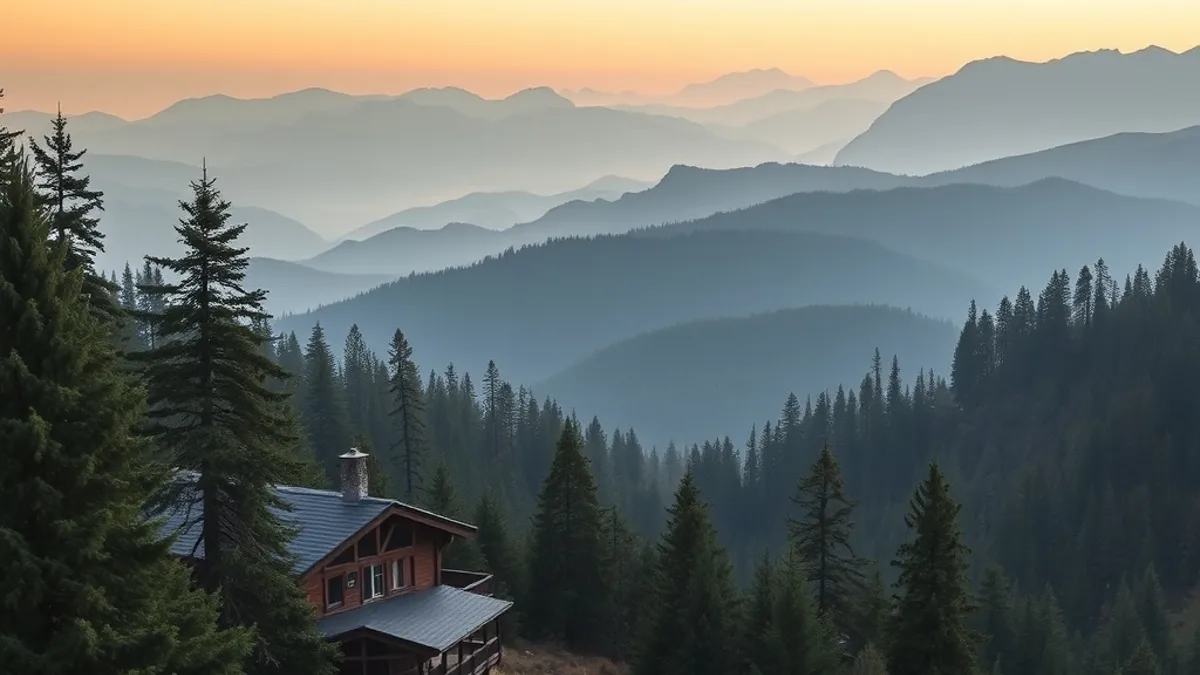
There is a reason spa retreats tend to cluster in the mountains. The crisp air, the silence broken only by wind in the trees, and the drama of peaks and valleys create an atmosphere that naturally slows you down. If your idea of a vacation involves massage appointments, morning yoga and long dinners with no agenda, a mountain resort delivers that restorative feeling almost by default. For inspiration, browse some peaceful mountain retreats known for their calm and you will see how much the setting itself does the work.
Beach resorts answer a different kind of longing. The steady rhythm of surf, the wide-open horizon and the warmth of the sun create calm through openness rather than enclosure. Travelers who find water views meditative often sleep better, read more and worry less by the third day. Neither atmosphere is better; they simply suit different nervous systems.
Altitude and sun: two practical checks
Before booking a mountain stay, think about altitude. Travelers sensitive to elevations above 2,500 m may notice fatigue, headaches or shortness of breath in the first days, so plan a gentler schedule on arrival. Sun exposure works the other way: beach trips demand daily sunscreen, hats and shade breaks, while mountain trips call for layered clothing, since conditions can shift quickly between sunny mornings and chilly afternoons.
Sustainability and Responsible Choices
Both beach and mountain resorts operate in environments that are more fragile than they look. Coral reefs, dunes, alpine meadows and thin mountain soils can take years to recover from careless development or heavy visitor traffic. The good news is that many properties now take this seriously, and a few pointed questions will tell you which ones.
For beach stays, prioritize resorts with reef-safe practices, active marine protection programs and a real push to cut single-use plastics. In the mountains, look for local hiring, energy efficiency measures and visible support for trail conservation. Water is the quiet issue in both settings: resorts in arid mountain regions and on small islands face the tightest resource constraints, so ask how they manage laundry, pools and landscaping. Some properties that have earned a reputation for this include beach resorts recognized for genuinely sustainable practices.
- Check for recognized certifications such as third-party eco-labels, which require independent audits rather than self-declared claims.
- Read the sustainability report if the resort publishes one; specific targets and figures signal more commitment than vague green language.
- Ask how staff are involved, since resorts that train and promote from nearby communities usually have deeper local roots.
- Look at food sourcing, because menus built around local and seasonal ingredients reduce transport emissions and support regional farmers.
Certifications and published reports are your best filter for separating genuine commitment from greenwashing. A resort that can show measurable results, not just a leaf logo on the website, is usually worth your booking.
Matching the Escape to Your Travel Style
If you are still torn, step back from the amenities and look at how you actually like to travel. Choose a beach resort if your priority is warmth, water activities and minimal daily planning, the kind of trip where the biggest decision is pool or shoreline. Choose a mountain resort if you want cooler air, scenic hikes or winter sports and a structured itinerary that gives each day a purpose.
Traveling as a group? Ask early
Groups should poll members before anyone books. Mixed preferences are the most common reason a resort choice disappoints, and it is far easier to negotiate expectations in advance than to manage a disappointed traveler on day two. A simple compromise helps: pick a destination with both options nearby, or agree that some days are activity days and others are unstructured.
If you truly cannot decide, split your trips by season instead of forcing one choice. Head to the mountains in summer when trails and weather are at their best, and save beaches for winter when tropical warmth feels like a reward rather than a given. Each escape gets its ideal window, and you never have to feel you chose wrong.
The Bottom Line
So which escape is right for you? Beach resorts win on warmth, water and ease, while mountain resorts win on scenery, activity and cooler air. Neither is better in the abstract; each simply fits a different kind of trip.
In practice, season and timing matter more than the destination itself. For peak dates, locking in your beach stay around three to six months out, and your mountain lodge four to eight months out, gives you the best shot at favorable rates. The same goes for shoulder months: booking early still pays off, even when prices are already lower.
And remember: the right escape is the one that matches your dates, budget and energy level, not the one with the best photos. If this helped you decide, leave a comment or share the article.