Most first-time visitors pick the wrong areas to stay in New York city. A neighborhood can look central on the map, yet sit a twenty-minute subway ride from the landmarks you actually came to see. The result is money spent on taxis, mornings lost on crowded platforms, and evenings too far from your hotel to rest between sights.
This guide breaks down the best areas to stay in New York city as a first-timer, from Midtown’s landmark-packed blocks to the skyline views of Lower Manhattan, the brownstone charm of Greenwich Village and Chelsea, and the value found across the river in Williamsburg and DUMBO. You’ll also find how to choose a base that matches your travel style, when to book for the best rates, and what you can expect to pay. By the end, you’ll know exactly which neighborhood fits your trip.
How to Choose Where to Stay in New York City as a First-Timer
The single best decision you can make is to pick a base near the two or three landmarks you care about most. New York looks compact on a map, but subway rides between major neighborhoods usually take 10–25 minutes, and walking to the wrong side of the city eats up real sightseeing time. If your must-sees are Times Square and Central Park, stay in Midtown. If you’re dreaming of the Brooklyn Bridge and downtown skyline, base yourself in Lower Manhattan.
Next, match the neighborhood to your travel style. Some travelers want maximum sightseeing density, with attractions stacked one after another. Others care more about a great dining scene or quieter residential streets where they can unwind after a full day. All three exist in Manhattan, so be honest about what your evenings should look like.
How many nights do you need?
Most first-timers stay 4–5 nights, which is enough to explore 2–3 areas per day without rushing. That’s roughly a dozen neighborhoods and a solid lineup of landmarks. Shorter trips work, but they force you to choose a single area and skip the rest. Longer stays give you the freedom to mix a busy sightseeing day with a slow morning in a café, which is often when a city like New York grows on you the most.
Midtown Manhattan: Best for Landmarks and First Visits
Midtown Manhattan is the classic first-timer choice, and for good reason. Hotels here put you within walking distance of Times Square, Central Park’s southern edge and Fifth Avenue shopping. Step out of your lobby and you can be standing under the billboards of Times Square in minutes, strolling up Fifth Avenue past flagship stores, or entering the park for a morning walk before the crowds arrive. If you want maximum sights within a 15-minute walk, this is the area that delivers.
The trade-off is crowds and noise. Midtown is the busiest part of Manhattan, with thick pedestrian traffic day and night, and hotel rooms often face streets that never fully quiet down. Light sleepers should ask for a room on a higher floor or facing an inner courtyard when booking.
What Midtown costs
Expect rates of $250–450 per night for most of the year, with prices climbing past $500 during the December holiday season. The upside of paying more here is convenience: you save on transportation and squeeze more into each day. If landmark proximity matters most to you, it can be worth comparing hotels located near famous landmarks before settling on a specific block. For travelers on a tighter budget, the sections below cover areas that trade some convenience for lower rates and more breathing room.
Lower Manhattan and SoHo: Best for Skyline Views and Dining
Lower Manhattan and SoHo combine skyline drama with some of the city’s best eating. Rates here average $200–350 per night, slightly below Midtown for similar quality, which makes this area a smart pick if you want downtown energy without Midtown prices. You’ll be close to the 9/11 Memorial, One World Observatory, Brooklyn Bridge walks and SoHo boutiques, and the area stays noticeably quieter at night while still offering a dense restaurant and café scene. It also works well for travelers who want a neighborhood feel in the evening: after a day of sightseeing, you can return to cobblestone streets, wine bars and bakeries instead of a theater-district crush.
Getting around from here is simple. Subway rides to major Manhattan neighborhoods usually take 10–25 minutes, so you can base yourself downtown and still reach Midtown sights without much effort. Many downtown hotels also market themselves on their outlook, and some genuinely deliver. If waking up to skyscrapers is on your wish list, browse hotels that offer stunning views of the city skyline before booking, since upper-floor rooms with a view often sell out first.
What makes this area work
- Waterfront access: The Hudson River piers west of Tribeca offer long, flat paths for jogging or an evening stroll with New Jersey sunset views, something Midtown can’t match.
- Easy Brooklyn Bridge access: Walk the bridge early in the morning from the downtown side and you’ll reach Brooklyn before the midday foot traffic makes the wooden walkway slow going.
- SoHo shopping rhythm: Boutiques here open later than Midtown department stores, so you can fit a museum in the morning and browse cast-iron storefronts in the afternoon.
- Food without reservations: The café and casual restaurant scene means you can eat well on a walk-in basis, unlike parts of Midtown where dinner often requires planning.
Greenwich Village and Chelsea: Best for Atmosphere
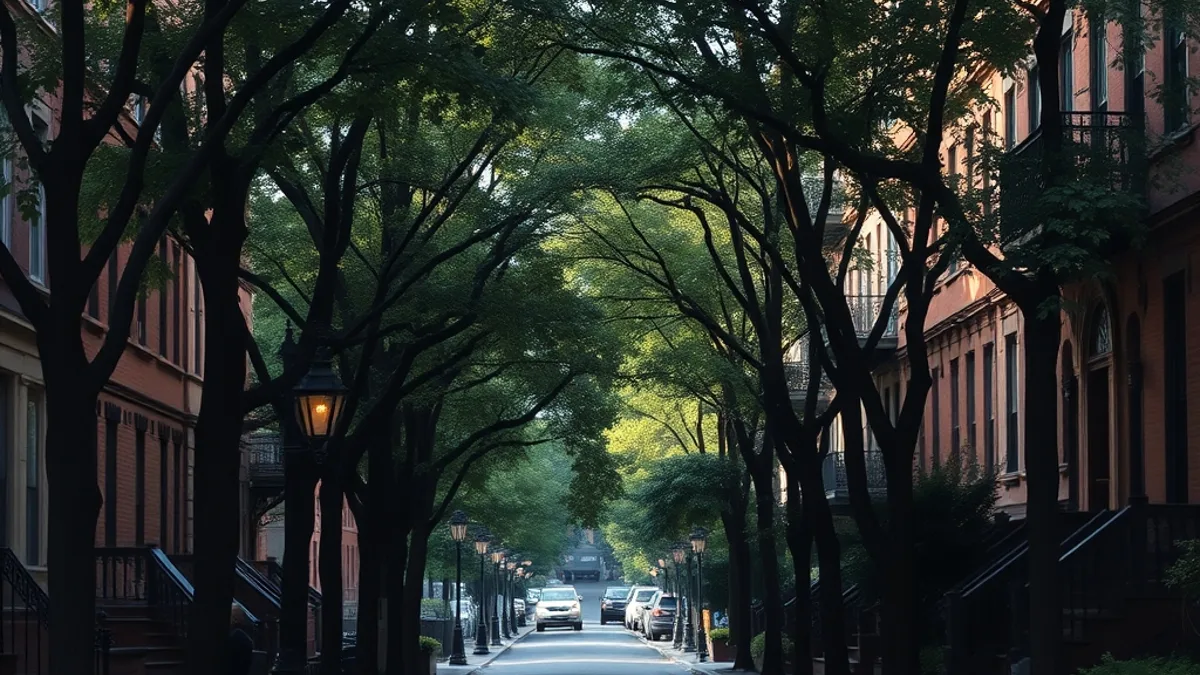
Greenwich Village and Chelsea feel like a different city from Midtown. Instead of towers, you get low-rise brownstone streets, leafy blocks, and corners where you actually want to linger with a coffee. Washington Square Park sits at the heart of the Village, and the High Line runs along Chelsea’s western edge, both within easy walking range of most hotels in this part of Manhattan.
This area suits travelers who care more about neighborhood character than ticking off major landmarks. You trade convenience for atmosphere: charming bookstores, jazz clubs, small theaters, and some of the city’s best people-watching. Major sights like Times Square or the Empire State Building are still reachable, but typically involve a subway ride rather than a short stroll, so check the nearest station before you book.
Booking tips for the Village and Chelsea
One practical note: there are fewer large hotels here than in Midtown, and the ones that exist tend to fill quickly. Because the inventory is smaller, your window for getting a good room is narrower, especially if you want a specific spot like the West Village rather than the edges of Chelsea. Compare a few streets before committing, since the vibe can shift block by block.
If your ideal day means wandering, browsing small shops, and settling into a neighborhood restaurant rather than racing between attractions, this is your base. It’s also a smart pick for repeat visitors who have already seen the headline sights and want to experience the New York locals talk about. Expect to pay for the atmosphere: rates here don’t always undercut Midtown, so weigh what character is worth to you against a slightly longer commute each morning.
Brooklyn: Williamsburg and DUMBO for Budget and Views
Brooklyn is where your hotel budget stretches furthest. Rates in Williamsburg and DUMBO average $180–300 per night, the best value among the areas covered here. That difference often means a larger room, a newer property, or a proper workspace for the same money you’d spend on a modest Midtown box. Many Brooklyn hotels also come with neighborhood character built in, rather than the corporate lobby feel you find near Times Square.
The trade-off is location. Count on a 20–30 minute subway ride to Midtown sights, which is why Brooklyn works best as a second-half-of-trip base: after you’ve covered the big landmarks, you can settle into a more local rhythm. It also suits travelers who plan their days around one or two Manhattan neighborhoods rather than trying to hop between them all. Here’s what each area offers:
- DUMBO: Home to the postcard Manhattan skyline views, especially from the waterfront parks near the Brooklyn Bridge, where photographers gather at sunset.
- Williamsburg: The center of the indie shopping scene, with vintage stores, record shops, and maker markets you can browse for a whole afternoon.
- Food: Both neighborhoods have strong food scenes, from casual pizza institutions to newer restaurants where reservations are easier to get than in Manhattan.
- Nightlife: Williamsburg’s bars and music venues stay lively on weeknights, a nice option if you want evening energy without Midtown prices.
If skyline views matter to you, look specifically at DUMBO; if culture and cafés matter more, choose Williamsburg. Both connect easily to Manhattan by subway, and the ride itself crosses the East River with water views. Check current rates and availability before booking, since Brooklyn’s popularity keeps growing.
When to Book and How Much You’ll Pay
New York hotel prices swing more by season than most travelers expect, so timing your booking matters almost as much as choosing the neighborhood. The same room can cost noticeably more in May than in February, and holiday weeks push rates higher still. The good news: a little planning reliably saves money and gets you a better room, sometimes in a hotel that would otherwise be out of budget.
- Aim for winter if your dates are flexible. January and February bring the lowest rates of the year, often 30–40% below peak-season prices. The weather is colder, but the savings can fund plenty of good dinners, a Broadway show, or an extra night.
- Book well ahead for normal seasons. Booking a couple of months out gives you the widest choice of hotels and room types before inventory tightens and prices climb.
- Book 4–6 months ahead for December or May–June trips. These are peak-demand periods in New York, and the best-value rooms sell out earliest, leaving late bookers with slim pickings at higher prices.
- Set rate alerts. Prices for the same room can move noticeably over a few weeks. Alerts let you book the moment your target rate appears instead of checking manually every evening.
- Compare refundable versus non-refundable options. Non-refundable rates are often cheaper, but they only make sense if your dates are locked in and you’re confident the trip will happen as planned.
One last tip: once you’ve booked, check your rate again a week or two before arrival. If the price has dropped and your booking is refundable, rebook at the lower rate and cancel the original. It takes five minutes, requires no special tools, and can save real money — enough for one of those good dinners you’ve been planning.
Finding Your Perfect New York Base
Choosing the right base matters more in New York than in most cities. A hotel that looks central on a map can still leave you spending hours on the subway instead of sightseeing. The fix is simple: match the neighborhood to what you actually came to see. Midtown maximizes landmarks, Lower Manhattan balances skyline views with dining, Greenwich Village and Chelsea offer atmosphere, and Brooklyn offers the best value.
Budget-wise, expect rates of roughly $180–450 per night depending on the area and season, with January and February the cheapest window. For a first visit of 4–5 nights, booking 2–3 months out gives you the widest choice at the best price. Pick the area that fits your style, and the city will feel far smaller and easier. If this helped you plan your trip, leave a comment or share the article.