Most travelers planning a safari face the same dilemma: you want the best possible wildlife sightings, but the months with the thinnest bush and the biggest animal gatherings also come with the highest lodge rates. Finding the best times to book safari lodges means balancing game viewing quality against price, and the two are more closely linked than many first-time safari-goers expect.
This guide walks you through how seasons shape both wildlife and rates, what to expect during the dry season and the green season, and why shoulder months often deliver the best value of all. We also cover how far ahead to reserve your rooms, how to match your lodge area to your travel dates, and how to pull it all together into a simple booking plan. By the end, you should know exactly when to start looking and which months fit your budget and your wildlife wish list.
Why the Best Times to Book Safari Lodges Depend on Seasons
On safari, what you see depends heavily on when you go. Rainfall drives the entire rhythm of the bush: during dry months, vegetation thins out, water sources shrink, and animals concentrate around the rivers, waterholes and remaining pools that still hold water. That makes game far easier to spot, because there is less cover for them and fewer places for them to hide.
Why the calendar controls your price too
Lodge rates mirror these seasons almost exactly. When game viewing is at its best, demand peaks and so do prices; when the rains arrive and the bush turns green and thick, rates soften and lodges compete for bookings with discounts and long-stay deals. The calendar, in other words, drives both the quality of your game viewing and the price you pay per night.
That is why your first booking decision is not which lodge to choose, but which season to travel in. Deciding between the peak dry season and the green season sets the framework for everything else: your destination, your budget, how far ahead you need to book, and even what your photos will look like. Get this choice right, and the rest of the planning falls into place far more easily.
Dry Season: Peak Wildlife and Peak Rates
The dry season is when safari lodges earn their reputation. In southern Africa, the dry months run roughly from May to October, while in East Africa the main dry period falls between June and October. With rain scarce, the bush thins out dramatically, grasses fade to pale gold, and animals gather predictably around rivers and waterholes. Spotting lions, elephants and even leopards becomes noticeably easier when there is less vegetation to hide behind.
The Great Migration window
If witnessing the Great Migration is on your list, timing matters even more. The dramatic river crossings, where vast herds of wildebeest and zebra brave crocodile-filled waters, typically occur between July and October in the Masai Mara and the Serengeti. These weeks are widely considered the most spectacular game viewing of the year, and camps in the path of the herds book out far in advance.
What peak season costs
All of this comes at a price. Expect rates to run roughly 30-50% above green-season prices, and expect the best camps to be fully booked many months ahead. Demand soars in these prime months, so the most sought-after lodges command both premium rates and early reservations. If you want ideas on where to stay during these prime months, this guide to the best hotels for wildlife and safari adventures is a good starting point.
Green Season: Lower Rates and Lush Landscapes
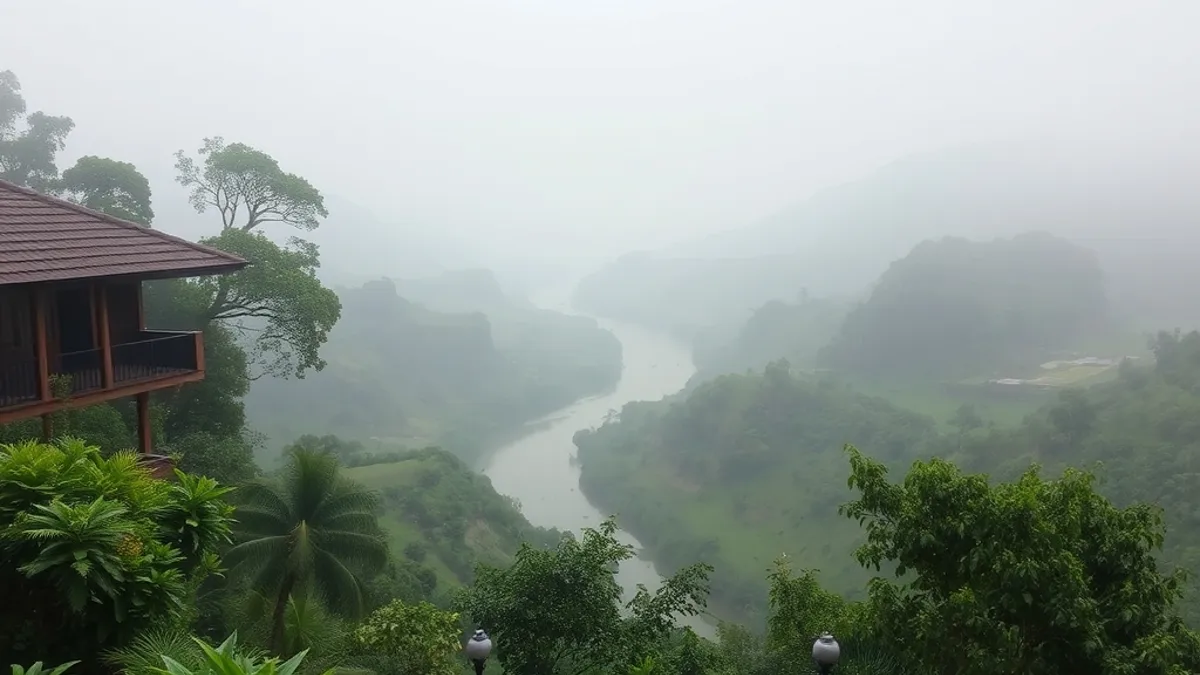
The green season, roughly November to March in East Africa, transforms the landscape into something quite different: fresh green grass, dramatic skies and afternoon thunderstorms that photographers love. It is also the time of newborn animals, with wildebeest calves, impala fawns and zebra foals appearing across the plains, which in turn draws predators. Migrant birds arrive from Europe and Asia, adding species that simply are not present during the dry months.
The savings can be substantial
For budget-conscious travelers, the green season is where the value lives. Rates drop well below peak-season prices, and many lodges sweeten the deal further with stay-4-pay-3 style long-stay offers, effectively giving you an extra night for free. If you have been dreaming of a luxury property that felt out of reach in high season, low-season pricing can bring it within budget. For inspiration, take a look at these ultimate South African safari villas with infinity pools.
Know the trade-offs before you book
The green season is not without compromises. Vegetation is thicker, so animals have more places to hide and game spotting takes more patience and skill from your guide. Afternoon rains can interrupt activities, and in the wettest weeks some seasonal camps close entirely, especially in areas with tracks that become impassable. Check with any lodge you are considering to confirm it operates during your travel dates, and pack for the possibility of getting a little wet.
Shoulder Months: The Value Sweet Spot
If your dates have some wiggle room, June and November deserve a hard look. These shoulder months sit on either side of the peak dry season, and many lodges price them below their top rates while game viewing remains strong. In June, vegetation has thinned after the dry season gets underway, and in November the first rains often arrive as short, sharp showers that leave animals active and the bush turning green.
The difference shows up most clearly around sightings. In July through September, a leopard in a tree can draw a line of vehicles; in the shoulder months you may share a sighting with one or two other cars, or none at all. Camps are also easier to book, so you can often choose the exact room, guide or camp you want instead of taking what is left.
Shoulder months reward travelers who value balance over perfection. You trade a bit of certainty for lower prices, quieter sightings and a bush that feels less like a conveyor belt. A few things to weigh before you commit:
- Rain risk varies by region: November can bring afternoon thunderstorms in East Africa, so ask lodges whether game drives run year-round or pause during downpours.
- Pack for two seasons in one trip: June mornings can be genuinely cold on open vehicles, while November afternoons may be hot and humid, so layers matter more than in mid-dry season.
- Ask about seasonal camp openings: a few camps close or reduce operations in the wettest weeks, so confirm your specific lodge is fully staffed and running its usual activities.
- Check current rates directly: shoulder pricing varies by lodge and year, and some camps simply apply their high-season rates, so compare quotes before assuming you are getting the discount.
How Far Ahead to Book Safari Lodges
How early you book depends almost entirely on when you want to travel, not the other way around. Peak-season demand at the most sought-after lodges is predictable and unforgiving: families, photographers and returning safari-goers all chase the same limited beds, and the best camps simply run out. Green-season availability is far more relaxed, which gives you breathing room and, often, better negotiating leverage. The mistake many travelers make is waiting for a promotion or a fare drop, then discovering their first-choice lodge has been full for months. Build your timeline around your travel dates rather than around a lodge’s marketing calendar, and work backward from your departure day.
- Fix your travel window first. Decide whether you are targeting the dry season, the green season or a shoulder month, because this single choice determines how far ahead you need to plan and how much leverage you have on rates.
- For peak-season travel, enquire 9-12 months ahead. Popular lodges in the best wildlife areas fill their prime rooms far in advance, and the most sought-after guides and private vehicles are allocated early to those who book first. Booking this far out also gives you time to coordinate flights, visas and any pre- or post-safari stops without pressure.
- For green-season trips, plan 3-6 months ahead. Availability is generally good in this window, and you may still find long-stay offers such as stay-4-pay-3 deals if you enquire before the wettest weeks fill up.
- Book the smallest camps first. Camps with under 12 rooms have the fewest beds to sell, so they sell out earliest. Prioritize them in your timeline, then build the rest of your itinerary around their availability.
- Confirm details before paying balances. Check current rates, conservation fees and any seasonal camp closures with your operator, since these can change year to year.
One practical note: even in the green season, small, award-winning camps in famous reserves can book out earlier than you expect, especially around holiday periods. If a specific camp is the reason you are traveling, treat it as a peak-season booking regardless of when you go. Flexibility on dates buys you availability; a fixed must-stay lodge buys you an early booking deadline.
Choosing the Right Lodge Area for Your Season
Once you have chosen your season, the next decision is where to point it. The best lodge area is not simply the most famous one; it is the region whose wildlife patterns match the weeks you are traveling. A legendary camp visited in the wrong season can underperform a modest lodge visited at the right time.
Match the region to your dates
If your heart is set on the Great Migration, plan around the Serengeti and Masai Mara, where river crossings typically occur from July to October. For southern Africa, the dry months from May to October are prime time in Kruger and the adjoining Sabi Sand reserve, when thinning bush makes predators easier to find. Traveling in the East African green season from November to March favors regions with calving herds and resident game rather than migration crossings.
Think about crowds and water
Private conservancies and reserves offer year-round game driving with noticeably fewer crowds than public parks. Night drives and off-road tracking are often permitted there too, which changes what your guides can show you. In public parks, rules and vehicle numbers at sightings can shape your experience, especially in peak months.
Water is the other deciding factor in the dry season. Lodges with waterhole views or river frontage perform best in the dry months, when animals gather at the remaining water sources and the action comes to you between game drives. In the green season, when water is everywhere, that advantage fades, so weigh it according to when you are traveling. Check each lodge’s current access details and seasonal operating status with your operator before committing.
Wrapping Up Your Safari Lodge Booking Plan
So, when should you book a safari lodge to see the most wildlife without paying peak-season prices? The answer comes down to a simple trade-off: the dry season delivers the easiest game viewing, but peak-season rates can run 30-50% higher than green-season prices. If maximizing sightings matters most to you, that premium may be worth it.
For most travelers, the smartest move is targeting the shoulder months, especially June and November, where lower rates meet still-strong game viewing. Whichever season you choose, remember the timeline: book 9-12 months ahead for peak-season travel at popular lodges, while green-season trips can often wait until 3-6 months out. Match the season to the wildlife experience you want, secure your camp early, and the calendar becomes your best booking tool. Have a favorite time of year for safari? Share your thoughts in the comments or pass this article along to a fellow traveler.