You have booked your first safari stay, but you are unsure which unwritten rules could embarrass you or, worse, put you and the animals at risk. That feeling is common, and it is understandable: a game lodge is nothing like a city hotel, and the etiquette that keeps everyone safe is rarely written on a welcome card. Getting it wrong can mean a ruined sighting for other guests or a dangerous encounter with wildlife that wandered into camp.
This guide walks you through everything a first-timer needs to know. We explain what makes a game lodge different from a regular hotel, how to book and prepare for your stay, and the game drive etiquette every first-timer should follow. You will also find the camp safety rules you must not break, advice on courtesy, dress code and tipping, and the photography and wildlife ethics that separate thoughtful guests from careless ones. A short wrap-up pulls it all together so your first safari starts on the right foot.
What Makes a Game Lodge Different From a Regular Hotel
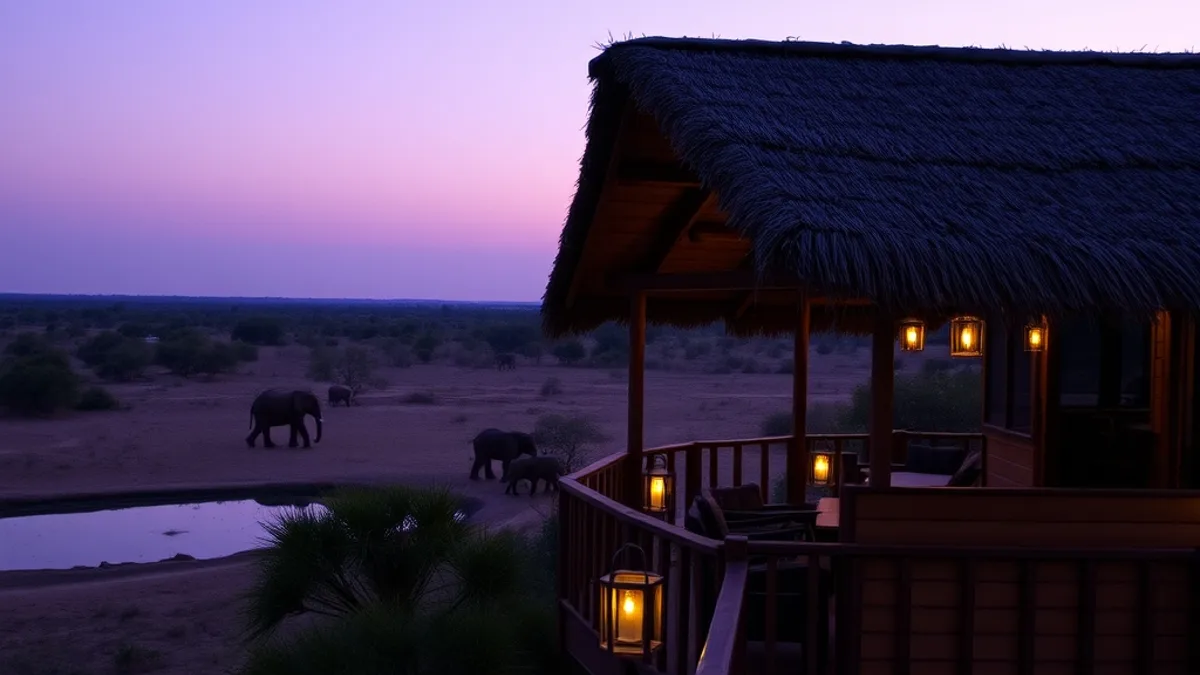
A game lodge sits inside or beside a wildlife reserve, which changes everything about how the property works. Animals move freely through camp, so an impala on the lawn or a monkey eyeing your breakfast is a normal morning, not a novelty. The lodge operates on nature’s schedule rather than a hotel’s, and the staff will plan your days around when wildlife is most active.
Unlike a standard hotel stay, meals, game drives and activities are usually bundled into a full-board or all-inclusive rate. You typically pay one price that covers your accommodation, all meals, and twice-daily drives with a professional guide. Drinks and extras vary between lodges, so it pays to check what is included before you arrive.
A day shaped by wildlife
The daily rhythm revolves around early-morning and late-afternoon drives, when animals are busiest and the heat is mildest. Expect a wake-up call between 5:30 and 6:30 am, followed by coffee and a few hours on the vehicle. The middle of the day is downtime at camp for lunch, a nap or a swim, before the afternoon drive heads out as the light softens.
Many lodges are unfenced tented camps or thatched chalets rather than sealed hotel corridors. That changes how you move around the property, often with an escort after dark, and what you pack. Soft bags, neutral clothing and a good torch matter far more here than they would at a beach resort.
Booking and Preparing for Your First Game Lodge Stay
Timing makes an enormous difference to your first safari. Aim for the dry season, roughly June to October in East Africa or May to September around Kruger, when animals gather at water sources and the grass is short enough to see across. Wildlife viewing is at its best in these months, and tracks are easier for guides to read.
Book early, because peak-season lodges are often fully booked long before you start browsing. Small properties with 8 to 20 rooms sell out first, so reserve 6 to 12 months in advance if you have fixed dates. If you are flexible, ask about shoulder-season rates, which can be gentler on the budget while still offering good game viewing. For inspiration on combining safari country with a slower, more luxurious stay, this guide to South African villas with infinity pools and safari access is worth a look.
Check the fine print before you pay
Lodge rates are not always as inclusive as they sound. Before paying a deposit, confirm exactly what the rate covers: game drives, park or conservation fees, meals, drinks and any activities. Some lodges include everything except premium alcohol; others add park fees on top of a rate that already looks high. A quick email saves awkward bills at checkout.
Packing for the bush
Pack in neutral colors such as khaki and olive, with layers for cold dawn drives when open vehicles can feel icy. Bring a warm jacket, a hat and closed shoes, and keep a soft duffel rather than a hard suitcase if you are flying on a light aircraft transfer. Small bush planes have strict baggage limits, and soft bags stow far more easily.
Game Drive Etiquette Every First-Timer Should Follow
The game drive is the heart of your safari, and a few simple habits make it better for everyone. Most drives run about 3 to 4 hours, so settle in comfortably and treat the vehicle as a shared space. Stay seated and keep arms and cameras inside the vehicle at all times. Standing up changes your silhouette and can alarm animals, and a dangling arm near a predator or hippo is exactly the kind of accident reserves work hard to prevent.
Keep your voice low and silence your phone, especially at predator sightings where several vehicles share the moment. A ringing phone or an excited shout can end a sighting for everyone, including the follow-up vehicles your guide has radioed ahead. Trust your guide’s positioning too: they know the tracks, the wind direction and the animals’ behaviour, so never ask the driver to go off-track, chase an animal or crowd too close. Vehicles typically keep at least 20 to 25 meters from predators and large game, and that distance protects you as much as the wildlife.
Quick etiquette reminders
- Share the sighting. Limit each viewing to a reasonable share of time so other vehicles get a turn; your guide coordinates with others by radio and will move you on when it is fair.
- No feeding or calling. Never feed animals or whistle and call out to get their attention, as this changes their natural behaviour and can create dangerous habits.
- No flash at night. On night drives, never ask your guide to use flash photography, which blinds nocturnal animals and spoils the sighting for the vehicle behind you.
- Respect the tracker. If your vehicle has a tracker seated at the front, give them space to work; they read spoor and listen for alarm calls while your guide drives.
Camp Safety Rules You Must Not Break
At a regular hotel, a stroll from your room to the bar is a non-event. At a game lodge, that same walk can bring you face to face with a hippo or a buffalo. Most unfenced camps make it a firm rule: after dark, you do not move between your tent and the main area on your own. Staff will collect you and walk you back, so simply call or wait rather than risking it.
Your tent is your responsibility during the day too. Baboons and monkeys learn quickly that canvas holds snacks, and hyenas have been known to test a zip left half open. Close it fully every time you step out, and keep anything scented out of your sleeping area.
If an animal wanders into camp, treat it as a wild animal, not a photo opportunity. Give it space and let it move on at its own pace.
A few camp rules are easy to overlook but matter just as much:
- Never leave shoes, hats or toiletries outside your tent overnight, as hyenas and genets famously steal or chew anything left on a deck.
- Store snacks, sweets and drinks in the fridge or snack box provided, not in your luggage, because even a wrapped energy bar can attract a monkey through canvas.
- Keep torches low and pointed at the ground on escorted walks, so you do not dazzle animals or spoil the night vision of other guests.
- Stand well back from the boma fire and never carry candles, lanterns or smoking materials near your tent, since thatch and canvas catch fire fast.
- Keep music, phone calls and loud conversation down after dinner, because sound carries far across open bush.
Courtesy, Dress Code and Tipping at the Lodge
Game lodges are relaxed by city standards, but there is still a rhythm to how people dress. During the day, think smart-casual built for the bush: comfortable trousers, a light shirt and sturdy shoes for drives and meals alike. At dinner, neat-casual is the norm, so swap dusty boots for clean shoes and add a smart top. Neutral tones such as khaki, olive and stone are practical because they hide dust and blend into the landscape, while camouflage prints are best avoided, as many countries restrict them to military use.
Tipping without awkwardness
Tipping is a genuine part of lodge income, so plan for it rather than scrambling for cash on the last night. A common guideline is 10 to 20 US dollars per guest per day for your guide, handed directly or placed in the guide’s box. General camp staff, from housekeepers to chefs, are usually tipped through a pooled tip box near reception, so the money is shared fairly. Ask at check-in how your particular lodge handles it, and bring small denominations of cash, since card tipping is not always possible.
Sharing space and planning ahead
Shared spaces work best when everyone treats them as shared. Keep conversations at the pool and lounge at a considerate volume, and avoid draping towels over the best deck chairs at breakfast to claim them all day. If a sighting story is being told at dinner, let it finish before jumping in with your own.
Finally, mention dietary needs and special occasions at check-in, not halfway through dinner. Remote kitchens often plan menus a day or more ahead, so a vegetarian meal, an allergy or a surprise birthday cake needs lead time to be done properly.
Photography and Wildlife Ethics at a Game Lodge
Everyone wants the shot, but on safari the best photographs come from patience, not pressure. Flash is the first thing to switch off, and it should stay off for the whole trip. On night drives, a burst of flash can leave a nocturnal animal momentarily blinded at the exact moment it needs its vision most, and it also washes out the sighting for the guests in the vehicle beside you.
Resist every temptation to make an animal perform. Whistling, clapping, baiting or revving the engine to get a head turn might deliver a two-second photo, but it stresses the animal and spoils the moment for everyone. A good guide will position the vehicle at the right angle and wait; the animal will eventually look up, stretch or walk toward you on its own terms, and that frame beats any staged one.
Sharing your trip online is half the fun, but do it thoughtfully. A few habits keep your photos ethical:
- Turn off location tags and geotags before posting images of sensitive sites such as den, nest or kill locations, which poachers can use.
- Avoid posting real-time updates from inside the reserve, since live locations can draw crowds of vehicles to a single sighting.
- Leave the drone at home entirely, as most reserves and national parks ban them outright, and the noise distresses both wildlife and other guests.
- Credit your guide or lodge when sharing drive photos if you wish, but never share images of other guests without asking them first.
If an animal moves off before you get the picture, let it go. The reserve is its home, not a set, and the memory of a respectful sighting lasts longer than a forced photograph anyway.
Wrapping Up Your First Game Lodge Experience
A first game lodge stay rewards preparation. Choosing dry-season dates and booking 6 to 12 months out sets the tone for everything that follows, and knowing what to expect removes most of the uncertainty that comes with a first safari.
The core etiquette is simple: stay seated on drives, keep 20 to 25 meters from wildlife, and accept an escort when walking after dark. Respectful behaviour on drives, in camp and behind the camera keeps you safe and protects the animals that make the trip worthwhile. If this helped you plan your first stay, leave a comment or share the article with a fellow traveler.