Coordinating a lodge stay for six or more people can feel overwhelming. Rates, room counts and payment rules all work differently for groups than for a couple booking a single room, and most travelers only discover this after hitting a snag. Group lodge bookings follow their own logic, from shared discounts and room blocks to stricter deposit and cancellation terms.
This guide walks you through the whole process. We explain what counts as a group booking, how shared rates and room blocks work, and when you need to reserve for peak season. We also cover deposits and cancellation rules, fair ways to split costs, and how to choose a lodge layout that suits a larger party. By the end, you will know exactly what to ask the lodge before you commit, so your group trip stays affordable and free of surprises.
What Counts as a Group Lodge Booking
The threshold for a group booking is usually lower than most travelers expect. Most lodges treat 8 or more rooms as a group booking, while some safari and wilderness lodges apply group terms from as few as 5 rooms. That matters because group status changes everything: how rates are quoted, how much deposit you pay and how strict the cancellation terms become compared with booking rooms individually.
Why does this matter in practice? Booking five rooms as separate individual reservations might get you the standard rate and flexible cancellation, while booking the same five rooms as a group could unlock a discount but lock you into firmer payment deadlines. Neither option is automatically better, so it pays to ask for both quotes before deciding.
Small lodges play by their own rules
Smaller lodges with 10 to 20 total rooms may apply group rules even to 4 or 5 rooms, simply because a handful of rooms represents a large share of their inventory. A 12-room lodge losing five rooms at once needs firmer commitments than a 200-room resort. Always ask directly how the lodge defines a group, rather than assuming a universal threshold. A short email listing your room count, dates and party size will usually get you a clear answer on which terms apply.
How Shared Rates and Room Blocks Work
Once you cross into group territory, the economics change in your favor. Lodges typically offer group rate discounts of 10% to 25% off standard nightly rates in exchange for booking multiple rooms at once. The logic is simple: a group fills rooms in one transaction, so the lodge rewards you with a lower rate than it would offer to travelers booking one room at a time.
How a room block protects your dates
A room block holds a set number of rooms for your party, which means no one in your group loses out if the lodge starts filling up. The trade-off is timing: unsold rooms are usually released back to general inventory 30 to 45 days before arrival. Mark that date on your calendar, because anyone in your group who has not confirmed by then may need to book at whatever rate and availability remains.
Per-person pricing at all-inclusive lodges
At all-inclusive and safari lodges, pricing often works per person rather than per room. Meals, activities and game drives are bundled into one shared rate, which makes comparing quotes easier but can complicate things if your group has different room types. If a safari stay is on your list, our guide to the best hotels for wildlife and safari adventures covers lodges where this pricing model is common. Ask the lodge exactly what the per-person rate includes, so no one is surprised by extras.
Booking Lead Times and Minimum Stays
Timing is the single biggest factor in whether your group gets the rooms and rates you want. For peak season travel, reserve group lodge stays 6 to 12 months ahead. That window applies to June to September for safari lodges, when wildlife viewing is at its best, and to December to March for ski lodges, when snow conditions and holiday demand fill the calendar. Booking late in these periods usually means settling for leftover rooms or paying premium rates.
Minimum stays for groups
Many lodges require a minimum stay of 2 to 3 nights for group bookings, and some remote lodges ask for 4 or more. This makes sense from their side: a group arriving for a single night creates more work than the stay is worth. Build the minimum into your itinerary before you approach the lodge, since trying to trim a night later may count as a reduction under your group terms.
More flexibility in the shoulder season
If your dates are flexible, shoulder-season groups can often book 3 to 4 months out and negotiate better minimum-stay flexibility. Lodges with empty rooms in quieter months are far more open to shorter stays or adjusted terms. A winter trip outside the holiday rush, for example, opens up options like the top ski chalets with luxurious amenities at gentler rates. Ask what the lodge can do on minimum nights before you accept the standard group terms.
Deposits, Payments and Cancellation Rules for Groups
Group deposits work differently from the small hold you might place on a single room. Most lodges ask for 25% to 50% of the total booking value as a group deposit, and that money is typically due 30 to 90 days after your booking is confirmed. On a large booking covering several rooms over a week or more, that can add up to a serious sum, so make sure every traveler in your party has actually committed before you sign anything.
The good news is that final payment for groups is often due later than you might expect: commonly 30 to 60 days before arrival. That gives your group a longer window to collect money from members than individual bookings usually allow, which matters when you are waiting on a few slow payers.
Why cancellation terms tighten for groups
This is the part that catches groups out. Standard flexible rates often let you cancel a room or two with limited penalty, but group contracts are negotiated on the assumption that the lodge holds inventory it could otherwise sell. As a result, the cancellation terms are stricter than standard rates across the board.
The most common trap is shrinking the booking late. If you reduce your room count inside the final-payment window, many lodges treat the released rooms as a partial cancellation, which often triggers a partial or full loss of the deposit. Dropping from ten rooms to eight six weeks out can cost you thousands.
Before you confirm, ask the lodge to put the full schedule in writing: deposit amount, deposit due date, final payment date, and exactly what happens if your room count changes at each stage. Get the same answers in an email even if you discussed them by phone, and share the document with every member of your group so no one is surprised later.
Splitting Costs Fairly Across Your Group
Shared lodge houses are the quiet winners of group travel. A whole lodge house sleeping 8 to 16 guests often costs 20% to 30% less per person than booking individual rooms, which makes it the cheapest way to split costs on a group trip. You also get a living room, fireplace and often a private pool or deck that everyone shares, so the value goes beyond the nightly rate.
Before you book anything, agree on how rooms are priced within your group. Master suites, standard doubles and single-occupancy rooms rarely cost the same, and arguments over who pays what are far easier to settle before deposits are due than after. Assign surcharges upfront so the people taking the biggest rooms or private rooms know exactly what they owe.
One more practical point: most lodges do not support billing individuals separately. The lodge will deal with one contact and one payment stream, so the money logistics sit with your group, not the property.
- Appoint one treasurer who holds the group account and keeps a simple running record of who has paid what and when, so no one has to chase five different people for updates.
- Set an internal payment deadline for members that falls at least two weeks before the lodge’s own deposit and final payment dates, giving you a buffer if someone pays late.
- Decide in advance how you will handle a member who drops out, whether their share is refunded, reallocated to remaining travelers, or forfeited, and write it down before anyone transfers money.
- Use a payment app or bank transfer to a dedicated account rather than cash, so every contribution leaves a clear trail the whole group can see.
Choosing the Right Lodge Layout for Your Group
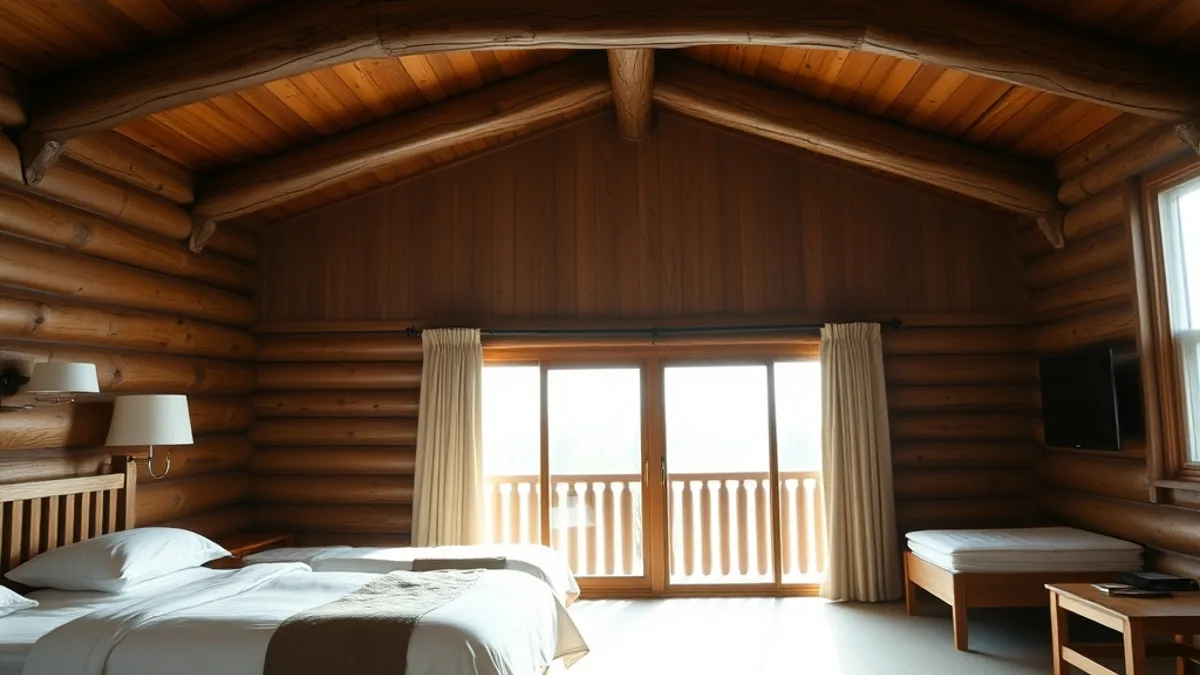
The physical layout of a lodge shapes your trip more than most groups expect. If you want both togetherness and privacy, look for properties with connecting rooms, private wings or the option of a whole-lodge buyout. A private wing lets your group gather for dinner without feeling like you are performing for strangers, while connecting rooms keep families close without sharing a bathroom with the whole party.
Dining capacity is the detail that surprises large groups most often. Some boutique lodges seat fewer guests than their room count suggests, with a single small dining room or a handful of tables. For groups of 10 or more, this can mean split seatings, long waits or meals taken away from the rest of your party. Ask the lodge directly how many guests their dining area seats and how they handle larger parties.
- Ask whether the lodge can seat your entire group at one table or in one area, and whether a private dining room is available for group dinners on specific nights.
- Check whether the kitchen can accommodate dietary needs across a large party at once, since some small lodges plan menus around individual guests and struggle with several restrictions at the same meal.
- Confirm whether activity vehicles and guides are exclusive to your group or shared with other guests, since a shared vehicle changes both the schedule and the atmosphere of a game drive.
- Find out how many simultaneous activities the lodge can run, because a group of twelve may need two vehicles, two boat slots or two guided walks at the same time.
Activities deserve the same scrutiny. Game drives, boat trips and guided walks often cap at 6 to 8 guests per vehicle or guide, so a group of twelve will likely be split across two vehicles or two departure times. Confirm availability for your full group size before you book, especially if you want everyone on the same morning drive or the same sunset cruise. If the lodge cannot take your whole group at once, ask whether they can rotate the schedule so no one misses out on the headline activity.
Wrapping Up Your Group Lodge Plan
Booking a lodge for six or more people only feels overwhelming until you know the rules that apply to groups. Room counts set your status, group rates typically knock 10% to 25% off the standard nightly price, and peak-season trips need 6 to 12 months of lead time. Get those three pieces in place early and the rest of the process becomes manageable.
The financial side deserves the same early attention. Deposits of 25% to 50% and stricter cancellation terms mean your group should agree on room counts and cost-sharing before you confirm anything. Shared lodge houses and clear cost-splitting rules keep the stay affordable and conflict-free, so everyone arrives focused on the trip rather than the bill. If this guide helped you plan a group stay, leave a comment or share it with your fellow travelers.