You booked the dream: a thatched lodge on a river bend, elephants at dusk, dinners under the stars. What nobody mentioned are the unwritten rules that come with it. How far you stand from a buffalo, why your phone stays silent at the dinner table, why you can’t wander back to your tent after dark without an escort. Lodge etiquette and safety are rarely written down anywhere, yet every guide, manager and returning guest seems to know them by heart.
This guide walks first-timers through the whole stay, from booking and packing months before departure to check-in manners, shared dining spaces, wildlife distances, fire and water hazards, and how tipping and staff communication actually work. None of it is complicated, and most of it comes down to common courtesy and a healthy respect for the bush. Learn it before you land, and your first lodge stay will feel less like an exam and more like the holiday you paid for.
Before You Arrive: Booking and Packing Rules That Set the Tone
Good lodge etiquette and safety start weeks before you leave home, with two emails and one honest look at your suitcase. Remote lodges are not hotels you can upgrade into at the desk, and the logistics of getting there shape almost every packing decision you will make.
Book early and mind the luggage limit
The most popular safari lodges sell out first for the peak dry season between June and October, so booking 6-12 months ahead is not excessive, it is standard practice for anyone traveling in that window. If you are set on a specific camp with only a handful of rooms, treat the reservation like a flight booking rather than an afterthought.
Luggage matters just as much. Most lodges reached by light aircraft cap each guest at one soft bag of about 15 kg, and soft-sided really does mean soft: duffel bags squeeze into small cargo pods, while hard-shell suitcases sometimes physically do not fit. Confirm the limit with your operator early, because leaving a suitcase behind at a dirt airstrip is a poor start to any trip.
Pack for the bush, then tell the lodge about you
On game drives, bright colors and white are discouraged because they stand out against the landscape and can spook animals or annoy fellow guests. Neutral shades, closed walking shoes and a headlamp for unlit paths after dark cover most situations. Leave the white linen and the neon running gear at home.
Finally, email the lodge at least a few weeks before arrival with anything staff should know: dietary needs, mobility issues and children’s ages all change how a camp prepares for you. Kitchens in remote locations plan meals around supplies brought in by road or air, so a vegan guest or a toddler in a crib is far easier to accommodate with notice than with a surprise at check-in.
Arrival and Check-In Etiquette at a Wilderness Lodge
Stepping off the vehicle at a wilderness lodge feels different from checking into a hotel, and the etiquette is different too. Lodge culture is deliberately personal: managers and guides introduce themselves by first name, and they expect you to use theirs. Remembering a name takes little effort, but it sets the tone for every game drive, meal and campfire conversation that follows.
Your arrival day will include a welcome briefing, usually over a drink on the deck. Attend it properly, even if you have stayed at similar properties before. Every camp has its own rules about walking between tents after dark, meal times, water safety and where you can wander unaccompanied, and the briefing is where those camp-specific details are explained. Nodding along while checking your messages is how guests end up breaking rules they never actually heard.
A few arrival and departure habits deserve special attention:
- Photography needs permission. Ask before photographing staff or other guests, and treat drone use as off by default unless the lodge explicitly permits it. Drones disturb wildlife and other guests’ peace, and many camps ban them outright.
- Settle your bill the night before. Bar tabs and incidentals are best closed out at check-out the evening before departure, because morning game drives leave at dawn and nobody wants to wrestle with a credit card terminal at 5:30 am.
- Learn the radio and escort routine on day one. Many camps give you a radio or a whistle for emergencies and expect you to wait for a staff escort after dark. Knowing exactly how this works before your first night walk to dinner removes the most common source of first-timer confusion.
None of these habits require experience, only attention. Arrive curious, introduce yourself properly, listen at the briefing, and the rest of your stay will run smoothly.
Shared Spaces: Dining, Lounge and Quiet Hours
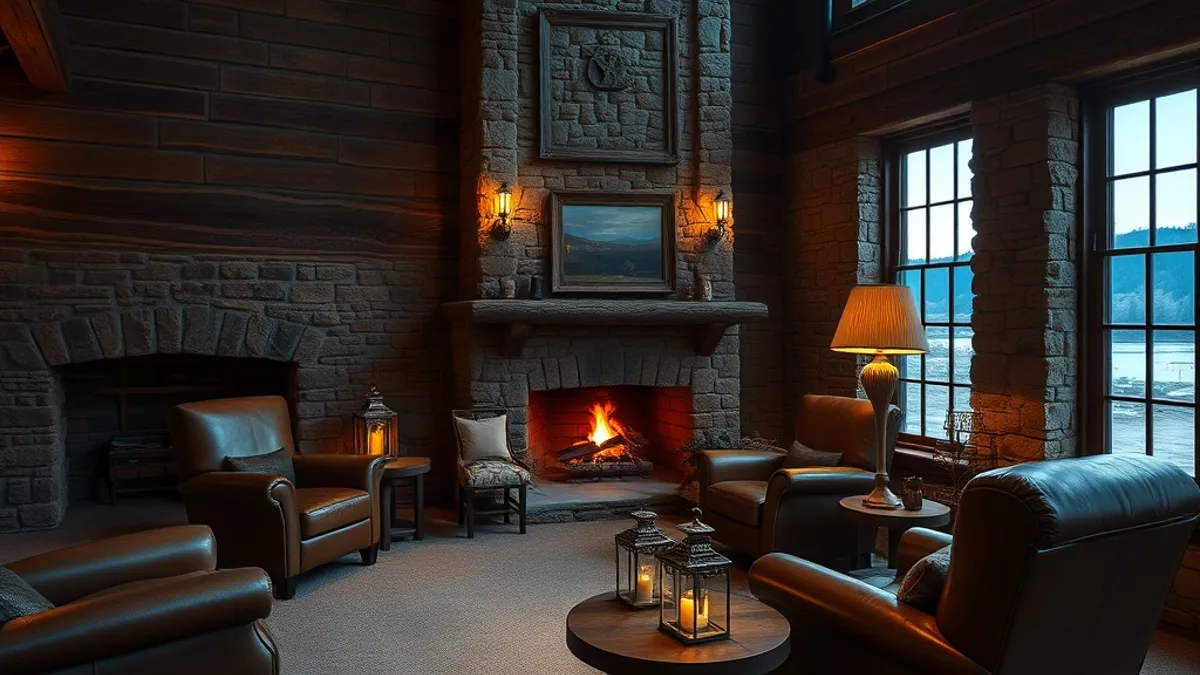
Wilderness lodges run on shared space in a way city hotels never do. The lounge, the fire pit and often the dinner table belong to everyone, and sound travels astonishingly far across open bush and water. Most lodges enforce quiet hours between roughly 10 pm and 6 am, and that is not a suggestion: a loud conversation carries to every tent on the property, along with whatever the hippos in the river think of it.
Dinner is a social event, not a screening
At smaller lodges, shared dinner tables are the norm rather than the exception, and guests swap sightings and stories between courses. Join in rather than retreating to your phone. Nobody expects you to be the life of the party, but scrolling through photos while a retired couple describes their leopard encounter reads as rude. If you truly need alone time, most camps will happily serve you privately in or near your room if you ask.
Phones should be on silent in the lounge and dining area, and calls should be taken back to your room or a designated spot. Wi-Fi at remote camps is often limited anyway, so a connectivity-free dinner is usually a relief rather than a sacrifice.
Communal gear stays communal
It can be tempting to carry a lantern, a cushion or a folding chair back to your tent for reading, but resist. Those items belong to the communal areas, and other guests and staff rely on them being where they belong. A missing lantern from the fire pit becomes a safety issue after dark, not just an inconvenience.
The same logic applies to bookshelves, binoculars and board games left out for general use. Borrow them, enjoy them, and return them before you turn in for the night. Shared spaces only work when everyone treats them as shared, which is the quiet deal you make when you check in.
Wildlife Safety Rules Every First-Timer Must Follow
Wildlife is the whole reason you came, but it is also the reason lodges have strict rules around animals. Camps in unfenced reserves sit inside the animals’ territory, and elephants, buffalo, hippos and predators move through freely at all hours. The staff know these animals and their habits far better than any guest ever will, so treat every rule as non-negotiable rather than a friendly suggestion. If you are still choosing where to stay, reading up on the best hotels for wildlife and safari adventures can help you pick a property with strong guiding standards and clear safety protocols.
- Never walk between camps or around camp after dark alone. Most lodges insist on staff accompaniment at night, and for good reason: hippos, buffalo and elephants regularly graze between tents after sunset. Call your room or radio reception and an escort will walk you, every single time, no matter how short the distance seems.
- Keep at least 25-30 meters from large animals. This distance protects both of you. If an animal changes its behaviour because of your presence, you are too close, so let your guide reposition.
- Keep your voice low on game drives. Loud talking can alter how animals feed, hunt or care for their young, and it spoils the experience for other vehicles at a sighting.
- Follow your guide’s instructions instantly in the vehicle. Stay seated, keep your arms and camera inside, and never stand up suddenly when predators are nearby.
- Store food, toiletries and snacks in the provided containers. Monkeys and baboons can raid an open tent within minutes, and a fed animal often has to be relocated or destroyed.
None of these rules are complicated, but they only work if every guest follows them consistently. Listen closely at your welcome briefing, ask your guide whenever you are unsure, and you will come home with great sightings and no close calls.
Fire, Water and Terrain Hazards Around Remote Lodges
Remote lodges trade convenience for wildness, which means the hazards are ordinary ones made serious by distance. There is no hospital around the corner, so prevention matters far more than usual. The good news is that nearly every incident at a wilderness lodge comes from a handful of predictable causes, all easily avoided with a little attention and a habit of asking before doing.
- Campfires: fires are staff-supervised and typically fully extinguished by 10-11 pm. Never add wood yourself and never leave a flame unattended, as wind can carry embers into dry grass surprisingly fast.
- Drinking water: always ask which water is safe. Most lodges supply filtered or bottled water in rooms and at meals, but streams, plunge pools and taps outside the main area are not for drinking. This applies doubly to ice in drinks at smaller properties; if you are unsure, ask staff rather than guessing.
- Night paths: unlit walkways, uneven ground and single steps are the top cause of minor injuries at lodges. Use the provided torch every time you move at night, watch for animals attracted to the light, and skip the alcohol top-up if your footing is already uncertain.
- Insects and small creatures: at jungle and rainforest lodges, shake out shoes and clothing before dressing and never touch frogs, caterpillars or brightly coloured insects, however photogenic they look. A quick check of bedding and towel folds takes seconds and saves discomfort.
It also helps to know where your nearest staff member is at any time of day. Camps are small, and managers genuinely want to answer questions about water, walks and wildlife, so asking twice is never an inconvenience. If you plan a self-guided stroll during daylight hours, ask which paths are safe and whether you should carry water or a radio. A few minutes of caution covers almost everything: ask questions at check-in, use your torch after dark, and let staff handle fire and water, so the only stories you take home are the good ones.
Tipping, Staff and Communication Etiquette
Tipping without the guesswork
Tipping at remote lodges confuses almost every first-timer, so plan for it before you travel. A sensible budget is roughly 10-15% of your stay, set aside in small-denomination cash. Many lodges run a communal tip box that is shared among all staff, including the cooks, housekeepers and maintenance crew you rarely see. If a box is provided, use it, since those behind-the-scenes team members depend on it most.
Guides are usually tipped individually. If a guide made your trip special, hand the cash directly to them at the end of your stay, ideally with a brief thank-you. A handwritten note alongside the tip is remembered long after the amount is forgotten.
Handling problems and respecting boundaries
If something is wrong with your room, your meals or a game drive, tell the manager immediately rather than saving it for a review. Remote lodges can usually fix issues on the spot, whether that means a heater, a dietary swap or a different seat in the vehicle. Managers genuinely want that chance.
Finally, respect staff as professionals. Their off-duty time is their own, so do not request personal contact details or social media follows unless they offer. Warm, friendly rapport is part of lodge life; boundaries are part of it too. Handle tipping and communication with the same courtesy you would show a host in their own home, and the whole team will go out of its way for you.
Your First Lodge Stay, Done Right
That dream wilderness lodge booking comes with unwritten rules, and now you know them. Good preparation, from the 15 kg soft-bag limit to booking 6-12 months ahead for peak season, removes most first-timer friction before it even starts. A quick email about dietary needs and a packed headlamp do more for your stay than any upgrade.
Once you arrive, respect carries the rest. Quiet hours, shared dinner tables and staff boundaries make the communal lodge experience better for everyone, while wildlife distances, night escort rules and fire protocols keep you safe where help is far away. With etiquette handled, you are free to focus on dawn game drives and the reason you came. If this guide helped you, leave a comment or share it with a fellow first-timer.