Here’s a frustrating pattern I hear from readers every year: they book a gorgeous lodge based on the photos, the infinity pool or the price, arrive full of hope, and then spend three days wondering where all the animals went. The problem is rarely the guide or the reserve. It’s the lodge location wildlife viewing equation, which most travelers never think about until it’s too late.
Where you sleep determines which animals pass by, how long you spend actually watching them, and whether you see anything at all from your deck. In this article, I’ll walk through the factors that matter most: why water access shapes sightings, how private concessions compare to park gate lodges, what jungle settings demand, how terrain and sightlines work, and how to match your booking to the season. I’ll also cover balancing location against budget and comfort, then pull it all together so you can choose your lodge with confidence.
Why Lodge Location Wildlife Viewing Success Depends on Water
Water is the single strongest predictor of how much wildlife you’ll see without leaving camp. Lodges set on rivers, permanent waterholes or floodplains work like natural viewing blinds: animals can’t choose whether to visit, because they must drink every day. That means the action comes to you, often several times a day, whether you’re eating breakfast or reading on your deck.
This advantage peaks during the African dry season, roughly June to October in East and Southern Africa. As seasonal puddles and streams dry up, the remaining water sources draw in everything from elephant herds to antelope and the predators that follow them. A well-placed waterhole lodge can produce hours of sightings right from the deck, with no game drive required. Some guests honestly struggle to leave the viewing area because the waterhole is busier than the bush.
What changes in the wet season
When the rains arrive, that concentration effect disappears. Water collects in scattered pools across the landscape, so animals spread out and no longer need your river or waterhole. Riverside lodges lose their main draw during these months, and game drives become far more important for finding wildlife. Ask any lodge how its sightings shift between seasons before you book, because the same property can be spectacular in October and quiet in January.
Private Concessions vs Park Gate Lodges
One of the biggest decisions in safari planning is whether to stay inside a private concession or at a lodge near a public park gate. Concession lodges operate on private reserve land with far fewer restrictions. They can run night drives, drive off-road to follow a leopard into thick bush, and offer walking safaris. That multiplies the types of encounters you’ll have, and some of the best sightings happen after dark or on foot, things you simply can’t experience in most public parks.
The gate queue problem
Lodges just outside a public park gate face a daily bottleneck. In high season, queues at popular gates commonly run 30-60 minutes, which means you lose one to two prime viewing hours every day while animals are most active at dawn. By the time you reach good habitat, the lions may already be settling into the shade. If you’re comparing properties, a villa-style option such as the ones described in this South Africa safari villa guide shows how different the experience can be when access is built in.
What you’ll pay for each
That access comes at a price. Concession stays typically run $1,000-2,000+ per person per night, while gate-area lodges commonly cost $350-800. If your budget points you toward the gate, leave before official opening time and accept the queue as part of the deal. If sightings are your priority, the concession premium often buys more actual animal time per day than any upgrade inside the lodge itself.
Rainforest and Jungle Settings: Proximity vs Access
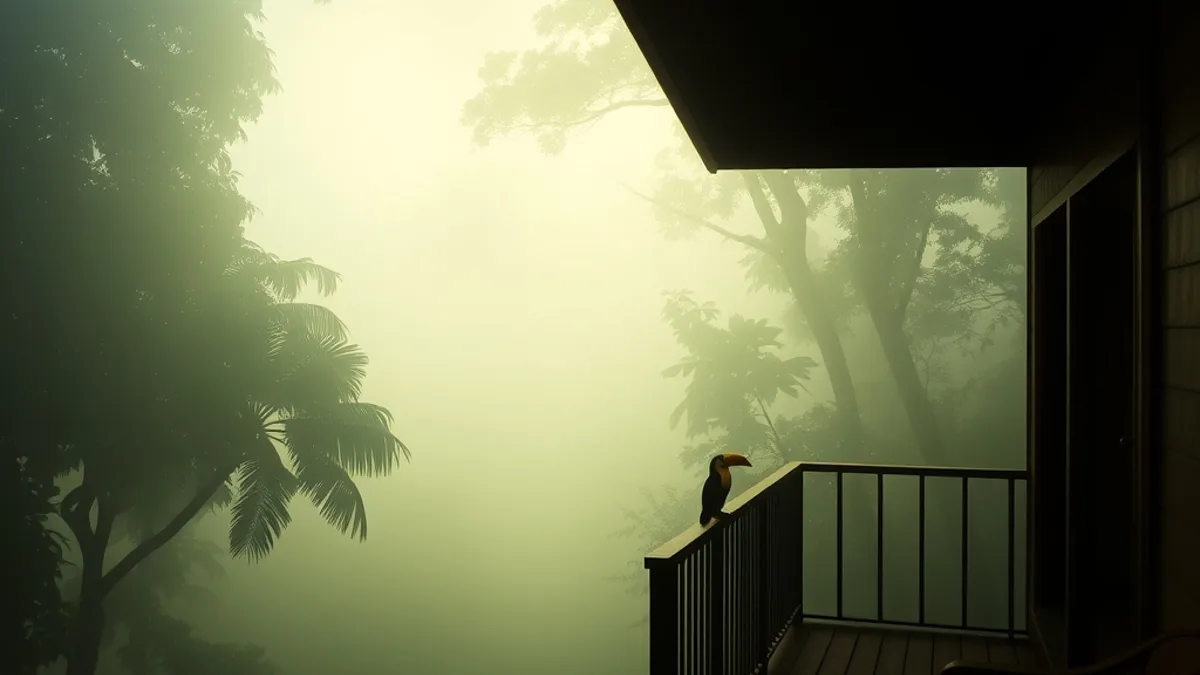
Jungle lodges play by completely different rules than safari camps. In dense rainforest, most animals hide from you rather than graze in plain sight, so how you explore matters more than where you sleep. Lodges deep in the forest consistently deliver more species on guided dawn and dusk walks than on self-guided daytime trails. A good guide hears an unmarked call or spots fresh tracks and turns an ordinary stroll into a series of encounters; wandering alone at midday, you’ll mostly see the forest, not its residents.
Access is the other half of the equation. River-access jungle lodges add boat safaris to your options, and on the water you cover far more ground quietly. Boats are often the best way to spot caimans basking on banks, macaws flying between roosts, and monkeys moving along the riverine trees. Properties like the one featured in this Anavilhanas Jungle Lodge write-up from Brazil show how river and forest access combine in practice.
Room choice matters more in the jungle
Where you sleep within the lodge also changes your tally. Canopy-level or riverside rooms can double your casual sightings without you ever leaving your deck, because you’re positioned at eye level with monkeys and birds or above a busy waterway. Before booking, ask about:
- Whether the lodge offers guided walks at first light and again at dusk, since many nocturnal and shy species only move then
- If boats are included in the rate or billed as an extra excursion, since river safaris can be the highlight of the stay
- Which room categories face the river or sit at canopy height, and whether those views are worth the upgrade
Terrain, Elevation and Sightlines
Location alone does not guarantee sightings, but the terrain around a lodge sets a hard ceiling on how much wildlife you can physically see. A lodge positioned on open savanna or a floodplain can offer sightlines stretching roughly 1-3 km, letting you spot giraffes, zebras or a distant coalition of cheetahs without binoculars. Dense forest works the opposite way: even a few tens of meters of thick vegetation can swallow an elephant whole, so the same Animals may be present yet effectively invisible.
Elevation compounds the advantage. Lodges built on ridges or rocky kopjes let you scan wide areas from your deck, which is especially productive for predators at dawn. Lions and leopards tend to be most active in the first hour or two of light, and a high vantage point lets you watch movement across the whole landscape instead of waiting for an animal to walk past your room.
Design that turns waiting time into viewing time
The best-placed lodges also think about how guests spend idle hours. Sunken blinds at water level, purpose-built hides and waterhole-facing decks mean that an hour between game drives becomes part of the safari rather than a gap in it. When comparing lodges, look closely at what the rooms and common areas actually face, not just at the reserve on the map.
Matching Location to Season and Migration Timing
Timing changes everything about which lodge location will perform best. A riverside position that produces nonstop action in the dry months can go quiet once the rains arrive and animals scatter across the landscape, so it pays to match both your booking window and your lodge choice to the calendar before you commit a deposit.
- Book dry-season water spots early. Waterhole and river lodges hit their stride in the dry season, roughly June to October across East and Southern Africa, when thirsty animals must visit daily. The best-facing rooms at these properties typically need 9-12 months of lead time, so reserve as far ahead as your plans allow.
- Consider the shoulder months for flexibility. November and the March-April period usually bring lower rates, fewer vehicles crowding each sighting and a shorter planning horizon of about 3-6 months. Wildlife is more dispersed then, so weigh the savings against the concentration you would enjoy at peak.
- For migration regions, follow the herds. Choose a great migration camp by where the herds are expected in your specific travel month, not by the generic park name. Two lodges in the same reserve can sit hours apart from the animals depending on when the rains fall and how the herds move.
Work through these steps in order and the right booking window usually becomes obvious before you shortlist a single property. Check current seasonal patterns with your operator, since rainfall varies from year to year and herd movements shift with it. That simple sequence prevents the most common and costly mistake: locking in a beautiful lodge months too late, in a location that peaked two months before you arrived.
Balancing Location Against Budget and Comfort
It is tempting to assume that the priciest lodge delivers the best safari, but wildlife does not care about thread counts. A modest, well-situated property on a productive waterhole or river will usually beat a luxury lodge in a poor setting, so put location at the top of your priority list and let stars and design come second.
Location-only rates can also be deceptive. Some lodges quote an attractive nightly price, then add game drives, guiding and park access on top. Depending on the property, these extras can add $100-300 per person per day, which is why an all-inclusive rate often compares better than it first appears.
Before you book, take twenty minutes to dig into what recent guests actually experienced:
- Look for reports describing sightings from the lodge itself, not just inside the reserve, since this reveals whether the deck genuinely earns its keep.
- Check reviews from the same months you plan to travel, because a lodge that shines in the dry season can be quiet in the wet.
- Read comments on guide quality and vehicle numbers, since six vehicles at one sighting changes the experience as much as the sighting itself.
- Verify whether drives, park fees and guided walks are included in your quoted rate or billed separately.
A reserve’s reputation tells you what is possible in the area. Guest reports tell you what actually walks past that specific deck, and the difference between the two is where many safari budgets are won or lost.
Choosing Your Lodge Location with Confidence
Most travelers book a lodge because the photos look beautiful or the nightly rate fits the budget, then arrive and wonder why the animals never show up. The truth is that location, not thread count or price, is the single biggest factor in how much wildlife you will actually see. Water access, concession rules, terrain sightlines and the season of your visit work together to decide whether your deck becomes a front-row seat or an empty one.
So plan in this order: match the location type to the animals and experience you want, confirm the season lines up, then book accordingly. For dry-season waterhole and concession lodges, aim to reserve roughly 9-12 months before your trip, since the best-positioned rooms go first; shoulder-season trips are usually easier to arrange at 3-6 months out. Let design and price come second. If this helped you plan a trip, leave a comment or share the article with a fellow traveler.