Waking up to crisp mountain air and a wall of peaks outside your window is the dream — but many travelers hesitate when it comes to mountain glamping. Will the tent be freezing at night? Is the site actually near the trails, or just marketed that way? And which region or season gives you those wide-open alpine views without the crowds and the guesswork?
This guide answers those questions before you book. We compare glamping to a standard alpine hotel, tour the best regions from the Alps to the Rockies, and break down which stay type — tent, dome or cabin — suits your dates. You’ll also learn when to reserve for high season, how to spot a genuinely great site, and what to pack so nights stay comfortable. By the end, you’ll know exactly how to match your comfort level, budget and travel window to the right mountain stay.
Why Mountain Glamping Beats a Standard Alpine Hotel
The biggest difference between mountain glamping and a standard alpine hotel comes down to one thing: the wall between you and the landscape. In a hotel, you look at the mountains through glass from behind a facade. In a well-placed safari tent or geodesic dome, canvas and panoramic windows put you directly inside the scene — you hear the wind, smell the pine and watch the light shift across the peaks from your bed.
Quieter air, fewer neighbors
Most mountain glamping sites are deliberately small, typically hosting between 5 and 15 units. That scale changes the whole atmosphere. Instead of a resort town’s traffic, tour buses and lobby noise, you get birdsong, meadow paths and air that genuinely tastes different at elevation. Many sites sit on private terraces or high meadows where the nearest neighbor is out of sight.
Comfort without the luxury-hotel price tag
There’s also a practical argument. Rates for mountain glamping typically run from $150 to $600 per night depending on the comfort level, and at the upper end you often get real beds, heating and en-suite bathrooms — the same features a luxury alpine hotel charges considerably more for, minus the spa you may never use. If your priority is the view and the fresh air rather than a concierge desk, glamping frequently delivers more of what you came for at a lower price. Check current rates directly with operators, as they shift by season and demand.
The Best Regions for Mountain Glamping with Alpine Views
Not all mountain ranges deliver the same glamping experience, and the differences go beyond scenery. Elevation, season length and nightly rates vary widely, so it pays to match the region to what you actually want from your trip — glacier panoramas, jagged limestone spires or a longer booking window for less money.
The Swiss and Austrian Alps are the classic choice, with high-elevation sites typically sitting between 1,500 and 2,500 meters. From many terraces you can watch glaciers and snow-capped ridgelines from breakfast, and villages like Andermatt show how refined alpine hospitality can be. If you want a taste of that standard, indulge in alpine grandeur at The Chedi Andermatt, Switzerland, then compare it with what a high-altitude dome offers for a fraction of the price.
The Dolomites bring a different kind of drama: pale limestone towers rising straight out of green meadows. Camps here generally operate from June to September, when the passes are open and the meadows are at their best.
- Swiss and Austrian Alps: Many sites are reachable by cable car or mountain railway, so you can arrive without a car and hike straight from your tent.
- Dolomites: The short summer window means the best meadow sites fill fast, so early reservation matters more here than almost anywhere else.
- Rocky Mountains: North American operators often run longer seasons than their European counterparts, and nightly rates tend to sit at the lower end of the typical range.
- Pyrenees: The range straddles France and Spain, letting you pair a mountain stay with Basque or Catalan food culture within a short drive.
If a longer season and gentler prices appeal to you, the Rockies and the Pyrenees are the practical picks — you trade some of the Alps’ glacier drama for flexibility and value. Whichever range you choose, check current access and opening details with the operator before booking, as mountain sites can adjust their seasons year to year.
Choosing Your Stay Type: Tents, Domes and Cabins
The stay type you choose matters more in the mountains than it does at sea level, because altitude changes everything about how a structure performs. A tent that feels romantic in July can be miserable on a cold, wet September night. Match the structure to your dates and you’ll enjoy the views without shivering through them.
Safari-style tents are the classic summer option. They suit stays from June to September, when warm days make canvas walls a pleasure rather than a liability. The trade-off is insulation: these tents offer very little of it, so they’re best treated as fair-weather accommodation.
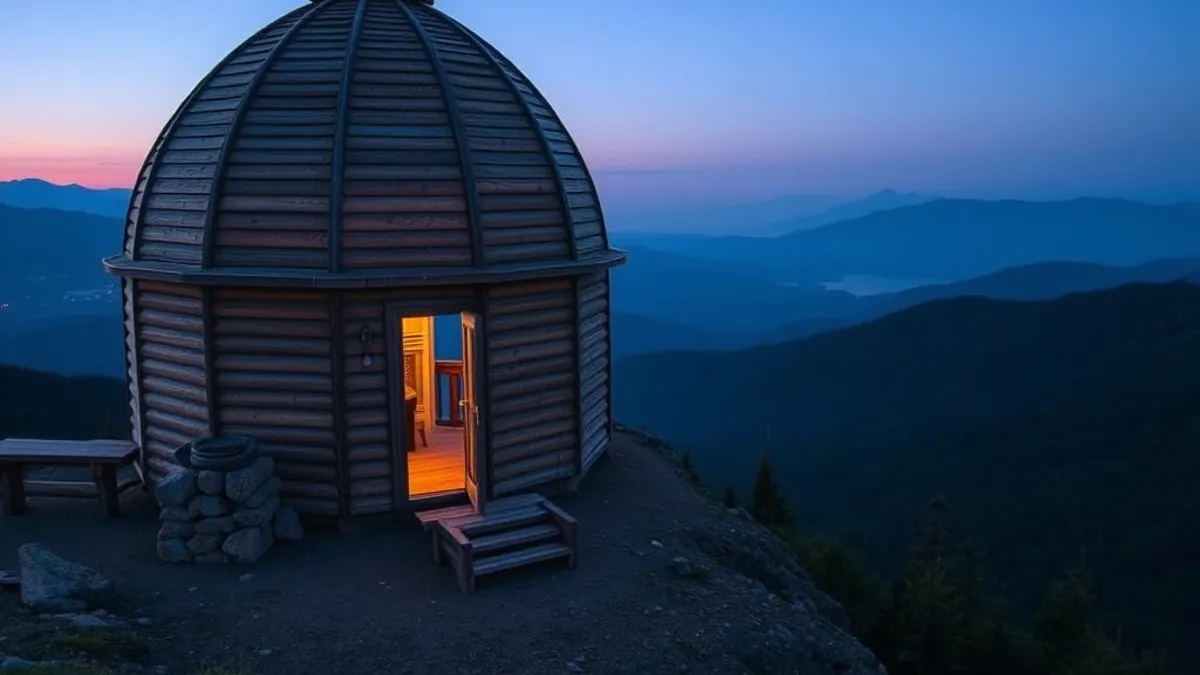
Geodesic domes are the shoulder-season workhorse. With a wood stove running, a dome handles nights below 10°C at 2,000 meters comfortably — you fall asleep warm while the temperature drops outside. For trips that stretch into the snow season, only winterised cabins and heated domes are built to operate year-round, so don’t book anything else for a winter trip.
- Safari tents: Mesh panels and roll-up sides give excellent airflow on hot July afternoons — a genuine advantage over sealed hotel rooms.
- Geodesic domes: The curved shape sheds wind and light snow well, and clear window panels let you watch the weather from bed.
- Winterised cabins: Solid walls, proper insulation and often a small kitchen make these the most self-sufficient option for multi-night snow-season stays.
- Heated domes: Confirm before booking whether the heat source is a wood stove you feed yourself or an electric or gas system, since it changes how the site operates in deep winter.
Whichever type you pick, ask the operator directly about heating and insulation for your travel dates. A good site will answer clearly; a vague answer is its own warning sign.
When to Book and When to Go
Mountain glamping sites are small — often just a handful of tents, domes or cabins on a meadow or terrace — so the units with the best views are genuinely limited. For a July or August trip, reserve 3 to 6 months ahead. That is especially true for domes and safari tents positioned directly facing a glacier or a jagged ridgeline; by late spring, those tend to be gone.
If your dates are flexible, aim for the shoulder seasons instead. May and late September deliver noticeably lower rates, thinner crowds and still-reliable alpine weather. Meadows are green, skies are often clear in the mornings, and you can watch sunrise over the peaks without a single other guest in your photos. Many operators drop prices meaningfully during these windows, so it pays to compare the same site across two different months.
Windows to avoid
Early spring and November are the tricky gaps. Many high-elevation sites close between seasons — winterised units shut down after the snow melts, and summer tents are not yet pitched. Before you commit to dates in these windows, confirm directly with the operator that the site is actually open, rather than discovering a closure after you have booked flights.
How to Spot a Genuinely Great Mountain Glamping Site
Not every “luxury glamping” listing lives up to the photos, and in the mountains the difference between a great site and a disappointing one comes down to a few practical details. The good news: these are all things you can check before you pay a deposit.
Start with elevation. The best glamping sites sit between 1,200 and 2,500 meters, high enough for open views across valleys and peaks and for genuinely cool, fresh air at night. Sites lower down often trade mountain panoramas for tree cover, which is fine for a forest break but not what you came for.
Next, scrutinize what “luxury” actually includes. At boutique prices, you should expect real beds with proper mattresses, a heat source and an en-suite bathroom or at least a private one steps away. A shared wash block and thin camping mattresses are fine at a campsite price — not at a boutique one. Ask the host directly what the bathroom situation is; listings often bury this detail in the fine print.
- Orientation: Open a map and check which way the terrace faces. West- or south-facing units catch sunset light spilling over the peaks, while a north-facing deck can sit in shadow by late afternoon.
- Surroundings: Look for sites set on open meadow or a ridge rather than dense forest, so the view is not blocked by a single line of trees.
- Access: Check whether you drive to the door or hike in with your bags — a 20-minute uphill walk with luggage changes what “remote” feels like.
- Reviews: Read recent guest reviews with the season in mind. A glowing summer review may say nothing about how the tent handles a cold, wet night, which matters if you are traveling in the shoulder season.
Finally, confirm what is actually included in the rate: breakfast, bedding, firewood or a heated blanket can all be add-ons. A short message to the host before booking clears up most surprises and tells you a lot about how they treat guests.
Packing and Comfort Tips for Alpine Nights
Alpine evenings surprise first-time glampers every summer. Even in July and August, night temperatures at 2,000 meters can drop below 10°C — a sharp contrast to the warm afternoon you hiked in. The fix is simple: pack in layers you can add and shed as the day swings from midday sun to chilly dark.
Think in three layers. A t-shirt for the daytime, a warm mid-layer for the evening on the deck, and something seriously warm for sleeping and stargazing. Most quality sites provide proper bedding and extra blankets, but a light down jacket is the single most useful item you can bring — it doubles as a pillow-top on cold nights if needed.
Footwear and evenings outside
Bring closed shoes, not just sandals. Grass on an alpine meadow stays damp with dew well past breakfast, and pre-breakfast walks — arguably the best hour of the day, with soft light and empty trails — need dry, warm feet. The same shoes work for evening stargazing, when you will want to linger outside far longer than you planned.
If you are traveling in May or September, add one more request when booking: ask for a unit with a wood stove or a heated blanket. Shoulder-season nights are colder than high summer, and a crackling stove turns a brisk evening into the coziest part of the trip. Most operators are happy to assign their best-heated units if you simply ask ahead of arrival.
Your Next Step into the Mountains
Mountain glamping solves the dilemma we started with: you get crisp alpine air and panoramic views without giving up a real bed, heating, or a proper bathroom. With rates typically between $150 and $600 per night, it can even cost less than a standard alpine hotel at a similar comfort level.
The recipe is simple. Pick your region first, then match the stay type to your season — a safari tent for summer, a dome or winterised cabin for colder months. For the most popular summer sites, book 3 to 6 months ahead to secure the best views. If you’ve stayed somewhere memorable, or you’re still deciding between regions, leave a comment or share this article with a fellow mountain lover.