Booking an all-inclusive resort should feel simple, yet most travelers hit the same snag at checkout: the resort offers a standard package, a premium package and sometimes a luxury tier above that, and it is hard to tell whether the upgrade genuinely adds value or just inflates the bill. All-inclusive tiers bundle very different levels of dining access, drink quality, room category and service behind similar-sounding names, so the difference is rarely obvious from the brochure.
This guide breaks down how all-inclusive tiers are structured, what upgraded packages actually add to your dining and drinks, and how room upgrades and butler service work in practice. It also covers the bundled extras like spa credits and excursions, explains when the premium tier is worth the extra cost, and shares practical tips for booking a higher tier at the best price. By the end, you will be able to run the numbers against your own habits and decide with confidence.
How All-Inclusive Tiers Are Structured
Most all-inclusive resorts sell three to five package tiers, and while the names vary, the pattern is remarkably consistent. You will commonly see bronze, silver and gold labels, or standard, premium and luxury wording, with each step up adding a layer of inclusions. Some larger resorts go further, splitting the top end into two levels so guests can choose between a room upgrade alone and a room upgrade plus personal service.
What each tier actually bundles
The key thing to understand is that a tier is not a single add-on but a bundle. Each level packages together your room category, access to restaurants, the quality of spirits and wines included, and the level of service you receive, all rolled into one nightly price. That is why comparing tiers requires looking at the whole picture rather than one feature, such as the room size, in isolation.
The financial side matters just as much. The gap between adjacent tiers is usually $100–$250 per night, which means the real decision is per-stay math, not a single fee. On a seven-night trip, that gap becomes $700–$1,750 per couple, a sum you should weigh against what you will realistically use. Entry-level tiers typically run $300–$500 per night per couple in the Caribbean and Mexico, so the upgrade can represent a significant share of the total bill. Before booking, list the inclusions you would genuinely use each day and compare that against the nightly difference.
Dining and Drinks: What Upgraded Packages Add
Dining is where the difference between tiers shows up first. On base packages, many resorts restrict guests to a limited number of à la carte dinners, often 1–3 booked dinners per week, with reservations required and popular venues filling up fast. Premium tiers typically remove those limits, opening all restaurants without bookings so you can walk into the teppanyaki room or the steakhouse on a whim.
Drinks follow the same pattern. Base packages usually pour house-label spirits and wines, while premium drink packages include top-shelf brands and wines priced $50–$150 per bottle at retail. If you know your way around a good rum or a decent cabernet, that difference is noticeable within the first evening.
- 24-hour room service: higher tiers typically extend room service around the clock, so a late arrival or a 2 a.m. snack does not mean a vending machine or nothing at all.
- Premium minibar restocking: upgraded packages usually stock the in-room minibar with named-brand beers, wines and snacks, restocked daily rather than once at arrival.
- Specialty venues: top tiers often unlock chef’s-table dining with a set tasting menu, or show-cooking spots like teppanyaki stations that base guests may only access with a scarce reservation.
Ask the resort for the exact restaurant list attached to each tier before you book. The number of venues and the booking rules vary widely between brands, and the difference between two and unlimited dinners per week shapes your whole stay.
Room Upgrades and Butler Service
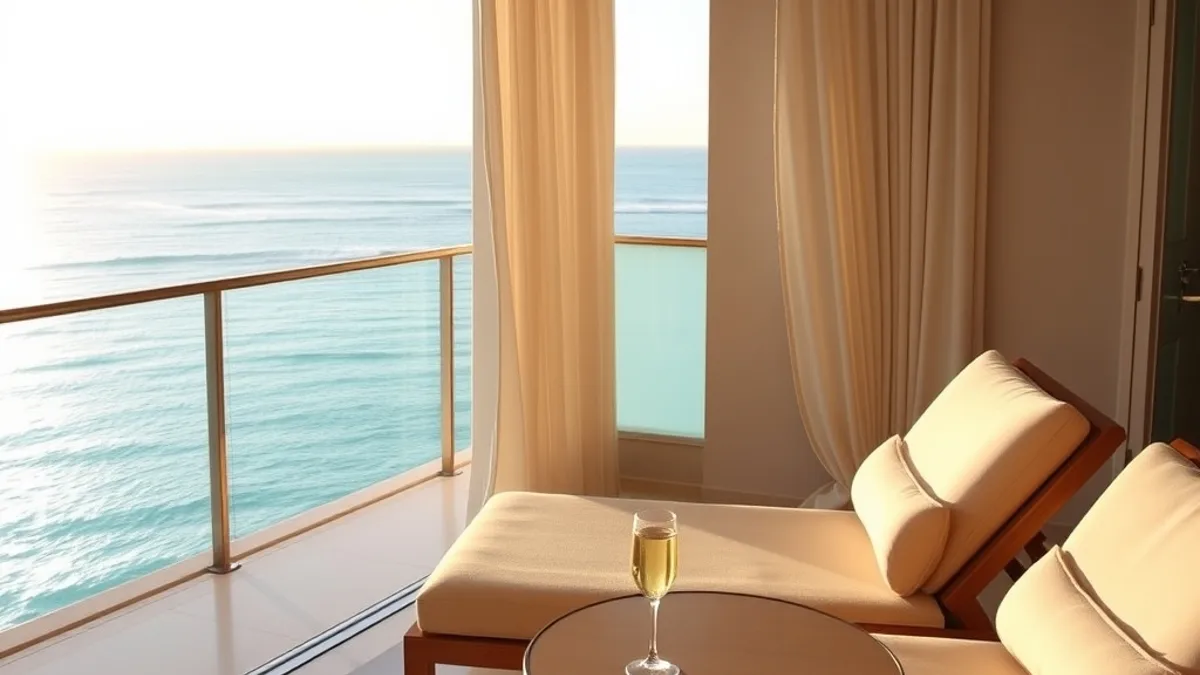
The most visible part of any premium tier is the room itself. Upgraded packages unlock categories that base guests cannot book, and these are often the rooms worth having: swim-out suites with direct pool access from your terrace, oceanfront penthouses with large balconies, or overwater bungalows in destinations that offer them. If location and space matter to you, the tier system is frequently the only route into these categories.
What butler service really covers
At the top of the ladder, resorts add dedicated butler service, typically with one butler per 4–8 rooms. In practice, a butler handles your dinner reservations, arranges in-suite dining, packs and unpacks luggage, and generally acts as a single point of contact for anything the front desk would otherwise juggle. It sounds indulgent until you realize how much queueing and back-and-forth it removes from a week away.
Butler-served rooms usually come with a set of quieter perks attached: priority check-in so you skip the lobby line after a long flight, daily afternoon canapés delivered to your suite, and complimentary laundry service. None of these alone justifies an upgrade, but together they change the rhythm of the trip. If you are celebrating something specific or staying a full week, ask the resort exactly which room categories and which service perks sit within each tier, since the boundaries differ from one brand to the next.
Spa Credits, Excursions and Included Extras
Spa and activity credits are where upgraded packages quietly earn their keep. Base tiers often include a small spa allowance, typically capped at $50–$100 per stay, which may barely cover a single massage at most resort spas. Premium tiers usually raise that to $150–$300, enough for one or two proper treatments without touching your wallet. If you already plan a couples massage or a facial on every trip, that credit gap alone can cover a meaningful slice of the nightly upgrade cost. Check whether credits apply to the full menu or only select services, since some resorts restrict them to basic treatments.
The same logic applies to activities. On base packages, many of the fun extras are either excluded or priced individually, and those charges add up fast over a week. Higher tiers tend to bundle them in, so you can fill your days without approving every charge to your room. Look at what your specific resort includes, since bundles vary widely between brands, and check the current inclusions before you book.
- Non-motorized water sports: kayaks, stand-up paddleboards, Hobie Cat sailing and snorkeling gear are often free at higher tiers, while base guests may pay per session or per hour.
- Sunset catamaran cruises: some premium tiers include one group cruise per stay, often the most popular excursion on the activities calendar, so reserve your spot early in the week.
- Off-site excursions: a higher tier may cover one guided trip per stay, such as a snorkeling outing or a local tour, which base guests book as a paid extra.
- Airport transfers: premium tiers frequently include round-trip private or shared transfers, a convenience that saves you arranging a taxi or shuttle on arrival.
- Golf and scuba: some resorts bundle green fees or a scuba session into top tiers, items that base guests commonly book as paid extras, so price them separately before deciding on a tier.
When the Premium Tier Is Worth the Extra Cost
The honest answer depends on how you actually spend your days. If you like dressing up for an à la carte dinner every night and you drink top-shelf cocktails rather than house-label pours, the premium uplift often pays for itself. Between specialty restaurant surcharges, wine upgrades and premium minibar items, base-tier guests can easily rack up a comparable amount in incidental charges over the course of a week.
Length of stay matters too. Butler service and reservations-free dining deliver the most value on stays of seven nights or longer, when you have more dinners to book and more logistics to hand off. During peak season, which runs from mid-December through April, the most popular venues at larger resorts can book out days in advance, so the ability to walk into any restaurant without a reservation is a genuine perk rather than a nice-to-have.
Families should run a different calculation. If you travel with young children, a butler who handles dinner reservations, snack runs and nap-time logistics can be worth the upgrade on its own, while swim-out suites make pool days far easier with toddlers. Couples celebrating a honeymoon or anniversary, on the other hand, often get the most out of bundled extras like spa credits and private dinners.
When the base tier makes more sense
Short trips change the math. On a three- or four-night stay, you might eat at the buffet twice and skip the spa entirely, which means most premium inclusions go unused. Shoulder-season months like May and November also soften the argument for upgrading, since rates run 15–25% lower and resorts are quieter, so even base-tier guests tend to get better tables, faster service and easier spa appointments. In those conditions, staying at the base tier and paying for one or two specific extras you actually want is usually the smarter spend.
Booking a Premium All-Inclusive Tier at the Best Price
Premium tiers are rarely discounted the way room rates are, but there are reliable ways to shrink that $100–$250 per night gap. Since entry-level packages in the Caribbean and Mexico already run $300–$500 per night per couple, the upgrade decision can feel steep. The key is to treat the upgrade as a purchase you can time, compare and negotiate rather than a checkbox you tick at booking.
- Book four to six months ahead. This window typically secures the best premium-tier rates, with savings of 20–30% compared with peak-season walk-up pricing. Resorts open their promotional inventory early, and the best-value premium allocations go first, especially for stays in peak season from mid-December through April.
- Price the upgrade against add-ons. Total up what you would realistically spend on the base tier: paid specialty dinners, premium drink upgrades, transfers and spa treatments beyond the usual $50–$100 base credit. If that figure approaches the nightly tier gap, the upgrade is cheaper. Also ask about pre-arrival upgrade offers, since resorts often sell the same upgrade for less before you arrive than they do at the front desk.
- Hunt for resort credit promotions. Many resorts run offers that bundle a credit amount per stay instead of cutting the nightly rate. Applied against spa treatments, private dinners or excursions, that credit effectively discounts the premium tier without ever appearing as a price cut. Compare these offers across booking channels, as the same resort sometimes runs different promotions at different times.
One last habit worth building: recheck your booking a few weeks before departure. Upgrade offers and credit promotions do appear after booking, and a polite email to the resort asking about current upgrade pricing sometimes lands a better deal than the rate you originally locked in. If you are traveling in the shoulder months of May or November, when rates run 15–25% lower, resorts can be especially open to filling premium inventory. Just make sure any offer you accept is confirmed in writing before you pay anything, and double-check what the new rate actually includes so you can compare it fairly against your original package.
Wrapping Up the Tier Decision
So does a higher all-inclusive tier genuinely add value, or does it just inflate the bill? The answer comes down to what the tiers actually change: dining access, drink quality, room category, butler service and bundled credits. If you would use reservations-free à la carte dinners, top-shelf spirits, a better room and spa credits anyway, the premium tier gap of $100–$250 per night can be money well spent. If not, the base package often covers everything you would realistically use.
The clearest way to decide is to weigh the tier math per stay against your actual dining, drinking and spa habits, then book 4–6 months out to lock in the best rate. Do that, and the upgrade question answers itself. If this helped you sort out your own tier decision, leave a comment or share the article with a fellow traveler.