Choosing between private vs shared lodge experiences trips up more travelers than almost any other booking decision. You know roughly where you want to go, but the question of whether to pay a premium for the whole lodge or share facilities and game drives with other guests can swing your budget and your enjoyment of the trip in very different directions.
This guide walks through both options in detail: what private lodge experiences actually include, what shared lodges offer, and when the price premium pays off. We also compare privacy and wildlife viewing, help you match lodge style to your travel personality, and share booking strategy and timing tips for both types. By the end, you should be able to choose your lodge style with confidence rather than guesswork.
What Private Lodge Experiences Actually Include
Exclusive-use booking means exactly what it sounds like: your party gets the entire lodge to yourselves. That covers the pool, the dining area, the lounge and the grounds, with no other guests sharing any part of the property during your stay. For families with young children or groups who want to relax without worrying about noise, this level of privacy changes the whole feel of a trip.
A private lodge also comes with a dedicated team. A private chef, a guide and housekeeping staff work only for your group, and they tailor schedules, menus and activities to your preferences. If half your group wants an early game drive while the others sleep in, that is simply how the day goes.
Your schedule, your rules
Flexible daily timing is one of the biggest practical differences. Game drives, meals and downtime all run on your clock rather than a fixed lodge schedule. Photographers can leave before dawn light, families can push dinner later, and nobody has to compromise with strangers over breakfast times.
Before you book, keep two practical points in mind. Exclusive-use lodges typically require a 2-4 night minimum stay, and rates usually run roughly 30-60% higher per person than shared options in the same region. Check current minimums and pricing with the lodge or your operator, as both can shift by season.
What Shared Lodge Experiences Offer
Shared lodges bring a completely different energy to a stay. These properties typically host 8-20 guests per activity vehicle or guided outing, which creates natural group energy that many travelers find is half the fun. You swap sightings, compare photos and celebrate a leopard sighting together rather than alone.
The social side of sharing
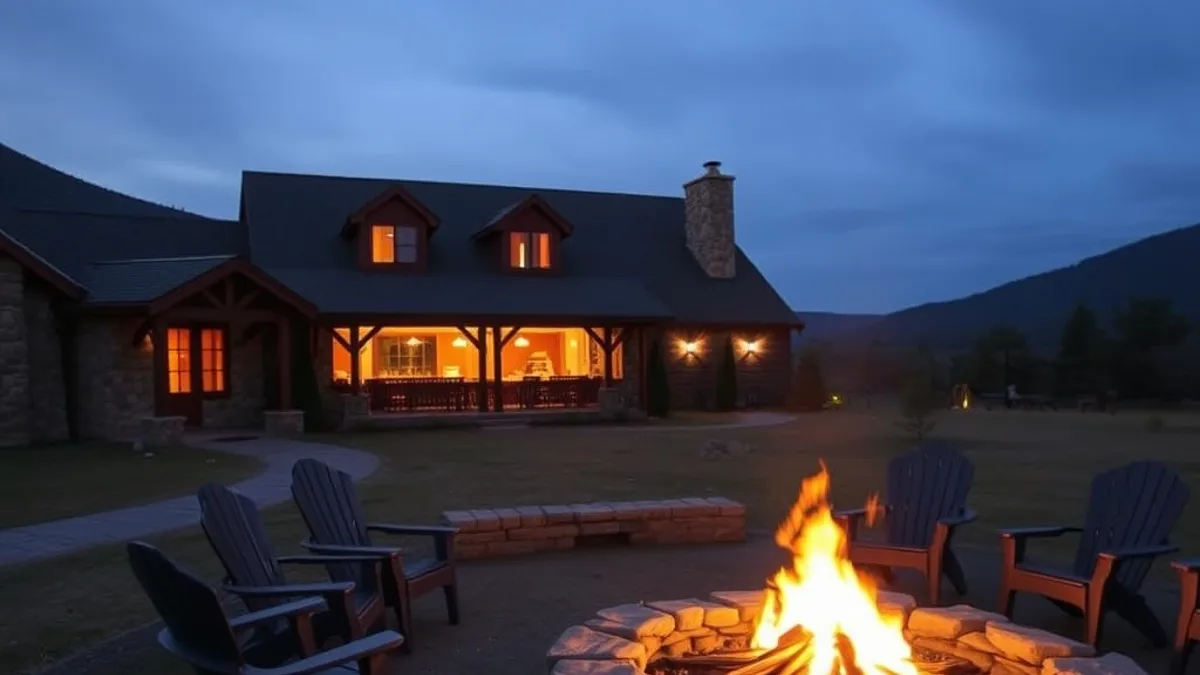
Communal dinners and evening fire-pit gatherings are a core part of the shared lodge experience. For solo travelers and couples, they are an easy way to meet like-minded guests without any effort — the stories from the day’s drives do the icebreaking for you. Many long-term travel friendships start around a fire after a good day in the bush.
Fixed activity schedules and set meal times keep the stay structured and simple. You do not have to plan anything: the lodge tells you when to meet for the morning drive, when lunch is served and when the evening outing departs. For travelers who want decisions made for them, this structure is a genuine benefit rather than a limitation.
Then there is the budget angle. Lower per-person rates mean your money stretches further, making longer stays possible or opening the door to higher-tier lodges that would be out of reach on an exclusive-use basis. If your priority is maximizing time on safari rather than privacy, shared lodges usually win on value.
Cost Comparison: When the Premium Pays Off
The exclusive-use premium is real, but the headline number only tells part of the story. For groups of 6-10 people, the whole-lodge rate gets split across everyone, and the per-person gap shrinks dramatically. A family reunion of eight can sometimes book an entire property for not much more than they would pay for eight separate spots at a shared lodge down the road. The larger your party, the more the economics tilt toward exclusivity.
For couples and solo travelers, the math usually favors shared lodges at the same budget. You simply get more nights, a higher-tier property or both by sharing facilities with other guests. That said, it pays to compare what each rate actually includes before judging the price gap on paper.
- Check what is bundled: shared lodges commonly include group meals and communal evening activities in the rate, while some private-use lodges quote a bare rate where chef services, drinks and extra activities are billed separately — which can narrow the apparent difference considerably.
- Factor in minimum stays: private lodges often require a 2-4 night minimum, so if you only want two nights, some exclusive-use properties may be off the table entirely or charge for unused nights.
- Time your dates: shoulder-season weeks soften private-lodge pricing and often reduce minimum-stay friction, letting smaller groups access exclusivity at a fraction of peak-season cost.
Run the comparison on a total-trip basis — nights, inclusions and group size — rather than on the headline nightly rate. Once you account for everything a rate covers and how many people are splitting it, the right choice usually becomes obvious, and it is not always the one that looked cheaper at first glance.
Privacy, Wildlife Viewing and Activity Flexibility
Wildlife viewing is where the difference between private and shared lodge experiences really shows. With a private guide, your vehicle runs on your clock. If a leopard is lounging in a tree at sunrise, you stay as long as the light is good, and your departure time can shift to catch that first golden hour instead of a fixed 6 a.m. roll-out. Private guides also track specific species for you, so if wild dogs or a particular pride of lions is your priority, every drive is planned around it.
Shared vehicles, on the other hand, follow lodge-wide itineraries. With typically 8-20 guests per game drive vehicle, your guide has to balance the interests of everyone on board. Seating often rotates between drives, and how long you linger at a sighting depends on the group’s patience that morning. It is a fair system, but it means less control over your own viewing time.
Who benefits most from a private vehicle
Honeymooners and photographers get the biggest payoff from exclusive routing. Photographers need time to adjust angles and wait for behavior, and couples appreciate a drive without strangers along. If that sounds like your trip, it may be worth exploring options such as private villa and safari combinations in South Africa, where exclusivity extends well beyond the game drive.
That said, first-time safari-goers often thrive in shared vehicles. The commentary from fellow guests, the shared gasps when a predator appears, and the swap of photos over dinner all add a layer of excitement that many travelers come to love. If your priority is learning and soaking up the atmosphere rather than controlling every minute, a shared drive can be genuinely rewarding.
How to Match Lodge Style to Your Travel Personality
The right lodge style comes down to how you travel, not just what you can afford. Private lodges shine when your group has specific needs that a fixed schedule cannot accommodate. Think of a multigenerational family where grandparents want shorter drives, toddlers need afternoon naps, and teenagers want to sleep in. An exclusive-use lodge with a dedicated team adjusts to all of that without friction. The same goes for milestone celebrations — a 50th birthday or an anniversary trip deserves a day built around you, not around a departure board in the lounge.
Dietary control is another strong argument for going private. With your own chef, allergies, religious requirements and strong preferences are handled at every meal rather than flagged once and hoped for. Shared lodges do their best, but menus are planned for a rotating crowd.
Shared lodges, meanwhile, are the natural fit for solo travelers and anyone who wants the structure handled for them. Meals, drives and evening gatherings all happen on a set rhythm, so you never have to plan a thing.
Quick personality check
- The connector: if you come home from trips with new friends and enjoy a lively dinner table, shared lodges feed that energy night after night.
- The milestone planner: for proposals, vow renewals or big birthdays, ask private lodges about special setups like bush dinners or champagne sundowners arranged just for your group.
- The hybrid traveler: book a shared lodge for the social atmosphere, then reserve a private vehicle or guide for two or three select days when photography or a special sighting matters most.
- The quiet seeker: if background chatter in lounges and dining rooms wears on you, remember that shared spaces mean less silence than exclusive-use grounds, and weigh that honestly before booking.
Booking Strategy and Timing for Both Lodge Types
Timing your booking well can matter as much as choosing the right lodge style, because private-use and shared lodges follow very different availability patterns. Private lodges keep a limited inventory — often just one exclusive-use booking at a time — so the calendar fills quickly, while shared lodges move individual beds and can release space on a rolling basis. Knowing these rhythms helps you lock in the experience you actually want rather than settling for whatever is left. Here is a practical sequence to follow.
- Set your travel window first. If you are aiming for peak season — roughly June-October in African safari regions — private-use lodges need serious lead time. Booking 6-12 months ahead is the standard recommendation for exclusive use during these high-demand weeks, especially if your group has fixed school holidays or milestone dates that cannot shift.
- Watch shared lodge patterns if you are flexible. Shared lodges often hold last-minute availability at around 2-3 months out. If your dates are movable and you are happy with a shared vehicle, waiting can occasionally pay off — though popular camps during peak weeks can still sell out, so treat this as a calculated risk rather than a strategy.
- Get the details in writing. Before paying any deposit, confirm minimum-night rules, your guide assignment and whether vehicle exclusivity is truly part of your booking. Verbal assurances from a sales agent are not the same as written confirmation, so ask for the terms in your booking summary or contract.
- Consider the shoulder season. Months outside peak windows typically bring lower rates for both lodge types, softer private-use pricing and thinner crowds at shared camps — which means more relaxed sightings and easier dining room conversations.
One final habit worth building: reconfirm everything a few weeks before arrival. Lodges occasionally reshuffle guides or adjust vehicle plans, and a quick email keeps your expectations aligned with reality. Travelers who document these details before paying rarely face surprises on the ground, and if something has changed, you will have time to negotiate a solution rather than discovering it at check-in.
Choosing Your Lodge Style with Confidence
Choosing between a private and a shared lodge is less about which option wins on paper and more about which one fits the way you actually travel. Private lodges reward groups who want the whole property to themselves, with a dedicated team and the freedom to set their own rhythm — and they typically carry a 30-60% premium per person. Shared lodges reward solo travelers, couples and budget-conscious safari-goers who enjoy social energy and having the schedule handled for them.
Timing plays a role in the decision as well. Private-use bookings usually need 6-12 months of lead time, while shared lodges often still have space 2-3 months out. Weigh your group size, budget and travel style, and the right answer usually makes itself obvious. If this helped you decide, leave a comment or share the article with a fellow traveler.