First-time safari travelers often book a game reserve stay without knowing what daily life at a lodge actually looks like. The result is a familiar story: surprise bills for drinks and park fees, a shock at the 5:00 am wake-up call, or a camp style that simply doesn’t suit the group. Safari lodge stays are wonderful, but they work very differently from a typical hotel holiday, and going in blind can throw both your expectations and your budget off balance.
This guide walks you through the whole picture, step by step. We’ll cover what a full-board rate usually includes, how to choose between a permanent lodge, a tented camp and a private concession, and which season windows deliver the best wildlife viewing for your priorities. You’ll also find realistic cost ranges, booking timelines, bush etiquette, and advice on how long to stay and how to combine reserves. By the end, you’ll know exactly what to expect from your first nights on a game reserve.
What a Safari Lodge Stay Actually Includes
Most safari lodge stays are sold on a full-board basis, which typically covers your accommodation, three meals a day, and two scheduled game drives daily, one at dawn and one in the late afternoon. That package is the backbone of the experience: you eat, sleep and game-view without reaching for your wallet at every turn. Some camps go further with fully inclusive rates that also cover drinks and certain extras, so it pays to compare what each rate basis actually contains.
Here’s where budgets get tripped up. Park or conservation fees are often billed separately, and so are drinks, laundry, gratuities and premium activities. Read the rate description carefully before you pay a deposit, and ask the lodge or your agent exactly what is and isn’t included so there are no surprises on your final bill.
A typical day in camp
Expect an early rhythm. A wake-up call usually comes around 5:00-5:30 am, often with tea or coffee delivered to your tent or room. You head out on the morning drive as the sun rises, when animals are most active, then return to a hearty brunch. The middle of the day is for resting, reading by the pool or watching the waterhole from your deck.
In the late afternoon, you set out on the second drive, often pausing for a sundowner break before returning after dark. Dinner is usually a shared, sociable affair, and most guests are in bed early, because the next morning’s alarm comes around quickly. Once you accept the rhythm, it becomes one of the most enjoyable parts of the stay.
Choosing Between Camp Styles: Lodge, Tented Camp and Private Concession
Not all safari accommodation is the same, and the style you choose shapes the whole experience. Permanent lodges suit comfort-first travelers: solid walls, proper doors, air conditioning in many cases, plus pools, spas and spacious common areas. If you want your first safari to feel like a hotel holiday with wildlife attached, a lodge is the natural starting point, and you can see examples of the high end of this style in this look at South African safari villas with infinity pools.
Tented camps and private concessions
Luxury tented camps are the middle path. They blend canvas walls with real en-suite bathrooms, proper beds and often private decks, so you get the romance of sleeping under canvas without giving up hot showers and good linens. Many travelers find this style delivers the most atmospheric safari nights of all.
Location matters as much as building style. Stays inside private concessions typically allow night drives and off-road tracking to follow a sighting, both of which public reserve areas often restrict to marked roads and daylight hours. If close-up, flexible game viewing is your priority, ask whether the camp sits on private land.
Matching the camp to your group
Family camps offer family units and structured child programs, which makes traveling with younger children far easier. Adult-only camps, on the other hand, suit honeymooners and couples who want quiet evenings and a smaller, more intimate vehicle and dining setup. Be honest about your group when booking, and the camp can match activities and seating accordingly.
When to Go: Season Windows and Wildlife Viewing
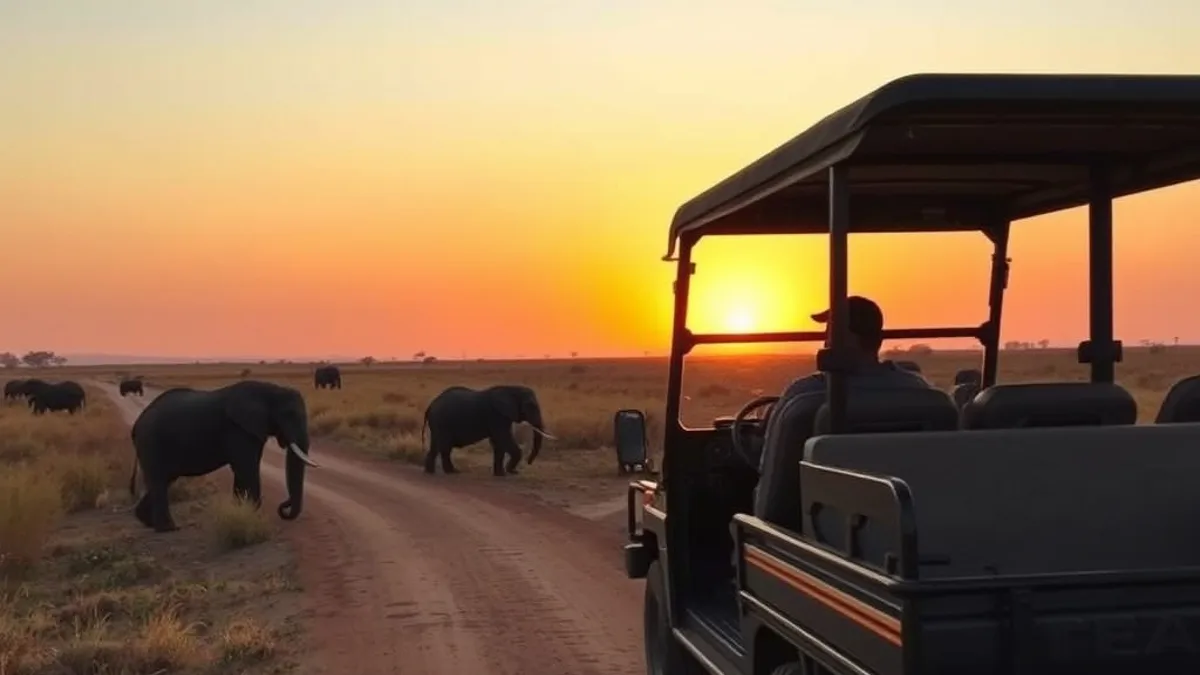
Timing shapes everything on a safari, from what you see to what you pay. The broad pattern across most Southern and East African reserves is simple: the dry season concentrates wildlife, while the green season trades slightly harder viewing for lower prices and lush scenery. Neither is wrong, they just suit different travelers.
Dry season: June to October
The peak dry season runs from June to October in most reserves. Rain is scarce, vegetation thins out, and animals gather predictably around waterholes and rivers, which makes them far easier to spot from the vehicle. Days are generally pleasant for driving, though early mornings can be genuinely cold in an open vehicle, so pack accordingly.
This is also the busiest and most expensive window, so expect more vehicles at prime sightings and book well ahead if you have fixed dates.
Green season: November to March
From November to March, rains transform the bush into a green, photogenic landscape. This is prime birding season as migratory species arrive, and it’s when many antelope and predator species have newborn young. Rates typically drop around 20-40% below peak pricing, which can make a longer stay possible on the same budget. Afternoon showers are common, so pack a light rain layer.
Migration river crossings
If the great migration in East Africa is on your list, aim for the river crossings, which peak roughly July to September. These dramatic events are unpredictable in their exact timing, so build in flexibility and confirm current patterns with your operator before locking in dates.
How Much Safari Lodge Stays Cost and How Far Ahead to Book
Safari lodge pricing varies enormously, and understanding what sits behind the number on the quote is the first step to comparing camps fairly. As a rough guide, budget USD 250-600 per person per night at mid-range lodges, which usually includes your accommodation, all meals and the two daily game drives. Luxury camps commonly range from USD 800 to over USD 2,000 per person per night, with top-end properties adding private guides, plunge pools and butler service to justify the jump.
Timing your booking matters as much as picking the camp. For peak-season dates, when game viewing is at its best and availability is tightest, reserve 9-12 months ahead. Green season trips are far easier to secure: booking 3-6 months out typically gives you plenty of choice, and the lower seasonal rates that apply then are one of the main reasons travelers consider the green season at all.
Questions to ask before paying a deposit
Rate structures trip up more first-time safari travelers than any other detail. Before you commit, ask these questions:
- Is the rate per person sharing, or per room? Solo travelers and single parents often face single supplements that change the math considerably.
- Which drinks are included? Some camps cover everything except premium wines and spirits, while others bill for every bottle of water.
- What activities sit outside the rate? Bush walks, mokoro trips, spa treatments and village visits are frequently extras.
- Are park or conservation fees included, or added at booking? These can add a meaningful amount per night, so ask for the current rate.
Get the answers in writing before you pay anything. A quote that looks like a bargain on paper can grow by hundreds of dollars once the exclusions are tallied up, and comparing two camps on different rate bases is almost impossible without this detail nailed down first.
Game Drives, Guides and Bush Etiquette
Game drives are the heartbeat of any lodge stay, and they follow a reliable pattern. Expect two drives a day, roughly 3 hours each: the first sets off before sunrise, while the second heads out as the heat fades in the late afternoon, timed so you return after sunset when nocturnal animals are most active. Vehicles are open-sided 4x4s seating 6-10 guests, and a professional guide drives and interprets what you see, often with a tracker seated up front reading spoor on the ground.
Good etiquette keeps drives enjoyable for everyone and safe around wildlife. Stay seated for the entire drive, keep your voice low when animals are close, and never ask your guide to off-road in a public reserve area, where that is usually prohibited by park rules. Your guide knows where the vehicle may legally go, and pushing for a closer photo puts both you and the animal at risk.
What to pack for the vehicle
Dress for a drive that starts cold and ends warm, and bring gear that helps you see more:
- Neutral-coloured layers in khaki, olive and stone, which blend into the landscape and attract fewer insects than dark navy or black.
- A warm jacket, beanie and gloves for sunrise drives, when open vehicles move at speed and the chill is sharper than most first-timers expect.
- Binoculars, ideally one pair per person, since sharing means missing sightings while your neighbor enjoys them.
- A camera with a dust bag or scarf to protect it between drives, plus a spare battery for cold mornings.
Follow your guide’s instructions without exception, especially around predators and elephants. The rules exist because guides have seen what happens when they are ignored.
How Long to Stay and Combining Reserves
First-timers often underestimate how long a safari needs to unfold. Plan a minimum of 3 nights at any reserve; anything shorter and you spend most of your stay unpacking and repacking. With 4-5 nights you settle into the rhythm of dawn drives and long lunches, and you give yourself the chance to see varied habitats, from riverine forest to open plains, where different animals concentrate.
Pairing reserves for balance
A smart itinerary pairs one big-name reserve with a smaller private reserve nearby. The famous reserve delivers the icons and the atmosphere you have seen in documentaries, but it also draws the crowds. The smaller property offers quieter drives, fewer vehicles at a sighting and often the flexibility of a private concession. Splitting your nights between the two balances the spectacle with a sense of exclusivity, and moving camps mid-trip adds variety without adding much travel time.
If your itinerary involves light-aircraft transfers between camps, build buffer time into your schedule. These small planes run on tight schedules and strict weight limits, and luggage is typically restricted to 15-20 kg packed in soft bags, since hard-shell cases physically do not fit in the hold. Confirm the exact limit with your operator when you book, and pack a soft duffel accordingly. Missing a connection in the bush does not mean catching the next flight an hour later; it can mean waiting a full day, so leave generous gaps between flights and never book a same-day international departure off the back of a light-aircraft hop.
Your First Safari Lodge Stay, Summed Up
A safari lodge stay is really just full-board living built around a rhythm: two game drives a day, one in the early morning and one as the afternoon cools, with meals and downtime in between. Once you know that schedule, it’s much easier to picture your days and match a camp to your expectations rather than arriving surprised.
Budgets and seasons shape everything else. Rates run from roughly USD 250-600 per person per night at mid-range lodges to USD 800-2,000+ at luxury camps, with green season pricing sitting noticeably lower than peak. Book 9-12 months ahead for the busiest months, and plan at least 3 nights on reserve so the routine actually pays off. If this helped you plan your first safari, leave a comment or share the article with a travel partner.