Picture two very different African mornings. At a safari lodge, your alarm goes off before sunrise because the game drive leaves at 5:30-6:00 am and the animals are most active at dawn. At a beach resort, your only decision is whether to have breakfast on the terrace or walk straight to the water. If you are torn between these two styles, the safari lodge vs beach resort question comes down to budget, season and how much structure you actually want on holiday.
This guide walks through the core difference between the two stay types, what wildlife and ocean encounters really deliver, the best seasons for each, what your money buys, how far ahead to book, and which option suits different kinds of travelers. By the end, you will know whether your next African trip belongs in a game vehicle, a hammock, or a smart combination of both.
Safari Lodge vs Beach Resort: The Core Difference
At a safari lodge, the day is built around wildlife. Game drives typically set off early in the morning and again in the late afternoon, when animals are most active and the light is best. Meals, rest periods and even dinner conversation tend to revolve around what you saw and what might appear next. Camps often adjust departure times daily based on tracker reports and recent sightings, so no two days follow exactly the same pattern.
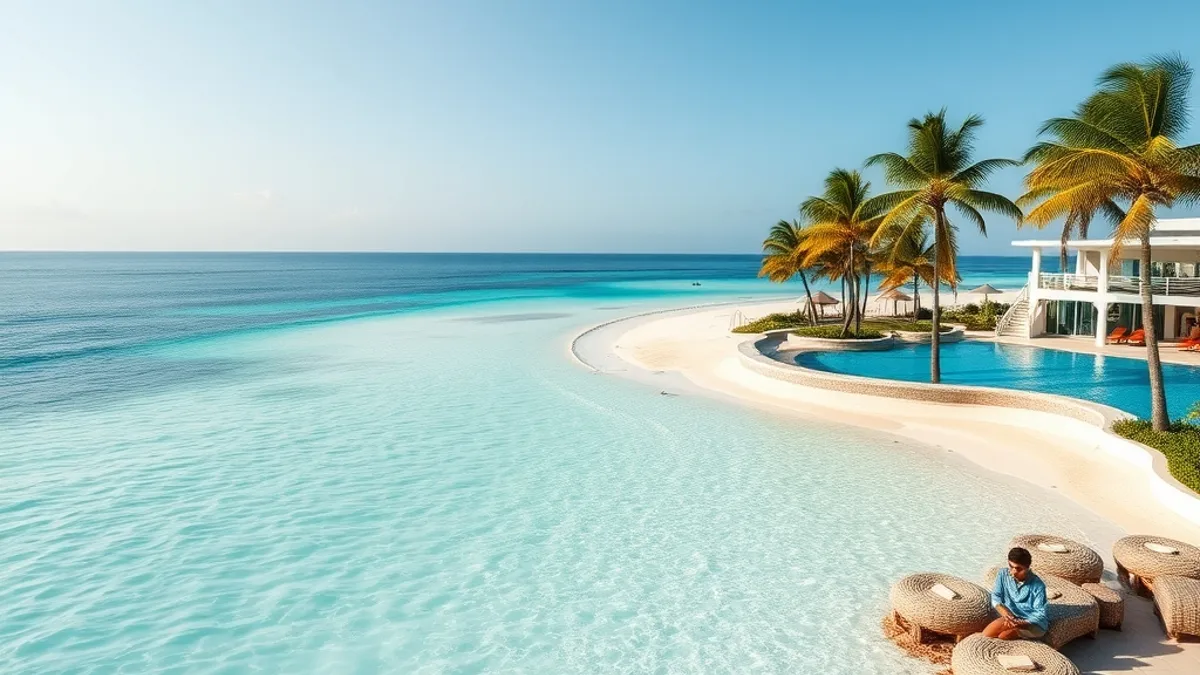
A beach resort works the opposite way. Nothing is scheduled except perhaps a spa booking or a boat trip you chose yourself. The property is designed around its location, and your time is yours to spend between the pool, the restaurant, the water and a sun lounger. If you want to skip an activity entirely, nobody notices.
Itinerary control is the real question
Before comparing wildlife, prices or seasons, ask yourself one thing: do you want your days planned for you, or do you want to plan them yourself? A safari hands over control in exchange for expertise, because good guiding is what turns a drive into a sighting. A resort gives you complete flexibility, which is exactly what some travelers need and what others find aimless after two days. Neither is the better style of travel in general, but one of them is clearly better for the specific trip you are imagining.
Wildlife Encounters Versus Ocean Relaxation
On safari, sightings are the entire product. Lodges employ professional guides and trackers who read tracks, listen to radio networks across the concession and follow up on reports from other vehicles. This is how guests get close to the Big Five, lion, leopard, elephant, rhino and buffalo, on a regular basis. Nothing is certain in the bush, but the system exists precisely to put you in front of animals almost every day.
A beach resort offers a different kind of encounter. Snorkeling and diving trips introduce you to reef fish, turtles and other marine life, and a walk along the shoreline at low tide can be rewarding on its own. But there is no tracker working the reef on your behalf. You swim where the boat takes you and see what happens to be there that day, which is part of the charm and part of the risk.
Adrenaline versus restoration
The emotional rhythm of the two stays could not be more different. A safari runs on anticipation: you wake before dawn, scan the grass for movement, and feel a genuine surge when a pride of lions appears. A beach holiday runs on routine: same breakfast spot, same stretch of sand, and that deep, restorative sense of having nowhere to be. If you want your pulse to rise, choose the bush. If you want your shoulders to drop, choose the coast.
Best Seasons for Each Stay Type
Season is the factor that quietly decides everything else, because safari and beach destinations peak at different times of year. The dry season from June to October is prime game viewing territory across East and Southern Africa. Vegetation thins out, animals gather at rivers and waterholes, and wildlife concentrates in ways the green months simply cannot match. Roads are also firmer underfoot, which makes remote camps easier to reach and game drives smoother. The trade-off is demand: this is when the most popular lodges fill up fastest, so availability shrinks and rates climb toward the top of their range.
The Kenyan and Tanzanian coast tells the opposite story. It is at its best from December to March, with strong weather and calm conditions on the Indian Ocean, precisely the stretch when many safari parks are greener, rainier and harder going for game drives. Long sunny days suit swimmers, snorkelers and families, while the sea is generally at its calmest and clearest. The two calendars overlap far less than most travelers expect, which is why timing matters so much when you are weighing one against the other.
Timing details worth knowing
- June sits on both calendars. It falls at the start of the dry safari season, so game viewing is building, while the coast is usually still pleasant enough before conditions peak.
- Late January favors the coast first. Beach conditions are excellent, and safari parks in their green season offer lush scenery, newborn animals and fewer vehicles at sightings.
- Shoulder months cost you certainty but buy you options. Wildlife viewing or beach weather may be slightly below peak, but these windows make a combined trip realistic on one set of travel dates.
- Check rainfall patterns for your exact park. Dry season timing varies somewhat between East and Southern Africa, so confirm conditions for the specific reserve you are considering before locking in dates.
Cost Comparison: What Your Budget Buys
Price is where the two stay types diverge the most. Safari lodges typically run $400-$1,200 per person per night, and that headline number usually covers more than a bed: game drives, meals and park access are commonly bundled into the rate. You can wake up, step out of your tent and know that everything wildlife-related for the day is already paid for.
Beach resorts typically cost $200-$600 per night for a double room, which looks like a bargain at first glance. But keep an eye on the extras. Snorkelling trips, diving courses, spa treatments and even some water sports are often priced separately, so your final bill can climb if you fill every day with activities.
Per Day Versus Per Trip
The fairest comparison is the total trip, not the nightly rate. A safari costs more per day but for fewer days, since most travelers find three or four nights of early starts and game drives to be plenty. A beach stay costs less per day but usually lasts longer, often five to seven nights of unhurried relaxation.
So a four-night safari and a seven-night beach holiday can end up costing a similar amount overall, even though the daily rates differ sharply. If your budget is tight, either stretch the beach portion or choose a mid-range lodge rather than cutting nights on safari, where the experience is intense and short by design.
How and When to Book Each Option
Booking windows differ a lot between these two stay types, mostly because of how the properties are built. Small safari lodges might have only eight or ten rooms, while beach resorts often have well over a hundred. That single difference drives everything about when and how you should reserve. A ten-room camp simply cannot absorb last-minute demand the way a large resort with multiple room categories can, so the smaller the property, the earlier you need to commit.
- Set your dates around the season first. If you want peak game viewing, your dates are effectively fixed, so lock them in before you start comparing properties. Beach travelers have more room to shift dates by a week or two if a price or availability issue appears, since good coastal conditions stretch across a wider window and resorts rarely sell out as fast.
- Book safari lodges 6-12 months ahead for the June-October peak. Small properties sell out first, and the most sought-after camps can be fully committed nearly a year in advance. Waiting until three months out usually means choosing whatever remains rather than what suits you best, often at a higher rate for a less convenient location.
- Give beach resorts 3-6 months of lead time outside holiday weeks. Availability is generally easier and rates more forgiving, though Christmas, Easter and other school holiday periods behave like peak season and deserve earlier booking, especially for family rooms and beachfront categories.
- Match the length of stay to the property’s rhythm. Plan 3-4 nights on safari, which suits the intensity of twice-daily drives, and 5-7 nights at the beach, where the whole point is slowing down.
One practical tip: reserve the safari portion first, then build the beach around it. Safari availability is the constraint, so once those nights are confirmed, filling in a resort afterward is usually straightforward. This order also protects your budget, because safari rates rise sharply as peak season fills, while beach resorts tend to hold their pricing longer and can still offer deals closer to arrival.
Who Should Choose Which African Stay
Neither option is objectively better; each suits a different kind of traveler. The honest question to ask yourself is what you want to feel at the end of a day: the thrill of not knowing what might appear around the next bend, or the simple pleasure of deciding your own schedule.
A safari lodge suits you if wildlife is genuinely your priority and you can tolerate 5:30-6:00 am starts, because that is when the drives leave and the animals are most active. It also suits travelers who value expert guiding, since a good tracker transforms what you see and understand.
A beach resort suits you if flexibility matters most, if you are traveling with children who need pools and kids’ clubs rather than rigid schedules, or if lower nightly rates stretch your budget further. Travelers who care about their footprint can also look for properties with credible environmental programs, such as beach resorts known for their sustainable practices.
- Light sleepers: lodges in unfenced reserves mean animals can move through camp at night, which thrills some guests and unsettles others; resorts offer a more predictable, contained environment.
- Honeymooners: a split itinerary works beautifully, pairing the drama of a private conservancy with the quiet of an oceanfront suite for the final nights.
- First-time Africa visitors: combining both removes the pressure to choose, and the two areas are often just a 1-2 hour flight apart, making a 4 nights safari plus 4 nights coast plan easy to arrange.
If you genuinely cannot decide, the split trip is the answer most seasoned Africa travelers give. Four nights on each side gives you the full intensity of the bush and a proper stretch of recovery time on the sand, without either half feeling rushed.
Making Your Final Choice
So which one is right for you? Safari lodges win on wildlife, expert guiding and those once-in-a-lifetime moments you will talk about for years. Beach resorts win on flexibility, price and pace, letting you shape every day exactly how you like it.
In practice, three factors decide which option is realistic for your dates: the season you are traveling, your budget, and how far ahead you can book. And if you simply cannot choose, remember that a combined safari-and-coast itinerary remains the most popular way to get both experiences in one trip, with many travelers pairing 4 nights on safari with 4 nights on the coast. Whichever way you lean, we would love to hear about it, so leave a comment or share this article.