That cliffside infinity pool looks perfect in the listing, but will it look the same when you arrive? Many travelers hesitate before paying a large deposit on a villa because the photos could be years old, borrowed from another property, or simply shot from angles that hide the busy road next door. And unlike a hotel, there is no front desk to complain to once you discover the truth.
The good news is that you can vet a villa rental thoroughly before any money changes hands. This checklist walks you through the key steps: why vetting matters, how to scrutinize photos and descriptions, how to read reviews like a detective, how to verify the host and pay safely, what to check about location and on-site safety, how to time your booking and protect your refund, plus a final checklist to run through before you confirm. Follow it, and you can book with far more confidence.
Why You Should Vet a Villa Rental Before Booking
A villa rental is not a hotel booking, and the risks are different in ways that are easy to underestimate. Hotels have staff on site, security procedures and a front desk you can walk up to when something is wrong. A villa is a private property, often managed remotely, which means the problems you might otherwise report at check-in are ones you need to catch before you book.
Safety issues are the clearest example. A broken pool fence, a staircase without railings or missing smoke alarms will rarely appear in a listing description, and no receptionist will flag them for you. Once you have paid and arrived, your options are limited to asking for a fix or cutting your trip short. Vetting beforehand is the only practical moment to catch these things.
The photo problem
Listing photos can also mislead in quieter ways. They may be years old, taken before furniture wore out or a neighboring construction site appeared. In worse cases, they are borrowed outright from another property, which means the villa you booked may barely resemble the one in the pictures. What you see is not always what you get, and there is usually no way to know until you are standing at the door with your luggage.
The scam pattern
Then there is outright fraud. Villa scams tend to follow a recognizable pattern: a fake listing, a price noticeably below market rates, and pressure to pay quickly by wire transfer, often off any booking platform. By the time the traveler realizes no villa exists, the money is gone and hard to recover. The rest of this checklist exists to help you spot these warning signs early, while you still have full control.
Scrutinise the Photos and Listing Description
Photos are your first and best screening tool, so treat them like evidence rather than decoration. A legitimate listing typically shows 15-30 photos covering every room, not just the flattering exterior shots. If a listing only shows the pool, the terrace and a glimpse of a bedroom, ask yourself what the rest of the property looks like. Hosts who are proud of their villa show all of it, including the parts that are merely fine.
Pay special attention to the kitchen and bathrooms, because these rooms age fastest and are the most expensive to renovate. If the listing includes photos dated within the last 12 months, that is a strong signal the host actively maintains the property. Undated, heavily filtered images of gleaming countertops deserve extra skepticism.
Run a reverse-image search
Take two or three of the best photos and run them through a reverse-image search engine. If the same images appear on other listings, stock sites or a different property’s website, you have found either a stolen listing or a careless host. Either way, walk away. This takes five minutes and is one of the most effective anti-scam checks available.
Make the description match the floor plan
Next, cross-check the written description against any floor plan provided. Look for consistency on the details that matter most:
- Bedroom counts and bed configurations: a “sleeps 10” claim sometimes means two real bedrooms plus sofas and fold-outs, which changes the experience completely for a group.
- En-suite bathrooms: confirm which bedrooms have private bathrooms and which share, since “three bathrooms” can mean one en-suite and two down a corridor.
- Stated distances: if the description says the beach or town is a short walk away, check that claim against the map yourself rather than trusting the wording.
- Floor levels and access: look for whether bedrooms are split across floors and whether stairs are mentioned, which matters for families and older travelers.
If a listing you like fails on detail but otherwise looks promising, ask the host directly for recent photos of specific rooms. A genuine host will usually oblige quickly. For an example of the kind of property worth all this scrutiny, browse a well-documented option such as Ubud villas with infinity pools surrounded by jungle, and note how complete listings make vetting far easier.
Read Reviews Like a Detective
Reviews are where glossy listings meet reality, but only if you read them with intent. Start by prioritizing verified reviews from stays of 3+ nights. Short weekend stays rarely surface the issues that matter: a cleaning service that slips after day two, a neighbor’s rooster at dawn, or an air conditioning unit that fails on night four. Longer stays reveal how the villa actually performs over time, not just how it photographs on arrival day.
Do not just read reviews top to bottom. Search within them. Typing keywords into the review section surfaces patterns that would otherwise stay buried across dozens of comments. If five different guests mention the same thing in passing, that is not a one-off, it is a feature of the property.
- “Wifi”: recurring mentions of slow or dropping wifi signal a real problem, which matters if you plan to work from the villa or stream in the evenings.
- “Mosquitoes”: repeated comments suggest standing water, missing screens or an unsprayed garden, worth knowing if you are traveling with young children.
- “Construction”: guests often note nearby building work with dates, which helps you judge whether the site will still be active during your stay.
- “Road”: comments about the access road reveal whether the last stretch is steep, unpaved or unsuitable for small rental cars, a detail listings rarely volunteer.
Read the host’s replies, not just the reviews
How a host responds to negative reviews tells you more than the complaints themselves. A professional reply acknowledges the issue, explains what was fixed and thanks the guest for the feedback. A defensive or evasive response, blaming the guest or dismissing the problem, signals exactly how your own issues will be handled mid-stay. Treat hostile replies as a red flag even if the review score looks fine.
Beware the perfect burst
Finally, be cautious of listings with only 5-star reviews, especially when several were posted within a short burst of time. Genuine properties accumulate reviews gradually, with the occasional 4-star comment about minor gripes. A wall of identical glowing reviews posted in quick succession can indicate fabricated feedback, so check the dates as carefully as the scores.
Verify the Host and Payment Safety
The villa itself can look flawless in photos, but the person behind the listing matters just as much. A beautiful property managed by a careless or dishonest host can turn a dream trip into a string of headaches, from broken air conditioning nobody fixes to a deposit that never gets refunded. Before any money changes hands, take the time to size up your host and the way payment is being handled. This does not require detective work or hours of research; it comes down to a handful of practical checks you can complete in a single evening. How quickly a host replies, how they answer your questions, which payment methods they accept and whether they put things in writing all reveal a lot about how your stay will actually go. A few simple checks here will filter out most problems before they ever reach your credit card, and they cost you nothing but a little patience.
- Test the response time and quality. A professional host typically replies within 24 hours, and just as importantly, answers your actual questions. Ask something specific, like whether the second bedroom has air conditioning or how far the nearest grocery store is. A host who sends back a generic sales pitch that ignores your questions is telling you how they will handle problems mid-stay: slowly and impersonally. Someone who responds with clear, direct answers, even to awkward questions, is far more likely to be reachable when something needs fixing.
- Pay only through a protected platform. Deposits typically range from 20-50% of the total rental price, and they should always go through a booking platform with buyer protection. If a host pushes you toward a wire transfer, crypto or any off-platform payment, walk away, no matter how convincing the excuse. Common stories include a supposedly broken payment system or a discount for paying directly, but once your money leaves the platform, you lose almost all recourse if things go wrong. Legitimate hosts rarely object to platform fees, because they have nothing to hide.
- Get the balance schedule in writing. The remaining balance is usually due 30-60 days before arrival. Confirm the exact date and insist on a written contract that spells out cancellation terms, the deposit amount and what happens if the villa becomes unavailable before your trip. If the villa is double-booked or taken off the market, you want to know now whether you get a full refund or a replacement property, not discover it on arrival day.
- Ask for proof of management. In many destinations, rental villas need a registration or license number to operate legally. If your destination requires one, ask the host to provide it and check it against the local registry where possible. A host who manages the property themselves should be able to explain their setup; one who cannot say who handles maintenance or cleaning is worth questioning.
None of these steps takes more than a few minutes, and together they create a paper trail that protects you if anything goes wrong. Save your messages, keep the contract and take screenshots of the listing before your stay. A host who answers promptly, contracts clearly and sticks to the platform is showing you exactly how they will behave when you are on the property, which is the best predictor of a smooth trip you can get before booking.
Check the Location and On-Site Safety Features
A villa can be beautifully built and still be a poor choice if the setting works against you. Location and on-site safety are the two things you cannot change after arrival, so nail them down before you commit. This is especially true for remote properties, where the closest help may be far away, a reality familiar to anyone who has browsed overwater lagoon villa retreats in the Maldives or similar island stays.
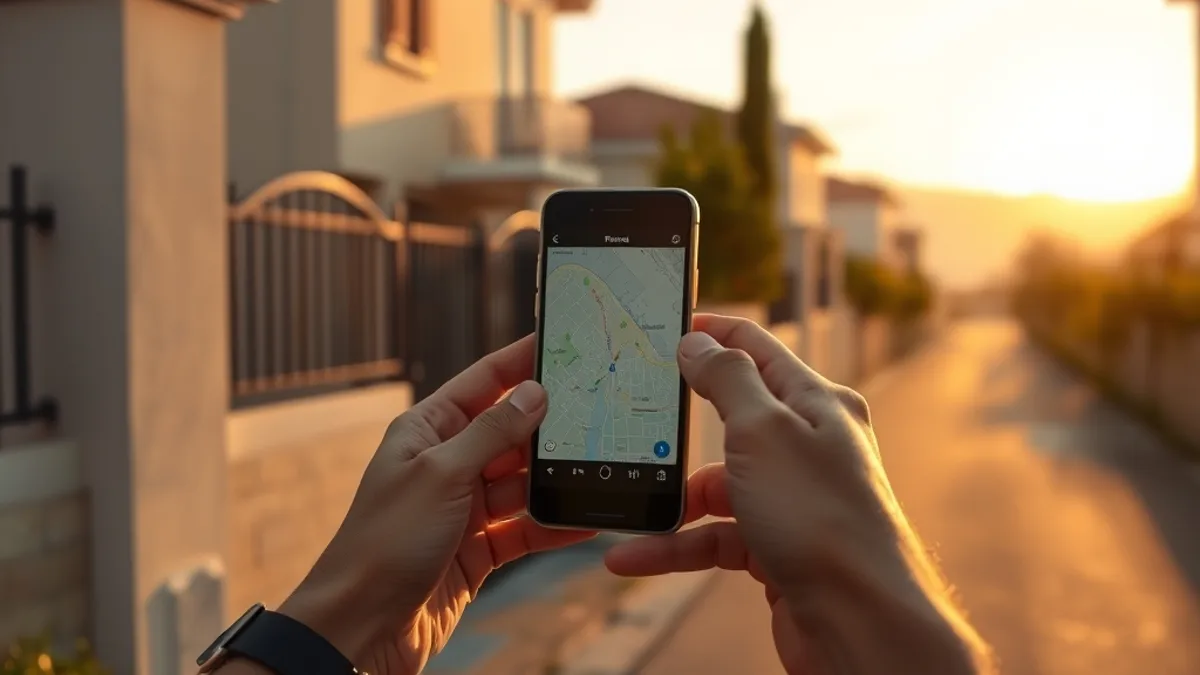
Start by pinning the exact address on a map, not the approximate circle the platform may show. Vague claims like “5 minutes from the beach” can turn out to mean 40 minutes on steep, unpaved roads once you actually drive them. If the exact location is not disclosed before booking, ask for it, and note how the host responds.
Then move to the property itself. Remote jungle and island villas are wonderful, but isolation raises the stakes if someone gets sick or a storm knocks out the utilities. Ask direct questions rather than hoping for the best:
- Proximity to medical care. Confirm the villa is within 30 minutes of the nearest hospital or clinic, and ask for the name of the facility so you can verify it yourself.
- Pool safety. If you are traveling with children, ask specifically about pool fencing, pool depth markings and whether the pool has a shallow end suitable for kids.
- Stairs and railings. Multi-level villas often have open staircases and low balustrades. Request photos of the stair railings and any terraces if elderly guests are traveling with you.
- Smoke alarms and basic equipment. Ask which rooms have smoke alarms and where the fire extinguisher is kept. Answers like “we will check” deserve follow-up before you pay.
- Backup power and on-call staff. Ask whether the villa has a generator or backup power and whether a manager or caretaker can be reached around the clock if utilities fail.
Once you have clear answers on all of these, you will know whether the villa fits your group, not just your budget.
Timing, Rates and Refund Protection
Even a perfectly vetted villa can disappoint if you book at the wrong moment or lock yourself into a rate with no flexibility. Timing and payment structure are the last layer of protection, and they cost you nothing but a little patience.
When to Book
Book 3-6 months ahead for peak-season stays, which means June through August in Europe and July through August in Bali. The best-vetted villas, the ones with long review histories and responsive hosts, tend to go first, so shopping early gives you the widest choice rather than whatever is left. If you are dreaming of a tropical escape, browsing options like Bali villa retreats with infinity pools and tropical surroundings early makes it far easier to secure the property you actually researched, not a last-minute substitute.
Getting the Rate Right
Refundable rates typically cost 10-20% more than non-refundable ones. For a first-time host or a villa you could not visit in advance, that premium is usually worth paying, since plans and circumstances change more often than we expect.
At the same time, sanity-check the quoted price against similar villas in the same area, with comparable bedrooms and views. A rate dramatically below market is rarely a bargain. In practice, it usually signals either a fake listing or a badly managed property, and both will cost you more in the end.
Finally, choose travel insurance that covers accommodation failure, not just flights and medical costs. If the villa cancels on you or turns out to be misrepresented, that coverage is often the only thing standing between you and losing your entire rental payment. Read the policy wording on accommodation claims before you buy, and keep your booking contract, since insurers typically ask for documentation.
Final Checklist Before You Confirm
That glossy listing photo no longer has to be a leap of faith. If you have reverse-searched the images, dug through guest feedback from longer stays and pinned the exact map location, you already know far more about the villa than most travelers ever check before paying.
Run through the rest before you confirm: the host answered your questions promptly, your payment runs through a protected platform, and the contract clearly states the deposit and balance dates. On-site safety questions are answered and refundable coverage is in place. If every box is ticked, you can book with confidence that the villa you saw is the villa you will get. And if anything felt off along the way, trust that instinct and keep looking. If this checklist helped you, leave a comment or share it with a friend planning a villa trip.