You’ve seen it a hundred times in listing photos: an inviting pool stretching toward the horizon, a sun-drenched living room, a view that seems to go on forever. Then you arrive, unlock the door, and find a plunge pool barely big enough for two, a neighboring roof blocking the ocean, and a living space so dark you need the lights on at noon. This gap between villa photos vs reality is one of the most common and expensive disappointments in travel booking.
The good news is that most listing exaggerations leave clues, and you can spot them before you pay a deposit. This guide walks you through why photos mislead in the first place, how to read a photo sequence like a detective, how to verify the view and location on a map, and how to use guest photos and reviews as evidence. You’ll also learn which specific questions to ask the host, how to time your booking to reduce risk, and how to book with confidence.
Why Villa Photos vs Reality Often Don’t Match
That gorgeous pool that seems to wrap around the entire terrace? There’s a good chance it’s smaller than it looks. Wide-angle lenses, which are standard for real estate and vacation rental photography, can make pools and rooms appear 20-30% larger than they actually are. A lens that captures the whole space in one frame stretches the edges of the image, so a modest 6-meter pool can easily read as something far more generous on your screen.
The golden hour trick
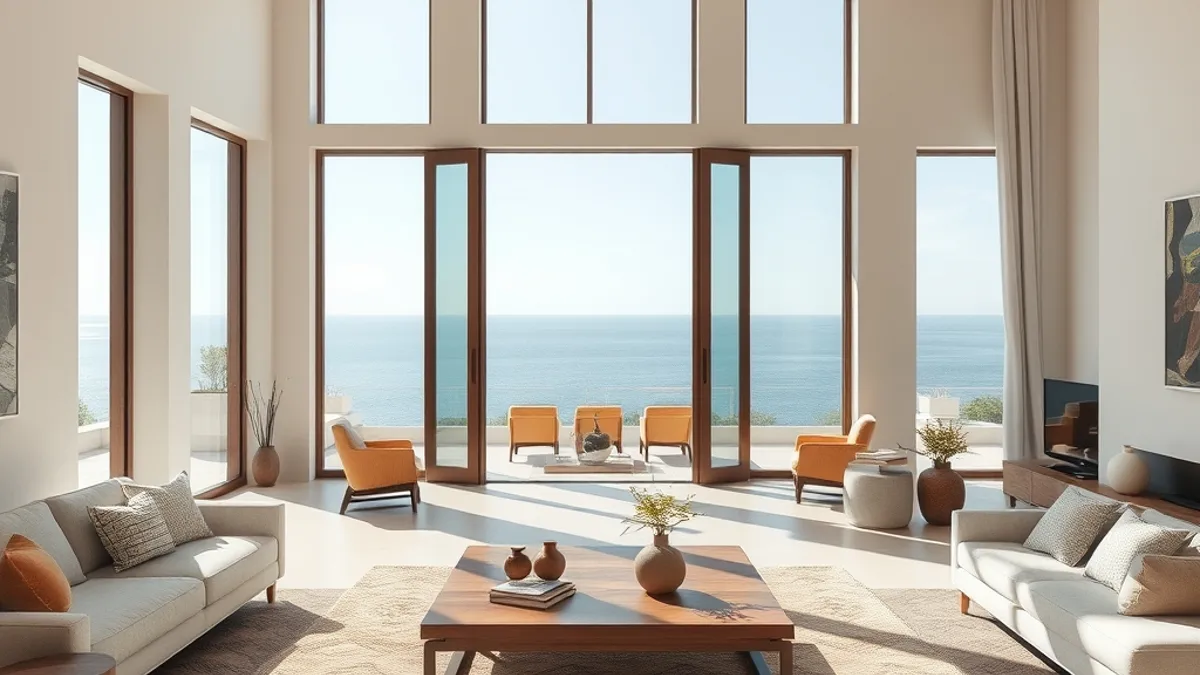
Lighting and staging do the rest of the work. Professional photographers typically shoot at golden hour, when warm, low sunlight flatters every surface, and they stage the villa with fresh flowers, perfectly placed cushions and not a single suitcase in sight. On your actual vacation, you’ll experience the villa at midday under harsh overhead sun, with your bags piled in the corner and family members spread across every sofa. The space is the same; the presentation is not.
What the crop hides
Then there’s framing. A tightly cropped shot of the infinity pool edge can hide a construction site next door, a busy road below the terrace, or power lines cutting across what you assumed was an open horizon. Photographers crop out anything that distracts from the sale, which is exactly the stuff you’d want to know about before booking. None of this means the villa is bad, but it does mean the photos are a marketing tool first and an accurate record second.
Read the Photo Sequence Like a Detective
The number and order of photos in a listing tell you a lot about how confident the host is in the property. As a rule of thumb, listings with 15 or more photos and a video tour are statistically more reliable. A host who has nothing to hide will show you every room from multiple angles, including the less glamorous corners, while a thin gallery of six flattering shots usually means there’s something they’d rather not show you before you commit.
Just as important is what’s absent. Scroll through the gallery slowly and ask yourself which spaces never appear. A missing bathroom, kitchen or street approach is a red flag, because those are exactly the areas where villas disappoint: dated fixtures, tiny cooking spaces, or an access road that’s rougher than “five minutes from town” suggests.
- Check for a video tour: A walkthrough video shows the true flow and scale of the space in a way a single wide shot never can, and it’s much harder to hide a cramped layout in continuous footage.
- Look at photo order: If the first ten images are all pool and sunset shots before you finally glimpse a bedroom, the host is leading with the best and burying the rest.
- Reverse-search suspicious exteriors: Glossy exterior shots that look like magazine spreads may be reused stock images; compare them against other listings in the same area to see if the same villa appears under different names.
- Note the photo quality mix: A gallery that blends professional shots with casual phone snapshots of the same spaces is often more honest than one that’s polished from start to finish.
Ten minutes of detective work here can save you from a villa that looks nothing like its gallery once you’re standing in it with your luggage. Count the photos, watch the video twice and note every space that never appears on screen before you hand over a deposit.
Verify the View and Location on a Map
Photos can be cropped and staged, but satellite imagery doesn’t lie. Before you book, spend a few minutes with a mapping app to verify that the villa’s location, view and orientation match what the listing claims. This is especially important for view-dependent bookings, such as Santorini villas with infinity pool sunset views, where the entire appeal rests on what you can see from the terrace. It matters just as much when you’re comparing ultimate villas with infinity pool sunset views in Santorini, where caldera-edge positions and terrace orientation can vary dramatically between properties just a few doors apart.
- Switch to satellite view. Zoom in on the villa’s pin and measure the distance to the shoreline yourself. Satellite checks regularly reveal that a villa marketed as “beachfront” actually sits 200-500 meters inland, which is the difference between stepping onto sand and walking along a road.
- Cross-check the pin against the written address. Hosts can drag a map pin, but a full street address is harder to fake. If the pin and the written description don’t agree, ask the host which one is correct before you pay.
- Work out which way the pool faces. Use the compass in your map app to check the terrace’s orientation. A west-facing pool genuinely delivers sunset views; an east-facing one will give you sunrise instead, no matter what the golden-hour photos imply.
- Scan the surroundings. Look for construction sites, main roads or taller buildings between the villa and the view that a carefully framed photo would never show you.
This whole exercise takes less time than choosing a restaurant, and it catches the single most common listing exaggeration: a view that exists only in the photographer’s framing. If the satellite picture and the listing photos disagree, trust the satellite and ask the host to explain the difference. Five minutes of zooming and measuring is the cheapest insurance you’ll ever buy against a disappointing arrival day.
Use Reviews and Guest Photos as Evidence
Guest photos are the closest thing you have to an honest camera on the property. Host photos are shot with wide-angle lenses and careful staging, but a guest snaps the villa at midday with their luggage in the corner and the real lighting on display. Recent guest-uploaded photos also show wear that a host would crop out: stained cushions, chipped tiles, or a pool deck that looks tired in person.
Review text matters just as much. The strongest authenticity signal you can find is a guest writing “exactly like the photos” — that tells you the listing delivers what it promises. On the flip side, phrases like “smaller than expected” or “the pool photos don’t show it all” are early warnings worth taking seriously.
One detail travelers often overlook is season. A villa can look and feel completely different in dry season versus rainy season, and the same goes for crowds, noise, and the view from the terrace. Reviews from the same season you plan to travel tell you what you will actually experience, not what the villa looks like in its best month.
- Sort reviews by newest first. A glowing review from three years ago says little about today’s furniture, pool maintenance, or management, so prioritize the most recent uploads.
- Check the reviewer’s other photos. Guests who upload several images of different rooms give you a fuller picture than a single terrace shot.
- Read the negative reviews carefully. A three-star review that says “great villa but the road was noisy” tells you more than five five-star reviews that mention nothing specific.
- Look at what repeat guests say. When someone books the same villa twice and posts photos again, that is a strong sign the listing holds up over time.
Message the Host With Specific Questions
Photos can only tell you so much, and a host who is confident in their villa will not mind proving it. Before you send any payment, use direct messaging to get the specific answers that listing photos never show. A quick video call or a few written questions can expose most exaggerations, including the ones on dreamy Bali villas with infinity pool listings that look too perfect to be true. The best part is that this verification step costs you nothing but a few minutes of typing, and hosts generally respond faster than you might expect.
- Ask for a live video walkthrough of the pool and main bedroom. A real-time call shows the actual lighting, the true size of the space, and whether anything has changed since the photos were taken. If a host refuses or keeps postponing, treat that as a warning sign.
- Request the exact pool dimensions in meters. Wide-angle lenses can make a plunge pool look like a lap pool, so a simple measurement removes all doubt. A confident host will know the length and width without hesitation, and many will happily film a short clip walking the pool edge for you.
- Confirm when the infinity edge photos were taken. If construction has started on a neighboring plot since the photos were shot, that postcard view may already be compromised. Ask directly whether anything has been built nearby and what the current outlook looks like.
These questions take ten minutes to send and can save you from an expensive disappointment. Keep the conversation inside the booking platform so you have a written record if something goes wrong later. Hosts who answer quickly, specifically, and without defensiveness are usually the ones running an honest listing — and that alone tells you a lot about the stay waiting for you.
Time Your Booking to Reduce the Risk
Timing changes the risk more than most travelers realize. The villas with verified photos, strong reviews, and a track record of matching reality are also the ones that sell out first. For peak season travel, booking 3-6 months ahead gives you the pick of those proven listings instead of the leftovers that other guests passed on.
Why early booking protects you
When you book early, you are choosing from the full inventory, including villas where past guests have already confirmed “exactly like the photos.” Leave it late in peak season and you are often choosing from listings with thin review histories or photos that no one has verified. The safest path to a villa that matches its pictures is an early booking on a listing with a solid evidence trail behind it.
The shoulder season trade-off
If your dates are flexible, shoulder season works in your favor. Bookings made 4-8 weeks out in shoulder season often come with rate drops of 30-50% versus peak, because hosts would rather fill the villa at a discount than leave it empty. You still get the same villa, the same pool, and the same view — just for less money and with fewer neighbors.
One final caution: avoid brand-new listings with zero reviews until they have at least 10. A new listing can be a genuine bargain, but with no guest photos and no review history, you have no way to compare the listing against reality. Let other travelers take that first risk.
Book With Confidence
Nobody wants to arrive at their dream villa and find a pool half the size they imagined, a view blocked by a neighbor’s wall, and living rooms that feel far darker than the bright, airy photos suggested. The good news is that this disappointment is largely avoidable. Comparing villa photos vs reality comes down to four simple checks: photo counts, maps, reviews and host answers.
Specific questions and guest photos expose most listing exaggerations before you pay a deposit, and a quick satellite view can save you from a “beachfront” villa that is nothing of the sort. When you are ready to commit, choose a verified listing and book with confidence, knowing you have done the groundwork. If this guide helped you dodge a bad booking, leave a comment or share it with a friend planning their next trip.