Most travelers book their snow-season trips too late. They end up paying peak prices for whatever lodges are left, then discover the place doesn’t match what they actually wanted from winter — whether that was first lifts, long fireside evenings or a shot at the Northern Lights. Winter lodge escapes reward the people who plan with a little intention.
This guide walks through the decisions that matter most: why early planners get better lodges for less, how to time your booking around the snow season, and how to choose between ski-in ski-out positions, Arctic destinations and quiet valley retreats. You’ll also learn how to spot a genuinely great winter lodge before you pay, match lodge style to your budget, and handle the packing and planning details that make cold-weather stays smoother. Get these calls right, and the snow takes care of itself.
Why Winter Lodge Escapes Reward Early Planners
The biggest mistake in winter travel is treating a lodge booking like a summer one. Christmas and New Year weeks sell out 6 to 9 months ahead, which means late bookers aren’t choosing lodges — they’re inheriting whatever rooms other travelers passed over, often at full price. That’s the worst of both worlds: top rates and bottom-tier availability.
The shoulder-week advantage
If your dates are flexible, the snow season has a sweet spot. Shoulder weeks in January and early March typically offer quieter slopes and rates 40 to 60 percent below peak, so the same budget that buys a cramped leftover room at New Year can secure a standout lodge when the snow is still deep. Early March in particular often combines reliable snow cover with longer daylight and thinner crowds.
Decide your trip style first
Before you compare a single lodge, decide what kind of winter you actually want. A ski-focused trip points you toward high-altitude resorts with lift access on the doorstep. A fireside retreat suits valley and lakeside lodges where the priority is scenery, reading and slow evenings. A Northern Lights base means looking north, well above the usual ski map. Choosing this first prevents the classic error of booking a beautiful lodge in entirely the wrong region for your goals.
Timing Your Booking Around the Snow Season
Winter lodge pricing follows the calendar more closely than almost any other kind of travel, so your booking window matters as much as your choice of lodge. The same room can carry a very different price tag depending on which week you pick and how far ahead you commit. Work through these steps in order before you pay anything, and write your answers down as you go — it keeps the decision honest and stops you drifting toward whatever happens to be available.
- Fix your trip style and rough dates. Everything downstream — region, lodge type and price — depends on whether you’re chasing lifts, fireside evenings or the aurora, so settle this first.
- Reserve holiday-week stays as early as your calendar allows. Christmas and New Year lodges sell out far ahead, and early bookers still have genuine choice rather than leftovers.
- Allow 3 to 4 months of lead time for January and March trips. Shoulder weeks are more forgiving, but the best-value lodges still fill before last-minute bookers arrive.
- Target a 4 to 6 night midweek stay. Weeks that span weekends cost significantly more; a midweek stay often cuts 25 to 35 percent off the same week’s price.
- Check minimum-stay rules before committing. Many alpine lodges require minimum stays of 5 to 7 nights during peak holiday weeks, which can quietly change your total budget.
Follow this sequence and you’ll rarely be forced into a compromise. The travelers who overpay for winter lodges are almost always the ones who skipped a step and booked on price alone. Give yourself one evening to work through the list properly, and the rest of the planning tends to fall into place with surprisingly little friction.
Choosing the Right Location for Your Snow Trip
Location is the decision that shapes every single day of a snow trip, and it’s the one travelers most often get wrong. The core trade-off is simple: the closer your lodge sits to the lifts, the more you pay for the convenience. Before you compare room photos or spa menus, work out how much time you’ll actually spend on the slopes versus everything else.
Ski-in ski-out positions save you daily transfers, boot hassles and morning logistics — but they typically cost a 20 to 30 percent premium over village locations. For serious skiers who plan to be first in the lift queue every morning, that premium often pays for itself in extra slope time. For everyone else, a village lodge a short walk or shuttle ride from the lifts can be the smarter buy, leaving more budget for dinners, spa sessions or an extra night.
Beyond the ski map, two other location types deserve real consideration:
- Arctic-circle destinations. If the Northern Lights are the point of your trip, aim above the Arctic Circle between late November and mid-March, when viewing odds are at their best — many lodges there pair aurora wake-up calls with snowmobile and husky safaris.
- Valley and lakeside lodges. These suit travelers who want frozen scenery, wood-fired saunas and cozy evenings without any ski pressure, and they often cost noticeably less than resort-base properties.
Match the location to your trip style before you fall in love with a lodge’s photo gallery. Ask yourself honestly whether you’re a slope-first traveler, an aurora chaser or someone who simply wants snow outside the window. A stunning property in the wrong setting still makes for the wrong winter, so let the setting drive the decision — not the interior shots.
How to Spot a Genuinely Great Winter Lodge
A beautiful lobby means little when you are standing in ski boots at 8 a.m. waiting for a bus that may or may not be running in a storm. The lodges that make winter stays genuinely easy are the ones built around snow logistics: direct slope access or a reliable shuttle, a proper boot room, and drying facilities that handle wet gloves and goggles overnight. Ask about these before you fall for fireplace photos.
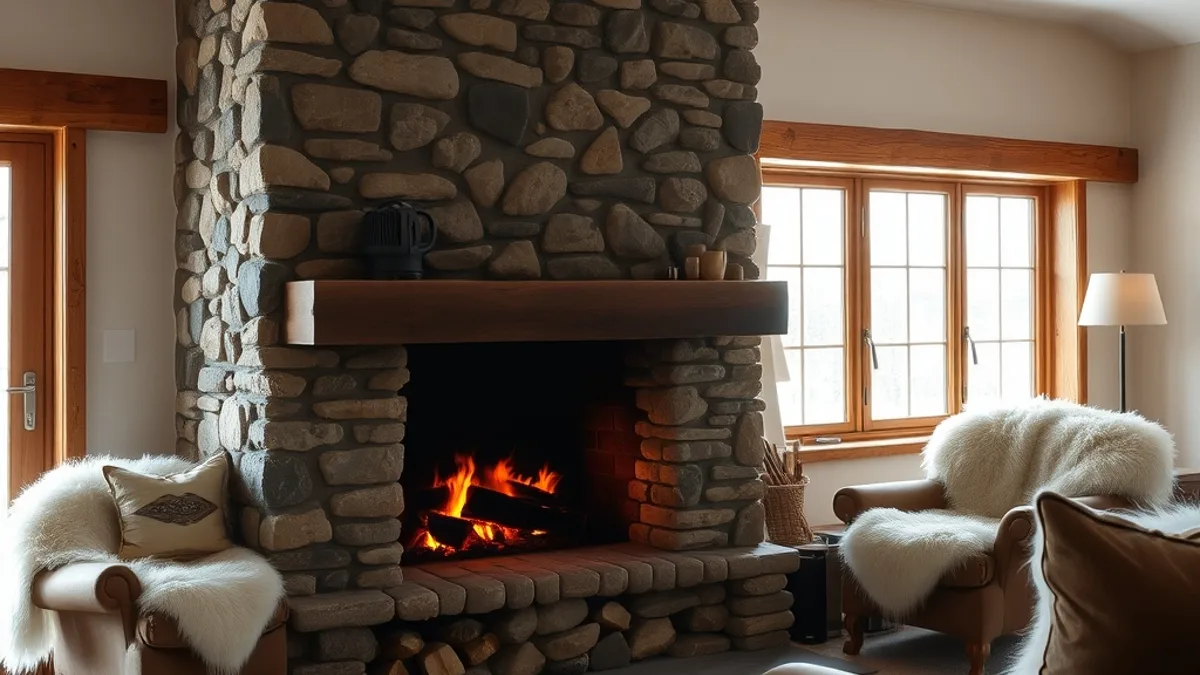
Recovery space matters more in winter than in any other season. Cold muscles, sore legs and short daylight hours mean you will spend real evenings at the lodge, so fireplaces, saunas and hot tubs are not luxuries here — they are part of the daily routine. If you are weighing up properties, this roundup of top ski chalets with luxurious amenities shows what genuinely useful extras look like in practice.
Finally, read reviews from the winter season specifically. Summer praise tells you almost nothing about how a lodge performs in January, when you actually need the shuttle, the drying racks and the heated paths to work.
- Ask how boot rooms are managed: the best lodges assign each guest or room a heated cubby with boot dryers inside, so gear is warm and dry every morning without queueing.
- Check shuttle frequency in bad weather: a “free village shuttle” that runs hourly — or stops during heavy snowfall — can turn a ten-minute transfer into a daily frustration.
- Count the drying facilities, not just the towels: look for heated ski racks, glove dryers and a dedicated wet-room entrance so melted snow never reaches the carpets.
- Confirm who can use the sauna and hot tub: shared facilities that close early, or private ones that cost extra, change how much evening recovery you actually get.
- Filter reviews by month: search for mentions of snow clearance, road conditions and slope access from December through February stays, when those systems are genuinely tested.
Matching Lodge Style to Your Winter Budget
Winter lodge pricing swings more than almost any other travel category, and the gap between peak holiday weeks and quieter shoulder weeks is wide enough to change what you can afford. Shifting your trip by just a week or two can free up enough budget to fund an extra night — or a better room category at the same total cost. It is one of the simplest levers you have as a traveler, and it costs nothing to pull.
It also pays to think about lodge style, not just location. Full-service hotels and bare-bones self-catered cabins sit at opposite ends of the spectrum, and both have drawbacks in winter: hotels can feel impersonal, while cabins leave you cooking and cleaning after a long day in the cold.
The middle ground: catered chalets and lodge suites
Catered chalets and lodge suites split the gap neatly. You get the space and self-contained feel of a cabin, with meals or housekeeping handled for you — ideal when you want cozy evenings without grocery runs on icy roads. For groups or families, they often work out cheaper per person than comparable hotel rooms, and the shared living space makes evenings easier.
Bundle the add-ons
Where your lodge offers bundled lift passes, meals or equipment packages, price them against buying separately. Winter add-ons purchased piecemeal add up fast, and lodge bundles frequently come with flexibility or perks you would not get at the ticket window. Check what each package actually includes before you commit, since inclusions vary widely between properties — some bundle everything, others only cover breakfast. Ask about cancellation terms on bundles too, because add-ons sometimes follow stricter rules than the room itself.
Packing and Planning Details That Make Snow Stays Smoother
Packing for a lodge stay is different from packing for a city break in winter. The smartest approach is layering: merino base layers against the skin, insulating mid-layers, and waterproof outer shells on top. This system handles everything from a sunny morning on the slopes to a snowy evening walk to dinner, while one bulky coat leaves you either sweating indoors or freezing outside. Add a hat and gloves rated for real cold, not just the walk from the car park, because mountain weather can shift quickly even mid-season.
Two logistics checks will save you more grief than any extra pair of socks. First, confirm airport transfer times before you book — winter roads can easily double summer journey estimates, and a transfer that looked like an hour in the brochure may take far longer in real snow conditions. Ask the lodge directly how their shuttle or transfer service operates during storms, since some routes run less frequently in bad weather. Second, think about what fills up first at popular lodges during peak weeks. Demand for everything from dinners to equipment runs high when the snow season hits its stride.
- Reserve spa and wellness slots at booking: hot tubs, saunas and massage appointments at winter lodges fill first, and a same-day request in high season often means waiting days.
- Pre-book equipment rentals with delivery: many lodges partner with local rental shops that fit gear in your room the evening you arrive, saving you a morning trip to the village shop.
- Pack spare base layers, not spare jackets: damp merino is miserable by day three, and rotating two or three sets of base layers matters more than a second heavy coat.
- Bring proper grip footwear: icy paths between lodge, shuttle stop and slopes catch out travelers in smooth-soled boots; a pair with real tread changes your evenings.
- Carry small warm-up items in your day pack: hand warmers, a spare glove liner and a buff weigh almost nothing and rescue a cold day on the mountain.
Planning Your Winter Lodge Escape
The biggest mistake travelers make with winter lodge escapes is treating them like any other trip — deciding late and hoping availability works out. Snow season doesn’t forgive that approach. When you know your trip style first, book 6 to 9 months out for peak holiday weeks, and match the location to what you actually want from winter, you avoid both the premium prices and the leftover lodges late bookers inherit.
The rest comes down to judging lodges on winter-specific details: how easily you reach the slopes or trails, how well the place handles wet boots and cold gear, and whether there’s real recovery space like a fireplace, sauna or hot tub after a day in the snow. Get those three things aligned — trip style, booking window and location — and the whole stay clicks into place. If this helped you plan your own snow-season escape, leave a comment or share this article with a fellow traveler.