Planning a babymoon resort stay sounds simple until you start searching. Most expecting parents want the same thing: a quiet, comfortable escape before the baby arrives. Yet many resorts treat pregnancy as an afterthought, with no prenatal spa options, rooms reached by endless stairs, and dining schedules that don’t work when nausea or fatigue hits. The result is a trip that feels more stressful than restful.
This guide puts comfort first. We’ll walk through when to book your trip, how to choose a destination and season that won’t wear you out, and which room features actually matter. You’ll also find advice on safe spa treatments, on-site dining and amenities, realistic budgeting, and a practical packing list. The goal is a stay where every detail supports rest, so you return home genuinely refreshed and ready for what comes next.
When to Book Your Babymoon Resort Stay
Timing is the single biggest factor in whether your babymoon feels restful or exhausting. The second trimester, weeks 14 to 28, is widely considered the safest and most comfortable window to travel. By then, morning sickness has usually passed and energy levels are often at their highest, but you’re not yet carrying the weight and discomfort of the final months. Most airlines restrict flying after 36 weeks, and many require a doctor’s letter after 28 weeks, so booking inside that comfortable window keeps things simple.
How far ahead to reserve
Book your resort 3 to 6 months in advance for the best room choice and prenatal spa availability. Prenatal massage slots fill quickly at popular resorts, and if you wait until a few weeks before departure, you may find the room category you want is gone or the spa is fully booked for your entire stay. Reserving early also gives you time to confirm that the resort can adapt meals, pillows and activities to your needs.
How long to stay
Aim for 4 to 7 nights. Shorter trips often feel rushed once you factor in travel time and settling in, while longer stays can leave you overtired. A week gives you slow mornings, afternoon rests and enough time to actually use the spa and pool more than once.
Choosing a Destination and Season
Where you go matters as much as when you go. In tropical destinations, shoulder-season months such as May to June and September to October bring lower rates and fewer crowds, which means quieter pools, easier restaurant reservations and a calmer atmosphere overall. You’ll also get more attentive service when the resort isn’t at full capacity, and staff will have more time to accommodate special requests, from dietary needs to room preferences.
Heat and humidity are the main things to avoid. Look for destinations where daytime temperatures sit around 24 to 30°C during your travel window, so you can walk outdoors and swim comfortably without overheating. And keep total travel time under 8 hours door to door, from leaving your home to arriving at the resort, to minimize strain on your body. That figure includes transfers, waiting and check-in, not just time in the air, so factor them in when comparing routes.
- Check rainfall patterns, not just temperature. Some tropical shoulder-season months overlap with rainy seasons, so look at average rainfall for your specific dates and pack a light rain layer just in case.
- Ask about the resort’s terrain. A hillside property with many steps can undo the benefits of a short flight, so favor flat, compact layouts if you’ll be further along.
- Consider direct flights where possible. Each connection adds waiting time, gate changes and extra lifting of luggage, so a single flight often beats a cheaper multi-leg option.
- Look at medical access nearby. Confirm there is a reputable hospital or clinic within reasonable distance of the resort, just as a precaution for any destination you choose.
Room Comfort Features That Matter Most
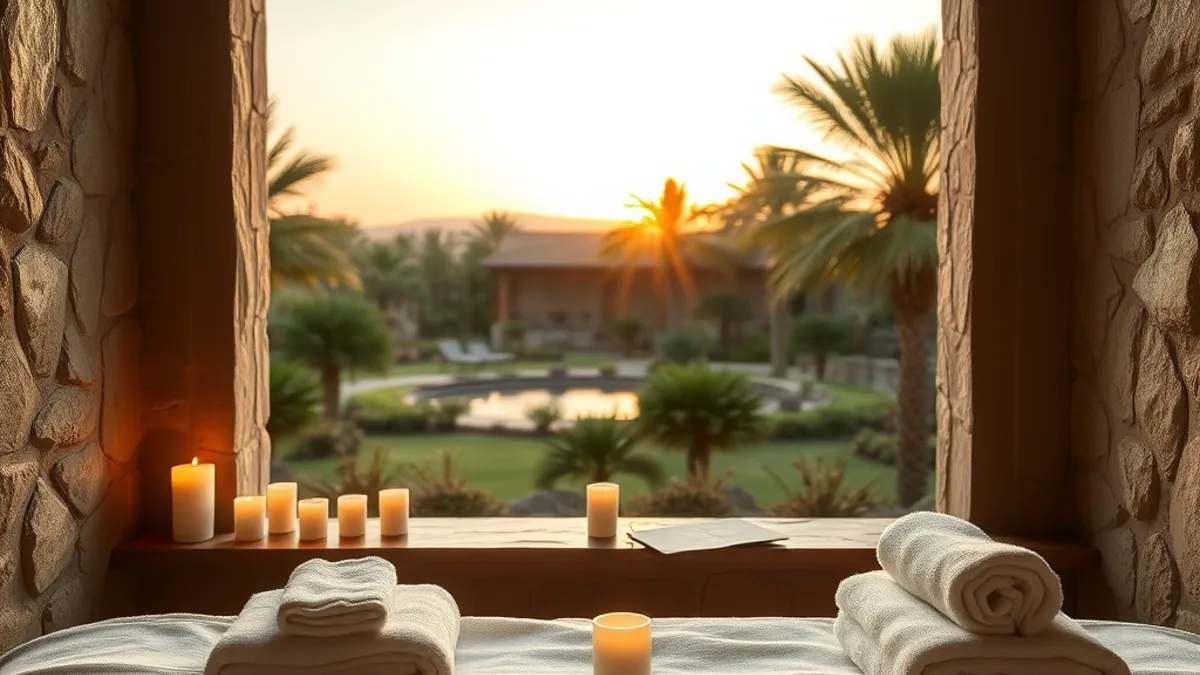
Your room is where you’ll spend more time than anywhere else on a babymoon, so it deserves the most scrutiny before you book. Prioritize ground-floor or elevator-access rooms so you’re not climbing stairs multiple times a day, especially as your due date approaches and stairs become less appealing. Ask whether the mattress can be swapped for a firmer support option, since many resort beds run soft and a too-soft surface can aggravate back and hip discomfort. Blackout curtains are equally important, because quality sleep becomes harder as pregnancy progresses and early morning light can cut your rest short. If you’re sensitive to noise, mention that when booking rather than at check-in, when room choices are limited.
Beyond the basics, look for a private terrace or balcony where you can sit outside without leaving your room, a soaking tub for easing achy hips and swollen feet, and enough space for a mini fridge stocked with snacks and cold water. These small touches turn an ordinary room into a genuine retreat and make rest days genuinely restful.
- Request a quiet location within the resort. A room away from the pool bar, evening entertainment and main walkways makes afternoon naps realistic.
- Ask about extra bedding in advance. Confirm the resort can add extra pillows and a pregnancy body pillow at no or low cost, ideally before you arrive rather than after a bad first night.
- Check in-room dining options. Having meals delivered matters on low-energy days, so ask about the menu, delivery hours and any fees.
- Confirm the fridge policy. Some resorts stock mini fridges with paid items only; ask if yours can be emptied or set aside for your own snacks and drinks.
- Consider connecting rooms or suites. If a partner or family member is joining, extra space means fewer disruptions when you need uninterrupted rest.
Spa and Wellness: What Is Safe and Worth Booking
A prenatal massage is usually the highlight of a babymoon spa visit, and most resorts offer versions specifically adapted for after the first trimester. If you are traveling in your second trimester, this is the ideal window to book one. Ask how the therapist positions you, side-lying with support pillows is the standard approach, and confirm they have experience with pregnancy work rather than just a standard massage with a hole cut in the cushion.
Beyond massage, stick to gentle options. Guided stretching sessions, meditation classes and a swim in a warm, not hot, pool can all help with achy hips and swollen ankles. What you want to skip entirely: hot tubs, saunas and steam rooms. Raised body temperature is the concern here, so treat those facilities as off-limits for this trip, no matter how tempting they look.
Timing your treatments
Here is a tip that many first-time babymooners miss: book your treatments early in the stay, not on the last day. If a particular massage helps with swelling or finally gets you a full night of sleep, you want to have days left to rebook it. Prenatal spa slots fill quickly, so request your preferred times as soon as your reservation is confirmed, and check with the spa directly about current availability and pricing.
Dining, Amenities and On-Site Ease
When you are pregnant, a resort that requires a twenty-minute hike to dinner stops being relaxing fast. Look for properties where the pool, spa, restaurants and beach are all within a few minutes of your room, either on foot or by a regular shuttle. If you are comparing beachfront options, our guide to beachfront resorts with exclusive perks covers properties that bundle in things like private beach access and dedicated service, which make those short trips even easier.
Dining matters more than you might expect. Nausea can still make surprise appearances even in a comfortable second trimester, so check that restaurants offer flexible dining times and lighter menu options. Ask specifically whether the kitchen can prepare simple dishes on request: plain pasta, grilled fish, fresh fruit. A rigid dinner-only seating schedule can turn a queasy evening into a miserable one.
Before you book, it is also worth asking a few small questions that make a big difference on the ground:
- Non-alcoholic welcome drinks: many resorts offer a mocktail on arrival, and some will happily create a pregnancy-friendly version if you ask ahead.
- Fresh juices: a juice station or made-to-order options at breakfast are a simple way to stay hydrated and get nutrients on low-appetite days.
- 24-hour room service: essential for late-night cravings, especially if your room is far from the main restaurants or you simply do not feel like getting dressed for dinner.
None of these details show up in glossy photos, so email the resort before booking. A property that answers promptly and willingly is usually a good sign of how they will treat you once you arrive.
Budgeting and Practical Packing Tips
Babymoon resorts in popular destinations typically run $250 to $800 per night for comfort-focused rooms. If you travel during shoulder season, you will often land at the lower end of that range, which frees up budget for the extras that actually matter, like spa treatments and a room upgrade. Remember that rates change by property and season, so always confirm current pricing directly with the resort before committing.
Set aside a separate line in your budget for prenatal spa treatments. At resort spas, these typically run $120 to $250 per session, and if you plan to rebook a favorite massage mid-stay, that cost doubles quickly. Tipping, resort fees and taxes can also add up, so ask for a full breakdown of what is included in the nightly rate.
Your packing list deserves its own attention too. Beyond the usual resort wardrobe, these items earn their space in the suitcase:
- Compression socks: wear them on the flight to support circulation and reduce swelling, especially on longer routes.
- Comfortable walking shoes: broken-in, supportive pair for pool decks, garden paths and beach walks, not brand-new sandals.
- Reef-safe sunscreen: gentler on sensitive pregnancy skin and required or encouraged at many beach destinations.
- Copies of prenatal records: keep both paper and digital copies handy in case you need medical care during the trip.
A little planning here goes a long way. When the budget is realistic and the essentials are packed, you can spend your days resting instead of troubleshooting.
Final Thoughts on Your Babymoon Resort Stay
A babymoon resort stay works best when it is planned around the second trimester, with 3 to 6 months of lead time to secure the right room and prenatal spa slots. That early planning is what separates a trip that truly prioritizes your comfort from one that simply looks good in photos. When the room has the right features, the spa menu is safe and adapted for pregnancy, and everything on site is easy to reach, rest stops feeling like an afterthought and becomes the whole point of the trip.
With a 4 to 7 night stay and a sensible budget, your babymoon becomes genuine downtime before the baby arrives, not another demanding itinerary. Choose comfort first, and the relaxation will follow. If this helped you plan your own pre-baby escape, leave a comment or share the article with other expecting parents.