Many travelers skip the monsoon months when booking a beach or jungle resort, assuming weeks of gray skies will ruin the trip. That’s a missed opportunity. Rainy season resort stays often come with rates 20-40% lower than peak season prices, quieter pools, and landscapes at their greenest. The key is planning around the weather rather than hoping it will cooperate on its own.
This guide walks you through exactly how to do that. We’ll look at why the wet months deserve a spot on your travel calendar, how to choose a destination that suits the season, and when to book for the best discounts. You’ll also find practical advice on picking resorts with strong covered facilities, scheduling activities around afternoon showers, and packing for humidity that often stays above 80%. With a little foresight, the rain becomes part of the experience instead of a problem to endure.
Why Rainy Season Resort Stays Are Worth Considering
One of the biggest draws of a rainy season resort stay is the price. Rates at tropical resorts commonly drop 20-40% during monsoon months compared with peak season, which can turn a splurge-worthy suite or overwater villa into something far more attainable. The same room you’d pay a premium for in high season suddenly fits a mid-range budget.
Fewer Crowds, More Space
Quieter resorts are the second big perk. With occupancy down, you’ll typically find shorter waits at the spa, easier restaurant reservations and pool loungers that don’t require a sunrise scramble. Staff often have more time for guests, too, which can make the whole stay feel more personal and relaxed.
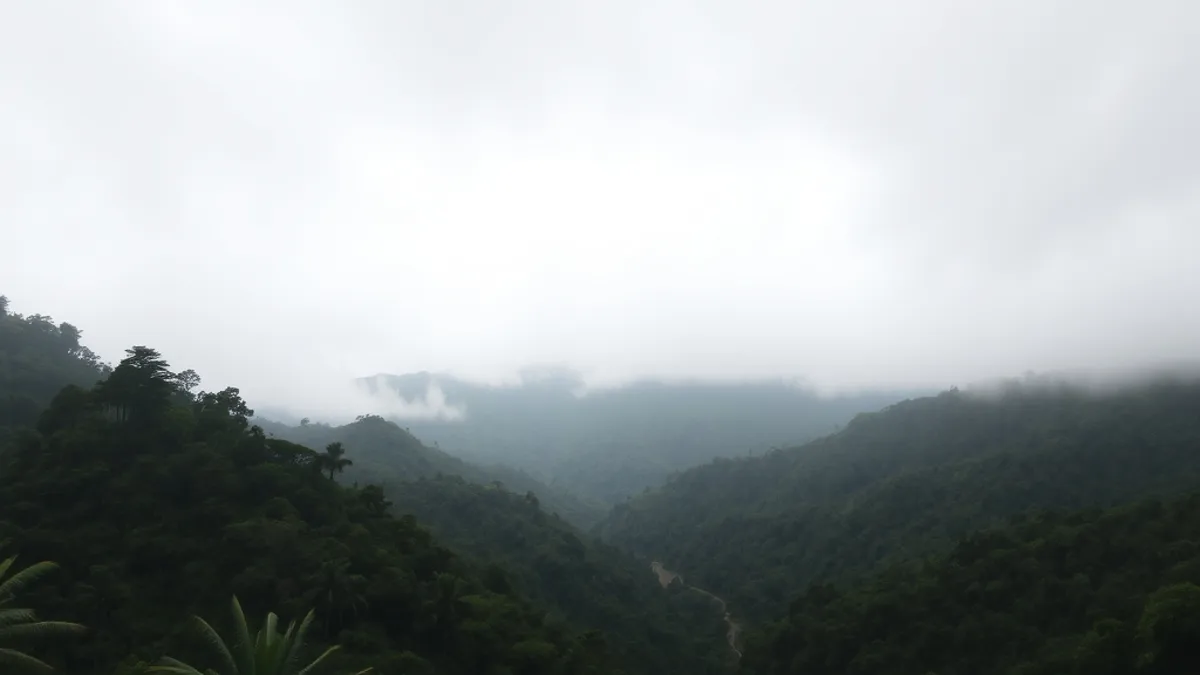
The scenery is the third reason, and for many travelers the most convincing. Rain transforms tropical landscapes in ways dry-season visitors never see. Waterfalls swell to their most powerful, rice terraces turn a vivid, almost glowing green, and dramatic cloud formations roll over hills and coastlines. Photographers often consider the monsoon months the most rewarding time to shoot these regions.
If you’ve been put off by visions of endless gray skies, it helps to reframe what rainy season actually looks like: many days bring only a few hours of rain, leaving plenty of bright, usable time between showers. Lower prices, empty facilities and lush surroundings make the trade-off worthwhile for travelers who plan with the weather in mind rather than against it.
Choosing the Right Destination for the Wet Months
Picking where to go matters more in the wet months than at any other time of year. The trick is to match your destination to the rain rather than fight it. Southeast Asia’s monsoon typically runs from May to October, so a beach-heavy trip to Thailand or Bali in August means gambling on gray skies. Kerala, on the other hand, treats its monsoon, which lasts roughly June to September, as a headline event rather than a drawback.
Shoulder months deserve a close look too. May and October often bring shorter, lighter showers than the peak monsoon months, which means more usable hours on the pool deck and fewer washed-out afternoons. If your dates are flexible, shifting a trip by a few weeks can change the character of the whole stay.
Geography is your best ally. Instead of choosing a resort where every highlight depends on sunshine, look for properties set near rainforests, waterfalls or tea country. In these landscapes, mist rolling over hills or a swollen waterfall becomes part of the appeal, not a canceled plan. For an example of how dramatic weather can define a stay, see lounge above rainforest peace at Awasi Iguazú, Argentina.
- Tea country in Sri Lanka and southern India: Hill estates stay cool and green through the rains, and misty mornings over the tea rows are often the most photogenic hours of the day.
- Rainforest lodges: Wildlife tends to be more active in wet, overcast conditions, so guided walks can actually improve when the forecast looks worse.
- River and waterfall regions: Waterways swell during the wet months, making boat-based scenery more impressive than in the dry season.
- Check regional rainfall patterns before booking: Monsoon timing varies widely between coasts, islands and inland areas, so confirm the local wet season for your specific destination rather than assuming one regional pattern.
Timing and Booking Your Rainy Season Resort Stay
Getting the timing right is what turns a rainy season deal into a genuine steal. The best rates and the nicest rooms go to travelers who plan ahead rather than those who wait for a last-minute price drop, and a little preparation protects you from the season’s one real downside: weather-related delays. Here’s how to approach it.
- Book two to three months before your trip. Booking 2-3 months ahead usually secures the best monsoon discounts, often at the deepest end of the 20-40% savings range. Early bookers also tend to get first pick of room categories, and some resorts quietly upgrade early guests when occupancy is low. Waiting until the last minute rarely beats these rates, since the cheapest rooms simply sell out.
- Check the resort’s renovation calendar before you commit. Many properties use the low season for maintenance, and some close entirely for weeks at a time. A discounted rate is no bargain if half the facilities are behind hoardings or the spa is shut. Email the resort directly and ask what work is scheduled during your dates, and whether any restaurants or pools will be offline.
- Build one or two buffer days into your itinerary. Heavy rain can delay flights, slow ferry schedules and cancel boat transfers, especially on island routes. Arriving a day before any fixed commitment, and leaving a spare day at the end, means a storm becomes a minor hiccup rather than a missed connection. If you’re on a tight schedule, consider travel insurance that covers weather delays and check the terms carefully.
A little lead time goes a long way here. Mark your calendar for when bookings open for your preferred dates, keep a short list of two or three candidate resorts, and confirm renovation schedules in writing before paying a deposit. The travelers who score the best monsoon deals are rarely lucky; they just planned earlier than everyone else.
Picking Resorts with Strong Indoor and Covered Facilities
The difference between a soggy disappointment and a wonderful monsoon escape usually comes down to the resort you choose. Some tropical properties are built for wet weather, with covered walkways linking every villa to the main building, while others leave you dashing across open courtyards with your bag over your head. Before booking, look closely at the property map and photo gallery to see how the layout handles rain.
The good news is that you will rarely be stuck indoors all day. Showers in tropical monsoon zones most often fall between 2 pm and 5 pm, leaving long dry stretches in the morning and evening. Infinity pools, open-air pavilions and beachfront decks remain perfectly usable between showers, and swimming in warm rain is one of the season’s quiet pleasures. If you love pool design, the appeal of a dramatic infinity edge carries over to destinations far beyond the tropics, as this guide to suites with infinity pool skyline views shows.
When comparing resorts, run through this checklist of indoor and covered facilities:
- Covered walkways from rooms to restaurants and reception, so you can reach dinner without a soaked change of clothes or a scramble for umbrellas.
- An indoor lounge or library with comfortable seating, board games and a good view, which gives you somewhere pleasant to settle during an afternoon downpour.
- A full-service spa rather than a handful of open-air treatment pavilions, since covered treatment rooms stay in use whatever the sky is doing.
- A kids’ club with real indoor space, not just a shaded outdoor playground, if you are traveling with children who need somewhere to burn off energy.
- Covered balconies or verandas on the rooms themselves, so you can watch the rain roll across the water or gardens from a dry chair with your morning coffee.
It is worth emailing the resort before you book and asking directly about these features. Front desk teams answer these questions daily during monsoon months, and their replies will tell you quickly whether the property embraces the season or merely endures it.
Planning Daily Activities Around the Showers
Rainy season travel works best when your day has a rhythm: outdoors early, indoors during the afternoon downpour, and back outside for the evening. Because afternoon showers most often fall between 2 pm and 5 pm in tropical monsoon zones, you get a reliable structure to plan around rather than a total washout. Think of the rain as a fixed appointment on your daily schedule, and everything else falls into place around it.
- Book outdoor excursions for the morning. Guided jungle walks, temple visits, waterfall hikes and market tours are all best started early, when skies are typically clearer and temperatures cooler. Mornings also tend to bring the calmest water for boat trips and snorkeling outings.
- Confirm boat trips the evening before. Sea and river conditions shift quickly in monsoon months, so a quick call or message to your operator the night before saves you a wasted trip to the pier if the morning crossing is canceled.
- Reserve indoor activities for the wettest hours. Spa treatments, cooking classes, wine tastings and long lunches are ideal while the rain does its thing outside. Book these slots in advance, since they are the first to fill at popular resorts.
- Keep one anchor activity per day. Choose a single must-do experience and let everything else stay flexible. A packed schedule collapses at the first storm, while a loose one simply bends around it.
- Build in unplanned time. Leave a stretch each day with nothing booked. Watching a storm roll in from a covered veranda, reading through the wet hours or squeezing in a swim between showers is exactly what a monsoon escape is for.
The same flexible mindset works beautifully at rain-heavy destinations beyond Asia. At a resort like the one featured in this piece on lounge around volcano warmth at Montaña de Fuego Resort, the thrill of watching weather move across a volcano landscape becomes part of the stay rather than an interruption. Treat the forecast as a suggestion, not a schedule, and each day will sort itself out.
What to Pack for Humid, Wet Weather
Packing for monsoon travel is a different exercise from packing for a dry beach holiday. Humidity often stays above 80% in tropical wet months, which means cotton clothing dries slowly, feels heavy against damp skin and can develop a musty smell if you pack it away wet. Choosing the right fabrics matters more than choosing the right outfits.
Think in terms of a small capsule wardrobe that you can rinse in the sink and wear again the next day. Resorts in monsoon areas usually offer laundry service, but quick-dry pieces mean you can pack lighter and recover from an unexpected soaking without waiting for anything. Footwear deserves equal attention: wet tile floors around pools and in bathrooms are the most common cause of slips, so grip matters more than style.
Your rainy season packing list should include these essentials:
- Quick-dry shirts, shorts and dresses in synthetic or merino blends, which wrinkle less in a suitcase and dry overnight even in heavy humidity.
- A compact travel umbrella small enough to live in your day bag, since showers can start with little warning even outside the typical afternoon window.
- A waterproof phone pouch with a lanyard, which lets you take photos and navigate during drizzle without babysitting your device.
- Sandals or water shoes with textured rubber soles that grip wet tile around pools, in spa changing rooms and on boat decks.
- A light long-sleeve layer or shawl for air-conditioned lobbies, restaurants and airport lounges, which often feel chilly after hours in humid outdoor air.
- A spare dry bag or plastic liner inside your luggage to keep one set of clothes and your documents dry, whatever happens to the rest of your bag.
Finally, pack a small microfiber towel rather than relying on resort towels for everything. It dries within hours, weighs almost nothing and earns its place on boat trips, waterfall hikes and rainy beach walks alike.
Making the Most of Your Rainy Season Escape
If you have been putting off a resort trip because of the monsoon, it may be time to rethink that. Rainy season resort stays reward flexible planners with lower rates, empty spas and greener landscapes, and the savings can be substantial compared with peak season prices. Instead of fighting crowds, you get quieter pools, shorter waits at restaurants and scenery at its most vivid.
The formula is simple. Booking 2-3 months ahead usually secures the best monsoon discounts, and scheduling around the 2-5 pm showers keeps each day smooth. With the right resort and a sensible packing list, the monsoon becomes part of the experience rather than a setback. If this helped you plan a wet-season escape, leave a comment or share the article with a fellow traveler.