Most travelers assume that a safari lodge inside vs outside the park is an easy call: inside must be better, end of story. But the trade-offs between gate times, price and wildlife access are rarely explained before booking, and they can change your trip completely. An inside-park lodge might get you first in line at dawn, while an outside lodge could give you a pool, a kids’ club and hundreds of dollars back per night.
This guide breaks the decision into the questions that actually matter. We’ll start with what “inside the park” really means, then compare wildlife access, price ranges and what you get for your money. From there, we’ll look at how seasons shape your stay, when to book for the best availability, and how comfort and family needs fit into the picture. By the end, you’ll know which side of the gate suits your trip, your budget and your travel style.
What ‘Inside the Park’ Actually Means
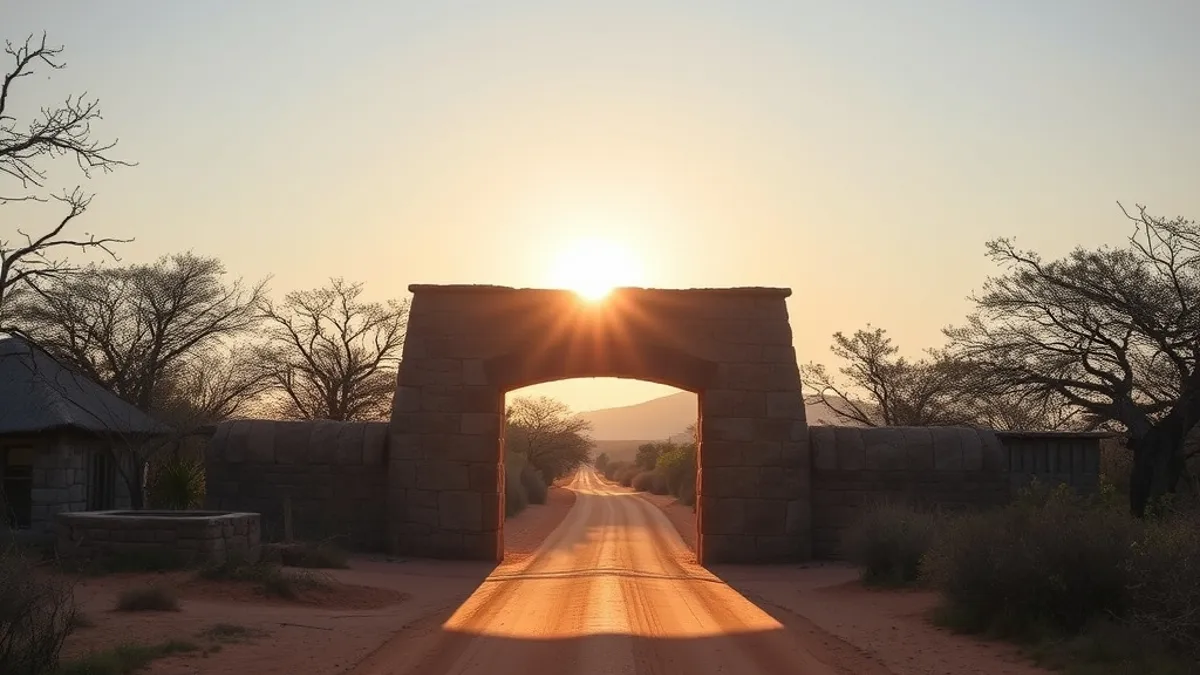
The phrase “inside the park” gets used loosely in safari marketing, and that’s where the confusion starts. A true inside-park lodge sits within the official boundaries of a national park or reserve. That means it follows the same gate opening and closing times as day visitors, typically opening around 05:30-06:00 and closing around 17:30-18:30. Once the gates shut, you can’t drive in or out until they reopen the next morning.
Private concessions: the middle ground
Then there’s a second category that many travelers don’t know about: private concessions. These are tracts of land bordering major parks like Kruger or the Serengeti, often with unfenced boundaries so wildlife moves freely between them. Concession lodges offer inside-style game viewing, but without the gate restrictions, which changes what your daily schedule can look like.
Check the actual driving distance
Finally, watch out for lodges that advertise themselves as “near the park” or “gateway to the reserve.” Some of these sit 30-60 minutes from the nearest gate, which adds real time to every game drive. Before booking, ask the lodge or your operator exactly how far the property is from the gate you’ll use, and factor that drive into your daily plans. A lodge ten minutes from the gate and one an hour away are very different propositions, even if the photos look identical.
Wildlife Access: Gate Times, Night Drives and Off-Road Rules
Wildlife access is where the inside-vs-outside decision matters most, and gate times are the heart of it. If you sleep inside the park, you can be first through the gate at dawn, around 05:30-06:00, when predators are most active. Lions that hunted overnight are often still up and moving, and the cool early hours bring out leopards, hyenas and other animals that disappear once the heat builds. Staying outside means joining the queue at opening time instead of being at the front of it.
What the park rules allow
Public parks have strict rules that shape every game drive. Night drives are forbidden, and vehicles must stay on the designated road network rather than going off-road. That means sightings stay on the roads, and once the sun sets, your viewing day is over. If a leopard slips into the brush, your guide has to wait and hope rather than follow.
Private concession lodges play by different rules. Their guides can track animals off-road, following fresh prints or a distant shape into the bush, and they can run night drives after the public gates close in the late afternoon or early evening. Spotlights come out, and nocturnal species like genets, bushbabies and hunting lions become fair game. If you want a full comparison of properties that offer this kind of experience, our guide to the best hotels for wildlife and safari adventures covers options in detail.
The outside-lodge commute
Outside-park lodges depend on daily game-drive vehicles entering through shared gates, which adds a meaningful chunk of travel time to the start and end of every drive. That’s time not spent watching animals, and it also means you arrive at sightings after the inside-park vehicles have already radioed in the best positions. Add the wait at the gate itself during peak season, and the gap grows. It doesn’t ruin a safari, but it’s a real cost to weigh against the lower price, especially if your priority is maximum hours with the wildlife rather than resort comforts back at your lodge.
Price Ranges and What You Get for the Money
Price is where the two options diverge sharply. Inside-park luxury lodges typically run $400-1,200 per person per night, and that rate usually bundles in game drives, meals and park access. Outside-park lodges range from $150-600 per person per night, which can leave real budget for a longer stay or extra activities like village visits or boat trips. Neither is wrong; they simply buy different things.
The all-inclusive nature of inside-park rates is easy to undervalue. Once you check in, there’s little to arrange: drives, meals and access are handled, and your daily logistics largely disappear. Outside stays often charge drives, meals and transfers separately, so the sticker price can grow once you add everything up. Still, that unbundled structure gives you flexibility, and in some regions you can pair the best of both worlds, for example with villa-style safari stays in South Africa with infinity pools and reserve access.
Before comparing rates, look closely at what each quote includes. These items vary widely between properties:
- Park or conservation fees: many quotes exclude them, and these fees change regularly, so ask for the current rate rather than relying on an older quote.
- Game drive vehicle access: some outside lodges charge per drive, per day, or require you to self-drive in your own rental car.
- Transfers from the airstrip or town: a remote outside lodge may add a sizable shuttle cost that an inside-park rate already covers.
- Drinks and laundry: common inclusions at high-end inside lodges, but frequent add-ons at budget outside properties.
- Guided walks or night drives: usually only possible in concessions or private reserves, and often priced as extras.
A fair comparison means adding up the full cost of each option for your exact dates and length of stay, not just the headline nightly rate.
Timing Your Stay Around the Seasons
Wildlife viewing in both locations follows the same seasonal rhythm. From June to October, the dry season concentrates animals around permanent water sources and thins out the vegetation, making game easier to spot whether you are staying inside the park or outside its gates. This is peak game viewing in southern and East Africa, and it is when lodges in both locations are at their busiest.
One event dominates demand more than any other: the wildebeest migration. Herds move through the Serengeti-Masai Mara region roughly from July to October, and the spectacle draws travelers from around the world. Expect rates and availability to tighten on both sides of the park boundaries during these months, whether you are booking a lodge inside the Serengeti or one just outside it.
The Green Season Trade-Off
From November to March, the green season brings lower rates and the chance to see newborn animals taking their first steps. The trade-off is thicker vegetation and game that is more scattered across the landscape, so sightings can require more patience and more driving. For photographers who love dramatic skies and lush backdrops, this can be a rewarding time to visit. If your priority is simply maximum animal density around a waterhole, the dry season remains the safer bet.
Booking Windows and Availability
Availability works very differently depending on which side of the gate you choose. Inside-park lodges tend to be small properties with a limited number of rooms, and during the June to October dry season they sell out first. For travel in those months, plan to reserve 6-12 months ahead, especially if you have your heart set on a specific lodge or a specific view over a waterhole. The math is simple: a handful of camps and a handful of prime rooms mean the most sought-after combinations disappear long before the season starts. If you are also chasing the wildebeest migration in the Serengeti-Masai Mara region, roughly July to October, expect demand on both sides of the border to tighten even further.
Outside-park lodges offer far more flexibility. Because there are more properties and more rooms in total, you can often find availability 2-4 months out, even in peak season. That breathing room makes outside stays a good match for spontaneous trips or for travelers who prefer to lock in flights first and sort out lodging later. It also means you can shop around and compare rates without watching your first choice vanish overnight.
- Concession camps follow inside-park demand. Private concessions bordering major parks behave like inside-park lodges when it comes to booking, so apply the same 6-12 month lead time.
- Family groups need extra runway. If you need multiple rooms or connecting accommodation, book at the early end of the window, since few properties can absorb a large party at short notice.
- Green season is easier on both sides. From November to March, availability opens up everywhere, which is one more reason flexible travelers can consider waiting longer before committing.
Comfort, Families and Atmosphere
Inside-park lodges trade resort amenities for immersion. Expect rustic-luxe design, beautifully executed but without the full spa-and-entertainment lineup of a resort. There is no popping into town for dinner or supplies, and meals tend to follow the rhythm of game drives, which means early dinners and early nights. For many travelers, that immersion is exactly the point.
When Comfort Comes First
Outside-park lodges often add pools, spas, kids’ clubs and flexible dining, which makes them a natural fit for families and for longer stays. Children who need a break between drives have space to unwind, and parents can enjoy a treatment or a leisurely lunch instead of rushing back out at dawn every single day. If your trip stretches beyond a few nights, that flexibility matters more than you might expect.
South Africa’s safari regions pair particularly well with villa-style stays that blend private pools with reserve access. These properties give families the best of both setups: the privacy and space of a villa, with guided game viewing close at hand. If you are traveling with a multigenerational group, this style of accommodation is worth serious consideration before defaulting to a traditional lodge.
The Bottom Line: Matching the Lodge to Your Trip
So which should you book? If dawn access, night drives and off-road tracking matter most to you, an inside-the-park or private concession lodge is the stronger choice. These properties sit at the top end of the safari price scale, and the most sought-after ones fill up quickly for peak-season dates, so plan well ahead if a specific lodge is on your wishlist.
Outside-the-park lodges win on value, comfort and flexibility. The trade-off is gate queues each morning and wildlife viewing limited to the road network. If your dry-season dates are fixed, lock in an inside-park option early. If your trip is flexible or budget-driven, staying outside the gates frees up money for a longer stay or extra activities. Which option fits your trip? Share your plans or questions in the comments, or pass this along to a fellow traveler.