Picture this: you arrive at a stunning safari-style tent on a remote hillside, ready for a few days of luxury, only to discover there is no Wi-Fi, no wall outlets, no air conditioning and no front desk to call. Many travelers book a luxury tent expecting hotel-style service, then feel caught off guard when reality turns out to be far more rustic than the photos suggested. That disappointment is almost always a preparation problem, not a property problem.
Off-grid glamping can be one of the most rewarding ways to travel, but it works best when you know exactly what you are signing up for. This article walks you through what off-grid glamping actually means, how power and charging work without Wi-Fi, what to expect from water and toilets, how to prepare and pack, when to book, and how to make the most of a screen-free stay. Read it before you reserve, and the disconnection becomes a highlight instead of a shock.
What Off-Grid Glamping Actually Means
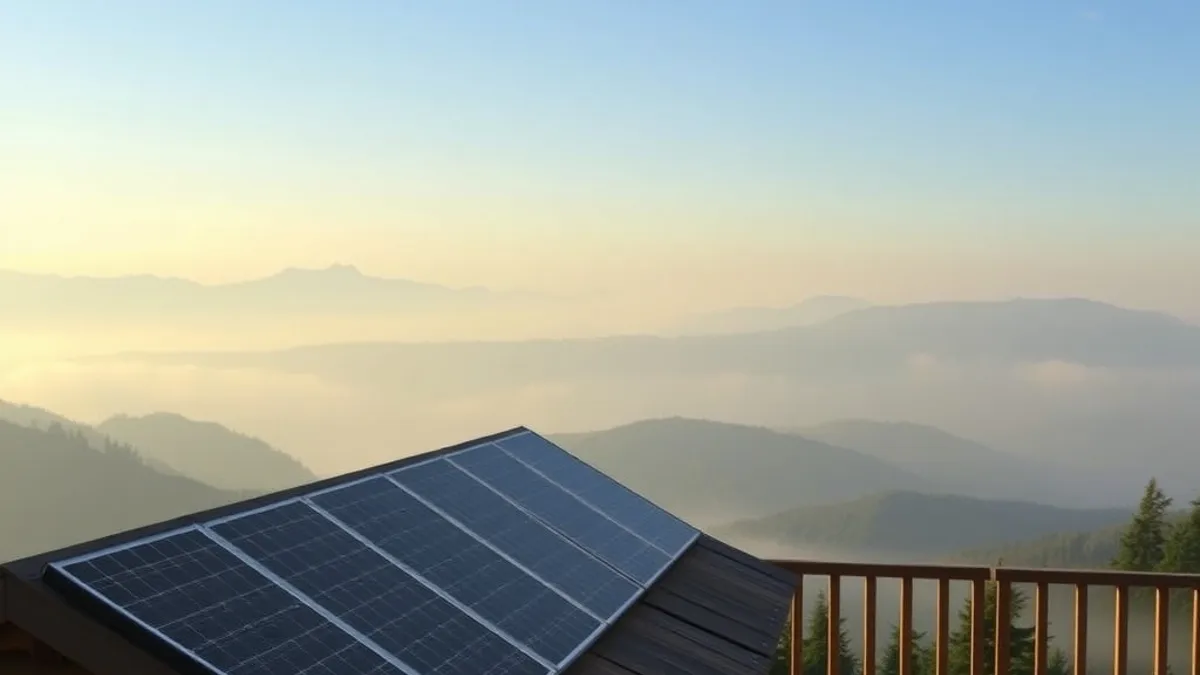
Off-grid glamping simply means your accommodation is not connected to the municipal power grid or the public water supply. Energy comes from solar panels, battery storage or a generator, and water arrives from rainwater collection or delivered tanks. The tent or cabin may look luxurious, but the infrastructure behind it is deliberately independent.
This changes what luxury means at these sites. Instead of outlets on every wall, air conditioning and room service, the luxury lives in the design of the unit, the quality of the bedding and, above all, the location. You are paying for a handcrafted structure on a ridge, lakeshore or private reserve that no hotel could replicate, not for the conveniences of a city hotel room.
Partial service does exist
Not every site is fully rugged. Some operators offer partial service, such as a shared charging station in a common area or a few hours of generator power each evening, often enough to top up devices or run a small appliance. Others keep things strictly solar. The listing should tell you which setup applies, and if it does not, ask the host directly before booking so your expectations match reality.
Power, Charging and Connectivity Without Wi-Fi
Most off-grid glamping sites run on solar power with battery storage sized for lighting and device charging only. That means the electricity is real but limited: enough for interior lights, perhaps a small fan or heater, and slow USB charging. In dry season you can typically expect 2 to 5 hours of usable solar charging per day, and less when the weather is cloudy. Devices with large batteries, like laptops and tablets, may struggle to charge at all.
Connectivity follows the same logic. Wi-Fi, when offered at all, is usually limited to a communal area, and even there the speeds tend to be modest. Treat any signal as a bonus rather than a service, and plan as if you will have none at all. Before departure, download offline maps, playlists and e-books so your phone remains useful without a connection. Just as important, tell family and work you will be unreachable: set an out-of-office message and agree on an emergency contact protocol, such as the host’s phone number that relatives can use if something urgent happens at home.
- Power bank capacity: bring one of at least 20,000 mAh, fully charged before you leave home, so you can recharge a phone several times without touching the site’s solar supply.
- Car charging: if you are driving in, pack a 12V car charger, which turns your vehicle into a reliable backup source at camp.
- Device triage: prioritize your phone over tablets and laptops, and switch it to airplane mode early so the battery lasts for photos and offline maps.
- Host expectations: ask whether charging is available in your unit, at a communal spot or only during generator hours, so you can plan your device use around it.
Water, Toilets and Daily Comforts
Water at off-grid sites usually comes from filtered rainwater or delivered tanks, so it is precious and sometimes limited to what the system can supply that day. Hot showers may be solar-heated, which often means warm rather than scalding water in the evening, or wood-fired, which can take time to heat up. Ask whether bottled drinking water is included, since tap water at these sites is not always intended for drinking.
Toilets are another adjustment. Composting or dry toilets are common, and they work well when used correctly, so read the simple usage rules posted in the unit and follow them to avoid problems. Cooking is often done on a gas ring or a fire pit rather than a full kitchen, so confirm in advance whether meals, cool boxes or kitchen access are included in your rate. Finally, waste is typically packed out or sorted on site, which means whatever you bring in stays with you. Minimize packaging before you arrive by removing wrappers and decanting food into reusable containers.
- Shower timing: with solar-heated water, shower earlier in the day when the tank is warmest, and keep showers short to conserve the supply.
- Toilet etiquette: composting toilets usually require adding a scoop of cover material after use and avoiding liquids or items that disrupt the compost, so check the posted instructions before your first visit.
- Food planning: if you are cooking yourself, bring meals that need minimal refrigeration and confirm whether a cool box with ice is provided or whether you must supply your own.
- Waste sorting: ask where recyclables, compost and general trash go on site, since mixing them can create extra work for remote operators.
How to Prepare and What to Pack
Off-grid tents and cabins are not insulated like hotel rooms, and the temperature can swing dramatically once the sun goes down. A site that feels pleasantly warm at dinner can drop 10-15°C by midnight, so the golden rule is to dress in layers. Think a light t-shirt for the afternoon, a fleece for the evening, and a warm jacket for stargazing. A pair of thick socks and a beanie will earn their place in your bag faster than almost anything else you pack.
Darkness is the other thing first-timers underestimate. Path lighting at remote sites is minimal, and while many units provide a lantern, you should not count on it. A headlamp frees up both hands for unlocking gates, finding the composting toilet or cooking after dark, and spare batteries mean you are not left fumbling if the first set dies on night two.
Before you zip up the bag, run through this checklist of items that make a real difference off the grid:
- Layered clothing in breathable fabrics: merino or synthetic base layers dry overnight and handle the temperature swing far better than cotton, which stays damp and cold.
- A headlamp plus spare batteries: choose one with a red-light mode if you plan to stargaze, since bright white light ruins your night vision for several minutes.
- Cash in small bills: card readers can fail at remote sites with patchy signal, and some hosts only accept cash for firewood bundles, extra meals or local transfers arranged on site.
- A basic first-aid kit and personal medication: include blister plasters, antiseptic wipes and insect repellent, because the nearest pharmacy may be an hour or more away.
- Hard-sided luggage or a duffel bag: gravel tracks and grass paths destroy wheelie suitcases, and a bag you can carry on your shoulder makes the walk from the parking area far easier.
Booking and Timing Your Off-Grid Glamping Trip
Off-grid glamping has grown quickly, and the most photogenic units — the ones perched on a ridge or wrapped around a private deck — sell out first. For the June to September peak, plan to reserve 3 to 6 months ahead. Waiting until spring usually means choosing between leftover dates or a site nobody wanted.
If your schedule allows flexibility, aim for the shoulder months. May and October often bring rates of roughly $150 to $300 per night, quieter grounds and a calmer atmosphere overall. You trade a bit of warmth for solitude, which many travelers consider a fair deal. For inspiration on what a remote, nature-focused stay can feel like, read about a pause along a forest mystery at Huilo Huilo Biological Reserve.
Timing matters on arrival day too. Many remote sites ask guests to check in before roughly 5-6 pm, because staff need daylight to walk you through the solar system, water setup and toilet routine. Arriving after dark at a site with minimal path lighting is nobody’s idea of a good start.
Finally, ask the host a few direct questions before you pay the deposit. The answers shape what you pack and what you expect:
- Where the water comes from: filtered rainwater and delivered tanks are common, and it helps to know whether bottled drinking water is included or something you should bring.
- What type of toilet the unit has: composting and dry toilets work well but come with simple usage rules, and knowing in advance avoids an awkward first encounter.
- How much charging capacity is available: some sites offer only a few hours of solar USB charging per day, which determines how many power banks you should carry.
- Whether meals or a kitchen are part of the stay: cooking facilities vary widely, from a full gas ring to a single fire pit, and this affects your food shopping list.
Making the Most of a Screen-Free Stay
Rethink Your Evening Entertainment
The first evening without Wi-Fi can feel strangely restless, especially if your hands are used to scrolling. The trick is to plan analogue entertainment before you leave home. A paperback you have been meaning to finish, a journal and pen, a pair of binoculars for birdwatching, or even a simple deck of cards will go further than any signal ever could. Card games by lantern light have a way of becoming the memory people talk about for years afterward.
A camera is worth bringing too, even if it is just your phone used sparingly in airplane mode. Without a stream of notifications, you will notice details you normally walk past: the way mist sits in a valley at dawn, or how many different birds you can identify from the deck before breakfast.
Let the Days Follow the Sun
Off-grid sites run on natural rhythms, and the sooner you sync with them, the better the stay feels. Wake with the light for a sunrise walk while the air is cool and wildlife is most active. Cook an early dinner so you are settled before full darkness, then head outside for stargazing — with no nearby towns, the night sky is often the best show on the property.
The biggest surprise for most guests is sleep. Without screens glowing into the evening, your body drifts back to its natural schedule, and most people find themselves going to bed earlier and sleeping longer than they have in years. Treat that reset as the real luxury of the trip. If you want to keep the habit alive at home, try leaving your phone outside the bedroom for the first week back.
The Bottom Line Before You Book
Off-grid glamping trades Wi-Fi, steady power and hotel services for privacy, scenery and genuine quiet. If you arrive expecting hotel-style service, the lack of outlets and on-call staff can feel like a letdown. But if you know what you are signing up for, it becomes the whole point of the trip.
Success comes down to preparation: charged devices, layered clothing, offline maps and realistic expectations. Book early for peak season, confirm the practical details with your host, and treat the disconnection as the highlight rather than a drawback. Have you tried an off-grid stay, or are you planning one? Leave a comment or share this article with a fellow traveler.