Everyone wants the same thing: a beautiful lodge, attentive staff and a front-row seat to nature — at a price that doesn’t sting. The catch is that peak season rates put many of the best properties out of reach, while the low season makes travelers nervous about washed-out trails, closed spas or animals that are nowhere to be seen.
That’s exactly where shoulder season lodge stays earn their reputation. The weeks either side of peak often deliver the same rooms, views and guiding at noticeably lower rates, with only modest compromises. In this article, we’ll define what shoulder season actually means for different lodge types, break down how much you can realistically save, and look honestly at the trade-offs in weather, wildlife viewing and facilities. We’ll also cover when the shoulder works best by lodge type, how to book for the best value, which travelers benefit most, and whether the trade-off is worth it in the end.
What Counts as Shoulder Season for Lodge Stays
Shoulder season is the window that sits between a destination’s peak and low seasons — usually the one to two months on either side of peak. For many safari lodges, that typically means May-June and September-October, when the crowds of the prime game-viewing months have thinned but conditions haven’t yet tipped into the challenging low season.
It’s important not to confuse shoulder season with the low or green season. In the shoulder, occupancy is moderate rather than sparse, most facilities stay open, and the weather is usually workable — you might catch a shower, but you’re unlikely to lose whole days. In the true low season, some lodges close entirely or run on skeleton staffing, which is a very different experience.
Dates shift by destination
There’s no universal shoulder calendar, because peak season depends on what draws people to each region. Alpine lodges see their peaks in December-March for winter sports and July-August for summer hiking, so their shoulder windows fall in late spring and early autumn. Jungle and rainforest lodges, on the other hand, tend to peak during the dry months, which pushes their shoulder season toward the edges of the wetter periods. Before booking, check the specific lodge’s own calendar rather than assuming a generic pattern — a month that’s quiet at one property may still be busy at another a few hundred kilometers away.
How Much You Actually Save on Shoulder Season Lodge Stays
The headline reason to travel in the shoulder is simple: rates commonly run 20-40% below peak pricing at the very same lodge, often for the same room category and the same views. The gaps are widest at high-end properties, where peak-season rates climb steeply and the shoulder discount is therefore substantial in absolute terms. A lodge that feels out of budget in peak months can suddenly become attainable.
Shorter stays, lower totals
Savings go beyond the nightly rate. Minimum stay requirements often drop from 3-4 nights in peak season to just 2 in the shoulder, which lowers the total cost of a booking and gives you more flexibility to combine a lodge stay with other stops on your itinerary. If you only wanted a two-night splurge anyway, the shoulder makes that far easier to arrange.
Lower occupancy also works in your favor at check-in. With empty rooms to fill, lodges are more inclined to offer free or discounted upgrades, and room categories that are normally booked out months ahead become available. You may find yourself in a suite you couldn’t have afforded — or couldn’t have reserved — during peak weeks, simply because the property had space to be generous.
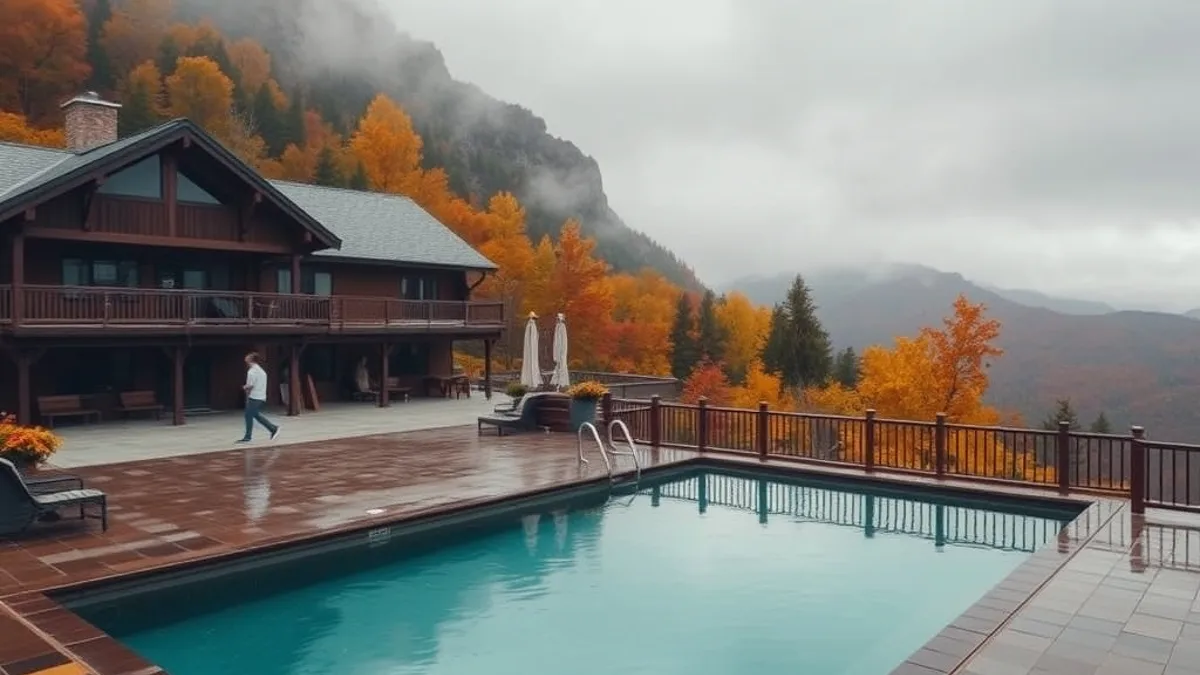
The Trade-Offs: Weather, Wildlife and Facilities
Shoulder season savings are real, but they come with compromises you should understand before booking. The most common one is weather: at the edge of the rainy season, many destinations bring one to two hours of afternoon showers rather than all-day rain. That’s usually packable — a light rain jacket and a flexible schedule handle it — but you’ll want to plan activities around the pattern, with game drives or hikes early and a book or a spa slot for the wet hours.
Wildlife viewing also takes a modest hit. In shoulder months, sightings can be 10-20% harder to come by, either because thicker vegetation hides animals or because herds and wildlife spread out over wider areas when water is more available. You’ll still see plenty, but expect your guide to work a little harder for the standout moments. If wildlife is your main draw, it helps to read up on what makes a great wildlife and safari lodge experience before choosing your month.
Facilities are the third area to check. Some lodges quietly trim service in the shoulder, and what’s on offer varies widely from property to property:
- Limited menus: instead of a full à la carte selection, some lodges serve a shorter set menu in the evening, which matters if you have dietary requirements or high culinary expectations.
- Closed spas or reduced wellness hours: a spa that runs daily in peak may open only on certain days or with a reduced treatment list in the shoulder.
- Shorter activity hours: guided walks, boat trips or evening drives may run less frequently or finish earlier, so confirm which activities operate during your specific month.
None of these are dealbreakers for most travelers, but they’re exactly the details worth confirming in writing before you commit.
When Shoulder Season Is the Sweet Spot by Lodge Type
The sweet spot for shoulder season travel depends heavily on what kind of lodge you are booking. The same calendar window that saves you money at a safari camp may be the trickiest stretch for a mountain lodge, so it pays to match the season to the setting rather than chase a generic discount.
For safari lodges, the green-season edges on either side of peak are often the best-kept secret in the industry. Rates drop noticeably, yet the bush is alive with newborn animals and the migratory movement that follows the rains. Because visitor numbers are moderate, you will typically share sightings with fewer vehicles, which makes for calmer, longer encounters at a kill site or a waterhole.
Jungle and rainforest lodges work differently. Their peak season is built around dry-month reliability, so shoulder windows trade some of that certainty for a more dramatic forest: swollen rivers, mist rising off the canopy and trails you may have entirely to yourself. If you want a sense of what this looks like in practice, the Amazonian setting of Anavilhanas Jungle Lodge in Brazil shows how atmospheric the rainforest becomes outside the driest months.
Mountain and alpine lodges round out the picture. Late spring or early autumn delivers open trails, staffed facilities and a genuinely quiet lodge, without the peak-season crowds jostling for terrace chairs and dinner reservations.
- Safari lodges: newborn animals attract predators, so shoulder months often deliver some of the year’s most dramatic predator-prey action at a fraction of peak pricing.
- Jungle and rainforest lodges: amphibians and birdlife tend to be more vocal and active around the rains, which can make guided walks richer than in the dry months.
- Mountain and alpine lodges: early autumn often brings stable, clear weather and larch or foliage color, giving hikers and photographers conditions peak-season guests rarely see.
How to Book Shoulder Season Lodge Stays for the Best Value
Shoulder season rewards travelers who plan a little more carefully than they would for peak season. Because lodges are managing smaller occupancies and trimmed schedules, a few direct questions before you commit can make the difference between a genuine bargain and a disappointment. The savings are real, but they come with conditions that vary from lodge to lodge and month to month. Here is how to approach the booking so you capture the value without the surprises.
- Book 3-6 months ahead. Shoulder season inventory is smaller than peak inventory, and the best suites and guide pairings tend to go first. Booking inside this window usually secures the pick of the rooms before the value disappears.
- Study the month-by-month rate calendar. Don’t accept a single quoted “shoulder” rate. Prices typically step up as dates approach peak season, sometimes sharply, so comparing the calendar week by week can reveal a cheaper stretch just a few days earlier.
- Ask directly about reduced facilities. Some lodges operate limited menus, closed spas or shorter activity hours in shoulder months. Confirm exactly what runs during your travel dates rather than assuming the full peak program is in place.
- Confirm flexible cancellation. Shoulder season weather is less predictable, so make sure you can shift or cancel without penalty if a forecast turns against your plans.
It also pays to put these questions in writing. An email confirmation that the pool, spa and full activity schedule will operate during your stay gives you something to reference if anything changes between booking and arrival. Lodge management teams often rotate staff between seasons, and what one reservations agent tells you on the phone may not reach the team actually running the property in your month.
Finally, think about what matters most to you before you book. If a closed spa would ruin your trip, that lodge may not be the right shoulder season pick even at a discount. If you mainly want quiet trails, softer light and a good room rate, the trade-offs may barely register. Work through these steps and you will usually find that the same lodge, in the same rooms, costs meaningfully less with very little lost in experience. The travelers who get burned are the ones who book late and never ask what changes in their month.
Who Shoulder Season Lodge Stays Suit Best
Shoulder season lodge stays are not for everyone, and that is precisely why the savings exist. The travelers who get the most out of these months share a few traits: tolerance for imperfect weather, flexibility in their schedules and a genuine interest in the destination beyond its postcard version. If that sounds like you, the value on offer is substantial.
Repeat travelers are the classic candidates. Once you have seen the Serengeti or the Alps at their crowded, full-price peak, the appeal of a quieter game drive and an uncrowded dining room grows fast — and you know exactly what you are comparing the shoulder experience against. You also know which lodge amenities you actually use, so a reduced spa schedule or shorter activity list is unlikely to spoil your stay.
Photographers and birders are another natural fit. Sightings take a little more patience in shoulder months, with thicker vegetation and animals spread over wider ground, but the trade is green landscapes, softer light and far fewer other lenses pointed at the same subject. Migratory bird arrivals can even add species you won’t see at peak. For many, that exchange is an easy one to make.
Finally, travelers with flexible dates hold all the cards. Shifting a trip by a few weeks can land you squarely in the rate dip without changing the itinerary at all, and midweek arrivals within a shoulder month often price lower still — a small shift that compounds the savings.
- Repeat travelers: with peak-season knowledge, you can judge whether a trimmed menu or shortened activity schedule actually affects the parts of the stay you care about.
- Photographers and birders: migratory arrivals in shoulder months add species you simply won’t see at peak, offsetting the tougher sightings.
- Flexible travelers: if the weather looks poor, a flexible booking lets you slide the trip into a drier week without losing the rate advantage.
The Bottom Line on Traveling in the Shoulder
Shoulder season lodge stays come down to a simple trade: you give up some certainty and take 20-40% off the price. The possible costs are real but modest — an hour or two of afternoon showers, wildlife viewing that takes a little more patience, and the odd trimmed facility. For most travelers, that is a fair exchange for the same rooms, the same landscapes and far quieter common areas.
The trade-off becomes clear value when you plan around it. Booking 3-6 months out protects your pick of rooms, and confirming with the lodge exactly what operates in your month removes the surprises around menus, spas and activities. Do those two things, and the savings feel earned rather than risky. If you have traveled in the shoulder yourself, share how it went in the comments — or pass this article along to someone weighing the same decision.