You love the idea of sleeping under the stars, but the thought of a freezing night makes you wonder: is winter glamping actually comfortable, or is it just cold camping with better views? The honest answer is that it depends entirely on the unit you book. A proper winter glamping setup has insulated walls, a real heat source and thoughtful details like enclosed bathrooms, while a summer dome with a fan heater will leave you shivering by 2 a.m.
This guide walks you through what makes cold-season stays different from summer trips, the best destinations by region, and how to pick a unit that’s genuinely winter-ready. You’ll also find practical advice on when and how to book, what to pack to stay warm, and which activities are worth building your trip around. By the end, you’ll know exactly how to make sub-zero nights feel like part of the adventure rather than a compromise.
What Makes Winter Glamping Different from Summer Stays
Summer glamping can get away with a canvas tent, a nice view and maybe a fan for hot afternoons. Winter cannot. Once temperatures drop below freezing, a thin membrane and a plug-in heater fan simply won’t keep a unit warm through the night. Quality winter units feature insulated walls, wood stoves or underfloor heating rated for -20°C to -30°C. That’s the difference between a cozy night and a miserable one, and it’s the first thing to check before booking anything.
Short days change your itinerary
In Arctic destinations like Iceland and Lapland, daylight shrinks to near-24-hour darkness from mid-November to late January. That sounds dramatic, but it reshapes your trip in pleasant ways: plans shift toward aurora viewing, long sauna sessions and slow evenings in cozy interiors rather than packed sightseeing days. If you want some daylight for photos or snow activities, aim for later in the season instead.
Snow changes the logistics
Getting there is another difference. Some winter sites sit at the end of mountain roads that are only plowed partway, so properties may require 4WD transfers or pick guests up by snowmobile. Ask about access when you book, and confirm whether your rental car is suitable. Finally, budget realistically: peak-season winter glamping typically costs $250-800 per night, roughly double the summer rate for the same unit. The higher price reflects heating, insulation and demand, so expect it rather than fighting it.
Best Winter Glamping Destinations by Region
The best winter glamping destination depends on what you want from the season: snow and aurora, ski slopes, or simply mild weather while the rest of the world shivers. The northern-hemisphere winter glamping season runs roughly November to March, and each region offers something distinct within it.
Iceland and northern Scandinavia are the classic choice for aurora hunters. The aurora season here peaks September to March, and properties range from glass-roofed cabins to remote turf-roofed lodges where the northern lights can appear right above your bed. Ice-cave tours and snowmobile trips are easy to add through local operators.
The Alps take a different approach, combining heated alpine pods and igloo villages with direct ski access. Switzerland and Austria have the most developed options, often sitting within walking distance of lifts and village restaurants. If you want a sense of how luxurious an alpine winter stay can be, read about alpine grandeur in Andermatt, Switzerland for inspiration.
Not everyone wants snow, and that’s fine. Milder and warm-weather options are worth considering too:
- The Canary Islands offer spring-like temperatures in January, with coastal dome sites where you can stargaze without gloves, plus volcanic hiking on islands like Tenerife and La Palma.
- Southern Spain, especially Andalusia, gives you cool nights that still feel like glamping rather than survival, with daytime temperatures comfortable for walking white villages and olive groves.
- Australia’s summer coincides with the northern winter, so coastal and outback sites near regions like Western Australia and Queensland are in their best season between December and February.
- Bali stays warm and green during the northern winter, with jungle and rice-terrace retreats offering open-air bathrooms and outdoor showers that would be unthinkable in Lapland.
Whichever region you choose, match the destination to the experience you actually want, since a dome in the Canaries and a cabin in Lapland are barely the same activity.
How to Choose a Winter-Ready Glamping Unit
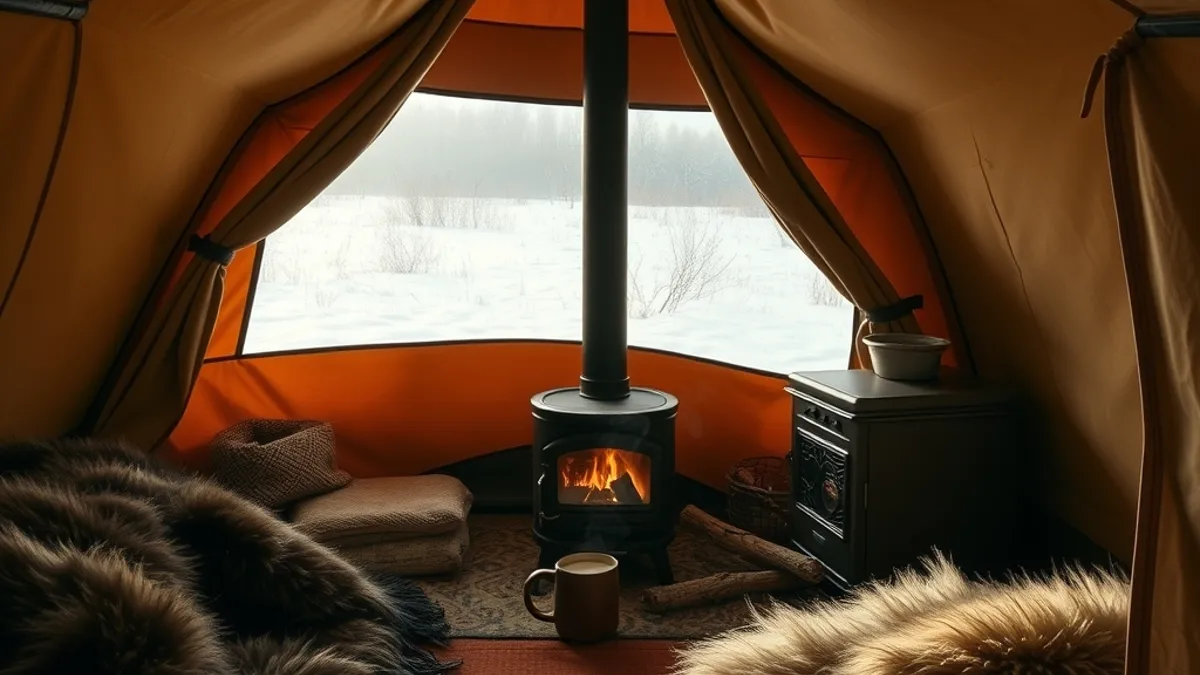
The single biggest factor in whether winter glamping feels magical or miserable is the unit itself. Marketing photos can make any tent look cozy, so look past the styling and focus on structure. The best candidates are geodesic domes with thermal liners, solid log cabins, or safari tents built for four seasons with a proper wood stove. If a listing doesn’t mention insulation at all, treat that as your answer. A canvas bell tent with a small heater fan might photograph beautifully in summer, but it will not hold heat through a long arctic night.
Once you’ve found insulated options, dig into the details before you book. Here’s what to confirm with the host or property:
- The heating source and its rating: ask exactly how cold it gets outside before the unit stops staying warm, since a stove that keeps a tent pleasant at -5°C may struggle badly at -25°C. Quality winter units are built to handle temperatures down to -20°C to -30°C, so anything less is a compromise.
- Bathroom arrangements: in sub-zero destinations, prioritize an enclosed bathroom with hot water inside or attached to your unit over a shared washroom you have to walk to at night.
- What’s included: check whether meals, saunas or hot tubs are part of the stay, because stepping outside at -20°C for dinner or a shower is a very different proposition from slipping down a heated hallway.
- Wood supply: if the unit has a stove, ask whether firewood is delivered daily or whether you’re expected to haul and split it yourself. Running out mid-evening in a snowstorm is no joke.
A good host will answer these questions quickly and specifically. Vague replies about “keeping warm with the provided heater” are a sign to keep looking. Spend an evening reading recent guest reviews specifically for mentions of cold nights, condensation and hot water, and you’ll have a far better picture than any photo gallery can give you. Ten minutes of this homework can be the difference between a trip you rave about and one you spend shivering through.
When and How to Book
Winter glamping books differently from a summer cabin stay. For December-February dates, aim to reserve 3-6 months in advance, and even earlier for aurora-season domes in popular spots. The best-located units, especially those with glass roofs or aurora views, are often the first to go, so having flexible travel dates gives you an edge when availability opens up.
Timing Your Stay
If seeing the northern lights is your priority, think about when you want to go. Arctic destinations spend weeks on end with the sun barely rising, which is ideal for aurora hunting but means very short days for anything else. Late January or February offers a good compromise: nights are still dark enough for strong aurora chances, but daylight is returning, giving you usable hours for snowshoeing or sightseeing.
Read the Fine Print
Winter weather is unpredictable, and mountain roads or regional airports can close after heavy storms. Before you pay a deposit, read the cancellation policy carefully and favor bookings with flexible or weather-related cancellation terms. Check whether your travel insurance covers weather disruptions in remote areas, as rebooking flights or transfers in these situations can get expensive quickly.
Finally, ask about minimum-stay requirements. Remote winter lodges often require two or three nights during peak weeks, and some aurora properties prefer longer stays to give you multiple chances at a clear night. It also helps to confirm what happens if a guided excursion gets canceled due to weather, and whether the property offers a refund or an alternative activity. Knowing these details before you book helps you plan flights and transfers realistically.
How to Stay Warm: Packing and On-Site Tips
Staying warm in a winter glamping unit comes down to two things: the right gear in your bag and a few smart habits once you arrive. Good operators provide quality bedding and a working stove, but your own packing usually determines whether you sleep well or shiver through the night. Here is how to get it right.
- Dress in proper layers. Start with a merino wool base layer, add a fleece or down mid-layer for insulation, and finish with a windproof shell rated to -15°C or lower. This system lets you adjust as you move between the cold outdoors and a heated tent, peeling off a layer when the stove is roaring and adding one back when you step outside for the aurora.
- Protect your extremities. Bring insulated waterproof boots, a warm hat, gloves and thick socks. You will likely walk between your tent and shared facilities or dining areas, and wet or cold feet can end an evening quickly. Pack a spare pair of socks so a damp pair never has to go back on.
- Manage the wood stove overnight. Top the stove up with logs right before bed so the heat carries through the early hours. Crack a vent slightly at the same time; a small airflow keeps the air fresh and prevents that stuffy, headachy feeling by morning. If you have never used a wood stove before, ask the staff for a quick demo on arrival.
- Sleep smart, not bulky. Fill a hot water bottle before getting into bed and sleep in thermal base layers rather than piling on restrictive blankets. Layers you can move in trap heat better than a heavy tangle of bedding.
- Keep essentials within reach. Stash a headlamp, water bottle and an extra layer by your bed. Fumbling around a dark tent at minus temperatures is no fun, and a headlamp saves you from draining your phone battery.
Follow these steps and you will spend your nights warm and your days energetic, no matter how low the thermometer drops outside the canvas.
Winter Activities to Build Your Trip Around
Winter glamping works best when the trip is built around activities, not just the accommodation. The right mix depends entirely on your destination, since a snow-covered dome in the Arctic and a terrace tent in the Canary Islands offer completely different experiences.
In Snow Country
If you are headed to Iceland or northern Scandinavia, the northern lights are the headline act. Aurora season there runs from September to March, and clear, dark nights give you the best viewing chances. Many glamping properties offer aurora wake-up calls or dedicated viewing areas, so ask when you book.
Fill your days with snow-based excursions. Snowshoeing, dog sledding and ice-cave tours are commonly booked directly through the property, which is convenient when transfers are involved. Guided ice-cave visits in particular should not be attempted independently, as conditions on glaciers change quickly.
In Milder Destinations
Southern Europe and warm-weather destinations call for a different plan. Think hiking, stargazing and long spa sessions instead of snow sports. Cool-season temperatures are often ideal for walking, and many glamping sites in these regions lean into wellness with hot tubs, massage and outdoor fire pits.
Wherever you go, balance is the key. Plan one guided excursion per day and leave the rest for downtime in saunas, hot tubs and heated lounges. Winter days are short and recovery time is part of the appeal, not wasted hours.
Wrapping Up Your Winter Glamping Plan
So is winter glamping actually comfortable, or just cold camping with better views? It comes down to matching three things: the destination, the unit type and the heating. A properly insulated dome or cabin with a wood stove or underfloor heating, rated for serious cold, keeps you warm while the snow falls outside your window. Choose a summer tent with a plug-in heater and you will feel the difference by midnight.
The two decisions that matter most are booking early and packing right. Reserve your December-February dates 3-6 months ahead, and bring proper layers — a merino base, an insulating mid-layer and a windproof shell. Do that, and sub-zero nights stop being a compromise and become part of the experience: stepping out of a warm tent into silent, snow-covered darkness is something you will remember long after the trip. If you have been on a winter glamping trip, share how it went in the comments.