Picking where to stay in Barcelona is trickier than it looks on a map. The city is a patchwork of neighborhoods that feel nothing alike: the medieval lanes of the Gothic Quarter, the elegant modernist grid of Eixample, the beachfront buzz of Barceloneta and the village-like calm of Gràcia. Book a hotel in the wrong one for your travel style, and you can spend your whole trip commuting, fighting crowds or missing the atmosphere you came for.
This guide breaks down the five most visitor-friendly areas, matching each one to a trip style. You will find who each neighborhood suits best, what the hotels are like, and how far you will be from the sights. We also cover when to book and what to budget, so you can choose your base with confidence before rates and availability tighten up.
Where to Stay in Barcelona: Matching a Neighborhood to Your Trip
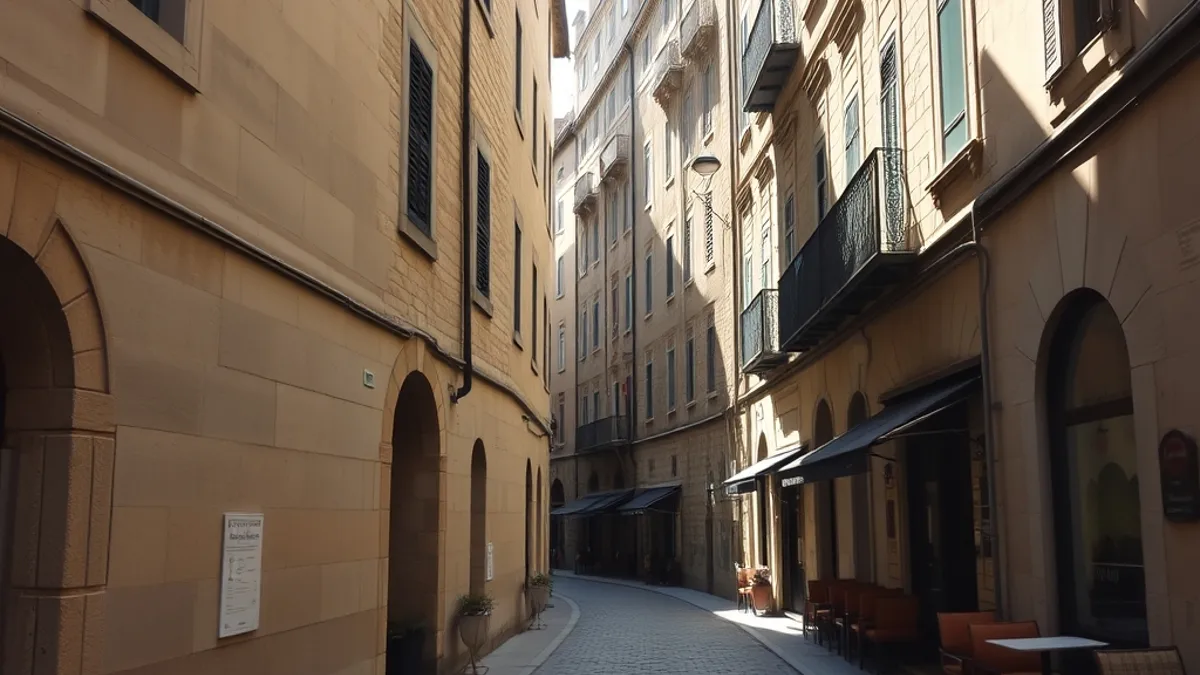
Barcelona is compact, but its neighborhoods could hardly be more different. The Gothic Quarter wraps you in medieval lanes that twist with no obvious logic, while Eixample runs on a clean, modernist grid of wide boulevards and chamfered street corners. Barceloneta lives by the sea, El Born hums with boutiques and tapas bars, and Gràcia, uphill from the center, feels almost like a separate village. Choosing between them is really a question of choosing the atmosphere you want to wake up in.
For first-time visitors, the safest bet is one of the central districts. Most major sights, including the Sagrada Familia and Park Güell, sit within 20-30 minutes of these central districts by metro, so a central base keeps every day flexible. You can pop back to your hotel for a rest, drop off shopping bags and head out again without planning your life around a long commute.
Match the base to your trip style
The simplest way to narrow your choice is to ask what your trip is actually about. Sightseers are usually happiest in the Gothic Quarter or El Born, beach lovers in Barceloneta, architecture fans in Eixample, and families in the quieter streets of Gràcia. Food-focused and nightlife-driven trips each pull toward different corners of the city too, and the sections below spell out those trade-offs in detail.
One warning: resist booking purely on price. The cheapest rooms often sit on the city’s edges, and what you save per night you pay back in metro rides and lost hours every single day. A slightly pricier, better-located hotel usually delivers a better trip, not just a more convenient one.
Gothic Quarter and El Born: Best for First-Time Visitors
The Gothic Quarter is Barcelona at its most atmospheric. You sleep within steps of the cathedral, La Rambla and a maze of medieval lanes where every corner seems to hide a plaza or a café. For sightseeing on foot, nothing beats it: the old town’s biggest sights, plus the Boqueria market and the riverside, all sit within a short stroll of your door.
El Born, just northeast of the Gothic Quarter, offers a slightly calmer take on the same old-town charm. Its streets hold boutique shops, some of the city’s best tapas bars and the Picasso Museum, and the evenings feel lively without tipping into chaos. Many travelers find it the sweet spot between atmosphere and livability.
What the hotels are like
Set your expectations before you book. Buildings here are centuries old, so rooms tend to be narrow, ceilings can be low and elevators are not guaranteed. If your hotel faces a lively street, check soundproofing reviews carefully, because the bars and restaurants that make the neighborhood fun are also what you will hear through the window at midnight.
Beach access without beach prices
Here is a bonus many visitors overlook: Barceloneta beach is roughly a 10-15 minute walk from the Gothic Quarter’s southern edge. You can spend the morning on the sand, shower off and be back in the old town for lunch. That makes the Gothic Quarter a strong pick for travelers who want both the medieval city and a taste of the coast, without paying seafront rates.
Eixample: Modernist Landmarks and Wide Boulevards
Cross Plaça de Catalunya and the city changes character completely. Eixample’s ordered grid brings wider streets, more light and a noticeably calmer feel than the tangle of the old town. Sidewalks are broad, traffic is orderly, and the constant hum of crowds fades into something closer to everyday Barcelona life.
The headline attraction is the architecture. Passeig de Gràcia hosts Gaudí landmarks Casa Batlló and La Pedrera within a few blocks of each other, and the surrounding streets are dotted with facades from the same era. If you love buildings, you can spend days here without a metro card, and the avenue also carries flagship shopping for every major brand.
Comfort comes standard
Hotels in Eixample skew toward elegant early-20th-century buildings, and many occupy grand townhouses converted with modern amenities. In practice, that means rooms are often larger than what you will find in the Gothic Quarter, with better soundproofing, bigger windows and a more restful night’s sleep. If you have ever felt claustrophobic in an old-town hotel, this is the antidote.
This neighborhood suits travelers who prioritize architecture, shopping and comfort over old-town atmosphere. You trade cobbled romance for space and quiet, and for many visitors that is a bargain. If the idea of sleeping inside a building with real architectural pedigree appeals to you, browse our guide to hotels that are known for their unique architecture, because Eixample has some of the best examples in the city.
Barceloneta and the Seafront: Best for Beach Lovers
Barceloneta is the neighborhood for travelers who want sand at their doorstep. The district sits directly on the beach, and its narrow streets are lined with seafood restaurants where grilled fish and paella are the order of the day. Mornings here start with a walk along the boardwalk rather than a rush toward a metro station.
That beachfront position comes at a price. Seafront hotels command premium rates during the June to August peak season, with the best-positioned rooms selling out early, and luxury properties can climb well above what you’d pay inland. If your dates are flexible, the shoulder months of April-May and September-October combine the same beach access with milder weather and noticeably softer rates, plus a more local feel on the promenade. Always check current prices before booking, as seafront rates shift sharply with demand.
The trade-off: distance from the sights
Barceloneta sits at the edge of the city, so sightseeing takes a bit more planning than it would from the central districts. Reaching landmarks such as the Sagrada Familia and Park Güell means starting your day with a metro ride, and the metro connection, while reliable, adds time to every museum-heavy itinerary. The old town is close enough to reach on foot, which helps for evenings out.
The sweet spot is a trip built around the sea: long beach mornings, late lunches by the water and the occasional excursion into the center. If that sounds like your kind of Barcelona, Barceloneta delivers.
Gràcia and Family-Friendly Alternatives
Gràcia sits uphill from Eixample, and the moment you arrive the city feels different. Formerly a separate town, it still behaves like a village: leafy plazas, local cafés, small bakeries and far fewer tour groups than the old town. Residents fill the squares in the evening, giving the area a relaxed, lived-in rhythm.
That calm makes Gràcia one of the better picks for families. The streets are quieter, and the neighborhood’s playground-filled squares give kids room to run while parents finish a coffee, something the party-heavy old town can rarely offer. Evenings wind down earlier here, too, which helps with younger children.
What to look for in family accommodation
Space is the priority when traveling with children, so look for apartment-style hotels or aparthotels with kitchenettes and connecting rooms. Being able to prepare breakfast and keep snacks on hand saves both money and daily stress. Before you book, it helps to browse hotels that are perfect for family-friendly vacations to compare room layouts and amenities worth having.
The location still keeps sightseeing simple. The metro connects Gràcia to the central districts, where most major landmarks sit within a short ride, so you can spend the morning sightseeing and be back in your neighborhood plaza by late afternoon.
When to Book and How Much to Budget
Timing shapes your hotel budget in Barcelona as much as neighborhood choice does. For stays during the June-August peak, reserve 2-3 months ahead, and do the same for event weeks like Mobile World Congress, when the city’s hotel supply is pulled toward business travelers. Book later than that and you will likely face thinner choice rather than better prices.
The shoulder months of April-May and September-October are the smart traveler’s window. You get milder weather, noticeably lower rates and a city that feels less crowded at the major sights. If your dates are flexible, shifting a summer trip into one of these windows often saves more than any booking trick.
What to factor into your budget
As a baseline, budget roughly €100 per night in value districts and €400+ for luxury properties in high season. But the nightly rate is only part of the picture:
- Breakfast included can save a family €20-30 a day compared with eating out every morning, so weigh it against a slightly higher room rate.
- A hotel near a metro stop can save two fares per person per day; a cheap room far from a station quietly adds transport costs and time.
- City tourist taxes are added on top of the nightly rate in Barcelona, so check the current amount before comparing quotes.
- Air conditioning matters in July and August; some budget properties charge it as an extra, which changes the real price of that €100 room.
Compare total value rather than the headline rate, and the cheapest option is not always the best deal.
Choosing Your Base with Confidence
So, which neighborhood should you pick? Match it to your trip style: Gothic Quarter and El Born for sightseeing, Eixample for comfort and architecture, Barceloneta for the beach, and Gràcia for families. There is no single best base in Barcelona, only the one that fits how you want to spend your days.
Keep in mind that timing shapes price and availability more than neighborhood choice does. Booking a few months ahead matters far more than the district you settle on, especially for summer stays and big event weeks. Once your base matches your plans, the whole trip gets easier, from morning coffee to the metro ride home. If this guide helped you choose, leave a comment or share it with a fellow traveler.