If you have ever waited too long to book glamping, you already know the sting: you find the perfect safari tent or treetop cabin, pick your dates, and discover it sold out months ago. Popular glamping sites often fill their summer calendars far in advance, and last-minute searches frequently end in disappointment or a long drive to a backup option nobody was excited about.
The good news is that timing a glamping booking is not complicated once you know the pattern. This guide walks through how far ahead to plan for peak summer weekends, holiday periods, shoulder-season escapes and spontaneous winter stays. We also cover how your destination changes the math, what luxury glamping typically costs, smart booking strategies for long-lead reservations, and what to do if your first-choice site is already full. By the end, you will have a clear timeline for securing the stay you actually want, not whatever is left over.
How Far in Advance to Book Glamping: The Short Answer
The honest answer depends on when you want to travel, but there is a simple rule of thumb that works for most trips. For peak-season dates in June through August at popular glamping sites, plan to book glamping stays 6-12 months ahead. These prime summer weekends are the first to disappear, especially at sites with only a handful of units, where a single sold-out weekend can wipe out a month of availability.
Shoulder-season trips in April-May or September-October are more forgiving. A lead time of 3-6 months is usually comfortable, and you get a bonus: milder weather, thinner crowds and often softer rates than the height of summer.
Spontaneous? Aim for the off-season
Off-season and winter stays are the most flexible of all. Availability is at its widest, and you can often secure a spot just 4-8 weeks before arrival. That makes cold-season glamping ideal for spontaneous travelers who want a wood-stove-heated tent on short notice.
If you remember nothing else, remember this: the more popular the dates, the earlier you should commit. Work backward from your travel window and give peak trips the longest runway.
Peak Season: When 6-12 Months of Lead Time Is Non-Negotiable
Peak season is where glamping bookings are won or lost. Summer weekends in June through August at sought-after sites sell out first, and they sell out fast. Many operators open next year’s calendar 12-18 months in advance, so if you have your heart set on a specific tent for a specific July weekend, target that calendar opening rather than waiting for the season to arrive. Returning guests often get first refusal, which shrinks public availability even further.
Holidays move even faster
Holiday windows like Christmas, New Year and Easter demand 9-12 months of lead time, even at smaller operators. Multi-night minimum stays are common over these periods, which means fewer individual bookings are needed to fill every unit. If a family reunion or festive getaway is on your list, treat it like an event and book it the moment dates open.
Tropical destinations run on a different clock entirely. Glamping demand there follows the dry seasons rather than the summer holidays: December through April in Southeast Asia, and June through September in the Maldives region. In both cases, the dry-season peak behaves like summer elsewhere, so apply the same early-booking discipline you would for a July trip, and move even earlier for the most exclusive properties.
Shoulder and Off-Season: Flexible Windows That Reward Late Planners
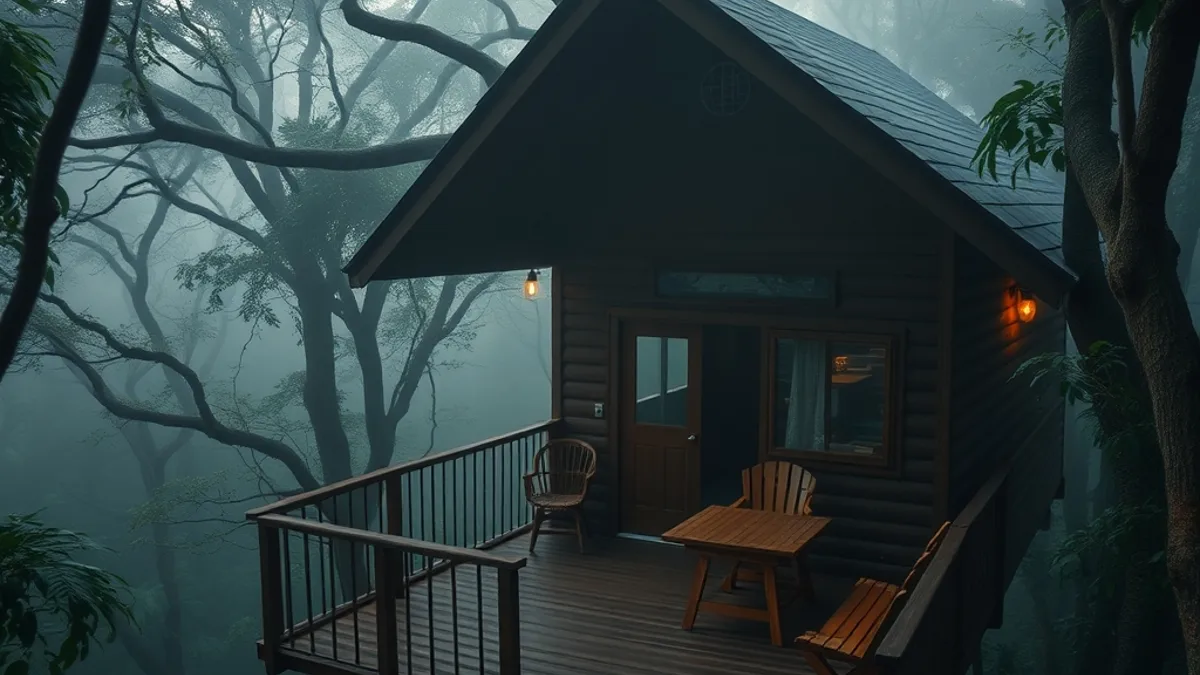
Not every great glamping trip requires a year of planning. The shoulder seasons of April-May and September-October offer a comfortable 3-6 month lead time, and they come with real advantages: milder weather, thinner crowds and a calmer pace at the site itself. You can often secure a specific unit rather than taking whatever remains, and operators are more willing to answer questions, upgrade units or accommodate special requests when they are not juggling a full calendar of arrivals.
Off-season winter glamping is the most spontaneous-friendly window of all. Availability is at its widest, so you can often book much closer to your travel dates without sacrificing choice. That makes it perfect for a last-minute cozy escape with a wood stove, a hot tub under the stars and a good book. Just pack for the cold and confirm which facilities stay open in winter, since some sites scale back services in the quiet months.
Even in high season, timing flexibility can save you money and hassle. Midweek stays are typically 20-40% cheaper than weekend nights, which softens the pressure to book far ahead. Shifting your dates by a day or two can be the difference between a sold-out site and an open calendar.
- Shoulder seasons stretch your budget. Many operators drop their rates between peak and off-peak periods, so the same tent that commands top dollar in August can cost noticeably less in early October.
- Midweek bookings unlock premium units. The most requested tents and treehouses, often held by weekend guests months ahead, are frequently open Monday through Thursday much closer to arrival.
- Winter stays favor flexible travelers. Cold-weather glamping suits adults and couples more than families tied to school holidays, so sites tend to stay open and available well into the colder months.
How Season and Destination Change Your Booking Lead Time
Not all glamping destinations fill their calendars at the same speed, and understanding your destination’s rhythm matters as much as knowing how far ahead to book. The single biggest factor is how short the prime window is. Desert and alpine sites often have only a few months a year when conditions are genuinely pleasant, so everyone who wants to go is competing for the same limited stretch of dates. These calendars fill fastest and reward the earliest bookings, especially for summer weekends when families and couples converge on the same handful of comfortable weeks.
Rainforest and tropical sites behave differently. Demand spikes during the dry season, which is when you should plan well ahead. In Southeast Asia, the dry-season peak runs roughly December-April, while the Maldives region sees its high demand from June to September. Wet-season months, on the other hand, tend to free up space much closer to arrival, making them a good match for flexible travelers who don’t mind afternoon showers in exchange for easier availability and quieter surroundings.
Coastal and island stays follow the school calendar
Coastal and island glamping is driven less by weather and more by school holidays. Family weeks during summer breaks are the first dates to disappear, and at sought-after beachside sites they can be gone before anyone else has even started planning. If you’re traveling with children and locked into school-holiday dates, treat those trips like peak-season bookings regardless of the destination, and check the calendar as soon as operators release the following year’s dates. Couples or groups who can travel outside those weeks will find coastal availability far more forgiving, with better choice of tent styles and often softer rates.
Budget, Rates and Booking Strategy for Glamping Stays
Luxury glamping is no longer a budget camping alternative. Rates commonly range from $200 to $1,000+ per night depending on the season and destination, and the top-end peak-season rates are exactly the ones that book out first. If you’re eyeing a premium safari-style tent or an overwater-style setup for July, assume the most expensive nights will also be the scarcest. That price tag also tends to attract repeat guests, many of whom rebook the same tent for the following summer before it’s ever advertised publicly.
Timing your booking around calendar releases can make a real difference. Many glamping operators publish next year’s availability well before most travelers start planning, which means the most popular summer weekends may be bookable long before you’d think to look. Sign up for the operator’s newsletter or follow their social channels, since new dates are often announced there first. Set a reminder for when your target site typically releases dates, and book within the first days if you can. Early birds not only get the pick of the tents, but sometimes the best rates too.
- Refundable rates: These cost more per night, but for bookings made 9-12 months ahead they protect you if work, health or family plans change. The premium is usually far less than losing a full non-refundable payment.
- Non-refundable rates: Often the cheapest option, but only sensible for short-lead bookings made a few weeks out, when your plans are firm and the risk of cancellation is low.
- Deposit structures: Some operators take a partial deposit at booking with the balance due closer to arrival, which eases cash flow on long-lead reservations. Ask about this before paying in full.
Red Flags and Last-Minute Options When Glamping Is Sold Out
Sold out doesn’t always mean sold out for good. If your first-choice glamping site is full, ask whether they run a waitlist. Cancellations are common, and they tend to free up rooms 2-4 weeks before arrival, when final payment deadlines and change-of-plans moments hit. A polite email asking to be contacted if a spot opens costs nothing and regularly pays off.
Flex your destination, not your dates
During peak season, it’s usually smarter to change where you go rather than when you go. If the famous site near a national park is full, look at alternative operators in the same region or a less-known area one or two hours away. You’ll often get a similar landscape and experience with more availability and sometimes lower rates. Compromising on your dates instead, say shifting a family trip outside school holidays, is rarely possible anyway.
One warning before you book far ahead: avoid operators with no clear cancellation policy. When you’re committing to a stay many months out, transparency matters more than a small discount. A site that states its refund windows, deposit terms and weather policies in writing is far safer for a long-lead booking than one offering a slightly cheaper rate with vague answers. If the operator can’t explain what happens if you cancel or if they close, take your booking elsewhere.
It also pays to stay organized once you’re on a waitlist. Keep a simple note of the sites you’ve contacted, the dates you want and any confirmation emails you receive. If a cancellation comes through, you may only have a short window to confirm before the operator moves on to the next person on the list. Responding quickly, ideally within a day, can make the difference between securing the tent and losing it to someone else.
Your Glamping Booking Timeline at a Glance
Glamping sites sell out months ahead, and waiting too long is the fastest way to find your dream tent or treehouse already taken for the dates you want. The fix is simple: match your lead time to your season. Peak and holiday dates need 6-12 months of planning, shoulder seasons are comfortable at 3-6 months, and off-season stays can often be secured just 4-8 weeks out.
Keep the budget picture in mind too. Luxury glamping commonly runs $200-$1,000+ per night, and midweek stays in high season are often 20-40% cheaper than weekends. Above all, remember that matching your destination’s season to your booking lead time is the single biggest factor in securing the stay you actually want. If this guide helped you plan your trip, leave a comment or share it with a fellow traveler.