Glamping in Europe can be magical or miserable depending on the month. A canvas tent that feels dreamy under a warm June sky can turn damp and chilly in April, while a heated dome in the Alps is pointless in July. The right season makes the difference between a trip you rave about and one you’d rather forget.
This guide walks through the year month by month. We’ll start with why timing matters so much for glamping in Europe, then cover spring, summer, autumn and winter in turn, before explaining how and when to book and helping you choose your best month. Whether you’re dreaming of a Portuguese yurt in April or a snow-view dome in the Nordics, you’ll find practical advice to match your destination to the right time of year.
Why Timing Matters for Glamping in Europe
Glamping comfort depends directly on the weather, far more than a regular hotel stay. Canvas tents, safari lodges and geodesic domes offer much less climate control than a sealed hotel room with air conditioning and thick walls. If a June heatwave rolls in or a cold front arrives overnight, you’ll feel it. That’s why the month you pick matters more than it would for a city break.
Season drives price
Your timing also has a major effect on your wallet. Peak-season nightly rates are often 30-50% higher than in shoulder months, so the same safari tent that fits your budget in May can stretch it hard in August. If your dates are flexible, shifting a trip by a few weeks can free up real money for a better site or a longer stay.
Availability changes by month
Finally, availability shifts dramatically through the year. Many mountain sites in the Alps and most Nordic glamping operations only open during a short season, roughly from early summer to early September in the far north. Book outside that window and your dream site simply won’t exist yet. Knowing which regions operate in which months is the first step to planning a trip that actually happens.
Spring Glamping: April and May
Spring is when southern Europe warms up first. April is ideal in Spain, Portugal, Greece and southern Italy, where daytime temperatures are pleasant without the summer scorch. You can enjoy beachside domes and hillside yurts before the crowds and peak prices arrive, and the landscapes are still green from winter rain.
Why May works across central Europe
By May, mild temperatures reach central Europe, bringing blooming meadows, orchards and forests to life. Sites in France, Austria, Germany and the Czech Republic open their season, and you get long, light evenings without the holiday crowds. May sits firmly in the shoulder season, so prices are typically friendlier than in midsummer, though popular weekend slots can still fill up.
What to pack for spring nights
The trade-off is the cold. Spring nights can still drop below 10°C in many regions, even when the days feel warm. Pack layers you can add and remove easily: a fleece for evenings, warm socks and a light beanie for sleeping, plus a waterproof jacket in case of showers. Check whether your tent or dome has heating or extra blankets before you book, and if you’re sensitive to the cold, aim for late May rather than early April.
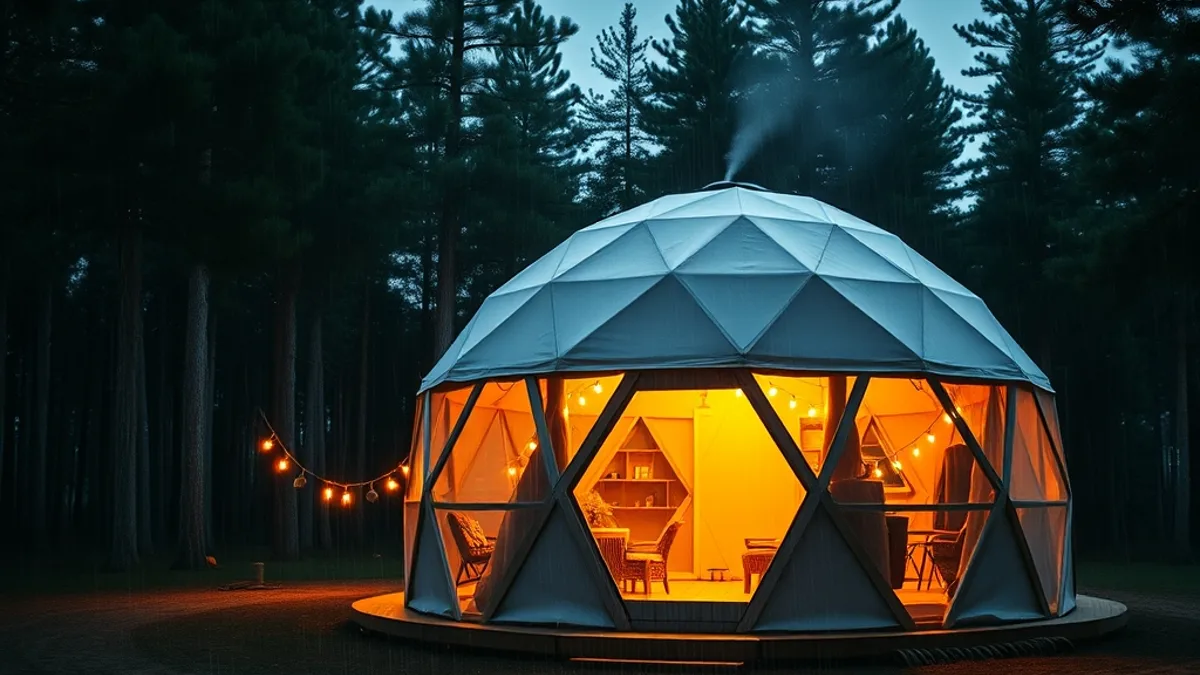
Summer Glamping: June to August
June is arguably the best-kept secret of the European summer. Daylight stretches late into the evening, temperatures are warm but rarely oppressive, and most sites haven’t yet hit their peak occupancy. In many regions you’ll still find availability a few weeks out, and nightly rates typically sit below what you’ll pay in July and August.
By July and August, the season is in full swing. Coastal sites in Portugal, Greece and Croatia, lakeside spots around Italy and the Alps, and popular national-park locations all see their highest crowds and their highest prices. That doesn’t make these months a bad choice — the weather is at its most reliable, the sea is at its warmest, and many sites run their full program of activities. Just book well ahead and expect to pay peak-season rates.
The Nordic exception
For Iceland, Norway, Sweden and Finland, this window isn’t just the best time — it’s essentially the only realistic time. The Nordic glamping season is short, running roughly June to early September, and outside those weeks most sites simply close. If a night under the midnight sun or a stay at a remote Icelandic lodge has been on your list, summer is when it happens. For a sense of what’s possible at the far end of that window, read about lounge into glacier silence at Deplar Farm in Iceland.
One practical note: even in high summer, Nordic nights can feel cool, so check what heating and bedding each site provides before you pack.
Autumn Glamping: September and October
September might be the best-kept secret in European glamping. The sea and land hold onto summer warmth, so you can still swim off many coasts, yet the July and August crowds have thinned out noticeably. Family vacations wind down, campsites quiet down, and peak-season rates typically give way to shoulder-month pricing.
What to expect in early October
Early October still works well in southern Europe. Spain, Portugal, Greece and Italy sit within the April-to-October comfort window, so a safari tent or dome in Andalusia or the Greek islands remains pleasant while much of the continent cools. Further north and in the Alps, though, many sites begin closing for the season, so double-check that your chosen site is still open before planning an October trip in central or northern Europe.
Why autumn scenery is worth the trip
Foliage season transforms forest and mountain sites into some of the most scenic places you can sleep under canvas. Golden larches, red beech woods and misty mornings make for quiet walks and rewarding photos straight from your tent door. If a forest setting appeals to you, reading about a stay in a temperate rainforest reserve like Huilo Huilo Biological Reserve shows just how atmospheric woodland glamping can be when the landscape takes on autumn color.
Winter Glamping: November to March
Once November arrives, standard safari tents and bell tents are effectively off the table in most of Europe. Canvas structures without proper heating lose warmth quickly, and sub-zero nights make them uncomfortable at best. Winter glamping is limited to heated domes and cabins, mainly in the Alps and the Nordic countries, where operators invest in real insulation, wood stoves or underfloor heating.
The payoff can be spectacular. Snow-view domes in the Alps let you watch flurries from a warm bed, while Nordic destinations offer stays built around the aurora season. Keep in mind that winter days are short, sometimes only a handful of usable daylight hours in the far north, so plan activities around the darkness rather than fighting it.
Before booking any winter stay, verify the practical details. Good operators will answer questions about their setup openly, so ask directly. Things worth confirming include:
- Whether heating runs overnight or switches off after a set hour, since some eco sites limit stove use to the evening
- What insulation the structure has, such as double-glazed windows, insulated wall panels or a proper thermal layer under the floor
- How you reach the site in snow, whether a shuttle, marked winter trail or road that is plowed regularly
- Whether water facilities stay functional in freezing temperatures or freeze up overnight
A little diligence here makes the difference between a magical snow-globe weekend and a cold, damp night in a tent.
How and When to Book Your European Glamping Trip
Glamping sites are small by nature, often with only a handful of units per property, so the best pitches and the most sought-after unit types go fast. A safari tent facing the water or a dome with a private terrace might be one of just a few on site, and once it is gone, your options shrink quickly. Booking strategy matters more here than it does for hotels, where a sold-out room usually means trying the property next door. The right timing also depends entirely on when and where you plan to travel, since seasons vary widely across Europe. Follow a few simple steps to lock in the stay you actually want.
- Pick your destination and month first. A coastal site in Greece in May is a completely different booking exercise than a snow dome in Lapland in January, so decide on the region and season before you start comparing prices. This single decision shapes everything else, from how far ahead you need to book to what kind of structure you should be looking for.
- Book 3-6 months ahead for peak summer. Popular summer sites, especially for July and August weekends at coastal and national-park locations, fill up far in advance. Reserving early gives you both availability and your choice of unit, whether that means the tent with the best view or the one closest to the facilities.
- Stay flexible in the shoulder season. Shoulder-season trips, such as May or September, can often be booked 4-8 weeks out, and you will typically find better rates by waiting rather than losing anything in choice. Midweek dates open up even later and can save you money.
- Read the cancellation policy carefully. Glamping is weather-dependent, and mountain or coastal trips sometimes need date changes rather than outright cancellations. Look for operators offering free date shifts or moderate cancellation windows, and consider travel insurance for expensive peak-season bookings.
- Confirm the details before paying. Check what is included, from bedding and heating to bathroom access, so there are no surprises on arrival. If you are traveling outside the warmest months, ask directly how the unit is heated and insulated.
A little planning goes a long way in glamping. Because inventory is limited and seasons are short, the travelers who book with some thought almost always end up with the better tent, the better view and the better price. Decide early, read the fine print, and your canvas home away from home will be waiting exactly as you pictured it.
Choosing Your Best Month for Glamping in Europe
So, which month should you pick? For most travelers, the shoulder seasons win: May and September to early October combine mild weather, thinner crowds and rates that can sit well below the 30-50% peak-season premium. If you’re headed to southern Europe, you have the longest window, from April through October.
Summer remains the right call for Nordic trips and coastal escapes, especially in July and August when the sea is warmest, just remember to book those popular sites 3-6 months ahead. Winter glamping is a different beast entirely: stick to heated domes and cabins in the Alps or the Nordics, and verify the insulation before you commit. Match the month to your destination, and your trip will almost certainly be magical rather than miserable. Have a favorite glamping month? Share it in the comments or pass this guide along to a fellow traveler.