You’ve seen them in the resort photos: a terrace that steps straight into the water, loungers at the pool’s edge, no elevator or towel scramble required. Swim-up rooms look like the ultimate upgrade, but the premium can be substantial, and it’s not always obvious what you’re actually paying for. Some units share a lagoon with a dozen neighbors, while others come with a private plunge pool, and the difference matters when you’re comparing prices.
This guide breaks down exactly what a swim-up room is, what the extra cost typically buys, and how these units stack up against overwater villas and infinity suites. We’ll also cover when to book for the best rate, how to verify the setup before you commit, and which travelers get the most value from the upgrade. By the end, you’ll know whether a swim-up room deserves a spot in your budget or whether a standard room serves you just as well.
What Exactly Is a Swim-Up Room?
A swim-up room is a ground-floor unit whose terrace opens directly into a pool. Instead of walking down a corridor, taking an elevator and crossing a pool deck, you step off your patio and you’re in the water. In most resorts, that water comes in one of two forms: a shared lagoon-style pool that winds past several rooms, or a private plunge pool that belongs to your room alone.
Shared lagoon or private plunge pool?
Shared lagoon swim-ups are the more common setup. A single waterway typically serves 6-12 ground-floor rooms, with each terrace opening onto the same stretch of water. It creates a relaxed, social vibe, since neighbors can chat from their loungers or swim over to say hello. Private-pool swim-ups, on the other hand, serve exactly one room. You get the entire pool to yourself, which is why these units sit at the top of a resort’s room categories.
What you’ll actually find on the terrace
Most swim-up terraces follow a similar formula. Expect a pair of loungers, a shaded pergola for when you’ve had enough sun, and towel service so you don’t have to trek to the main pool deck for fresh ones. Entry into the water is usually via built-in steps or a ladder at the edge of the terrace, and the water itself is typically shallow, designed more for lounging and cooling off than for lap swimming.
It’s worth remembering that a swim-up room is still fundamentally a standard room in terms of the interior. The upgrade lies almost entirely outside: the terrace, the water access and the fact that your “pool day” starts the moment you open your door.
What the Swim-Up Premium Actually Buys You
The clearest way to judge whether a swim-up room deserves its price tag is to compare it directly with a standard room in the same resort category. Expect to pay roughly 30-60% more for that direct water access, so on a weeklong stay the difference can add up to a meaningful chunk of your budget. Whether that premium is worth it depends less on the room itself and more on how you plan to spend your days.
What you’re really buying is the removal of small daily frictions. There’s no morning walk to the main pool with towels and a bag in tow, no elevator trips back to the room when someone forgets sunscreen, and no arriving at the pool at nine in the morning to stake out a lounger before they’re gone. With a swim-up room, your poolside spot is on your own terrace, and the water starts a few steps from your bed. For guests who spend most of the day in swimwear, that convenience quietly shapes the whole rhythm of the trip.
Shared lagoon or private pool: two very different premiums
The atmosphere you get depends heavily on the setup. A private-pool swim-up delivers total seclusion: the water belongs to your room alone, so you can swim at seven in the morning or float after dinner without a single neighbor in sight. Couples who want villa-style privacy at a lower price point tend to favor this version.
A shared lagoon swim-up works differently. Since one waterway typically serves 6-12 rooms, you’ll pass neighbors as you step in, and the design often creates a social, swim-to-the-bar atmosphere where guests chat across the water or order drinks without leaving the pool. If you enjoy meeting people on vacation but still want your own terrace and loungers, this setup splits the difference nicely.
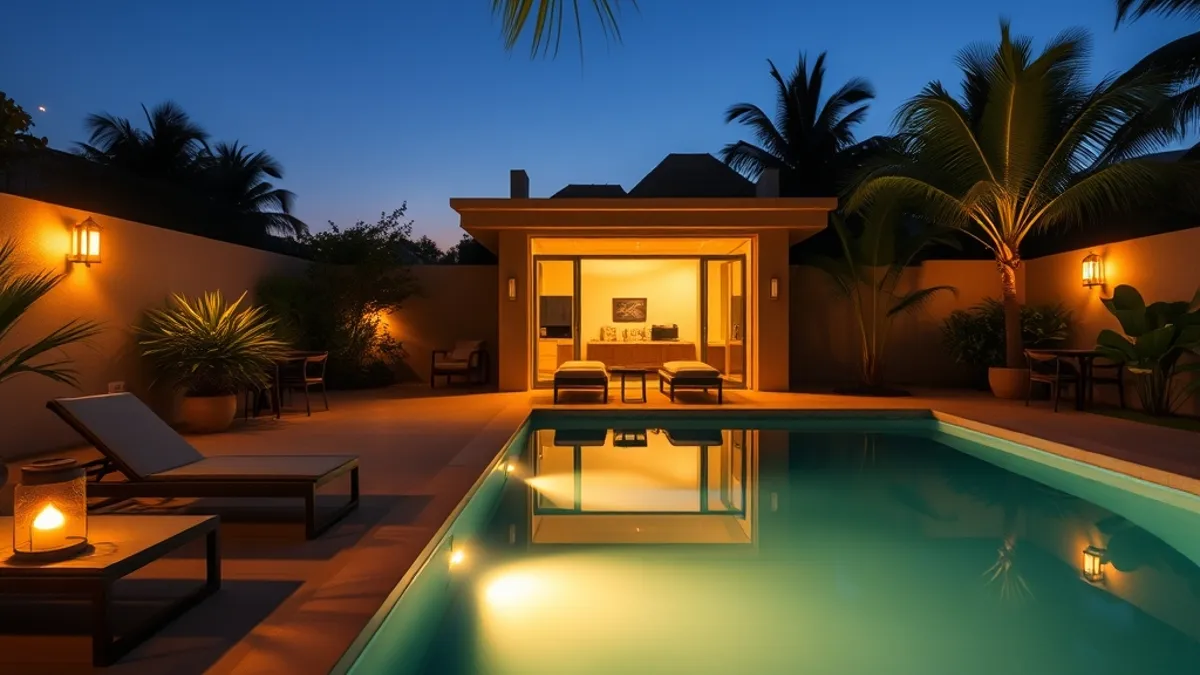
Swim-Up Rooms vs. Overwater Villas and Infinity Suites
Swim-up rooms sit at ground level on land, with your terrace opening straight into a pool. Overwater villas take a different approach entirely: they stand on stilts above the sea, usually in a lagoon, and you step off a private deck into the ocean. That dramatic setting comes at a steep price, as overwater villas typically cost far more than any land-based room category, including swim-ups.
How infinity-pool suites differ
Infinity-pool suites occupy the opposite end of the resort. Instead of opening onto a pool at ground level, they place a private pool on an upper floor or rooftop, so you trade direct water entry for an elevated view. You get the horizon, the sunset and often a wider panorama than any ground-floor terrace can offer, but getting in and out of the water involves stairs and a trip down to the beach or main pool area if you want the sea.
The choice really comes down to what you value most. Swim-ups suit guests who want constant, effortless pool access, where slipping into the water is the first thing you do each morning. Overwater villas and infinity suites suit guests who prioritize views, privacy and a sense of occasion over convenience. If your ideal vacation revolves around the water itself, the swim-up wins; if it revolves around the view from the water, look higher up or further out.
When to Book a Swim-Up Room for the Best Price
Swim-up rooms are the trickiest category to time at an all-inclusive resort, because they behave differently from standard rooms when it comes to availability. There are only a handful of them per property, and demand for direct pool access is strong in every season. A simple booking plan makes the difference between paying a premium and getting a genuine deal.
- Book 4-6 months ahead for high season. High season in the Caribbean and Mexico runs from December through April, and this is exactly when swim-up inventory is smallest relative to demand. Reserving 4-6 months before your trip puts you in front of the wave of last-minute bookers and gives you a real choice of terrace locations instead of whatever is left.
- Target shoulder season for the biggest savings. Traveling in May-June or September-November can cut swim-up rates by 20-35% compared with peak weeks. The pool water is still warm, the resort is quieter, and you keep the same direct water access you would have paid far more for in February.
- Watch for early sell-outs. Because swim-up units are a small share of total rooms, they sell out before standard categories at the same resort. If a resort shows standard rooms available but no swim-ups for your dates, that category is likely gone, not hidden, so lock in your dates early.
It also pays to compare the two types of swim-up inventory when you book. Shared lagoon units, which usually serve 6-12 ground-floor rooms along one waterway, are typically the first categories to disappear, while private-pool versions serve a single room and are even scarcer. If your preferred option is sold out, ask about the other type before giving up, since the price gap between them can be significant.
Whichever route you choose, set a reminder and check rates directly with the resort as well as through operators, since promotions for premium categories appear at different times. Flexibility of even a few days within shoulder season can stretch your budget further, and midweek arrivals often price better than weekend ones. If a rate looks unusually low for a swim-up category, confirm exactly what the terrace includes before you pay, so there are no surprises at check-in.
How to Check the Swim-Up Setup Before You Book
Photos on a resort website rarely tell you enough about a swim-up room. Two rooms with identical names can offer completely different experiences depending on which pool they sit on, how deep the water is and how much sun the terrace gets. Renderings can also hide what sits between your terrace and the water, such as a walkway, a bar or a row of other guests’ loungers. A few questions before you book will save you from disappointment on arrival.
- Shared or private? Ask directly whether the pool is a shared lagoon or a private plunge pool, and if it is shared, how many rooms use the same waterway. A lagoon serving 6-12 rooms feels lively and social, while a private-pool version is effectively your own pool, and the difference matters for how you will use the space.
- Water depth and service. Many lagoon swim-ups run 2.5-3 feet deep, which is comfortable for lounging but not for real swimming. Also confirm whether pool service includes food and drink delivery to your terrace or in-water lounger, since at some resorts this is included and at others it is limited or unavailable.
- Sun exposure. Some swim-up terraces face north or sit under heavy shade from buildings or palm cover and lose the afternoon sun entirely. If you plan to spend hours on the lounger, ask which way the terrace faces and whether neighboring buildings block the light.
- Noise and foot traffic. Terraces along shared lagoons can sit close to swim-up bars or main walkways, which means music and chatter during the day and sometimes into the evening. If quiet matters to you, ask for a unit near the end of the waterway rather than the center.
Resort staff and reservation agents answer these questions routinely, so do not hesitate to ask for specifics rather than general descriptions. Request the exact room or building number if you can, since location within the swim-up section often matters more than the category name. It also helps to read recent guest reviews and look specifically for mentions of the swim-up section, since guests often note shade, noise from nearby bars and how busy the shared lagoon gets.
Who Swim-Up Rooms Suit Best
Swim-up rooms are not for everyone, and knowing whether the premium fits your travel style is the key to spending wisely. The guests who get the most value are the ones who actually use the water access every day rather than treating it as a photo opportunity. If that sounds like you, the upgrade often feels less like a splurge and more like the room you should have booked all along. The profiles below tend to see the biggest payoff.
- Couples seeking privacy without villa prices. A private-pool swim-up delivers a secluded, romantic setup at a fraction of what an overwater villa costs. You get your own water, your own terrace and no competition for loungers, which is exactly the atmosphere most couples are chasing on a beach holiday.
- Families with confident swimmers. Constant water access means kids can hop in and out all day without the trek to the main pool. That said, toddlers need close supervision near open water, since the pool starts at your terrace with no fence between the room and the water, so this category works best once children are strong, independent swimmers.
- Resort-focused travelers. If you spend most of your trip at the property rather than on excursions, the swim-up premium pays for itself in daily use. If you plan day trips every other day, you may barely use the terrace, and travelers who prioritize views over water access might prefer something like the suites featured in this guide to Paris suites with infinity pool skyline views.
Before committing, be honest about how you actually spent your time on past beach holidays. Did you claim a lounger by the main pool every morning, or did you head out on tours and barely touch the water? If the answer is “at the pool,” a swim-up room will feel like money well spent from the first morning. If not, put that budget toward a better view instead.
The Bottom Line on Swim-Up Rooms
A swim-up room asks for a real premium over a standard room in the same resort, and in return it gives you one simple luxury: water at your doorstep. No morning trek to the main pool, no claiming chairs before breakfast, no elevator rides in a wet cover-up. You step off your terrace and you are already swimming. Whether that trade makes sense comes down to how you actually spend your days on vacation.
Timing matters just as much as the room choice. Swim-up categories are limited at most resorts and tend to disappear from inventory well before standard rooms do, so locking in your dates early pays off, especially if you are aiming for the busy winter stretch in the Caribbean or Mexico. Traveling in quieter months can also soften the price considerably. Then match the setup to your style: a shared lagoon suits social swimmers who like drifting over to chat with neighbors, while a private plunge pool suits couples who want quiet. If that sounds like your kind of trip, leave a comment or share this article with a fellow traveler.