Many travelers assume that game drives are the only way to see wildlife on safari, and they hesitate when a lodge offers a guided bush walk instead. Is it safe? Do you need to be an athlete? Is it worth booking when you could be covering more ground in a vehicle? Those doubts keep a lot of people from trying one of the most memorable experiences a safari lodge can offer.
This guide explains exactly how walking safaris work, from the pre-dawn briefing to the moment you sit down for a bush breakfast afterward. We cover what a guided walk actually involves, how the day unfolds step by step, the safety rules and fitness level you need, the best seasons for walking, how to book and what it typically costs, and how to choose a lodge with strong walking credentials. By the end, you will know whether an on-foot safari belongs in your itinerary.
What Walking Safaris From Lodges Actually Involve
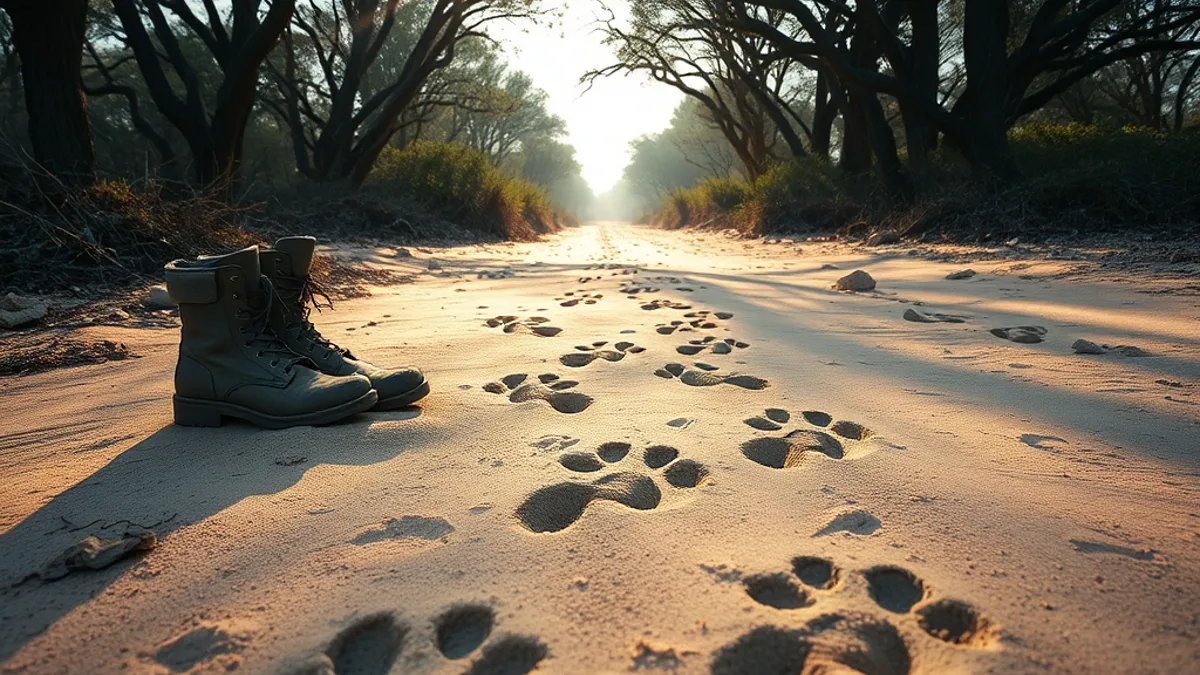
A guided bush walk is a slow, deliberate exploration of the bush on foot, led by a professional guide who is trained and armed for walking in big game country. The goal is not to chase animals or rack up sightings of the Big Five. Instead, your guide focuses on the details: fresh tracks in the sand, dung that tells you what passed through overnight, plants used for food or medicine, insects, birds and the smaller creatures most vehicles roll right past.
Pace, distance and logistics
Most walks last between 1.5 and 3 hours and cover roughly 3 to 8 km at a relaxed, conversational pace. You typically start and finish at the lodge itself, or at a nearby drop-off point if the route loops back toward camp. There is no vehicle following you, which changes the entire feel of the experience.
How sightings work without a vehicle
Because you are on foot, wildlife encounters depend on skill rather than luck or horsepower. Your guide reads tracks and dung, listens for alarm calls from birds and baboons, and constantly checks wind direction so you approach downwind and remain undetected. This slow, sensory style of tracking is what makes walking safaris so rewarding: you are not just looking at the bush, you are learning to interpret it.
How a Typical Guided Bush Walk Unfolds Step by Step
A guided bush walk follows a familiar rhythm at most lodges, and knowing the sequence helps you prepare both mentally and physically. Whether you are staying at a classic bush camp or one of the larger luxury safari villas in South Africa, the basic structure of the day is remarkably similar. The walk itself usually lasts between 1.5 and 3 hours and covers roughly 3 to 8 km at an easy pace, so comfortable walking shoes, neutral-colored clothing and a light layer for the cool early hours are worth packing the night before.
- Pre-dawn briefing. Before you set out, the guide gathers everyone at the lodge to explain the planned route, the safety signals used on foot, and the golden rule of walking in single file directly behind the guide. This is the moment to ask questions and mention any fitness concerns.
- Early departure. Walks typically set off between 6:00 and 7:00, when animals are still active and temperatures are cool. Afternoon walks usually start near 16:00, once the worst of the heat has passed.
- Slow interpretation on the move. The guide stops frequently to examine tracks, point out birds and explain animal behavior. When buffalo, elephants or big cats are sighted, the guide keeps a deliberate safe distance and manages the group’s position carefully.
- Return to camp. The walk ends back at the lodge, where a bush breakfast awaits after a morning departure, or a sundowner after an afternoon walk.
The whole experience is unhurried by design. Expect to spend more time standing still and listening than striding forward, and treat the walk as a lesson in reading the bush rather than a route march. Bring water, sunscreen and binoculars, and keep your camera ready but quiet. If the weather turns or conditions look wrong, trust the guide’s judgment; walks can be shortened or cancelled for good reason, and a flexible attitude always pays off.
Safety Rules and Fitness Requirements on Foot
Walking in big game country sounds intimidating, but lodges manage the risk through strict protocols rather than luck. Groups are kept small, typically 4 to 8 guests, accompanied by one or two armed professional guides. The group walks in strict single file behind the lead guide at all times, which keeps everyone visible to the guide and presents a low, quiet profile to wildlife.
Following instructions is non-negotiable
The single most important rule is to obey the guide instantly. If the guide raises a hand or whispers a command to stop, freeze, or back up, you respond immediately and quietly. Guests must stay silent when asked and never run under any circumstances, since running can trigger a chase response. Guides carry a firearm for last-resort defense and usually a radio to stay in contact with camp, but their primary tool is prevention: reading animal behavior early and keeping the group out of trouble.
Fitness and age requirements
A moderate fitness level is enough for most walks. The pace is relaxed, but you should be comfortable spending a couple of hours on uneven terrain and in heat, on foot. These conditions generally rule out young children, and many lodges set a minimum age somewhere between 12 and 16 years, varying by property. If you have knee problems or limited mobility, mention this when booking so the lodge can recommend a shorter or easier route where available. The goal is for everyone to move slowly, quietly and comfortably, which is exactly what keeps a walking safari both safe and rewarding.
Best Seasons and Conditions for Walking Safaris
Timing makes a huge difference to the quality of a guided bush walk. The dry season is widely considered ideal: June to October in East Africa and May to September in southern Africa. During these months the grass is short, which improves visibility, and animals concentrate around permanent water sources, increasing your chances of encountering wildlife on foot. Guides also find it easier to read tracks and move quietly along firm, dusty trails rather than soft, rain-saturated ground.
The months immediately after heavy rains are best avoided. Tall grass at that time of year reduces sightlines significantly, which makes both guiding and safety harder, and trails can turn muddy and slippery. Some lodges simply suspend walks altogether until conditions improve. If your travel dates fall in or near the wet season, ask the lodge directly whether walks are running and what conditions are like on their trails, since conditions can vary from one property to the next.
Midday heat is the other big factor. Between roughly 11:00 and 15:00, walking becomes uncomfortable and often unsafe in high temperatures, which is why lodges schedule morning and late-afternoon departures instead. Early mornings offer cool air, active predators finishing their night movements and soft light that photographers love, while late-afternoon walks build toward a sundowner before returning to camp after dark.
- Short dry-season grass also means guides can spot animals at greater distances, giving the group more time to observe quietly rather than having to retreat.
- Waterholes and rivers act as natural gathering points in the dry months, so routes often pass near these areas for better wildlife viewing.
- Cool early-morning air means you will need a light layer that you can shed as the sun climbs, rather than heavy gear.
- Birdlife is often at its most active in the first hours after dawn, adding another dimension to morning walks.
How to Book and What Guided Bush Walks Cost
Planning ahead pays off with walking safaris. In high season, book your walks 2 to 4 weeks in advance, as spots fill quickly and group sizes are deliberately small. Many lodges include one guided walk per stay in their rates, while others charge extra; a typical price for an additional walk is roughly USD 50 to 150 per person. Check what your chosen property offers before you arrive so you can budget accordingly.
Questions to ask when reserving
When you book your lodge stay, confirm the property’s minimum age limit, as most walks accept children only from around 12 to 16 years depending on the camp. Ask about fitness expectations too, since you will be on your feet for a couple of hours over uneven ground. If you want a more personal experience, find out whether private walks can be arranged for a supplement.
Stay flexible
Walks can be cancelled on the day itself for weather or safety reasons, such as heavy rain or dangerous wildlife activity in the area. Never plan your entire itinerary around a single morning walk. Build in flexibility by staying at least a few nights at a walking-focused lodge, so a cancelled outing can simply be rescheduled for the next day rather than missed entirely.
Choosing a Lodge That Offers Strong Walking Safaris
Not all lodges are equal when it comes to walking safaris, and the difference usually comes down to location and staffing. Start by prioritising lodges inside private concessions or conservancies, where walking is permitted. In many public parks, foot safaris are heavily restricted or prohibited altogether, so a lodge inside such an area may only offer occasional walks or none at all. Before you book, ask directly how often walks run and whether they are a daily offering or something arranged only on request.
The quality of the guiding team matters just as much as the location. Look for camps that employ qualified walking guides with proper tracking credentials and, importantly, a track record of running daily walks rather than treating them as an occasional add-on. A camp whose guides head out on foot every morning will read the bush with far more confidence and skill, which translates directly into richer sightings of tracks, birds and animal behaviour along the trail.
- Ask whether the lead guide holds a specific walking-safari qualification or certification from a recognized guiding body, not just a general field guide license.
- Smaller bush camps with 6 to 10 suites often deliver more intimate walks than large lodges built around vehicle-based game drives.
- Camps that advertise walking as a core activity, rather than a side option, tend to invest more in trail networks and guide training.
- Reading recent guest reviews can reveal how frequently walks actually run and how experienced the guiding team is on the ground.
Why a Guided Bush Walk Completes Your Safari
If you have been putting off a walking safari because game drives seemed like the only proper way to see wildlife, a guided bush walk from your lodge is worth reconsidering. On foot, the bush slows down: you notice tracks pressed into the dust, insects going about their work and birdsong you would simply drive past. It is a different kind of sighting, not a lesser one.
The good news is that walking safaris are safer and less demanding than many travelers expect. Small groups of 4 to 8 guests, one or two armed guides and dry-season timing make the experience accessible to most reasonably fit travelers. Book 2 to 4 weeks ahead in high season, confirm your lodge’s walking credentials and minimum age limits before reserving, and stay flexible in case weather cancels a walk. Have you done a guided bush walk, or are you planning one? Share your thoughts in the comments or pass this article along to a fellow traveler.