Ask anyone who has pinned a Maldives photo above their desk: the dream is real, but the planning is tricky. You want those glassy lagoons and endless blue skies, yet you have heard that the same overwater villa can cost wildly different amounts depending on the week you book. The question most travelers ask first is simple: when should I visit Maldives resorts for good weather without paying peak-season prices?
This guide walks you through the answer step by step. We start with the country’s two monsoon seasons and what each one actually feels like on the ground, then look at the December-to-April dry season, the value-friendly shoulder months of May, June and September, and the perks the wet season brings for surfers, divers and photographers. From there, we match each month to different travel styles, from honeymoons to family trips, and finish with practical booking tips on timing, transfers and promotions. By the end, you should know exactly which window fits your budget and your idea of paradise.
Understanding the Maldives Climate: Two Monsoons, One Destination
The Maldives sits close to the equator, so it does not have the four seasons most travelers know. Instead, the year swings between two monsoons, and understanding them is the key to picking your dates. The good news is that neither season is a write-off; both bring plenty of usable sunshine, just in different patterns.
The dry northeast monsoon: December to April
From December to April, the dry northeast monsoon takes over. Rainfall drops to low levels, and you can typically expect 8-9 hours of daily sunshine. Seas are calmer too, which makes lagoon swimming, snorkeling trips and boat transfers smoother and more pleasant. This is the period most travelers picture when they imagine the Maldives at its postcard best.
The wet southwest monsoon: May to November
From May to November, the wet southwest monsoon moves in. That sounds dramatic, but in practice the rain usually arrives as short tropical showers, often at night, with plenty of sunshine between them. You trade some blue-sky reliability for lower prices and quieter resorts. Clouds can build through the day, deliver a quick downpour, and then clear again.
One thing that never really changes is the water. Sea temperature stays around 27-30°C year-round, so swimming, snorkeling and diving stay comfortable in any month you choose. Whatever your dates, it is worth checking the current forecast and resort conditions close to your travel time.
Why December to April Is the Peak Season to Visit Maldives Resorts
December to April is the dry season, and it earns its reputation. Rainfall is minimal, humidity is manageable, and the skies stay clear for long stretches of the day. If your trip revolves around the beach, this is the window when the Maldives looks exactly like the brochures.
The best conditions for diving and snorkeling
Calmer seas and dry weather also translate into excellent water visibility, which is typically at its best from January to March. Divers and snorkelers get the clearest views of reefs, manta cleaning stations and passing rays during this stretch. If underwater photography is on your list, these months give you the strongest odds.
What peak-season prices look like
Reliability comes at a cost. The priciest window runs from mid-December to early January, when room rates can run 30-50% above shoulder-season levels. Christmas and New Year weeks fill early, and resorts rarely need to discount them. If your dates are flexible, shifting your stay even a week or two outside that holiday cluster can noticeably soften the bill.
Because demand is strong across the whole dry season, book 4-6 months ahead for dry-season dates. That lead time gives you the widest choice of room categories, from beach villas to the overwater suites that sell out first, and usually the best rates before they climb closer to arrival. Check current availability and pricing with your chosen resort or operator, since rates vary by property and week.
Shoulder Months: May, June and September for the Best Value
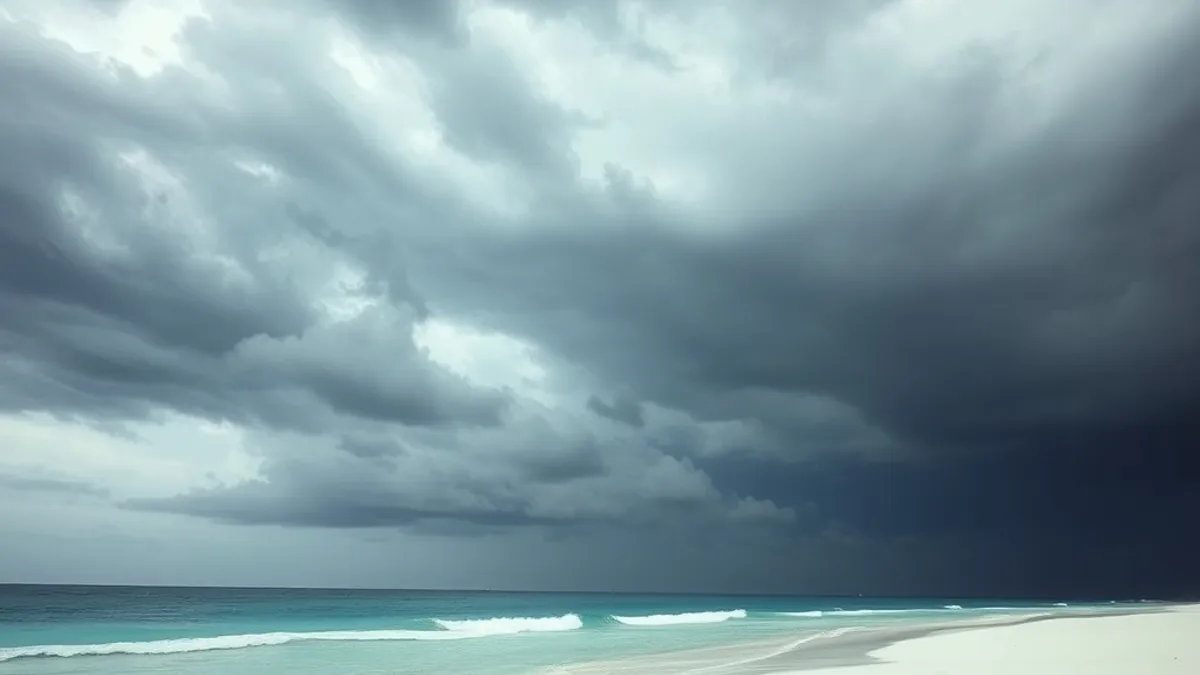
If your priority is value rather than guaranteed blue skies, May, June and September deserve a close look. These shoulder months often see rates 20-40% lower than the December-April peak, which can be the difference between a garden villa and an overwater one at the same budget. The weather sits between extremes: showers are usually brief, and humidity is lower than in the heart of the monsoon, so you still get plenty of usable beach time.
Quieter resorts change the experience in ways the price tag does not show. With fewer guests around, staff have more time for you, restaurants are easier to book, and the sandbanks and pools feel genuinely peaceful. It is also when resorts are most motivated to fill rooms, so perks appear that you rarely see at Christmas. Typical shoulder-season offers include:
- Complimentary room upgrades, when occupancy is low and higher categories are sitting empty
- Spa deals, such as discounted treatment packages or credit toward massages and wellness sessions
- All-inclusive offers that bundle meals and drinks, which helps you control total trip costs
- Bundled extras like honeymoon perks, half-board upgrades or added inclusions for longer stays
Exact promotions vary by resort and season, so ask directly what is running for your dates. If you can accept the chance of a passing shower, the savings and calm atmosphere make these months a smart trade.
Wet Season Perks: Surf, Diving Deals and Fewer Crowds
If you surf, the wet season is not a downside at all — it is the main event. The southwest monsoon pushes consistent swells across the Maldives, and the surf season on the southern atolls peaks from March to October. Breaks that are glassy and quiet in the dry months come alive, and many surf-focused guesthouses and resorts run dedicated packages around this window.
Divers and snorkelers also find reasons to come. Wet-season dive and stay packages are common, with resorts and dive centers bundling dives, meals and accommodation at rates that rarely appear during the dry season. Just keep expectations realistic: while the deals are good, water visibility is typically better from January to March, so if crystal-clear underwater panoramas are your priority, the dry months still win.
A Photographer’s Favorite Season
For anyone with a camera, the wet season offers something the postcard-blue months cannot: drama. Cloudy spells roll in behind the showers, creating moody skies, shafts of light over the lagoon and sunsets with real texture. Empty sandbanks after a rain shower, with no footprints in sight, are far easier to find when occupancy is low.
The practical upside is that the rain rarely ruins a day. Showers tend to be short and often arrive at night, leaving plenty of sunshine between them. The sea stays around 27-30°C year-round, so swimming and water sports remain comfortable even on overcast afternoons. If you want waves, deals and quiet beaches — and you don’t mind sharing the sky with a few clouds — the wet season deserves a serious look.
Matching Your Travel Style to the Right Month
The best month for your Maldives trip depends less on the weather chart and more on who is traveling and why. A honeymooning couple, a family with school-age kids and a group of surfers all have very different priorities, and each fits a different window of the year. The good news is that there is rarely a bad time to visit, only a mismatched one. Before you lock in dates, think about what matters most to your group: guaranteed sunshine, value for money, calm water for kids, or consistent waves for surfing. Once you know your priority, choosing the right month becomes much simpler.
Honeymooners chasing the most reliable sunshine should target January to March, when rainfall is at its lowest and the dry season is in full swing. Families tied to school holidays can find better value in late April or early July than at Christmas, when peak-season pricing is at its steepest. Adventure seekers and surfers should lean into May to October for waves and lower prices, and there are resorts built with active travelers in mind that make the most of the season. Matching your travel style to the season also helps you budget realistically, since rates, transfers and excursion prices can all shift noticeably between the dry months and the wetter ones.
- Honeymooners: January to March pairs the calmest seas with excellent water visibility, ideal for a first dive together or a sunset sandbank picnic.
- Families: Late April and early July sit outside the priciest holiday windows, and kids can still swim comfortably since sea temperatures stay warm all year.
- Adventure seekers: The May to October monsoon swell brings the best surf conditions, and shoulder-season rates leave more budget for excursions like night fishing or dolphin cruises.
How to Time Your Booking for the Best Price
Getting the right price in the Maldives is mostly about timing your booking to match the season you want. The rules are simple, but they differ depending on whether you are chasing dry-season sunshine or wet-season value. Resort pricing here is unusually seasonal, so two travelers staying in nearly identical water villas can pay very different amounts simply because of when they booked and when they traveled.
- Book the dry season early. For December to April stays, reserve well ahead of your travel dates. This is when the best room categories and rates are still available, and waiting usually means paying more for less, especially around the holidays when demand peaks sharply.
- Stay flexible in the wet season. Last-minute deals appear more often between May and November, so if your dates can move, watching for short-notice offers can pay off. Resorts that see cancellations or slow booking periods often release discounted packages to fill rooms.
- Compare transfer costs before you commit. Seaplane and speedboat fares vary between atolls, and on a per-person basis they can shift your total budget significantly. A cheaper room on a distant atoll may cost more overall than a pricier one close to Male, so always price the full stay, not just the nightly rate.
- Hunt for shoulder-month promotions. Resorts often run deals in the shoulder months that bundle meals, transfers or spa credit, which can add up to real savings on top of already lower rates. All-inclusive offers are also more common when occupancy is softer.
One final tip: always check the current terms of any promotion directly with the resort or your booking agent, since offers change frequently and the fine print matters. A deal that looks generous may exclude transfers, which are rarely a small expense in the Maldives. Reading the cancellation policy carefully is equally important, because flexible rates and promotional rates often carry very different conditions.
Wrapping Up Your Maldives Timing Plan
So, when should you go? If reliable sunshine matters most to you, aim for December to April, when the dry season delivers the best weather of the year at the highest prices. If saving money is the priority, May, June and September trade a bit of rain for rates that often run 20-40% lower, along with quieter resorts and more generous offers.
Whichever direction you lean, the same two habits pay off: lock in your dry-season trip early, and match the season to your travel style rather than chasing a single “perfect” month. Do that, and you can enjoy the Maldives in good weather without paying peak-season prices. If this helped you plan your trip, leave a comment or share the article with a fellow traveler.