Many travelers book a stunning lodge deep in the wilderness, only to discover at the planning stage that the journey does not end at a road or a runway terminal. Instead, the final leg involves a small plane touching down on a gravel strip, a grass clearing, or even the surface of a lake. If you have never flown in one, bush plane transfers can feel mysterious, and questions about luggage, booking and delays pile up quickly.
This guide walks through the whole process. We explain what a bush plane transfer actually is, how and when to book one, what to pack within strict weight limits, how to reach the departure airstrip, and what to expect with weather and safety. We also look at the regions where these flights are standard practice and finish with a simple checklist so your transfer becomes a highlight rather than a headache.
What a Bush Plane Transfer Actually Is
A bush plane transfer is a short flight on a small aircraft that carries you from a regional airstrip to a lodge with no road access. These planes typically seat between 4 and 12 passengers, and the aircraft you are most likely to board are workhorses like the Cessna Caravan or the De Havilland Beaver and Twin Otter. They are chosen because they can operate from very short, unpaved surfaces that ordinary airliners cannot touch.
Where you actually land
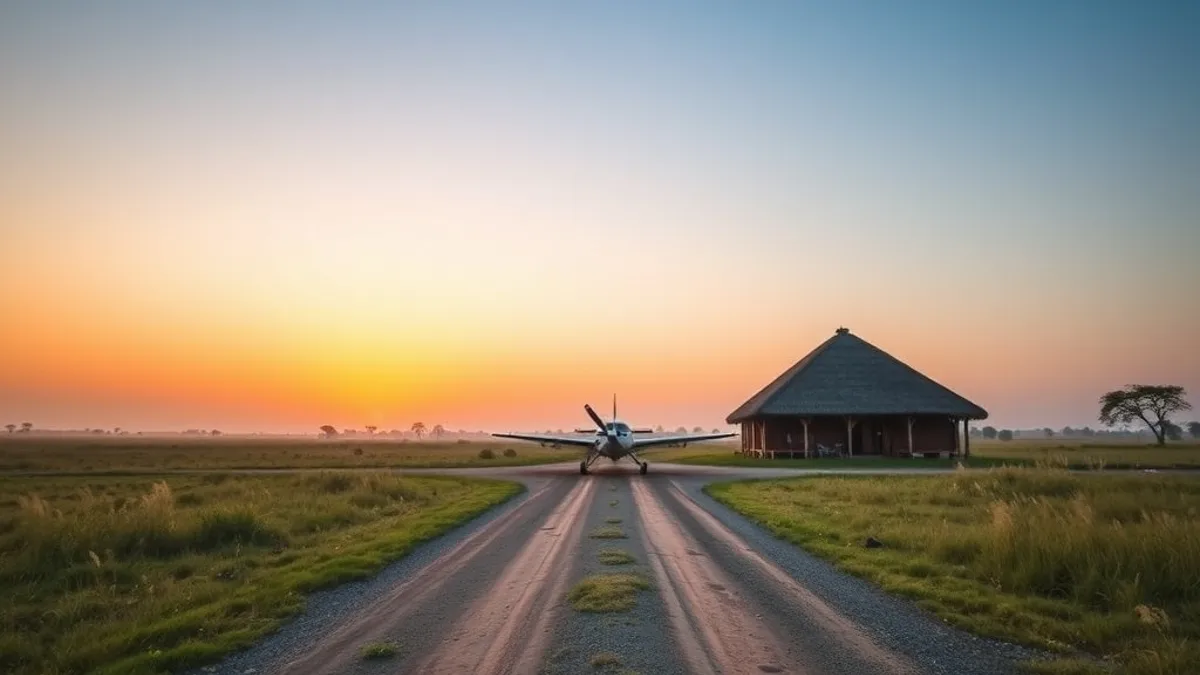
Instead of a terminal, your destination is usually a gravel airstrip or a grass strip mowed into the wilderness, often minutes from the lodge’s front door. In lake and river country, such as Alaska or northern Canada, planes land on floats directly on the water, and the lodge’s dock becomes your arrival gate. Some lodges even keep their own landing strip within walking distance of the main building.
Who operates the flight
These flights rarely work like normal airline tickets. Most lodges either run scheduled seats on a local air charter service or charter an entire aircraft for their guests, so the lodge or its reservations team usually organizes your transfer as part of your stay. You will typically receive your departure time, aircraft details and luggage allowance directly from the lodge rather than from a booking website.
Booking Your Bush Plane Transfer and Lead Times
Timing matters more with bush planes than with almost any other part of a lodge trip. Peak season fills seats fast, so aim to reserve your transfer 3 to 6 months ahead if you travel during the northern summer of June through September or the southern summer of December through March. Late bookers sometimes find the lodge has rooms available but no seats left on the plane, which forces an awkward itinerary change or a costlier charter at short notice.
The booking channel is also different from what you may be used to. You will not find these transfers on standard flight comparison sites. Instead, arrange them directly through the lodge or with the local air charter operator the lodge recommends, and keep written confirmation of your flight times and luggage allowance. Email works fine for most operators, but a quick phone call helps clarify details like pickup times and baggage limits before you pay.
- Shared vs. private pricing. A shared seat on a scheduled flight often costs somewhere in the range of $150-600 per person each way, while a private charter for your group can run roughly $2,000-5,000.
- How the fare is structured. Ask whether the price is per person per flight or bundled into the lodge package, because some camps include all inter-camp flights while others bill them separately.
- Payment and confirmation. Charter operators often require payment or a deposit well before travel, so confirm cancellation terms and rebooking options when you reserve.
If your itinerary includes several lodges, one call to the first lodge usually sorts the entire chain of flights, since the camps and charter companies work together constantly. Reconfirm each leg a few days before departure, as schedules can shift with weather and demand.
Luggage Limits and Packing for Small Aircraft
Luggage is where bush plane transfers catch most first-time travelers off guard. The typical allowance is 15-20 kg (33-44 lbs) per person, and that figure usually includes camera gear, not just clothing. If you arrive with two large roller cases, you may be asked to leave something behind or pay for an extra seat to carry the excess weight. It is far easier to plan for the limit at home than to negotiate at the airstrip, so weigh your packed bag before you leave and cut ruthlessly.
Bag type matters as much as weight. Soft duffel bags are effectively required, because hard suitcases cannot fit through the small cabin doors or into the narrow cargo pods under the fuselage. A foldable duffel that packs flat also gives you spare capacity for the trip home, which is handy if you pick up crafts or souvenirs along the way.
- Expect to be weighed. Weight-and-balance rules mean you and your bags will often be weighed at check-in, so the pilot can calculate loads and fuel accurately. There is no privacy issue here, just physics.
- Seating is assigned. The pilot may seat passengers by weight distribution rather than preference, and front-seat views usually rotate between guests on multi-leg trips.
- Pack for self-sufficiency. Bring layers, rain gear and sun protection, since there is no shop at the lodge and no popping out to buy a forgotten jacket.
A simple system works well: one soft duffel with your main gear, a small daypack with camera, documents and snacks, and anything fragile padded inside the duffel rather than in a rigid case. Zip-lock bags, dry sacks and a spare strap make loading faster for everyone. If you are traveling with photography or diving equipment, mention it to the lodge when you book so they can confirm the load plan and, if needed, arrange a separate seat for the gear.
Getting to the Departure Airstrip
Most bush plane transfers do not leave from the main international airport. Instead, you will typically drive 30-90 minutes by road to a small regional airstrip dedicated to light aircraft and charter traffic. These strips sit on the edge of town, often behind an unmarked gate, and they can feel surprisingly quiet for a place that launches dozens of flights a day into the wilderness.
Getting there is usually part of the deal
The good news is that you rarely have to organize this road leg yourself. Most lodges include a shuttle from the international airport, your hotel, or even a short light-aircraft hop to the departure point as part of the transfer package. When you confirm your booking, ask exactly where and when you will be picked up, and who will be meeting you at arrivals. A pilot or lodge representative holding a sign with your name is far more common than a formal check-in desk.
Plan to arrive at the airstrip 45-60 minutes before departure. That buffer covers a short safety briefing, weighing and loading of luggage, and the unhurried pace that defines bush aviation. If you are driving yourself, build in extra time for traffic and for finding the strip, since signage can be minimal.
What to expect on the ground
Facilities are basic. Expect a gravel apron, a small hangar, or in some regions a tented lounge with coffee and a washroom. There are no baggage trolleys, so pack your duffels so you can carry them yourself from the vehicle to the aircraft. Eat a proper meal beforehand, use the restroom when you can, and keep your camera and water bottle within easy reach, because once the pilot starts loading, departure tends to happen quickly.
Weather, Delays and Safety on the Flight
Bush flying operates on a simple principle: the weather decides. A flight that normally takes anywhere from 30 minutes to 2 hours depends heavily on visibility, wind and fog, and conditions can change within the hour. Delays are routine, even on perfectly clear mornings at your hotel an hour away from the airstrip. Fog over a lake, low cloud on a mountain pass, or a strong crosswind on a short gravel strip can all hold a flight on the ground.
What happens when the weather turns
Pilots have several options, and none of them involve pushing through bad conditions. They may wait out the weather at the airstrip, divert to an alternate strip with better visibility, or reschedule your flight to the next daylight window. In some cases a flight that was meant to leave in the morning becomes an afternoon departure, or rolls to the following day. Lodge staff are used to reshuffling meal times, activities and room allocations around the weather, so communicate with them and let them rework your schedule.
Plan your connections with slack
This is why a buffer day matters. If you have an international flight home or an onward connection, arrive in the departure city the night before at minimum, and ideally build in a full spare day. Book flexible or changeable tickets for any leg that follows a bush flight, so a rescheduled transfer does not turn into a costly rebooking. Also consider travel insurance that covers weather-related delays.
Finally, keep the right mindset. Reputable operators follow strict weather minimums, and a delayed departure is the system working exactly as it should. Treat the wait as a safety feature rather than a problem, and you will board a far happier traveler than the one who spent the morning arguing with the weather.
Remote Lodges You Reach by Bush Plane
Once you know how bush plane transfers work, it is easier to see which destinations are built around them. Some of the world’s most memorable lodges exist precisely because aircraft, not roads, are the only practical way in.
Rainforest lodges in the Amazon and Southeast Asia
Jungle and rainforest lodges commonly rely on river strips or short runways carved beside the forest. In the Amazon, flights often touchdown on dirt or grass strips that would look impossibly short from a commercial airliner window, and some properties combine a flight with a boat leg upriver. If you want a sense of what this feels like on the ground, this story about an jungle lodge stay deep in the Brazilian Amazon captures the atmosphere of arriving somewhere the road simply does not go.
Floatplane country in the north
Alaska and Canadian wilderness fishing lodges depend almost entirely on floatplane access during the June-September season. Lakes and rivers serve as the runways, and the aircraft taxi right up to the lodge dock to unload guests and gear. In these regions there is often no airstrip at all, so the floatplane is not a convenience but the entire lifeline for supplies, staff and guests alike.
Light aircraft hops between safari camps
African safari camps, especially in Botswana’s Okavango Delta and similar regions, run on a network of gravel strips. Camps are too far apart to drive between efficiently, and in the wet season floodwater cuts many tracks entirely. The result is a rhythm of short light aircraft hops that connect two or three camps in a single itinerary, with your bags weighed once in the morning and reappearing at your next tent by lunchtime. It is one of the great travel experiences in its own right: watching the delta’s channels and herds unfold beneath you on the way to the next camp.
Wrapping Up Your Bush Plane Transfer Plan
So that surprise final leg on your remote lodge booking is not a mystery anymore. A bush plane transfer is simply a lodge-arranged flight on a small 4-12 seat aircraft, best booked 3-6 months ahead for peak season. Once you know it exists, it becomes just another part of the trip to plan rather than a last-minute shock at the airstrip.
The practical side comes down to a few habits: pack 15-20 kg in soft duffels, allow a buffer day for weather, and budget $150-600 per person each way. Handled well, the flight itself becomes one of the most memorable parts of a remote lodge stay. Have you landed on a gravel strip or lake lately? Share your experience in the comments or pass this article along to a fellow traveler.