Wilderness lodges promise remote beauty, but remote settings often mean stairs, gravel paths and uneven terrain that shut out travelers with limited mobility. Many lodges are built on stilts or slopes, and a room described as “accessible” can turn out to be anything but once you arrive. Finding genuinely step-free wilderness stays takes more effort than a standard booking, but it is absolutely possible with the right approach.
This guide walks you through the whole process. We cover why step-free wilderness stays are harder to find, what a genuinely step-free lodge looks like, and the specific questions to ask before you book. You will also find advice on booking strategy and timing, wilderness settings that suit step-free travel, red flags that signal a partially accessible lodge, and how to plan your trip with confidence. By the end, you will know exactly what to look for and what to demand in writing before you hand over a deposit.
Why Step-Free Wilderness Stays Are Harder to Find
The very features that make wilderness lodges feel remote are the same ones that create access problems. Lodges are often built on stilts to catch breezes or avoid flooding, on hillsides for the view, or on rocky ground where leveling is impractical. In that context, stairs and raised decks become the default design, and a step-free entrance is an afterthought rather than a priority.
Small inventory, fast sell-outs
Even lodges that care about accessibility usually have very few suitable rooms. Step-free units frequently make up under 5% of a lodge’s inventory, which means they sell out long before standard rooms do. A lodge with twenty rooms might have just one that works for a wheelchair user, and that single room can be booked for an entire season by travelers who plan ahead.
The “accessible” label problem
Marketing language makes things harder, not easier. One lodge’s “accessible room” might mean a ground-floor unit with a roll-in shower; another’s might mean a room reachable by three shallow steps with a grab rail in the bathroom. The word carries no legal definition in most remote destinations, so two lodges using identical terminology can offer completely different realities. This is why you need to verify specifics rather than trust labels, which is exactly what the next sections help you do.
What a Genuinely Step-Free Lodge Looks Like
A genuinely step-free lodge is designed around level access from the moment you arrive, not retrofitted with a wobbly ramp as an afterthought. The differences are easy to spot once you know what to look for, and they apply to the entrance, the room itself, the bathroom and everything in between. A lodge that has planned for wheelchair users from the ground up feels noticeably different from one that improvised a solution after the buildings were already standing.
Start with the entrance and the routes between buildings, then move inside and look closely at the bathroom, which is where most lodges fall short. Bring a tape measure mentality to the whole conversation: vague descriptions are not enough, because small details like a raised threshold or a steep approach can make an otherwise promising room unusable. Here are the specific features that separate a real step-free room from a marketing claim:
- Ramp gradients of 1:12 or gentler: this is the widely accepted accessible standard, meaning one inch of rise for every twelve inches of length. A steeper improvised wooden ramp is difficult or dangerous for manual wheelchair users and often lacks the landings needed to rest or turn.
- Doorways at least 32 inches (81 cm) wide: this is the minimum for wheelchair passage. Also check for thresholds and lip strips along corridors, since even a half-inch raised strip can block a wheelchair or create a tripping hazard.
- Roll-in showers with grab bars: these are the most commonly offered accessible bathroom feature in remote lodges, but quality varies. Look for a fold-down bench and a handheld showerhead, and avoid any setup that requires stepping over a tub wall.
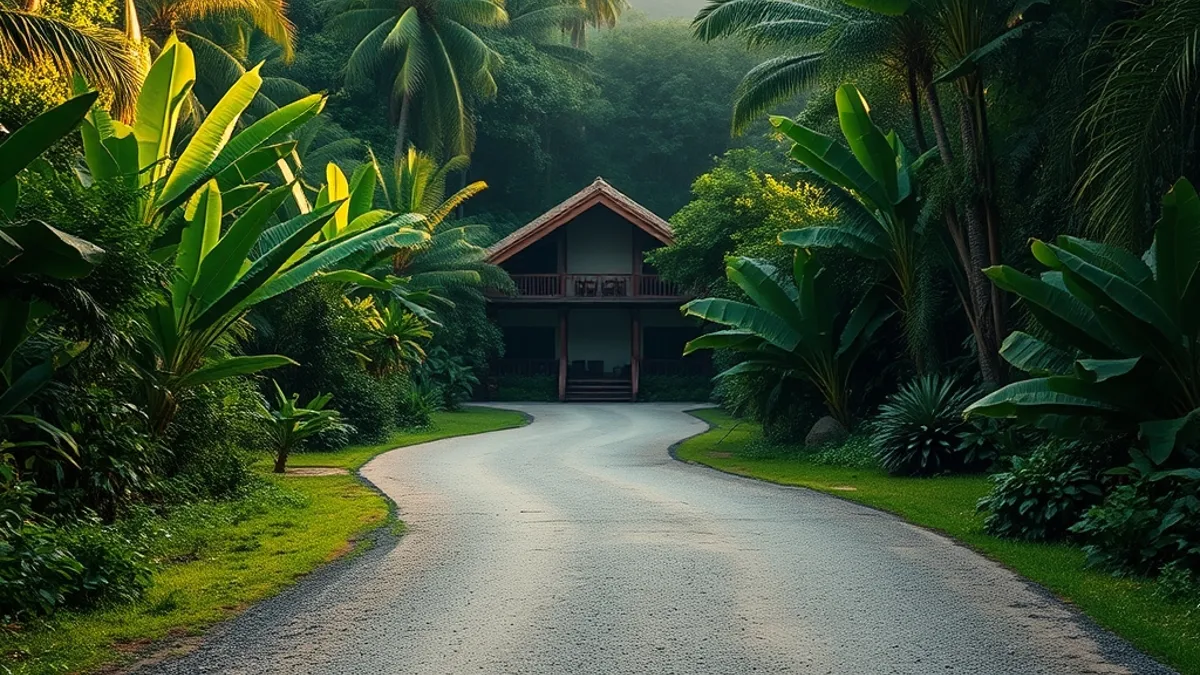
- Boardwalks or packed gravel paths: these are the two most common step-free surfaces at wilderness properties. Boardwalks should have gentle ramps where the ground slopes, and packed gravel should be firm enough to roll over without sinking, not loose stone.
When a lodge can confidently describe all four of these features, you are likely dealing with a property that has genuinely thought through step-free access rather than simply added the word “accessible” to its website. If any answer sounds uncertain or evasive, treat it as a signal to keep looking.
Questions to Ask Before You Book
Once you have a shortlist of lodges, the booking conversation is where you separate genuine step-free wilderness stays from partially accessible ones. A few pointed questions, asked before you pay anything, will tell you almost everything you need to know. The same diligence applies whether you are comparing safari camps or browsing luxury villas with infinity pools in South Africa for a step-free safari base.
- Request photos of the actual accessible room, entrance route and bathroom. Lodges love to send images of the pool, the deck and the lobby, none of which tell you whether you can get into the room. Ask specifically for the entrance from the car park or airstrip transfer point, the full route to the room door, and the shower and toilet area. Photos of the surfaces along the way matter too, since boardwalks and packed gravel paths are the two most common step-free surfaces at wilderness properties.
- Confirm whether the step-free room is a dedicated unit or an adaptable standard room. A dedicated accessible unit is usually purpose-built with wider doors and a roll-in shower. An adapted standard room might simply have a portable ramp added, which often means compromises you need to know about in advance.
- Get exact measurements in writing. Ask for doorway widths, bed height and the shower entry lip or curb height. Doorway widths of at least 32 inches (81 cm) are the minimum for wheelchair passage, so anything narrower deserves a follow-up question. Verbal assurances are easy to misremember and impossible to prove later; an email with specific numbers gives you something to check against on arrival.
- Ask how staff assist with terrain beyond the room. A step-free room means little if the game drive vehicle has high steps, the boat requires being lifted aboard, or the transfer from the airstrip involves stairs. Ask directly whether game drives, boats and transfers are step-free too, and whether staff help over rough sections between the vehicle and the path.
Timing also matters in this conversation. Because step-free rooms are often under 5% of a lodge’s inventory, you should book 3-6 months ahead rather than negotiating details at the last minute. Booking early gives you the leverage to ask follow-up questions, request the photos you need and switch properties without penalty if the answers do not hold up.
Lodges that answer these questions promptly, specifically and in writing are usually the ones that have genuinely accommodated wheelchair users before. Vague or evasive answers tell you just as much, and they are worth taking seriously before you commit your deposit. Trust the pattern of responses, not the marketing language on the website.
Booking Strategy and Timing
Timing is everything when you want a genuinely step-free wilderness lodge. Because accessible rooms often make up a tiny share of a lodge’s inventory, they are usually the first to go. Plan to book 3-6 months ahead of your travel dates rather than hoping for a last-minute cancellation. If you wait until the high season rush, you will often find that the one step-free unit is already taken.
For safari and jungle destinations, aim your booking at September-November to lock in the following dry season. This window gives you the widest choice of lodges before their calendars fill, and dry-season travel matters for accessibility too: boardwalks and packed gravel paths are far easier to use when they have not been soaked by weeks of rain.
What a genuine step-free lodge costs
Budget for rates of roughly $250-$800 per night in most regions for a lodge that truly delivers step-free access. That range reflects the extra design work involved: level entrances, wider doorways and roll-in showers are not cheap to build in remote locations. If a wilderness lodge quotes dramatically less and claims full accessibility, treat the claim with healthy skepticism and verify every detail.
Finally, protect yourself with paperwork. Get every accessibility promise confirmed by email before you pay, so you arrive with written proof in hand. A verbal assurance from a friendly reservations agent is hard to enforce at check-in; an email that confirms the ramp gradient, doorway width and shower type is much harder to argue with. If you are weighing safari lodges against other wildlife stays, comparing options in a guide to the best hotels for wildlife and safari adventures can help you shortlist properties before you commit your deposit.
Wilderness Settings That Suit Step-Free Travel
Not all wilderness settings are equally friendly to step-free travel, and choosing the right one can save you months of frustrating searching. Some landscapes naturally lend themselves to level construction, while others force lodges onto stilts and staircases. Knowing which is which helps you shortlist destinations where accessibility is realistic rather than exceptional.
Safari country and lakeside lodges
Safari lodges on flat savannah terrain are often the easiest wins. The ground itself is level, so step-free units are straightforward to build, and many operators go further by offering adapted 4×4 vehicles for game drives. That matters enormously, because a beautifully accessible room means little if you cannot actually get out to see the animals. Ask whether the safari vehicles have ramps or lift systems before you book.
Lakeside and fjord lodges are another strong choice. Water levels force these properties to think about gentle gradients, and many build level boardwalks running from the dock all the way to the rooms. For wheelchair users, a continuous boardwalk that connects the boat jetty, dining area and accommodation is about as good as remote access gets. Fjord lodges in particular often have the space to keep these paths wide and well maintained.
Why desert lodges work well
Desert lodges tend to be compact and single-level by design. With few trees to build around and no slope to fight, they spread out horizontally and connect rooms with packed-sand or paved paths. There are no staircases to climb and no raised decks to navigate, which makes them a natural fit for travelers who need step-free access throughout the property. If your priority is simplicity and predictable terrain, desert settings deserve a close look alongside the safari and lakeside options.
Red Flags That Signal a Partially Accessible Lodge
Some lodges use the word “accessible” loosely, and a booking made on that single word can unravel badly on arrival. The most common trap is a property that advertises accessibility for its public areas while the guest rooms themselves sit up long staircases. You can eat in the restaurant and swim in the pool, but you cannot reach your own bed without climbing steps. Before you hand over a deposit, probe exactly what the lodge means by accessible, and watch for the warning signs below.
- Photos of everything except the room. A lodge that sends glossy images of the pool deck, restaurant and lobby but has no pictures of the accessible bedroom, entrance route or bathroom is telling you something. Genuine properties keep photos of the actual step-free unit on file because guests ask for them constantly. If the images you receive look staged or borrowed, ask for a short video walkthrough of the room instead.
- Evasive answers about dimensions. If a manager cannot or will not tell you the doorway width, bed height or shower entry style, the room probably does not meet them. A lodge with a true roll-in shower knows its measurements by heart. Vague replies like “yes, we can accommodate wheelchair users” are not the same as a number in writing.
- Paths that fail in bad weather. Dirt and gravel tracks are sometimes described as step-free, and technically they have no steps, but they can become muddy, rutted and effectively unusable after rain. Ask what happens to the route between the wet season downpours, not just on a dry inspection day. The answer you want mentions proper surfaces rather than a promise that “staff will help”.
- A gap in the journey. Some lodges have an accessible room but no accessible vehicle to bring you there. If nobody can answer how you get from the airstrip, gate or car park to the lodge itself, the step-free chain is broken before you even check in. Ask the same question about boats, game drives and any intermediate stops along the way.
None of these red flags proves a lodge is deliberately misleading you. In remote locations, staff turnover means reservations teams sometimes simply do not know the details, and the person answering your email may have never set foot on the property. But the pattern matters: a property that answers specific questions with specific answers is far more likely to deliver a genuinely step-free stay than one that goes quiet the moment you mention measurements. Treat slow, vague or defensive responses as information too, because they usually predict exactly how your requests will be handled once you arrive with a deposit already paid.
Planning Your Step-Free Wilderness Stay with Confidence
The challenge with wilderness lodges is real: remote beauty usually comes with stairs, gravel and uneven ground. But the way forward is just as clear. Genuine step-free wilderness stays do exist, and finding one comes down to three habits: booking early, getting written confirmations and asking specific questions before you commit. Reserve well in advance, and treat every accessibility promise as unconfirmed until it lands in your inbox in writing.
Keep your checklist simple and non-negotiable. Accessible entrances that meet the widely accepted slope standard, doorways at least 32 inches (81 cm) wide, roll-in showers with grab bars, and level routes between your room, dining and common areas. Then match the setting to your needs: open savannah, lakeside boardwalks and compact desert layouts tend to be the easiest terrain wins for limited mobility. Have you found a step-free lodge that worked well for you, or do you have a booking tip to add? Share your experience in the comments or pass this article along to someone planning their own wilderness trip.