You arrive at your hotel, hand over your card at the front desk, and a few hours later your banking app shows hundreds of dollars more than your room rate has vanished from your available balance. If this has happened to you, you are not alone. Most travelers have no idea what hotel deposit and incidental holds are, how much hotels can freeze, or when that money comes back.
The good news is that these holds are standard practice, not a scam or a billing mistake. Once you understand how they work, they stop being a surprise and become just another part of planning your budget. In this guide, we explain what a deposit and an incidental hold actually are, how much hotels typically hold at check-in, when the money is released, and how credit cards, debit cards and cash deposits differ. We also share practical tips to avoid surprises, plus what to expect at resorts, all-inclusive properties and fully prepaid bookings.
What Is a Hotel Deposit and Incidental Hold?
The first thing to understand is that a deposit and an incidental hold are two different things, even though the front desk often handles them together. A deposit relates to the room cost itself, essentially confirming that you can pay for your stay. An incidental hold, on the other hand, is a temporary authorization placed on your card to cover extras you might add during your stay, such as room service, dining at the hotel restaurant, parking, or that tempting item from the minibar.
The hold is not a charge
Here is the part that confuses so many travelers: an incidental hold is not an actual charge. No money has left your account, and the hotel has not been paid. What the hold does is reduce your available credit or debit balance until it is released. Your bank sets that money aside as a guarantee, which is why it looks like a pending transaction in your banking app even though it never posts as a purchase.
Why hotels place holds at check-in
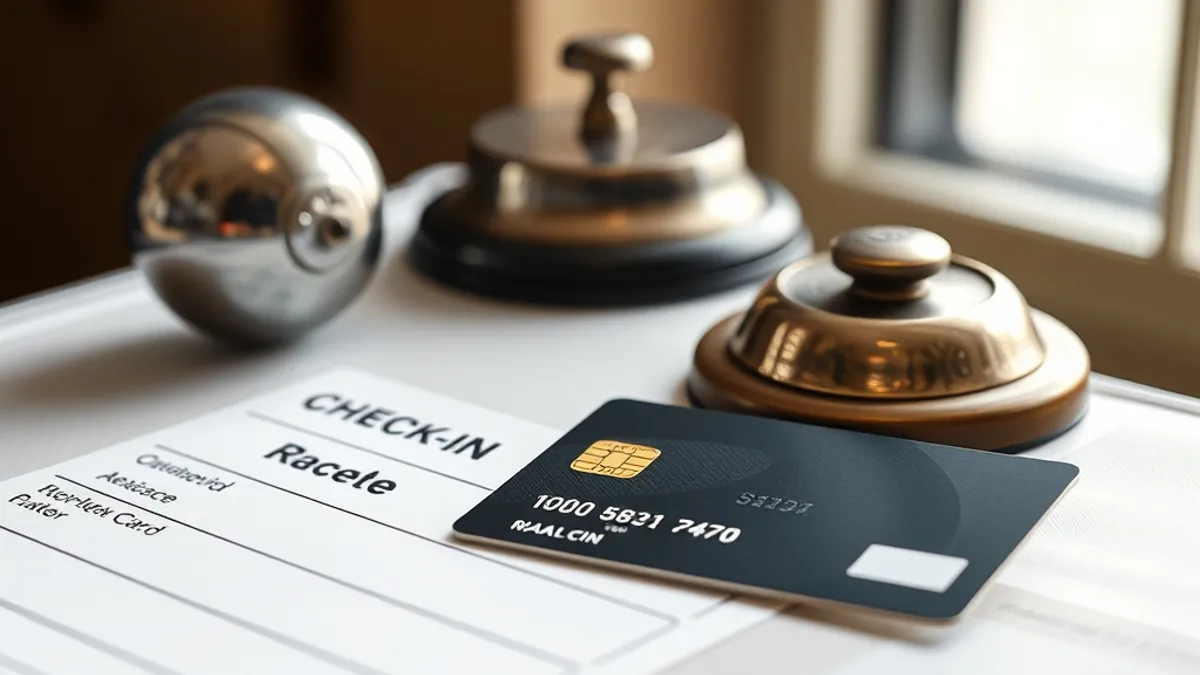
Front desks place the hold the moment you check in because hotels have no way to guarantee payment for extras after you depart. Once you have left the property, chasing an unpaid minibar bill or parking fee is difficult and often impossible. By authorizing the hold upfront, the hotel secures a payment method for anything you charge to your room. Think of it as the hotel’s version of opening a tab: they simply want to know the funds are there before they start adding to your folio.
How Much Do Hotels Hold at Check-In?
So how much will actually be frozen on your card? The answer depends heavily on the type of property you are staying at, and the differences between them can be significant. Policies vary widely from one hotel chain to another, and even between individual properties in the same city, so the figures below are typical ranges rather than guarantees.
Typical hold amounts by hotel type
Midscale and upscale hotels in the US typically place an incidental hold of $50-$100 per night for incidentals. Luxury and resort properties often hold more, commonly in the range of $100-$200 per night, and sometimes more at high-end resorts where guests routinely charge spa treatments, golf rounds and fine dining to their room. At the other end of the scale, economy hotels usually keep things simple and may hold a flat $50-$100 per stay rather than calculating a nightly amount.
What this means for a longer stay
The nightly amounts add up quickly on longer trips. A 5-night stay at a resort can therefore tie up $500-$1,000 beyond the room rate, sitting frozen on your card until the hold is released after checkout. That is real money you cannot spend elsewhere, whether it is on your credit limit or your bank balance. If you are planning a week at a beach resort or a city break at a luxury hotel, factor this amount into your budget before you travel. It is also worth asking the property directly about their current hold policy, since amounts can change and some hotels adjust their holds based on the room type or season.
When Will the Hold Be Released?
The money is not gone forever, but it does not reappear instantly either. Knowing the typical release timeline helps you plan your spending during and after your trip, especially if you are working with a tight budget or a debit card.
The standard release timeline
Most holds release 3-7 business days after checkout, once the hotel has posted your final charge and settled your folio. The sequence works like this: at checkout, the hotel replaces the temporary authorization with the actual amount you owe, and your bank then processes the release of the remaining hold. Some banks are simply faster at this than others, and in some cases the process can take up to 2 weeks, so it is wise to plan around your statement cycle rather than expecting the funds back the moment you drive away.
Why debit card users feel it longer
If you checked in with a debit card, the frozen funds can strain your balance far longer than a credit hold. With a credit card, the hold only reduces your available credit, so your everyday spending money is untouched. With a debit card, that money is real cash sitting in your checking account, unavailable for groceries, gas or anything else until your bank releases it. If your trip ended on a Friday and you have bills coming due the following week, a hold that lingers into the next statement cycle can cause genuine problems. Check your online banking in the days after checkout, and if the hold has not dropped within the typical window, contact both your bank and the hotel to speed things along.
Credit Card vs Debit Card vs Cash Deposits
The payment method you hand over at check-in makes a bigger difference than most travelers realize. With a credit card, the hotel simply authorizes an amount against your credit line, which means your actual bank balance stays untouched. Everyday expenses like groceries, gas and transfers keep working normally, even while a chunk of your available credit is temporarily spoken for.
Why debit cards deserve caution
A debit card works differently in a way that can genuinely disrupt your trip. The authorization freezes real money from your checking account, not just borrowing capacity. If the hold eats into an account with a modest balance, you suddenly have far less cash to live on, and any automatic payments or purchases you forgot about can bounce. Declined cards at restaurants or a failed rent payment back home are real possibilities, so think carefully before handing over your debit card at the front desk. If you must use one, check your balance first and make sure there is a comfortable cushion above the hold amount.
Cash deposits are the third option, and some travelers prefer them for privacy or budgeting reasons. They typically range from $100-$300 per stay and are refunded at checkout if you have no unpaid charges. The catch is timing: at some properties, processing the refund can take several days, and you will usually need to keep your receipt to claim the money. If you pay a cash deposit, ask the front desk exactly how and when the refund happens before you agree to it.
How to Avoid Surprises With Hotel Deposit and Incidental Holds
A little preparation before you arrive can turn the check-in desk from a moment of dread into a two-minute formality. Hotel hold policies vary widely, even between properties in the same chain and the same city, so the numbers you read online or heard from a friend may not match what this particular hotel does. A quick call or email ahead of time is the single most effective step you can take.
Once you are at the hotel, a few smart habits keep the hold from interfering with the rest of your finances. Here is what experienced travelers do:
- Confirm the exact hold amount per night before arrival. Ask whether the hotel holds a flat sum or a per-night figure, and whether taxes and resort fees are included, so you can calculate the total freeze on your account.
- Charge incidentals to a credit card and keep a debit card for daily spending. This separates the frozen amount from the money you actually need, and it keeps your checking account free for rent, bills and everyday purchases.
- Settle your folio the night before checkout. Paying your final bill the evening before departure lets the hotel close out your account early, which often means the hold releases sooner than if you wait for the morning rush.
- Check your online banking 3-7 days after checkout. If the hold has not dropped by then, call the hotel and ask them to release or fax confirmation of the release to your bank, since banks can only act on the hotel’s instruction.
Doing these four things takes maybe fifteen minutes of your time in total, and it protects you from the most common complaint hotels receive: money that seems to vanish after a stay. Treat the hold as part of your trip budget from the start, and it will never catch you off guard.
Special Cases: Resorts, All-Inclusive and Prepaid Bookings
Some properties add extra layers to the standard incidental hold, and it helps to know about them before you arrive. At resorts, the nightly hold often covers more than just the minibar. Resort fees, golf rounds, spa treatments and water sports rentals can all be charged to your room, so the front desk may authorize a larger amount upfront to cover these likely extras. If you booked a golf package or plan to book spa appointments, expect the hold to reflect that, and ask at check-in exactly what the authorization covers.
All-inclusive properties
All-inclusive resorts often place smaller holds than their traditional counterparts, simply because your meals and most drinks are already paid for. That said, the hold is not zero. Premium bar selections, spa services, off-menu excursions and boutique purchases on property still trigger authorizations, so the desk will typically place a modest hold to cover them. Ask what is included in your package and what bills to your room, so you know which swipes of your wristband or room card are actually adding charges.
Prepaid bookings
One of the most common misunderstandings at check-in involves prepaid reservations. If you booked and paid for your room through a third-party site or directly with the hotel, that prepayment covers the room only. You will still be asked for a card at the front desk for an incidental hold, because the hotel has no payment on file for parking, dining or minibar charges. Travelers who assume “already paid” means “nothing needed at check-in” are sometimes caught without a usable card. Bring one anyway, confirm whether any room charges from your booking remain, and you will breeze through the desk without surprises.
Checking In With Confidence
That disappearing chunk of money at check-in is not a mystery charge or a hotel scam. It is an incidental hold, and amounts of $50-$200 per night are standard practice across most hotels, not hidden fees. The money was never taken from you; it was simply reserved to cover possible extras, and it releases within days of checkout once your final bill posts.
A little preparation goes a long way: choose a credit card at the front desk, confirm the hold amount before you arrive, and keep the typical 3-7 business day release timeline in mind so you can budget your available funds during and after your stay. If you have a question or a check-in story of your own, leave a comment or share this article with a fellow traveler.