Choosing between mountain lodges vs lakeside lodges comes down to more than a pretty view. One style puts alpine peaks outside your window, often at elevations of 1,500 to 3,000 meters, while the other trades summits for calm water and shoreline mornings. Both can be wonderful, but they suit different trips, budgets and travel rhythms, and it helps to know the differences before you commit to a booking.
This guide compares the two stay styles side by side. We look at scenery and setting, how seasons and weather windows shape each experience, and the activities you can do on and around the lodge. We also cover costs and booking lead times, comfort, access and practical differences, then finish with a simple way to match lodge style to your trip. By the end, you should have a clear picture of which one fits the getaway you have in mind.
Scenery and Setting: Peaks vs Water
Why Mountain Views Feel So Dramatic
Mountain lodges put you right at eye level with the landscape. Step onto the balcony in the morning and you might see sharp ridgelines cutting into blue sky; by afternoon, clouds can wrap the peaks, and at golden hour the snowcaps glow pink and orange. Because you’re often sitting 1,500 to 3,000 meters above sea level, you’re literally looking down on valleys, forests and sometimes a sea of clouds below your window.
The downside, if you can call it that, is that the view changes constantly. Fog can erase the scenery for hours, and a clear summit at breakfast may vanish by lunch. Many travelers find this part of the appeal — every glance out the window is a little different — but if you’re chasing that postcard panorama for photos, build in a few days so the weather has time to cooperate.
The Calm of Water at Your Doorstep
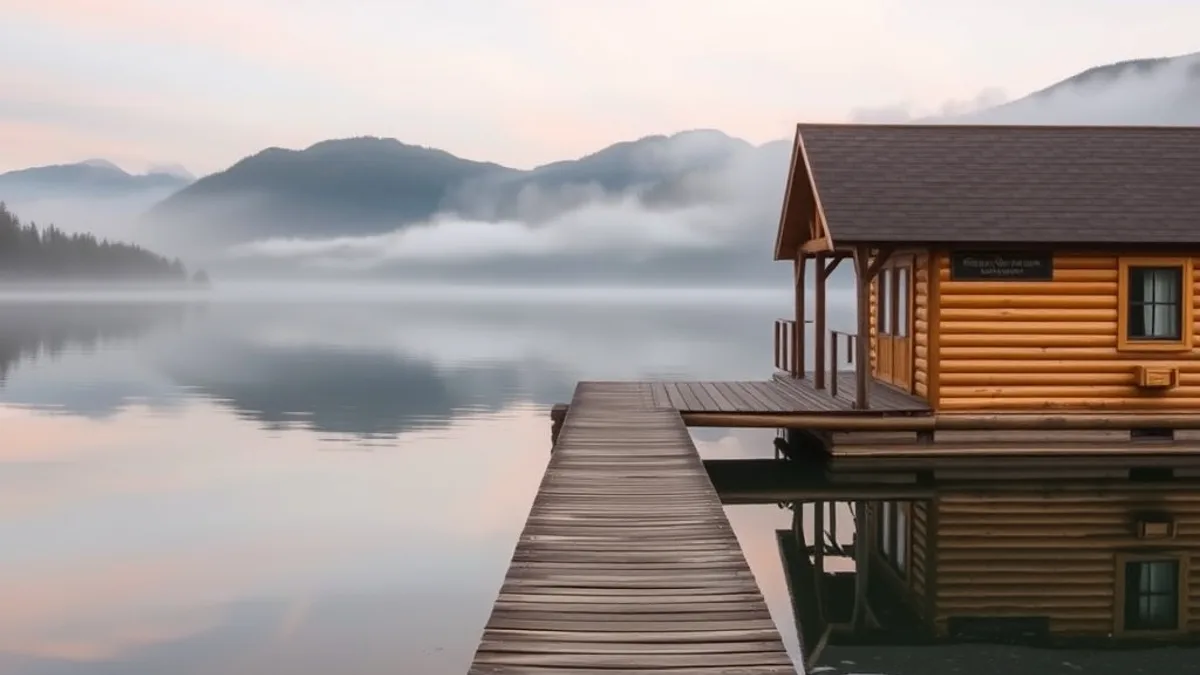
Lakeside lodges trade drama for consistency. A calm lake mirrors the surrounding hills and sky, mornings often bring soft mist drifting across the water, and evenings deliver long sunset reflections you can watch from a terrace or dock. The scene rarely surprises you — which is exactly the point for travelers who want a dependable, soothing view.
Elevation matters here too. Lake settings usually sit at lower, milder altitudes, so the air feels easier, evenings stay comfortable, and the water itself becomes part of the scenery year-round. If your idea of a great view involves stillness rather than summit drama, the lakeside wins this round.
Seasons and Weather Windows
Season shapes both lodge styles, but in different ways. Mountain lodges live on a two-peak calendar: summer from June to September draws hikers, while December to March brings skiers and snowboarders. Between those windows, many high-altitude lodges quiet down dramatically, and some reduce services or close entirely during the in-between months.
Lakeside lodges follow a gentler curve. Their main season runs from May to September, when the water is warm enough for swimming and boat trips. April and October act as shoulder months, when you’ll often find lower rates and shores that feel noticeably quieter without the lodge feeling shut down.
Packing for the temperature gap
One detail catches many travelers off guard: alpine temperatures typically run 6 to 10 degrees Celsius cooler than nearby valley or lakeside areas, even at the height of summer. A lakeside terrace might be t-shirt weather while the mountain lodge an hour away calls for a fleece and a light jacket after sunset.
Practically, this means checking the elevation of any mountain lodge before you pack, not just the destination on the itinerary. Bring layers you can add or shed through the day, since mornings can start cool, midday can warm up on the trail, and evenings by the fireplace turn chilly again. Lakeside packing is more forgiving, though a windbreaker still earns its place on evening dock walks. If your dates are flexible, shoulder months at the lake offer the best blend of mild weather and calm water for travelers who don’t need peak-season conditions.
Activities On and Around the Lodge
Mountain lodges are built around the terrain they sit in. In summer, that means hiking trails that often start at the doorstep, cable cars that whisk you to summit viewpoints, and guided walks ranging from gentle valley strolls to full ridge traverses. Come winter, the same lodge pivots to ski-in access, snowshoe routes and après-ski evenings by the fire. The catch is that activity options shift sharply with the season, so a mountain stay in late October can feel like a waiting room between worlds.
Lakeside lodges run on a steadier rhythm. Swimming, kayaking, paddleboarding, fishing and boat trips all revolve around the water, and most of these activities stay available across a longer warm-weather window. You can paddle one morning, take a boat trip the next afternoon, and fish off the dock at sunset without ever needing a lift pass or a weather window in the same way. That makes lakeside stays a strong fit for travelers who want one activity base all week, while mountain stays reward those who plan the whole trip around a specific season.
- Guided vs independent: mountain lodges often arrange certified mountain guides and group hikes, while lakeside lodges typically rent equipment directly, so you can head out on the water on your own schedule.
- Weather dependency: a storm can close cable cars and trails for a day or more, whereas light rain rarely stops a kayak or fishing outing entirely.
- Evening activities: mountain lodges lean on stargazing, saunas and indoor social spaces; lakeside lodges add sunset boat cruises and swimming right up until dark.
- Kids and beginners: calm water sports like paddleboarding usually have a shorter learning curve than skiing or high-altitude hiking, making lakeside activity days easier for mixed groups.
Costs and Booking Lead Times
Lodge prices swing more with season and location than almost any other travel choice. Mountain lodges in peak ski season often range from $250 to $600 per night, especially for rooms with valley views or ski-in access. Lakeside lodges work differently: in low season, nightly rates often start around $120 to $180, which makes a midweek autumn stay one of the better value options in the lodge world.
That gap narrows in summer, when lakeside waterfront rooms command a premium, but the starting point still favors the water. If a winter trip is on your mind, browsing top ski chalets with luxurious amenities early in the year gives you a realistic sense of what the top end of the mountain market looks like before rates climb.
How far ahead to book
Mountain lodges reward early planners. For both the summer hiking window and the winter ski peaks, aim to book 3 to 6 months ahead. The most sought-after rooms, think corner suites facing the ridge or lodges right beside a gondola, tend to disappear first, and last-minute deals at high-altitude properties are rare in peak weeks.
Lakeside lodges run on a slightly shorter clock. Book 2 to 4 months ahead for summer weekends, when waterfront rooms sell out first. If you are flexible, a garden-view room or a midweek arrival can shave a meaningful amount off the bill, and shoulder dates in April or October often come with quieter shores as a bonus.
Comfort, Access and Practical Differences
Getting there is where the two styles really diverge. Mountain lodges commonly sit 1,500 to 3,000 meters above sea level, and that elevation shapes the arrival. Expect winding mountain roads, occasional cable car access for the most remote properties, and possible snow chain requirements in winter. It is also worth knowing that higher altitude can affect some travelers, with mild shortness of breath or disturbed sleep on the first night or two.
Lakeside lodges usually sit at road level, which makes arrivals simpler and logistics lighter. Parking is straightforward, luggage goes straight from car to room, and the terrain around most lake properties is gentle enough for strollers, young children and less confident walkers. For families with grandparents in tow, that ease of movement matters more than any view.
Inside the lodge
The interior character follows the setting. Mountain lodges lean cozy by necessity: thick insulation against the cold, fireplaces or wood stoves in common areas, and interiors designed for long evenings indoors when temperatures outside can run 6 to 10 degrees Celsius cooler than the valley. You will find heavy curtains, warm lighting and boot rooms by the door.
Lakeside lodges flip that logic. Their best spaces face outward: wide terraces, private docks and open-air lounges built for warm evenings and long breakfasts with the water in view. Windows are bigger, doors slide open, and the design assumes you will spend most of your stay outside rather than bundled up by the fire. Neither approach is better, but they create very different evenings.
How to Choose: Matching Lodge Style to Your Trip
The easiest way to decide is to start with your dates. If your trip falls in June to September for hiking or December to March for snow sports, and you want guided outdoor adventure on your doorstep, a mountain lodge fits naturally. Those two windows are exactly when mountain properties operate at their best, with cable cars running, trails open or slopes groomed.
If you would rather have more flexibility, a lakeside lodge covers a longer May to September window, with water activities at the center of the stay and lower starting rates to boot. Shoulder months like April and October stretch that value even further for travelers who just want calm water and quiet mornings.
Then match the style to your group. Active couples and skiers are the natural mountain crowd, while multi-generational families and slow travelers tend to thrive at lakeside properties. A few specifics to weigh:
- Ski-focused groups should check whether the lodge offers equipment storage, boot warmers and early breakfast service, since lift hours dictate the whole day.
- Couples planning a summer hiking trip benefit from lodges with guided walks and packed lunch options, so each day starts without logistics.
- Families with small children often prefer lakeside lodges with shallow swimming spots and lawns running down to the water, where kids can play within sight.
- Slow travelers and remote workers get more from a lakeside base, since one location works for a week or more without changing seasons or gear.
- Mixed groups with different energy levels may find lakeside lodges easier, because swimmers, readers and walkers can all share the same day.
Whichever way you lean, being honest about your group’s pace and your preferred season will settle the question faster than any brochure.
Wrapping Up the Lodge Comparison
So which window do you want to wake up to: a ridgeline catching first light, or calm water mirroring the sky? If your dates fall in June to September or December to March and you’re chasing adventure, a mountain lodge delivers dramatic elevation and unforgettable alpine days, with peak ski-season rates from $250 to $600 per night. If you’d rather have one relaxed base for a longer May to September stretch, a lakeside lodge offers gentler terrain and low-season rates from $120 to $180.
The choice really comes down to three things: the season you’re traveling, the activities you want on your doorstep, and how much altitude and access you’re happy to take on. Weigh those against your budget and booking window, and the right lodge style becomes obvious. Still torn between peaks and water? Leave a comment with your trip plans or share this article with a travel buddy who needs to decide.