Booking your first safari is exciting, until the questions start piling up. Will the quoted rate really cover everything, or will park fees, transfers and tips double the bill once you’re there? And what does a day at an all-inclusive safari lodge actually look like, from that pre-dawn wake-up call to the last firelit dinner?
This guide walks you through the whole picture. We’ll break down what the headline rate typically includes, what usually gets billed separately, and how a typical day unfolds in camp. You’ll also find advice on picking the right season for game viewing, how many nights to plan, when to book for the best availability, and how to compare lodges so the one you choose matches your travel style and budget.
What an All-Inclusive Safari Lodge Rate Actually Covers
The headline rate at an all-inclusive safari lodge covers more than most travelers expect. Your accommodation, three meals a day, two scheduled game activities per day and most local drinks are bundled into one price, so you rarely reach for your wallet during a standard stay. That predictability is a big part of the appeal, especially in remote reserves where there’s nowhere else to eat or drink anyway.
What usually costs extra
Not everything lands in the package. Premium cellar wines, champagne, spa treatments and private guides usually sit outside the standard rate, and these extras can add up quickly if you indulge daily. Many lodges keep a curated wine list included while reserving their top bottles for an additional charge, so ask which list applies to your booking.
A few borderline items vary lodge by lodge. Laundry is sometimes complimentary and sometimes billed per garment. Guided bush walks and cultural visits to nearby communities may be bundled in, or offered as paid add-ons. Before you commit, ask the lodge or your safari operator to confirm in writing whether these are included, so there are no surprises on your final bill.
What Your Rate Excludes: Budgeting Beyond the Brochure
Even the most generous all-inclusive rate has edges, and knowing where they fall makes budgeting far easier. The brochure price covers your stay, meals, drinks and game activities; several necessary costs typically arrive as separate line items. None of these are hidden tricks, they’re simply standard across the safari industry, but they can add a meaningful amount to your total trip cost if you haven’t planned for them.
- Park, conservation and community levies: these are typically charged separately and vary by reserve, sometimes per person per night and sometimes per vehicle. Ask for the current rate when you book, as fees change regularly.
- Internal light-aircraft transfers: hopping between airstrips and lodges is usually quoted as an add-on, priced per flight leg. If your itinerary includes several camps, these hops can become one of your biggest extra costs.
- Gratuities: if you choose to tip, guides and camp staff generally receive 10-15% of your stay, often split between a guide tip box and a general staff tip box. Many lodges accept cash or card for this at checkout.
- International flights and travel insurance: these always sit outside the lodge rate, so book and budget for them separately from the start.
A few practical habits make these extras easier to manage. Ask the lodge or your safari operator for a written quote that lists every levy and transfer separately, then compare it against the headline rate before you commit. Keep some cash in small denominations for tip boxes at remote camps, where card facilities aren’t always reliable. And build a small buffer into your budget, since fuel surcharges and seasonal levies can shift between the time you book and the time you travel.
If you’re weighing a lodge stay against other high-end African options, it can help to compare how different properties structure their rates. Our guide to South Africa villas with infinity pools and safari access shows another way these costs can be packaged. Whichever route you choose, ask for a full cost breakdown before paying a deposit.
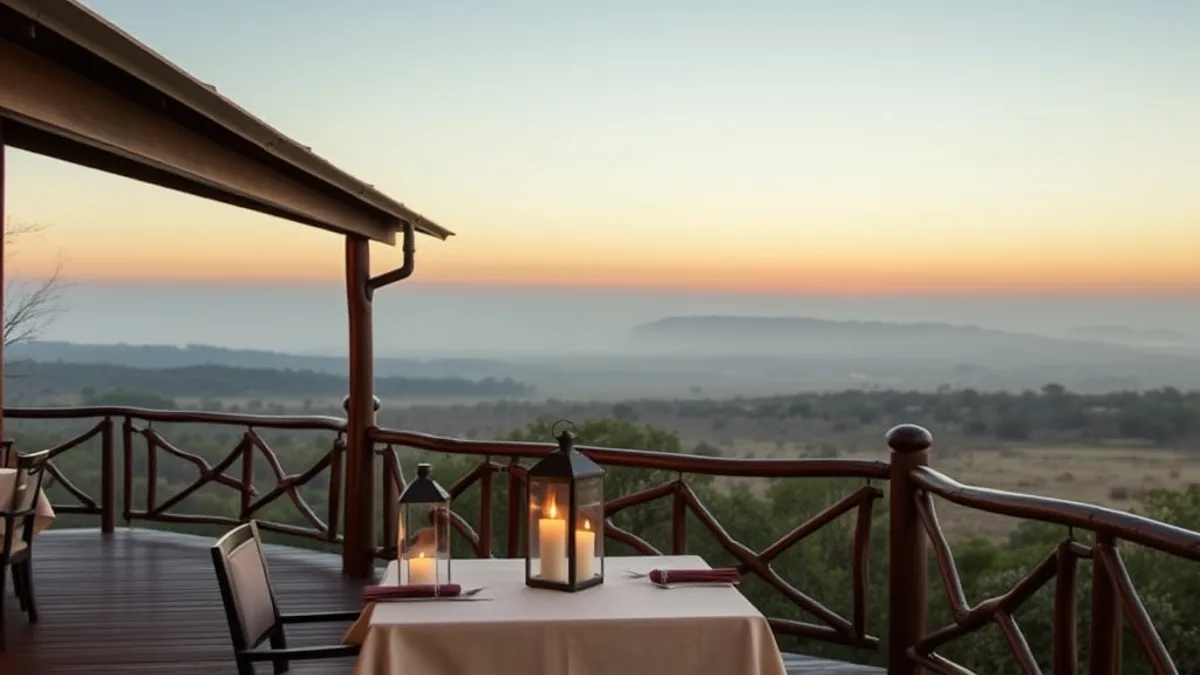
A Day in the Life at an All-Inclusive Safari Lodge
Safari days follow a rhythm shaped by the animals, not by you. Wildlife is most active in the cool early hours and again as the heat fades in late afternoon, so the whole camp organizes itself around those windows. Game drives usually depart around 5:30-6:00 am and again mid-afternoon, which means your meals, downtime and even your bedtime all bend to the bush’s schedule. Knowing the pattern in advance helps you pack right, sleep well and get the most from every drive.
- Wake-up call and early coffee. A staff member gently knocks around 5:00-5:30 am, and coffee or tea arrives at your room so you can wake up slowly before dressing in layers for the cool morning air.
- Morning game drive at first light. You set out as the sun rises, when predators are still active and the light is perfect for photography. Drives typically last three to four hours, with a coffee stop midway.
- Brunch and midday downtime. Back in camp, a generous brunch follows, then the middle of the day is yours: a pool siesta, a spa treatment (usually billed separately from your rate), a nap on your private deck or time in the lounge reviewing your photos.
- Afternoon drive and sundowner. The vehicle departs around 3:30-4:00 pm as the day cools, tracking animals as they become active again. Most drives pause at a scenic spot for a sundowner drink before returning to camp after dark, using a spotlight for nocturnal species on the way.
- Fireside dinner and early night. Evenings center on a shared meal, often a boma dinner under the stars around a crackling fire. Guides recap the day’s sightings and sketch out plans for tomorrow. Most guests turn in early, because the next dawn drive comes around quickly.
That early bedtime isn’t a limitation, it’s part of the experience. After a 5:30 am start, an afternoon drive and a full dinner, most travelers are grateful for the quiet. The sounds of the bush outside your tent or room — distant lions, laughing hyenas, rustling antelope — make falling asleep early its own pleasure, and they’re exactly the reason you came.
Over a typical stay of 3 to 4 nights, this daily rhythm repeats with endless variation. No two drives deliver the same sightings, which is precisely why a multi-night booking beats a quick two-day visit for anyone serious about seeing the big stuff.
When to Go: Seasons and Game Viewing Windows
Timing shapes your safari more than almost any other booking decision. Across much of East and Southern Africa, the dry season runs roughly June to October, and this is the prime game-viewing window. Rain is scarce, grass is grazed down, and animals gather in growing numbers around rivers and waterholes. With thin vegetation and predictable wildlife movements, your guide has a far easier job spotting a leopard in a tree or a lion pride on the move.
The trade-off of the green season
From roughly November through the following months, the rains transform the landscape. The bush turns lush and green, many animals give birth, and migrant birds arrive in impressive numbers, making this a superb stretch for birding and for photographers who want dramatic skies. Rates drop noticeably too. The catch is practical: thicker vegetation and scattered water sources mean animals disperse and hide, so sightings often take more patience and cover more ground.
If your dates are flexible, consider the shoulder months around May and November. These in-between stretches can offer a pleasing balance: landscapes still attractive, wildlife viewing still solid, and lodge rates well below peak-season levels. You may trade some certainty of sightings for better value and quieter camps.
Whatever month you choose, remember that weather is never guaranteed. A dry-season downpour or an unusually green green-season week can shift conditions, so treat seasonal patterns as strong tendencies rather than promises, and confirm current conditions with your lodge or operator before you lock in dates.
How Long to Stay and When to Book
One of the most common safari regrets I hear is booking too few nights. Plan on a 3 to 4 night stay as your minimum. That gives you enough game drives to absorb a quiet morning, weather that may not cooperate, and the simple fact that animals move on their own schedule. It also leaves room to breathe, because safari days start early and end late.
Think of it this way: on a two-night stay, one slow drive eats up a quarter of your experience. Over 3 to 4 nights, the same quiet drive becomes a footnote, and the standout sightings have time to happen.
Booking Windows That Actually Matter
For peak-season travel, timing is everything. The dry season from June to October is when the top lodges in sought-after reserves fill up first, and small camps with a handful of suites sell out fastest. Reserve 9 to 12 months ahead if you have your heart set on a specific camp or travel window, especially for family rooms or single supplements that have limited inventory.
Shoulder and green season stays are far more forgiving. You can often book 3 to 6 months out and still find good availability, sometimes with better rates or longer-stay offers. Just keep in mind that smaller camps can still be tight around holidays, so if your dates are fixed, it never hurts to confirm early.
Choosing the Right All-Inclusive Safari Lodge for You
Not all safari lodges are built the same, and the differences matter more than most travelers expect. The first big choice is between tented camps and permanent lodges. Canvas suites feel wilder and closer to the bush, often with the sounds of the night right outside your zip. Brick-and-thatch lodges trade some of that rawness for climate control, solid walls and more privacy, which suits travelers who want comfort alongside the adventure.
Your travel party should shape the decision too. A family camp with dedicated kids’ programs and family suites is a very different animal from an adults-only luxury retreat built around quiet, fine dining and long spa afternoons. Neither is better, but mismatching the two can sour a trip quickly.
Finally, read the drinks and activity inclusions line by line before you book. Two lodges can both call themselves all-inclusive while bundling completely different things, from bush walks to premium wines.
- Vehicle style: Ask whether drives run in 6-seat open vehicles or larger 9-seat ones, since fewer seats mean window access and more intimacy at sightings.
- Camp size: Camps under 12 suites tend to feel personal, with staff learning your name and drives leaving with just a handful of guests.
- Private versus shared guiding: Some lodges include a private vehicle and guide as an option or an upgrade, which changes the pace and flexibility of your days.
- Activity mix: Check whether bush walks, night drives, mokoro excursions or cultural visits are included, billed separately or simply not offered at that camp.
- Cellar and bar lists: Some rates cover premium cellar wines and champagne, while others stop at house pours, so ask for the actual drinks list in writing.
Wrapping Up Your All-Inclusive Safari Lodge Plans
An all-inclusive safari lodge takes much of the guesswork out of a first safari. One rate bundles your accommodation, meals, drinks and two daily game activities, so the main things left to budget separately are levies, transfers and tips. Once you know that, the fear of hidden costs mostly comes down to reading each lodge’s inclusions line by line before you pay.
The daily rhythm is just as predictable: an early wake-up and dawn drive, a long midday siesta, then an afternoon drive that often ends with a sundowner. Give it 3 to 4 nights in the June to October dry season and you give yourself the best chance of great sightings. Book 9 to 12 months ahead for peak season, compare what each lodge actually includes, and you’ll land the right lodge at the right price. If this helped you plan your first safari, leave a comment or share the article with a fellow traveler.