Tokyo has dozens of distinct districts, and each one feels like a different city. Pick the wrong base and you can find yourself spending an hour a day on trains, or staying somewhere that clashes with the trip you actually planned — a quiet couple booked into party central, or a nightlife lover stranded in a sleepy temple district. Figuring out where to stay in Tokyo is the single most important decision you’ll make when planning your visit.
This guide compares the city’s top districts side by side. Shinjuku is best for first-timers and nightlife, Shibuya and Harajuku for young travelers and style, and Ginza and Tokyo Station for luxury and convenience. Asakusa delivers tradition and budget-friendly rates, while Roppongi and Odaiba offer space and family comfort. We’ll finish with practical advice on when to book and how to match a district to your daily routine, so you can choose your perfect Tokyo base with confidence.
Shinjuku: Best for First-Timers and Nightlife
Shinjuku Station is one of the busiest rail hubs in the world, and that’s exactly why so many travelers choose to sleep here. Direct connections run across the JR Yamanote loop and far beyond, so whether you’re heading to Shibuya, Ueno or out toward the mountains, you rarely need more than one transfer. A full loop around the city takes about an hour, which puts most of Tokyo within easy reach of your hotel.
Nightlife with a quiet escape nearby
The energy around Shinjuku is hard to beat. Omoide Yokocho’s tiny yakitori stalls and the neon maze of Kabukicho keep the streets lively well past midnight, and you can wander from bar to bar without ever needing a train home. Yet the district has a softer side too — the streets near Shinjuku Gyoen, the city’s celebrated park, stay calm and leafy, offering a peaceful retreat after a busy day.
Rates sit comfortably in the mid-range: expect roughly ¥15,000–¥30,000 per night for a solid hotel, with luxury towers rising directly above the station if you want to splurge. That balance of price, transport and atmosphere makes Shinjuku the best base if you want everything — food, bars, shopping — within walking distance.
Shibuya and Harajuku: Best for Young Travelers and Style
Shibuya is the beating heart of Tokyo’s youth culture. Street fashion, record shops and the famous Shibuya Crossing draw crowds all day and night, and simply stepping out of your hotel puts you in the middle of the action. If your idea of a great trip involves people-watching, browsing boutiques and feeling the city’s pulse, few districts come close.
Two neighborhoods, one easy stroll
Harajuku sits just up the line, and the walk between Takeshita Street’s quirky fashion stalls and Omotesando’s sleek boutiques takes only 10–15 minutes. That means you can cover both in a single morning — crêpes and cosplay on one street, flagship designer stores on the next. It’s one of the most rewarding shopping walks in the city.
There’s a trade-off, though: space. Rooms here tend to be compact, often just 15–20 m² even in newer hotels, and the streets stay lively late. Shibuya and Harajuku suit travelers who prioritize atmosphere and shopping over space and calm. If you’d rather have a roomy retreat after a long day, other districts will serve you better — but if style is the point of your trip, this is where you want to wake up.
Ginza and Tokyo Station: Best for Luxury and Convenience
Ginza is Tokyo’s flagship shopping and fine-dining district, and it feels polished from the moment you arrive. Wide avenues, flagship department stores, art galleries and some of the city’s most refined restaurants line the streets, and the overall atmosphere is calm and upscale rather than frenetic. If you enjoy browsing luxury shopping experiences and lingering over long dinners, this is the neighborhood for you.
The easiest gateway for onward travel
Just as important for many travelers is what sits a few minutes away: Tokyo Station. Hotels around the station offer the easiest Shinkansen access in the city, which makes day trips and onward journeys remarkably painless. If your itinerary pairs Tokyo with Hakone, Kyoto or Nikko, rolling out of bed and onto a bullet train in minutes is a genuine luxury in itself.
That convenience and polish come at a price. Luxury rates here commonly exceed ¥50,000 per night, but you generally get what you pay for: generous service, larger rooms than you’ll find in Shibuya or Shinjuku, and a level of quiet that makes the district feel like a retreat. For travelers combining a city stay with rail adventures beyond Tokyo, Ginza and the Tokyo Station area are the natural choice.
Asakusa: Best for Tradition and Budget Stays
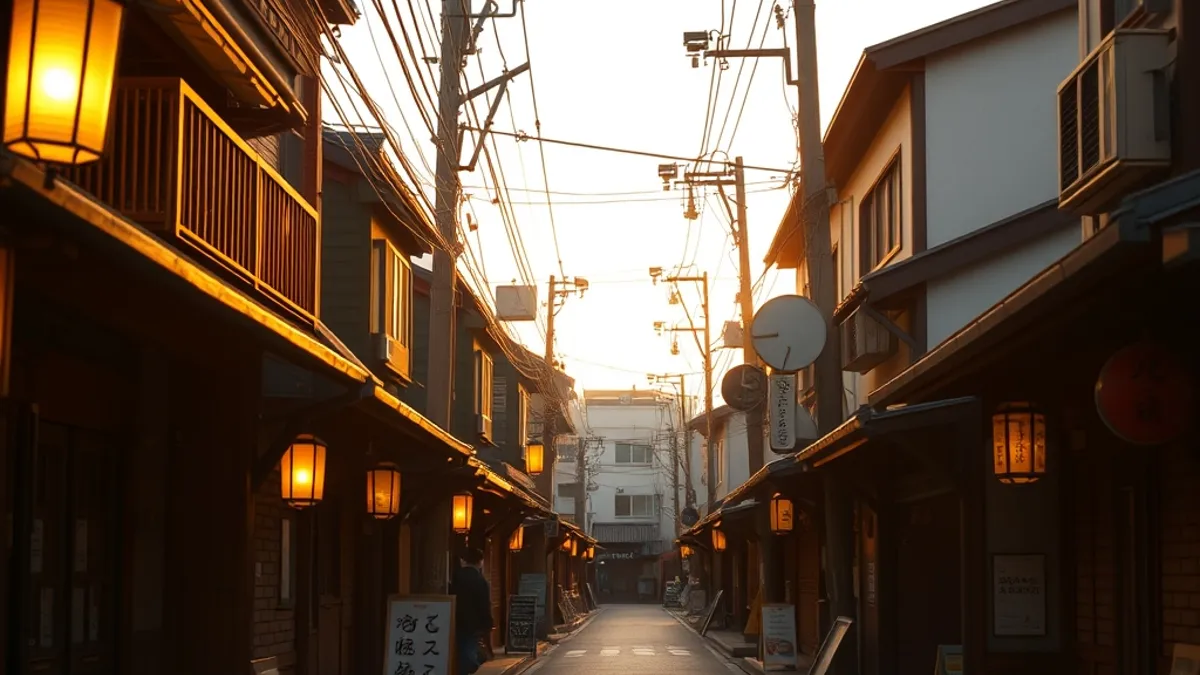
Asakusa is where Tokyo slows down. The district centers on Senso-ji Temple, the city’s oldest and most visited temple, and the approach along Nakamise street still feels like an old town, with snack stalls, traditional crafts and wooden facades that have survived the skyscraper boom around them.
Staying here means waking up to temple mornings instead of rush-hour crowds. You can stroll the Sumida River, eat melon pan fresh from a Nakamise bakery and watch evening lanterns light up without ever needing a train. For travelers who came to see historic Tokyo rather than party in it, that atmosphere is hard to beat.
What you pay and what you trade
The main trade-off is location. Asakusa sits roughly 30–40 minutes by train from Shibuya and Shinjuku, so budget commuting time into every evening plan. If your days are built around sightseeing in the east of the city — Asakusa, Ueno, the imperial palace area — the distance matters far less than you might expect.
In return, your money goes further. Budget rooms of ¥6,000–¥12,000 per night are much easier to find here than in central districts, including simple business hotels and family-run guesthouses. For travelers focused on temples, markets and daytime exploring rather than nightlife, Asakusa is the best value base in the city.
Roppongi and Odaiba: Best for Space and Family Comfort
If cramped rooms are your deal-breaker, look west to Roppongi or across the bay to Odaiba. Roppongi has matured well beyond its clubbing reputation: it now pairs a dense cluster of international restaurants with major museums, and its hotels consistently offer larger rooms than you’ll find in Shinjuku or Shibuya at a comparable level.
The neighborhood also works well for mixed itineraries. You can spend the morning in an art gallery, the afternoon shopping, and the evening eating Korean, Italian or Moroccan — often all within a ten-minute walk. Street noise is noticeably lower than in the big nightlife districts, which parents will appreciate.
Odaiba’s family-room advantage
Odaiba takes the space argument further. Its waterfront hotels often provide bigger family rooms and bay views, and the man-made island adds attractions like teamLab-style digital art venues, shopping malls and a beachside promenade with a view toward the Rainbow Bridge. It’s an easy, contained area to explore with children in tow.
The catch is connectivity. Odaiba is slightly isolated, served by the Yurikamome elevated line rather than the Yamanote loop, so reaching Shibuya or Shinjuku takes a transfer and real planning. If most of your sightseeing is central, Roppongi is the safer pick; if you want resort-style calm inside the city, Odaiba delivers.
When to Book and How to Choose Where to Stay in Tokyo
Tokyo rewards early planners. During cherry blossom season, which runs from late March to early April, rates routinely climb 30–50%, and November’s autumn foliage makes it the second-busiest window of the year. Booking 3–6 months ahead is what secures the best rates for both spring and autumn stays. If your dates are flexible, shifting a trip by even a week can soften prices noticeably, since demand drops sharply once the peak windows pass.
Before you compare prices, get honest about your daily routine. Think about when you’ll actually be in your room and what you’ll do each morning and evening. Night owls should base themselves in Shinjuku, where bars and late-night food are steps from the hotel. Travelers focused on temples and markets will save money and stress in Asakusa, while business visitors do best near Tokyo Station for its Shinkansen connections. Matching the district to your itinerary matters more than chasing the lowest headline rate.
A quick checklist before you book
- Measure the room, not just the price. Most Tokyo hotel rooms are compact — 15–25 m² is standard for mid-range doubles — so a “great deal” can mean two beds nearly touching the walls.
- Check which line the station serves. A hotel on the JR Yamanote loop gives you one-seat rides between Shinjuku, Shibuya, the Ginza area and Ueno, while a metro-only location may add transfers.
- Time your transfer from the airport. Some districts add an hour or more of ground travel from Haneda or Narita, which matters after a long flight.
- Look for coin laundries or luggage storage. In small rooms, these practical details often affect comfort more than lobby design does.
Prioritize hotels within a 5–10 minute walk of a Yamanote line or metro station. In a city this large, that short walk is the difference between a smooth day and a logistics puzzle — especially if you’re carrying suitcases or traveling with kids. It also makes spontaneous evening detours far easier, since you can drop bags and head back out without planning a full journey.
Finding Your Perfect Tokyo Base
Tokyo is a city of many neighborhoods, each with its own personality, and picking the wrong base can mean long commutes and a stay that never quite matches your trip. The good news is that the choice becomes simple once you match a district to your priorities. Shinjuku suits first-timers who want food, bars and transport on their doorstep, Shibuya suits style seekers, and Ginza suits luxury travelers who value space and polish. Asakusa delivers tradition and value, while Roppongi and Odaiba offer the room families need.
Timing matters as much as location. Booking 3–6 months ahead makes the biggest difference for the late March–early April cherry blossom peak and the November foliage season, when rates climb sharply. In the end, the right district depends on your budget, your itinerary and how much commuting you are willing to accept. If this guide helped you narrow it down, leave a comment or share the article with a fellow traveler.