You’ve found the perfect stretch of coastline, the dates work, and then reality hits: peak season. The calendar shows sold-out after sold-out, the reviews mention poolside DJs and packed breakfast buffets, and the calm you were craving starts to feel like a fantasy. Booking quiet resorts during the busiest weeks of the year takes more than luck, but it is absolutely doable with the right approach.
This guide walks you through the whole process. You’ll learn what actually makes a resort feel quiet (it’s not just room count), which dates and booking windows give you the best shot at calm, and which property types naturally filter out noise. We’ll also show you how to read a resort map before you pay, which questions to ask the property directly, and where genuinely serene resorts hide when everyone else is traveling. By the end, you’ll have a practical plan for a restful stay, even in the middle of high season.
What Makes a Resort Feel Quiet During Peak Season
Resort noise rarely comes from just one place. It builds from three distinct sources: guest density, shared facilities, and nearby entertainment zones. A property can have a beautiful beachfront and still feel loud because 400 guests share one pool, or because a beach club with a sound system sits just over the fence. Understanding which of these three is at play helps you predict how a resort will feel before you ever arrive.
Why smaller properties have the edge
Guest density is the biggest factor, and it’s simple math. Resorts with 50 rooms or fewer feel noticeably calmer than 300+ room properties, even when both are completely full. Fewer rooms mean fewer people at the pool, shorter lines at breakfast, and less foot traffic past your door. A small property at full occupancy often feels like a large one at half capacity.
Location within the destination matters just as much. Resorts set back from main roads, marinas, and beach promenades stay calmer than front-row ones, because they escape the constant hum of scooters, boat engines, and beachfront bars. A front-row location earns premium views but also premium noise. A property a short walk inland or down a quiet lane often delivers the same destination with a fraction of the ambient sound.
Choose Dates and Booking Windows That Beat the Crowds
Timing is the single most powerful lever you have when it comes to securing a peaceful stay. The same resort can feel like a sanctuary or a carnival depending on the week you choose, and the quietest room categories disappear first. Travelers who understand how the calendar works consistently end up in calmer corners of the property, while last-minute bookers take whatever remains. Here’s how to work the dates in your favor.
- Book 4-6 months ahead. This window gives you the best shot at the quietest room categories, like garden-view units and end-of-row buildings, before they sell out. It also gives you time to email the resort and ask specific questions about which buildings stay calm at full occupancy. Travelers booking last during peak season are left with whatever remains, which is usually the loudest, least desirable inventory.
- Target shoulder weeks. Aim for late May-early June or late September-October, when crowds drop by an estimated 30-50%. You still get good weather in most destinations, but pools, restaurants, and beaches breathe instead of bulge. Staff are less stretched too, which often means faster service and a more relaxed atmosphere overall.
- Skip the mid-December to early January crunch, or arrive just after it ends. This is the absolute peak of holiday travel, when even well-designed resorts strain under full occupancy. Arriving in the days right after it ends often means near-peak conditions with a fraction of the guests, and sometimes softer rates as well.
If your schedule is rigid and you must travel during the busiest weeks, the later steps in this guide become even more important, since room placement and property type will carry the weight your dates can’t. Pair a fixed peak-season date with an early booking and a well-chosen room, and you can still carve out real quiet even when the resort is running at capacity.
Pick Property Types That Filter Out Noise
Once you’ve pinned down dates, the property type itself does a lot of quieting work for you. Some resort formats are simply built to disperse guests and discourage party energy, while others concentrate it around pools, bars and event lawns. Picking the right format means you fight less noise before you even open your suitcase. It also means the quiet you booked in shoulder weeks actually holds up, because the property’s design supports it rather than undermining it.
- Adults-only resorts. These properties, which typically enforce minimum-age policies of 16+, filter out family-centered daytime noise: no kids’ club announcements, no poolside games, no early-morning splashing marathons. The atmosphere tends to be slower and more conversational by design, and evening entertainment is usually capped at low-key live music or none at all.
- All-villa and cottage layouts. Instead of stacking guests in corridors with shared walls, villa and cottage resorts spread accommodation across grounds. You get real distance between neighbors, your own outdoor space, and far less door-slamming and hallway echo, even when the resort runs at full occupancy.
- Wellness-focused and nature retreat properties. Resorts built around spa programs, yoga, hiking, or quiet scenery attract guests seeking calm, not parties. Nightlife is minimal or absent, and the guest culture itself reinforces the hush.
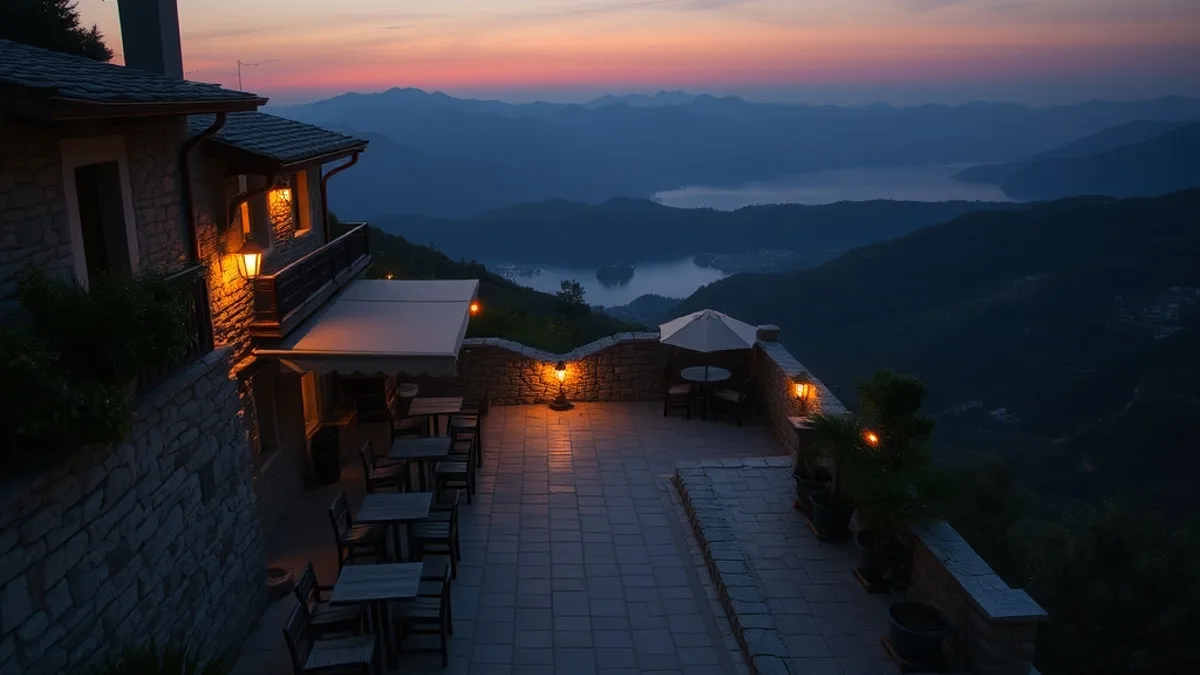
Nature retreats deserve special mention for travelers who want scenery and silence together. Many of the top mountain resorts for peaceful retreats combine low guest density with surroundings that simply don’t support loud entertainment. Terraced hillsides, wide trails and spaced-out buildings act as natural sound buffers in a way that a compact beachfront strip never can. If your ideal quiet stay involves trails and views rather than beach clubs, this category is well worth exploring alongside beach options. The same logic applies to desert lodges and countryside estates: when a resort’s setting favors slow mornings and early nights, the crowd itself skews quiet, and you inherit that calm without asking for it. Check each property’s layout and guest profile before booking, since formats vary widely even within the same category.
How to Read a Resort Map Before You Book
Once you have a shortlist, the fastest way to judge a resort’s quietness is to study its layout before you pay. Most resorts publish a property map on their website, and many will email you a more detailed version if you ask. Look at where the pools, main lobby, kids’ club and event lawns sit, then note which room categories are farthest from them. As a rule of thumb, request a room at least 100 meters away from these noise hubs.
View orientation matters just as much as distance. Garden, hillside and lagoon-facing rooms typically sit away from the social center of the property, while pool-view units put you right on top of daytime activity and oceanfront rooms often catch both crowds and beach promenade traffic.
Before booking, open the satellite view on a mapping app and zoom in on the resort and its surroundings. This simple step reveals things written reviews rarely mention.
- Nearby bars and beach clubs: a property can be perfectly designed yet sit next door to a venue with evening entertainment that carries over the wall.
- Main roads and access routes: a resort set back from a busy coastal road stays calmer than a front-row one, even at full occupancy.
- Building placement: satellite imagery often shows whether rooms are stacked in one dense tower or spread across low-rise blocks with green space between them.
- Room category locations: comparing the map with the booking categories helps you see which units, similar to the quiet suites with private pools and skyline views style of layout, sit in their own corner of the property.
Use Reviews and Direct Questions to Verify Quietness
Photos and floor plans can only tell you so much. Guest reviews, especially recent ones, show you how a resort actually sounds when it is full. Search review text for words like “noisy”, “loud music” and “thin walls”, and pay special attention to reviews written by people who stayed during the same peak months you plan to visit. A resort that feels peaceful in October may be a completely different place at full summer occupancy.
Also check the dates on negative reviews. A complaint about construction noise from three years ago matters far less than one from last season, and a pattern of sound complaints across multiple months is a much stronger signal than a single bad experience.
Ask the resort directly
Once your shortlist is down to two or three properties, email each one with a specific question: which buildings or room categories are quietest when the resort runs at full occupancy? Front desk teams know exactly which rooms back onto the event lawn and which face the garden, and a candid answer tells you a lot about how the property treats this concern.
Pricing can also guide you. Rooms priced roughly 15-25% above the category average often signal the most private locations within a resort. That premium usually buys distance from pools, elevators and entertainment zones, which is exactly what you are paying for during peak season.
Where Quiet Resorts Hide in Peak Season
Some destinations simply handle peak season crowds better than others. If genuine quiet is your priority, it often comes down to geography: places that are hard to reach or naturally spread out stay calm even when demand is at its highest.
Private islands and remote coastal enclaves
Private island resorts and remote coastal enclaves stay serene even through the busiest stretch of mid-June to late August. Access is usually limited to a set number of boat or seaplane transfers each day, which naturally caps how many guests can arrive. For inspiration on this style of stay, browse these secluded private island resorts for a luxury escape and note how their layouts spread guests across the entire island rather than clustering them.
Inland retreats that absorb visitors
Desert and mountain retreats handle high season better than compact beach strips. Their grounds tend to be expansive, sound carries differently in open terrain, and guests disperse across trails, spas and viewpoints instead of competing for the same stretch of sand. A beach strip, by contrast, concentrates everyone into a few hundred meters of shoreline.
The trade-off is real. Secluded luxury stays typically cost full price year-round and ask you to give up walkable restaurants, nightlife and easy day trips. What you get in exchange is genuine silence at full occupancy, which during peak season is often the most valuable amenity a resort can offer.
Your Peak Season Peace Plan
A peaceful resort stay in peak season is not as out of reach as it might seem. It comes down to three things working together: small properties, shoulder-week dates and smart room placement. Pick a resort with 50 rooms or fewer, target the quieter weeks just outside the mid-June to late August rush when crowds drop by an estimated 30-50%, and request a room set well back from pools and event lawns. Each decision strips away one more layer of noise before you even arrive.
Timing does the rest. Booking 4-6 months ahead locks in the quietest room categories before they sell out, while a quick scan of reviews plus one direct email to the resort confirms which buildings stay calm at full occupancy. Add a few minutes with the satellite map view, and even the busiest season can turn into a restful stay. If this helped you plan a quieter trip, leave a comment or share the article with a fellow traveler.