Most travelers love the idea of a resort spa, yet few feel confident actually booking one. Which treatments are worth the money? What counts as a fair price for a massage? And how far ahead do you need to reserve before the good slots disappear? That uncertainty leads to common mistakes: overpaying for treatments that could have been bundled, booking a body scrub right before a beach afternoon, or arriving too late in the stay to enjoy the spa at all.
This guide walks through resort spas step by step. You will learn what a typical spa menu actually includes, how the most common treatments differ, and what realistic prices look like. We also cover when and how far ahead to book, how to choose treatments that fit your itinerary, and simple ways to get better value from your spa budget. By the end, a resort spa stops being an intimidating extra and becomes a planned highlight of your trip.
What a Resort Spa Actually Offers
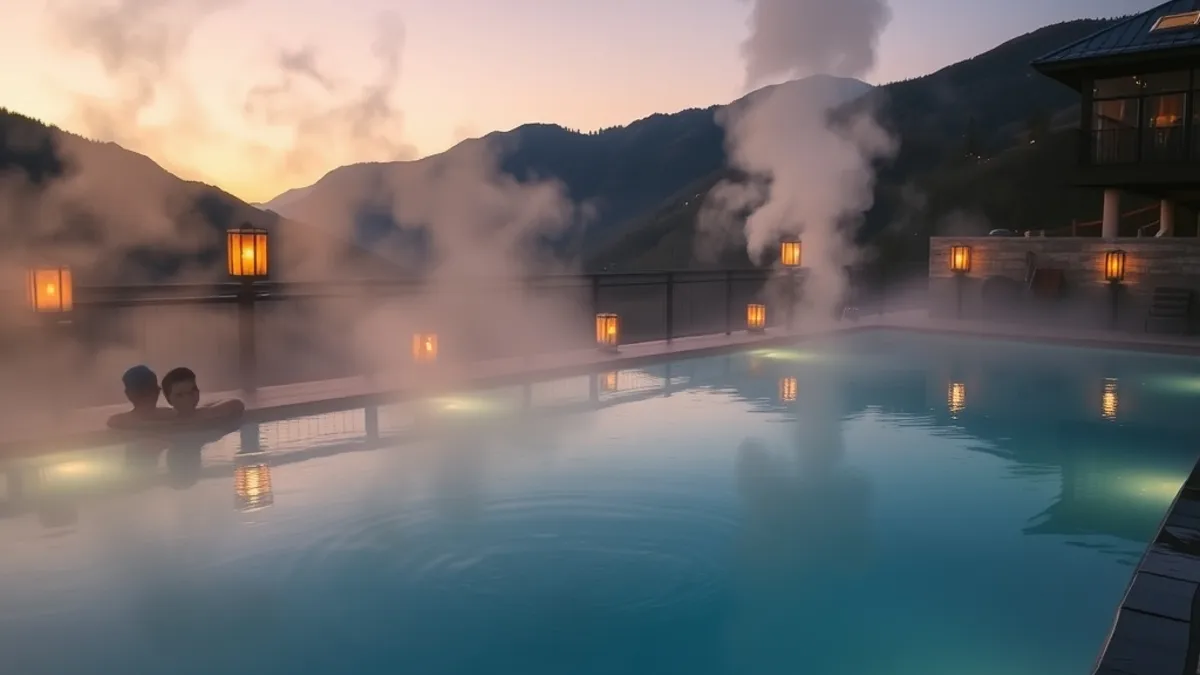
At its core, a resort spa menu is built around four pillars: massages, facials, body scrubs and wraps, and hydrothermal areas. The hydrothermal side, which includes saunas, steam rooms and plunge pools, is the part many first-time visitors overlook, yet it often delivers some of the best value for your time. Most spas also provide relaxation lounges where you can rest between treatments.
Resort spa or destination spa?
It helps to know the difference before you book. A destination spa builds the entire stay around wellness: meals, activities and daily treatments all follow a program. A resort spa, by contrast, is one amenity among many, sitting alongside pools, restaurants and activities. You dip in when it suits you, whether that means a single massage or a full afternoon using the sauna and steam rooms. Neither is better; they simply serve different trip styles.
Signature treatments are where resort spas show their personality. These often reflect the location, such as volcanic stone massages in destinations with volcanic landscapes or sea-salt rituals near the coast. Local ingredients and traditions give these treatments character you will not find in a standard city day spa, and they make memorable gifts for travel companions.
The Most Common Treatments and What They Involve
Resort spa menus can look overwhelming, but most treatments fall into a handful of familiar categories. Massages and facials form the backbone of any menu, with Swedish and deep tissue as the baseline options. From there, hot stone, aromatherapy and couples massages are the usual upgrades, each adding a specific twist: warmed stones for muscle tension, essential oils for relaxation, or a shared room for two guests.
Facials range from 50-minute classic treatments to 90-minute anti-ageing sessions that may include peels or LED therapy. Body treatments such as scrubs, wraps and rituals typically run 50-80 minutes and pair especially well with a massage booked on the same day. Many spas also offer wellness extras that go beyond the standard menu, and these are worth exploring before you settle on a treatment. Some common examples:
- Hydrotherapy circuits: a guided sequence of saunas, steam rooms and plunge pools, sometimes with heated foot baths and experience showers, designed to be followed in a set order for the best effect.
- Meditation sessions: guided group or one-on-one sessions, often held in a dedicated quiet room or garden space, that some resorts offer free to guests.
- Sleep-focused treatments: massages and rituals using calming oils and slow techniques, aimed at guests struggling with jet lag or disrupted sleep.
If you are unsure where to start, ask the spa team to explain the difference between two or three options on the menu. A short conversation usually saves you from booking a treatment that does not match what you actually want.
How Much Resort Spa Treatments Cost
Resort spa pricing is higher than a neighborhood day spa, and knowing the typical ranges helps you judge whether a menu is fair. For a 60-minute massage, expect $150-$300 at most resort spas. Facials usually run $150-$350 depending on length and the product lines used. These figures are benchmarks, not rules, so compare them against the specific menu before you commit.
When prices climb higher
Two things reliably push costs up. Couples treatments and private spa suites usually carry a 20-40% premium over single rates, so check how the price is quoted before assuming it covers one person. At ultra-luxury resorts, signature treatments can exceed $400 per hour, which is why checking the treatment menu on the resort website before you go is one of the smartest habits you can build. Most resorts publish full menus with prices online.
Do not forget gratuity. Where a service charge is not already included in the price, a 15-20% tip is customary at many resort spas. Some properties add the service charge automatically, so read the menu or ask at reception to avoid tipping twice. Factoring both the treatment price and the tip into your trip budget gives you a realistic picture of what a spa day actually costs.
When and How Far Ahead to Book
A resort spa can look fully booked even when the hotel itself feels quiet, and the most popular therapists and treatment rooms often go first. Guests who leave booking until they arrive at the front desk frequently find themselves choosing between awkward slots, and the most desirable times of day tend to disappear weeks earlier. A little planning makes the difference between your pick of slots and a leftover early-morning appointment on your checkout day. Here is a simple timeline to work with.
- Book 2-4 weeks ahead in normal season. That window is usually enough to get your preferred treatment and time of day without locking in plans too early. Most resort spas offer 50-, 60-, 80- and 90-minute treatment slots, so decide which length suits you before you call.
- Go to 6-8 weeks ahead for peak periods. December-January holidays and July-August summer breaks fill fast, and prime evening slots often disappear first.
- Favor Tuesday through Thursday. Mid-week appointments are easier to secure and often cost less than weekend slots, when demand from other guests peaks.
- Leave your first treatment for day two. Arriving, checking in and settling a day first means you arrive at the spa relaxed rather than straight off a long flight.
- Ask about the hydrothermal circuit when you book. Saunas, steam rooms and plunge pools are often included free with a booked treatment, but policies vary, so confirm in advance.
One more practical tip: reconfirm your appointment the day before, either through the spa desk or your resort app. Schedules shift, and a quick check protects your slot and gives you a chance to mention any preferences or requests ahead of time, from pressure preferences to allergies the therapist should know about.
Choosing Treatments That Suit Your Trip
The best spa plan is the one that fits what you are actually doing on your trip. A week of skiing and a week of snorkeling call for very different treatments, and booking the same massage for both wastes money and misses the point. Think of the spa as part of your itinerary, not an add-on to it.
Physical days benefit from recovery work. Deep tissue massage is the natural choice after demanding days on the slopes, especially at properties built around winter sports — the ones we cover in our guide to ski resorts with luxury accommodations often structure entire menus around muscle recovery. After sun, salt water and chlorine, a hydrating facial does far more good than another deep tissue session.
Timing treatments around your days
Be careful with body scrubs and wraps before beach or pool time. The oils and residues they leave on your skin need hours to settle, so schedule them for evenings or for days when you plan to stay away from the water anyway. A morning scrub followed by an afternoon in the pool undoes much of what you paid for.
If you are new to spas
Start simple. A 50-60 minute massage tells you how a particular spa works, whether the pressure suits you and whether you enjoy the atmosphere, before you commit to a longer or more expensive ritual. And if you are pregnant, recovering from surgery or managing a skin condition, check contraindications with the spa before booking intensive treatments — reputable therapists will ask, but it is better to raise it yourself.
Getting Better Value From a Resort Spa
How to Pay Less Without Haggling
Resort spa prices are not as fixed as the menu suggests. Between packages, loyalty programs and unadvertised offers, most guests can shave a meaningful amount off their bill with a few questions. The key is knowing what to ask about before you arrive rather than after the bill lands.
Start before you even choose your hotel. If treatments are a priority for the trip rather than an occasional treat, compare spa menus on resort websites as part of the booking decision. Two resorts at similar room rates can differ sharply on treatment prices, inclusions and the quality of their hydrothermal areas. Traveling as a pair? Ask how couples treatments and private spa suites are priced relative to single rates, because the surcharge can change the math quickly.
Once you are booked or on site, these are the levers worth pulling:
- Room-and-treatment packages. Bundles that fold treatments into the room rate often undercut à la carte pricing, and they are usually visible on the resort’s offers page or through your travel agent.
- Resort credits and loyalty perks. Some hotel programs let you apply credits or member benefits toward spa bookings; check the program terms, since eligibility varies by brand and rate type.
- Early-bird and midweek offers. Some spas run discounts for first-appointment-of-the-day slots or Tuesday-Thursday bookings but publish them only on request, so ask at the spa desk.
None of these require haggling. A single email before arrival or one conversation at check-in is usually enough to surface what is available. Even if no discount materializes, you may learn about complimentary extras such as hydrothermal circuit access bundled with your treatment, which stretches the value of what you are already paying for.
Wrapping Up Your Resort Spa Plan
A resort spa is much easier to plan once you know the basics. The core menu covers massages, facials, body treatments and hydrothermal areas, and a 60-minute massage at $150-$300 is a fair benchmark to judge any menu against. If a resort’s prices sit far above that range, the treatment menu on the resort website will tell you so long before the bill does.
Timing does most of the heavy lifting: book 2-4 weeks ahead in normal season, or 6-8 weeks for the December-January and July-August peaks, and you will get the slots you actually want. Match your treatments to your itinerary, hunt for packages that bundle treatments with your room rate, and what felt like a splurge becomes a planned highlight of the trip. Have a favorite spa treatment or a booking tip of your own? Share it in the comments below.