With hundreds of lodges across Africa charging anywhere from $300 to well over $2,000 per night, it’s hard to know which one actually delivers the wildlife experience you’re paying for. Two camps can sit on opposite sides of the same river and offer completely different safaris. The truth is that the lodge itself matters less than what surrounds it: the reserve, the season, the guide and the way game drives are run.
This guide to how to choose a safari lodge walks through the decisions that actually shape your trip. We’ll cover matching the reserve to the animals you want to see, timing your stay around the dry season, vetting guides, evaluating game drives and activities, understanding what your nightly rate should include, and the practical checks to make before you pay a deposit.
Start With Location: Picking the Right Reserve for Your Wildlife Goals
The single biggest mistake safari travelers make is falling in love with a lodge before checking what lives around it. Start with your wishlist instead. If big cats and the Great Migration top your list, look at the Masai Mara in Kenya or the Serengeti in Tanzania. If you want the strongest odds of ticking off the Big Five, Kruger and its private reserves are hard to beat. For walking safaris and leopard sightings, Zambia’s South Luangwa has built its reputation on both.
Next, decide how much company you want at a sighting. In busy national parks, a leopard in a tree can draw 10 or more vehicles. Private conservancies that border these parks cap vehicles at roughly 3-5 per sighting, which means calmer animals, better photography positions and often the ability to go off-road for closer views.
Getting There and Water, Two Overlooked Factors
Access matters more than most people expect. Flying into a lodge’s own airstrip saves hours compared with a long road transfer, and some parks sit 5-6 hours of driving from the nearest city. Finally, think about water in your chosen season. Wildlife concentrates around rivers and waterholes in the dry months, so a lodge with a permanent water source on its own land can deliver excellent viewing without you ever leaving camp.
Timing Your Stay Around the Dry Season
Season is the difference between 40 animals a day and a dozen, so time your dates before you fall for a specific camp. In East Africa, aim for June to October, when vegetation thins out and animals gather at shrinking water sources. Southern Africa’s dry season runs May to September with the same advantages: sparse bush, predictable waterhole gatherings and long, clear sightlines for photography.
That said, don’t dismiss the green season, roughly November to April. Rates drop, vehicles thin out, and the landscape turns lush and photogenic. The trade-off is thicker vegetation and wildlife that scatters across the reserve, so sightings take more patience and skill from your guide. If you’re pairing a safari with a villa stay, the green season can be a smart time to combine both, and this South Africa villas and safari guide shows what that combination can look like.
Chasing the River Crossings
If the Great Migration river crossings are your priority, plan around July to September in the Masai Mara, when herds typically mass along the Mara River. Keep in mind that crossings are natural events, not scheduled shows; herds can wait days before taking the plunge, so build in flexibility and book camps near the river corridors well ahead.
Why Guides Make or Break the Experience
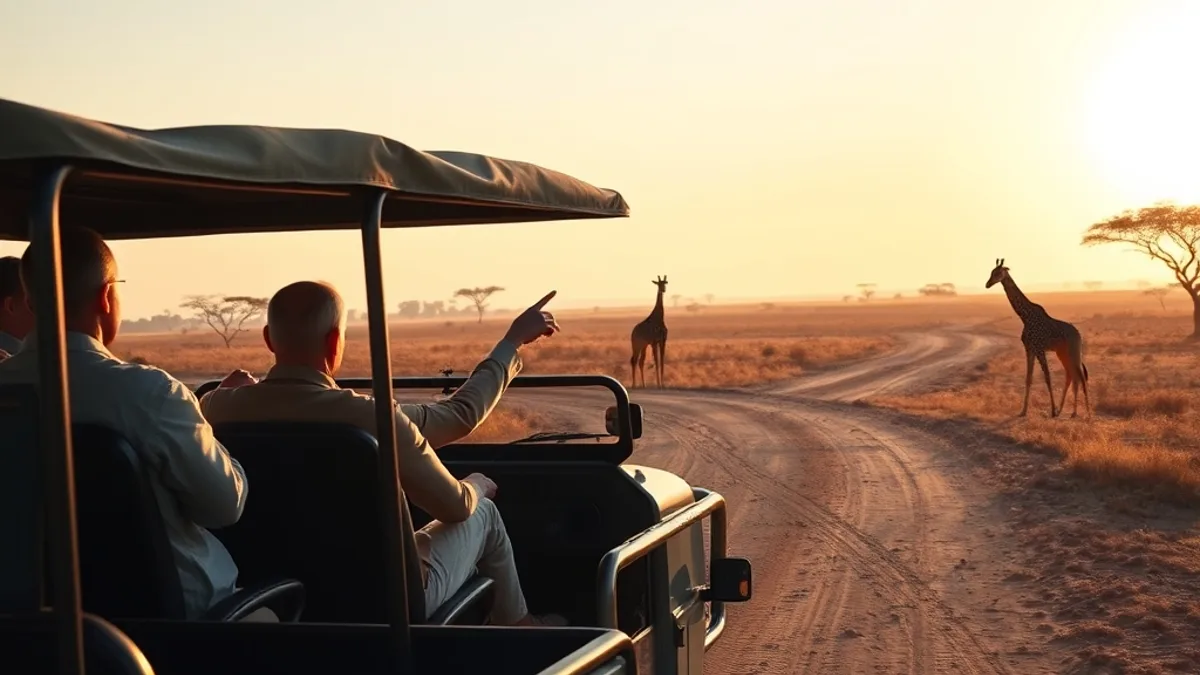
A great guide turns an ordinary drive into an unforgettable one, and a mediocre guide can leave you circling the same impala herd for hours. Guiding is the single biggest variable you control at the booking stage, because vehicles and wildlife matter far less than the person interpreting them for you. The clearest quality signal is certification. Look for lodges that advertise FGASA- or KPSGA-certified guides, which means formal training in tracking, animal behaviour and safety rather than simply years behind a wheel. Ask how often guides attend refresher courses, and whether senior guides mentor newer ones on staff.
Also ask a practical question before booking: does the same guide stay with you for your entire stay? Guides who learn that you’re obsessed with wild dogs or want to photograph birds will structure every drive around your interests, and the sightings improve accordingly. Consistency also builds trust, so you feel comfortable asking questions without repeating yourself each morning. When comparing camps, keep these points in mind:
- Guest-to-guide ratio: a camp hosting six guests per guide means personal attention and a window seat for everyone, while larger groups often rotate sharing.
- Trackers as well as drivers: common in Botswana and South Africa, a dedicated tracker sits up front reading spoor while the driver positions the vehicle, effectively doubling your finding power.
- Radio discipline: ask whether guides use sighting networks responsibly or race to crowd every lion, a key difference between conservancy and park operations.
Lodges are usually happy to answer these questions by email, and vague answers are themselves informative. Reading recent guest reviews with guiding in mind, rather than focusing on rooms and food, gives you a clearer picture of what your days in the field will actually feel like.
Evaluating Game Drives and Activities on Offer
Game drives are the heart of any safari, so it pays to know exactly what a lodge offers before you book. Most lodges run two drives a day, typically lasting 3-4 hours each, with departures around 6:00 am and 4:00 pm. The early start sounds brutal on holiday, but it is when predators are most active and the light is at its best for photography. Ask the lodge to confirm its schedule in writing, since some camps shorten drives in the green season.
Vehicle type and seating matter more than most travelers expect. Open-sided 4x4s give you unobstructed views and better photos, while closed vehicles are more comfortable in rain or wind. Check that the lodge guarantees a window seat and caps occupancy at no more than 6-7 guests per vehicle; a packed row of three in the middle is miserable on a four-hour drive. Also ask whether night drives are permitted, because many national parks forbid them, while private conservancies usually allow them, along with off-road driving for close sightings.
Look beyond the vehicle
On a stay of 3-4 nights or more, variety keeps things fresh. Walking safaris bring you eye level with the smaller stuff: tracks, plants, birds and the thrill of being on foot in big-game country. In the Okavango Delta, mokoro trips glide you quietly past frogs, reed frogs and elephants along the channels. Some lodges also offer hide-based photography sessions, where you sit at a waterhole and let the animals come to you. Ask which activities are included in your rate and which cost extra, so there are no surprises at checkout.
Budgeting: What Your Nightly Rate Should Include
Safari pricing can look baffling at first, with nightly rates ranging from a few hundred dollars to well over a thousand. The good news is that most lodges use fully inclusive pricing, so a single rate should cover nearly everything. Knowing the tiers helps you set expectations before you start comparing camps.
As a rough guide, budget lodges cost around $300-600 per person per night, mid-range camps run $600-1,200, and top-end camps start at $1,200-2,500+ per person per night. These are per-person rates, not per room, which catches many first-time safari-goers off guard. Luxury camps charge more for a reason: smaller camps, better guides, private concession access and finer food and wine.
What should be included
Before you pay, verify that the rate covers accommodation, all meals, twice-daily game drives and park or conservancy fees. This package is the safari norm, and any lodge that charges separately for drives is worth a second look. Park and conservancy fees change regularly, so ask the lodge or your operator to confirm the current amount rather than relying on an old quote.
Then check the fine print for extras that add up quickly. Internal light-aircraft transfers between camps, premium drinks and cellar wines, private vehicles for exclusive use, and even laundry can add $100-300 per day to your bill. Gratuities for guides and camp staff are usually extra too. Ask for a sample invoice listing every included and excluded item; reputable lodges and operators will send one without hesitation.
Booking Timeline and Practical Checks Before You Pay
Once you have narrowed down your reserve, season and budget, a few practical checks will protect both your money and your experience. Small camps sell out surprisingly fast, and the details that matter most are often buried in cancellation policies and fine print rather than glossy brochures. It is easy to fall in love with a camp’s photos and only discover after paying a deposit that children under a certain age are not allowed on drives, or that the tent you booked involves a long walk over uneven ground. Work through this list before you pay any deposit, and treat it as a final quality check on the lodge you have chosen. A little diligence here is far cheaper than a disappointing stay in one of the world’s great wildlife areas.
- Book early for peak season. For peak-season lodges in the Serengeti, Masai Mara and Kruger, plan on booking 9-12 months ahead. Small camps with only 8-12 rooms sell out first, and the best guides and rooms often go to the earliest bookings. Booking early also gives you time to ask questions and switch camps if the answers are not convincing.
- Read reviews with a wildlife filter. Skim recent reviews specifically for comments on wildlife quality and guiding, not just rooms and food. A stunning lodge in a poor wildlife area will disappoint you far more than a simple tent in a game-rich concession. Look for repeated mentions of guide names, since consistent praise for the same guides is a strong sign of a well-run operation.
- Check child policies. Some camps have minimum age limits for children on game drives or walking safaris, while others welcome families with dedicated programs and family tents. Confirm the policy before booking if you are traveling with kids, and ask whether private vehicles can be arranged for families who want flexible drive times.
- Assess malaria risk. Malaria risk varies by region and season, so ask your operator about the specific area you will visit and consult a travel health professional about precautions well before departure. Pack accordingly and know what to do if symptoms appear after you return home.
- Confirm mobility suitability. If anyone in your group has mobility needs, ask about vehicle access, steps into tents, distances between rooms and the main area, and whether the camp can accommodate specific requirements. Some camps are far better set up for this than others, and photos rarely show the details that matter.
Ten minutes of phone calls and emails at this stage can save you from an expensive mismatch. Get written confirmation of anything that matters to you, from seating guarantees to dietary needs, and keep it with your booking documents so there is no room for misunderstanding when you arrive. If a lodge hesitates to put answers in writing, treat that as useful information in itself and keep looking until you find one that answers clearly and promptly.
Putting It All Together
So how do you cut through the noise of hundreds of lodges charging anywhere from $300 to over $2,000 per night? The answer is that the price tag matters far less than the fit. Choosing a safari lodge comes down to matching the reserve and season to your wildlife goals, then vetting the guides, vehicles and inclusions before you commit. A lodge that nails those basics will outperform a fancier one in the wrong location every time.
The reliable formula looks like this: a 3-4 night stay in a dry-season month, booked 9-12 months out, at a rate that covers drives and fees. Get location, guiding and game drives right, and the lodge itself becomes the bonus rather than the gamble. If this helped you plan your trip, leave a comment or share the article with a fellow traveler.