Choosing between an East vs Southern safari is the first big decision every Africa traveler faces, and it is the one that shapes everything else: which animals you see, when you go, how much you pay and what your lodge actually feels like. The two regions are not interchangeable, and the differences run deeper than most brochures suggest.
This guide breaks the comparison into seven practical parts. We start with the core difference at a glance, then look at what each region does best for wildlife and landscapes, and when to go. From there we compare lodge styles and realistic costs, booking lead times that can make or break your plans, and the logistics of getting around each region. A wrap-up helps you match the right region to your budget, season and travel style before you book anything.
East vs Southern Safari: The Core Difference at a Glance
The fundamental difference comes down to scale and style. East Africa, meaning Kenya and Tanzania, is built around vast open plains and the Great Migration, a year-round movement of enormous herds that makes it ideal for travelers who want big-game spectacles and dramatic river crossings. The landscapes here are the ones from classic safari films: endless grasslands, acacia silhouettes and lions visible from a distance.
Southern Africa, covering South Africa, Botswana, Zambia and Namibia, takes a different approach. The emphasis falls on intimate private-reserve game drives, water-based mokoro trips through the Okavango Delta and conservation-focused camps that limit visitor numbers. Vehicles are often fewer, sightings can feel more personal, and activities extend beyond the standard game drive.
Which traveler fits which region?
East Africa suits first-timers chasing iconic savannah scenes, families who want the classic safari checklist and anyone whose dream trip is built around the Migration. The parks are larger and busier, but the sheer volume of wildlife compensates. Southern Africa suits travelers wanting exclusivity and varied activities, such as walking safaris, night drives and boat trips, plus the option to combine a safari with cities, wine country or desert scenery in a single itinerary.
Wildlife and Landscapes: What Each Region Does Best
East Africa’s headline act is the Great Migration. The Serengeti and Masai Mara together host more than 1.5 million migrating wildebeest, joined by zebras and gazelles in a circuit that crosses the two ecosystems. Ngorongoro Crater adds something different entirely: a collapsed caldera where predators and large herds are packed into a compact floor, making it one of the easiest places to see lions, hyenas and black rhinos in a single day.
Southern Africa trades scale for variety and intimacy. The Okavango Delta floods between May and August, allowing mokoro glides past elephants and wading antelope in channels you explore by boat rather than vehicle. Etosha’s waterholes concentrate game in the dry months, so you can sit at one spot and watch a procession of animals come to drink.
- Chobe River boat safaris: large elephant herds gather along the water, letting you watch bathing and crossing behavior from the deck of a small boat.
- South Luangwa walking safaris: Zambia is known for guided walks that put you on foot in big-game country with an armed ranger, a format pioneered here.
- Namib dunes and desert-adapted wildlife: the towering red dunes and desert landscapes sit within easy add-on distance of Etosha’s game viewing.
- Cape Winelands and city days: vineyards, coastal scenery and restaurants pair naturally with a Kruger or private-reserve safari.
- Victoria Falls: one of the world’s great water spectacles, reachable as a short hop from Botswana and Zambia safari circuits.
That variety is a genuine differentiator. If you want to combine a safari with a villa stay with an infinity pool in South Africa or desert and waterfall add-ons, Southern Africa does it with less travel friction than any East African equivalent.
When to Go: Seasons Across Both Regions
Both regions share a May-October dry season, which simplifies planning but not the details. In East Africa the peak runs June to October, when the plains are dry, animals gather at water and game viewing is at its most reliable. In Southern Africa the best game viewing in Kruger and the Okavango falls June to August, slightly earlier than East Africa’s peak, though conditions stay good through October.
The migration window and its price tag
July to September is the only reliable window for Mara river crossings, when wildebeest herds surge across the crocodile-filled rivers between the Serengeti and the Masai Mara. Because the timing is never guaranteed, everyone converges on the same weeks, so expect top rates and booking lead times of 9-12 months for the best-located camps. If a river crossing is your non-negotiable, book early and build in buffer days.
Why consider the green season
November to March brings the green season: landscapes turn lush, rates can drop 30-50% below peak, newborn animals appear everywhere and birding is at its best as migrants arrive. The trade-offs are real, though. Thicker bush makes animals harder to spot, sightings are more scattered, and afternoon rain can interrupt game drives. For photographers who love dramatic skies and travelers watching budgets, it is often the smarter choice.
Safari Lodge Styles and What They Cost
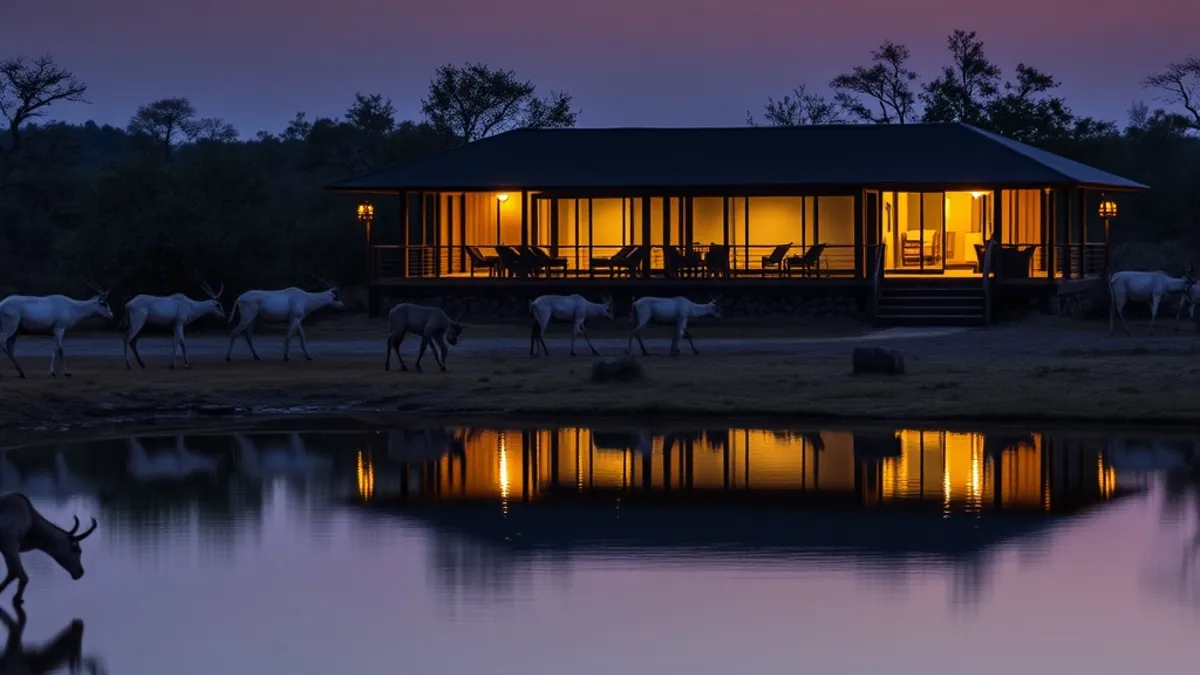
The lodge styles in each region shape your safari as much as the wildlife does. East Africa is famous for its classic tented camps: canvas rooms with proper beds, en-suite bathrooms and a veranda facing the plains. During the migration season, some operators run mobile camps that pack up and reposition to follow the herds, putting you close to the action without sacrificing comfort.
East Africa also suits travelers who like flexibility. Around Tarangire and other lodge-heavy parks, you’ll find plenty of established lodges near the park gates, which works well if you’re self-driving or hiring a vehicle and guide for a road safari. You can move between parks at your own pace and mix price points along the way.
Private concessions in Southern Africa
Southern Africa takes a different approach, leaning on private concessions inside or beside major parks. These are small luxury camps, often with just a handful of suites, and in the Okavango Delta many are fly-in only, reached by light aircraft. Because they operate on private land, activities that national parks usually restrict are included as standard: night drives, off-road tracking and guided walking safaris.
What you’ll actually pay
Budget realistically before you fall in love with a camp. Mid-range all-inclusive lodges in both regions typically run around USD 300-600 per person per night, usually covering meals, game activities and sometimes drinks. Top-end camps in Botswana and the Serengeti often exceed USD 1,000 per person per night, especially in peak season. Always confirm exactly what the rate includes, as park fees and light-aircraft transfers can vary widely between operators.
Booking Lead Times and How to Secure the Best Camps
The best camps in Africa are small on purpose, which means the rooms you want sell out long before the season starts. Getting the camp, dates and room category you actually want is mostly a matter of when you book, not luck. Work through the steps below in order and you will avoid the most common and expensive mistakes.
- Lock in your travel window first. Decide whether you are chasing peak dry-season game viewing or a greener, quieter experience, because this single choice drives both price and availability more than anything else. Peak months mean scarcest beds and top rates; green months mean savings and trade-offs on sightings.
- Book East Africa earliest. For July-October travel, reserve East African lodges as far ahead as you possibly can. Migration-season camps in the Serengeti and Masai Mara are the scarcest beds on the continent, and the most sought-after room categories often go first.
- Give Southern Africa a slightly shorter runway. For June-August travel in private reserves, 6-9 months ahead is usually enough, though the smallest Okavango camps still fill early because they have so few rooms.
- Use the green season to save. Traveling between November and March can bring rates 30-50% lower than peak season, plus newborn animals and superb birding. Note that some camps close for renovation in the wettest weeks, so confirm your chosen camp is open.
- Compare rates on what they include. Ask each operator whether the nightly price covers game drives, park fees, light-aircraft transfers and drinks. These vary widely between operators, and a cheaper headline rate can end up costing more once everything is added.
One more practical tip: put a hold or deposit on your first-choice camp as soon as it is available, even if your flights are not yet booked. Camps rarely hold space indefinitely, but a small deposit months out costs far less than settling for your third choice in a peak month.
Practical Logistics: Getting Around Each Region
Getting around is where East and Southern Africa differ almost as much as the wildlife itself, and your choice shapes both budget and pace. East Africa lends itself to road safaris: you can start in hubs like Arusha or Nairobi and drive between parks on a set itinerary, which keeps costs down for families and small groups. Expect long transfers between gates and lodges, often on dusty or corrugated roads, so build in extra time rather than treating a “three hour drive” as reliable. The Serengeti is the big exception, where most travelers arrive by light aircraft to skip a full day behind the wheel.
Southern Africa splits into two models. The Okavango Delta and remote Zambian parks are almost entirely fly-in, with camps reachable only by small plane. Kruger and Etosha, by contrast, are drivable in a standard rental car on tarred roads, which makes them far more budget-friendly for self-drivers who want to control their own schedule.
- Charter luggage limits matter. On light-aircraft hops into the Okavango or Serengeti, weight allowances are strict, usually soft duffel bags only, so pack light and confirm the exact limit with your operator before flying.
- Rental car rules differ by park. In self-drive destinations like Kruger and Etosha, check whether your rental contract permits gravel roads and whether a higher-clearance vehicle is advised for your specific route and season.
- Plan your beach add-on around your region. East Africa pairs naturally with Zanzibar, a short flight from the northern safari circuit. Southern Africa pairs with Cape Town, Victoria Falls or Mauritius; if Mauritius appeals, a beach stay such as a resort on the island’s sheltered southwest coast slots neatly onto the end of a Botswana or Kruger trip.
Whichever region you choose, build at least one buffer day into your itinerary. Light-aircraft schedules can shift with weather, and a missed connection on a fly-in safari is far less stressful when your next night is not booked back-to-back.
Choosing Your Region: The Wrap-Up
So which region should you choose? East Africa delivers the migration spectacles and iconic plains scenes so many travelers picture when they dream of safari, with a June to October peak and lodge bookings that need 9-12 months of lead time. Southern Africa rewards with exclusive private camps, water-based safaris in the Okavango and a wider set of trip add-ons across its May to October dry season.
The honest answer is that neither region is better, only better for you. The smartest move is to match the region to your budget range, your travel season and the lodge style you want before you commit to a single booking. A couple who wants walking safaris and quiet nights around a small campfire will be happier in a private Southern African concession, while a first-timer chasing river crossings belongs on the Serengeti plains. Decide those three things first, and the right region usually becomes obvious.
If this helped you decide, leave a comment or share the article with a fellow safari planner.