Planning a safari stay often comes down to one confusing question: will a tented lodge or a permanent lodge give you the experience you actually want? The tented lodge vs permanent lodge debate trips up even seasoned travelers, because the two styles can look identical in photos yet feel completely different on the ground. Comfort levels, budgets and even the season you travel in all change the answer.
This guide walks you through what actually separates the two styles, from the canvas-and-deck setup of a tented suite to the solid walls of a stone lodge. We will compare the amenities each delivers, the wildlife immersion and location trade-offs, and the seasons when each style works best. You will also find typical price ranges, booking lead times and a simple framework for matching the lodge style to your trip, whether you are traveling with kids, on a honeymoon or chasing the migration.
What Defines a Tented Lodge vs a Permanent Lodge
The simplest way to picture the difference is to think about walls. A tented lodge uses canvas as its main building material, usually stretched over a frame and set on a raised wooden deck. The range is wide: at one end you have classic safari tents with a bed, a washbasin and little more; at the other, palatial canvas suites with full en-suite bathrooms, freestanding bathtubs and private plunge pools.
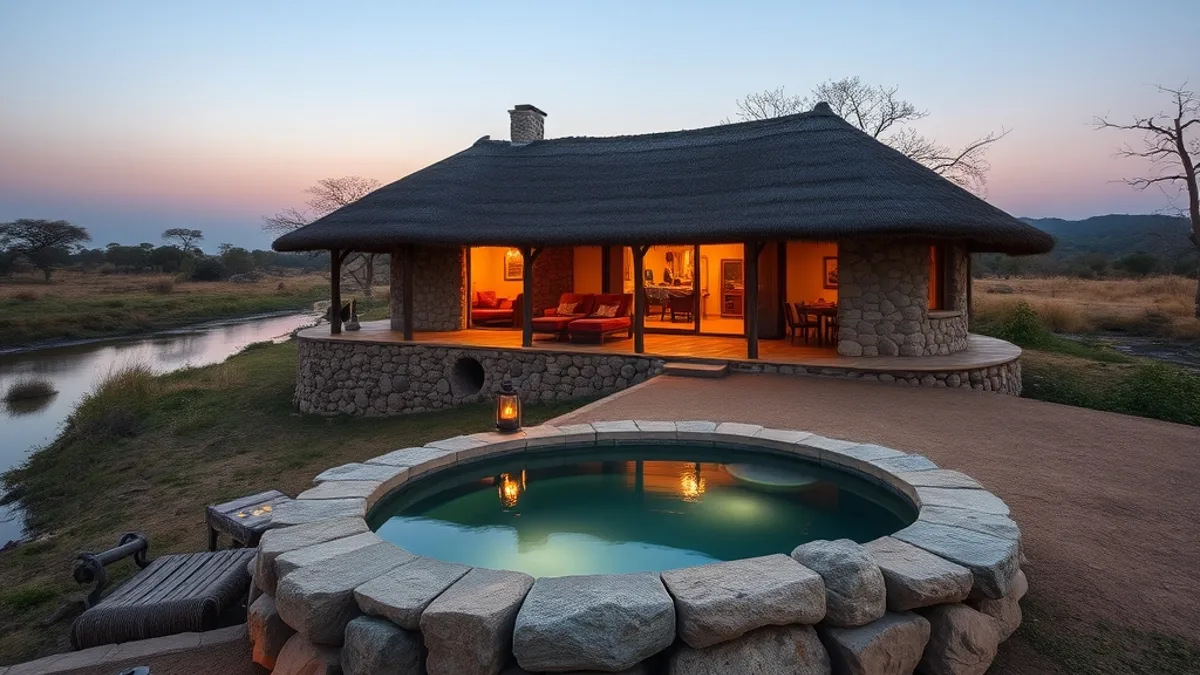
A permanent lodge, by contrast, is a fixed building made of stone, timber or thatch. Solid walls mean full insulation and climate control, so the temperature inside stays steady no matter what the bush is doing outside. These properties often resemble small boutique hotels dropped into the wilderness.
Not all tented camps stay put
Tented camps come in two flavors. Mobile tented camps pick up and move with the wildlife, sometimes relocating two to three times per year to stay close to migrating herds. Semi-permanent tented camps stay on one site for years, combining canvas construction with a fixed location.
Here is the key point: both styles can be genuinely luxurious today. The real difference is not service level but immersion. Canvas walls let the sounds, smells and temperatures of the bush in; solid walls keep them out. Which of those you prefer should drive your choice.
Comfort and Amenities: What Each Stay Type Delivers
Permanent lodges are the safe bet for hotel-style comfort. Because they are built structures, they reliably offer air conditioning, heating, gyms and spas, and some add showstoppers like infinity pools overlooking a waterhole. If you want a stay that feels closer to a luxury resort, this is where you will find it, and some villa-style properties push that even further. For a closer look at that end of the market, see these South Africa ultimate villas with infinity pool safari for examples of what a resort-grade safari stay can include.
Tented lodges have closed the comfort gap considerably. Most now include proper en-suite bathrooms with flushing toilets, hot showers and genuinely comfortable beds on solid platforms. But canvas is still canvas: sound carries, and indoor temperatures swing with the weather outside. You may hear hippos grunting at 3 a.m. — some travelers love this, others lie awake. The trade-off is that no amount of luxury bedding changes the fact that a thin layer of fabric separates you from the night sounds of the bush.
Questions to ask before booking a tented suite
- Power supply: ask whether the suite has 24-hour electricity or only generator power at set hours, since this affects lighting, charging devices and ceiling fans.
- Hot water pressure: some remote canvas camps run on gravity-fed systems, so confirm the shower delivers a proper stream rather than a trickle.
- Wi-Fi access: check whether it is available in the tents themselves or only in the main area, and whether it comes at extra cost.
- Cooling options: ask if tents have fans, air conditioning or simply mesh windows, as this shapes how well you sleep on hot nights.
One honest rule of thumb: travelers who are sensitive to insects, noise or heat generally fare better in permanent lodges. Sealed walls, screens and climate control remove most of those irritations entirely. That said, many tented camps now add thoughtful touches such as screened lounges, plunge pools and outdoor baths, so comfort levels vary widely between properties. Compare individual camps carefully rather than assuming all canvas stays are rustic, and ask for recent photos of the exact suite category you are booking.
Wildlife Immersion and Location Trade-offs
If you want to feel surrounded by the bush rather than just observing it, canvas wins. Tented lodges tend to sit closer to the action, often on open ground with little between you and the wildlife. That means you may fall asleep to lions roaring in the distance or wake to elephants browsing a few dozen meters from your deck. For many safari-goers, this rawness is the core appeal of a tented stay — the sense that the wilderness has not been kept at arm’s length.
Where permanent lodges make their case
Permanent lodges usually cluster near park gates and established waterholes, trading some immersion for reliability. Solid buildings near a busy waterhole can deliver consistent game viewing from the deck itself, and quick gate access means earlier starts on drive days. You get dependable access to wildlife rather than the thrill of being deep inside it.
Location rules also shape the choice. Private concessions — large tracts of land with strict visitor limits — favor tented camps, which is where you will find most mobile operations. Main public park areas, with their road networks and gate infrastructure, favor large permanent lodges.
Mobile tented camps take this one step further by following the Great Migration across the Serengeti ecosystem, moving roughly between the south from December to March and the north from June to October. If being near the herds is your priority, a mobile camp can put you closer than any fixed building could.
Season and Weather: When Each Style Works Best
Weather should play a bigger role in your choice than almost any other factor, because canvas behaves very differently from solid walls when the rain arrives. During the dry season from June to October, both styles perform well — days are warm, nights are cool and game drives are at their best. In malaria-prone or rainy regions, though, this window is essential for tented stays: sealed floors, zipped door flaps and mesh screens simply cope better when there is no standing water around camp.
The green season from November to March tells a different story. Rates often drop by 20–40%, the landscape turns lush and photogenic, and camps feel quieter. The trade-off is that canvas can leak in heavy downpours and humidity can make tents feel damp, especially early in the morning. If you are set on a green-season safari but hate the idea of a soggy zipper, a permanent lodge is the safer bet for those unpredictable shoulder months.
Don’t Forget Your Destination’s Own Calendar
Desert and jungle destinations follow entirely different rhythms from the classic savanna parks. Some jungle regions have wet seasons that would make a tented stay genuinely uncomfortable, while certain desert areas are best avoided at the height of summer heat. Before committing to canvas anywhere outside East Africa’s famous reserves, research the local wet season carefully. For inspiration on what a truly comfortable jungle stay can look like, see this guide to exotic jungle lodges with high-end comfort.
Budget and Booking Lead Times
Safari lodges are rarely cheap, but the two styles occupy slightly different price brackets. Tented lodge stays typically range from $300 to $1,200 per person per night, while permanent lodges run from around $400 to well over $2,000 for their top-end suites. The overlap is large, so style alone won’t determine your budget — location and exclusivity matter just as much.
Timing your booking matters too. For peak dry season dates from June to October, permanent lodges should be reserved 9–12 months ahead, as the best-known properties fill up early. Tented lodges generally need 6–9 months of lead time for high-season dates. If your dates are flexible, green season can make both styles far more accessible — ask your operator about seasonal rate differences rather than assuming a fixed discount.
- Check the drinks policy. Some camps include house wines, beers and soft drinks; others charge for everything beyond water and tea, which adds up quickly over a multi-night stay.
- Confirm park and conservation fees. These are usually billed separately from the nightly rate and change regularly, so ask your operator for the current figures.
- Look at light aircraft transfers. Remote tented camps often require fly-in access, and seat-in-charter flights are priced differently from private charters.
- Ask about single supplements and child rates. These vary widely between camps and can swing the total cost of a family trip significantly.
One reassuring constant: all-inclusive rates covering meals, drinks and game drives are standard at both styles. Compare what each property includes rather than judging by the headline price alone — a slightly higher rate with everything bundled in can be better value than a bargain that charges for every extra.
How to Decide: Matching the Lodge Style to Your Trip
By now the trade-offs between canvas and solid walls are clear, so the final step is matching those trade-offs to the people actually going on the trip. This is where many travelers go wrong: they book the style that photographs beautifully instead of the one that fits their group. A lodge that delights a honeymoon couple may frustrate a family with toddlers, and vice versa. Here is a simple way to work through the decision before you commit a deposit.
- Define your priority. If falling asleep to rustling canvas, distant lion calls and the intimacy of a small camp sounds magical — and you can tolerate hot afternoons and cool nights — a tented lodge is your match. If predictability matters more, lean permanent.
- Be honest about your travel companions. Traveling with young children, visiting during the rainy season, or craving a spa, gym and pool between game drives all point firmly toward a permanent lodge with solid walls and full climate control.
- Consider splitting your stay. Many honeymooners combine both: start at a permanent lodge for reliable comfort, then finish with a night or two under canvas for a once-in-a-lifetime bush experience. Two or three nights in each style is usually enough.
- Interrogate the operation, not the architecture. Ask each property how many guests they cap per game drive vehicle — 6 to 8 is the ideal — and about their guides’ qualifications and tracking experience. A superb guiding team in a simple tent beats a mediocre one in a marble-lined suite.
In the end, the tent-versus-walls question matters far less than the quality of the camp’s people and its location in the ecosystem. Get those right, and either style will give you a safari you’ll talk about for decades.
Wrapping Up Your Lodge Choice
So which one should you book? If your priority is feeling the bush around you — hearing elephants at night, waking to birdsong through canvas — a tented lodge delivers that atmosphere in a way solid walls rarely can. If you need reliable climate control, predictable comfort in any weather, or facilities like spas and gyms, you’ll generally rest easier behind solid walls.
Your three deciding factors should be season, budget and travel companions. A family with young children in the rainy months will lean permanent; a couple chasing raw immersion in the dry season may lean tented. Whichever style you choose, booking 6–12 months ahead secures the best rates and the camps you actually want — tented lodges in particular tend to fill early for high-season dates. If this helped you decide, leave a comment or share the article with a fellow traveler.