Scroll through any booking site and you will find the same room listed under five different names: standard, superior, deluxe, club, executive. The descriptions blur together, the photos look identical, and the price gaps can be significant. Many travelers end up either overpaying for a tier they do not need or sticking with the cheapest option and regretting it once they see the room.
This guide breaks down the main hotel room types in plain language, from standard and deluxe rooms through bed configurations like twin, king and family setups, to club rooms with lounge access and the full range of suites. Each section explains what you typically get for the extra money, how the categories differ in size and amenities, and how to match the right room type to the length and purpose of your trip, so you can book with confidence instead of guesswork.
Standard and Deluxe Rooms: The Baseline Categories
Standard rooms are the baseline of every hotel’s lineup and the smallest category you can book. They typically range from 20 to 30 square meters, come with one bed setup, and include the basics: a private bathroom, a television, a desk or small seating spot, and storage. If a hotel lists nothing else about a standard room, assume it is functional rather than spacious.
What the deluxe label actually adds
Deluxe rooms usually mean more of something: more space, a better view, or a higher floor with more natural light. The upgrade from standard to deluxe typically adds 15 to 30 percent to the nightly rate, so it is worth checking exactly what changes before paying the difference. Some deluxe rooms are genuinely larger; others simply face the ocean instead of the parking lot.
The tricky one is the superior category, which sits between the two. In many hotels, a superior room differs from a standard only by view or bed size, with identical square meters. Because naming conventions vary so much between chains and independent properties, the most reliable comparison is the size listed on the booking page. Check the square meters first, then the view, and only then let the category name influence your decision.
Twin, Double, King and Family Room Configurations
Once you have picked a size tier, the bed configuration decides how well the room actually works for your group. Twin rooms offer two single beds and are the classic choice for friends or colleagues sharing, since nobody has to share a bed. Double and queen rooms suit couples, with one bed sized for two people. King rooms feature one large bed, often 180 cm or wider, and they are the usual base for upgrade categories, so most deluxe rooms and suites you see listed are built around a king bed. If you sleep badly on a narrow mattress, this single detail can matter more than the category name on your booking confirmation.
Family rooms typically sleep 3 to 4 guests, usually by adding a sofa bed or a bunk setup to the main sleeping area. Connecting rooms are a separate bookable category rather than a variant of the family room, and they are worth searching for specifically if you travel with older children who want their own space. They give everyone privacy while keeping a door between the rooms, which works better than squeezing into one larger room with bunks.
- Twin rooms: bed width varies by region, so if you are used to wider beds, check the centimeter listing before booking two singles for a longer trip.
- Double rooms: in some countries a double means a small bed for two, while a queen is noticeably wider, so couples should compare the exact dimensions rather than the label.
- King rooms: because they anchor most upgrade categories, king-bed travelers often get access to the better views and newer renovated floors by default.
- Family rooms: maximum occupancy is enforced strictly in many hotels, so count every child, including toddlers, against the stated guest limit.
- Connecting rooms: these usually book at a higher combined rate than one family room and can be limited in number, so request them early rather than at check-in.
Club Rooms and Executive Lounge Access
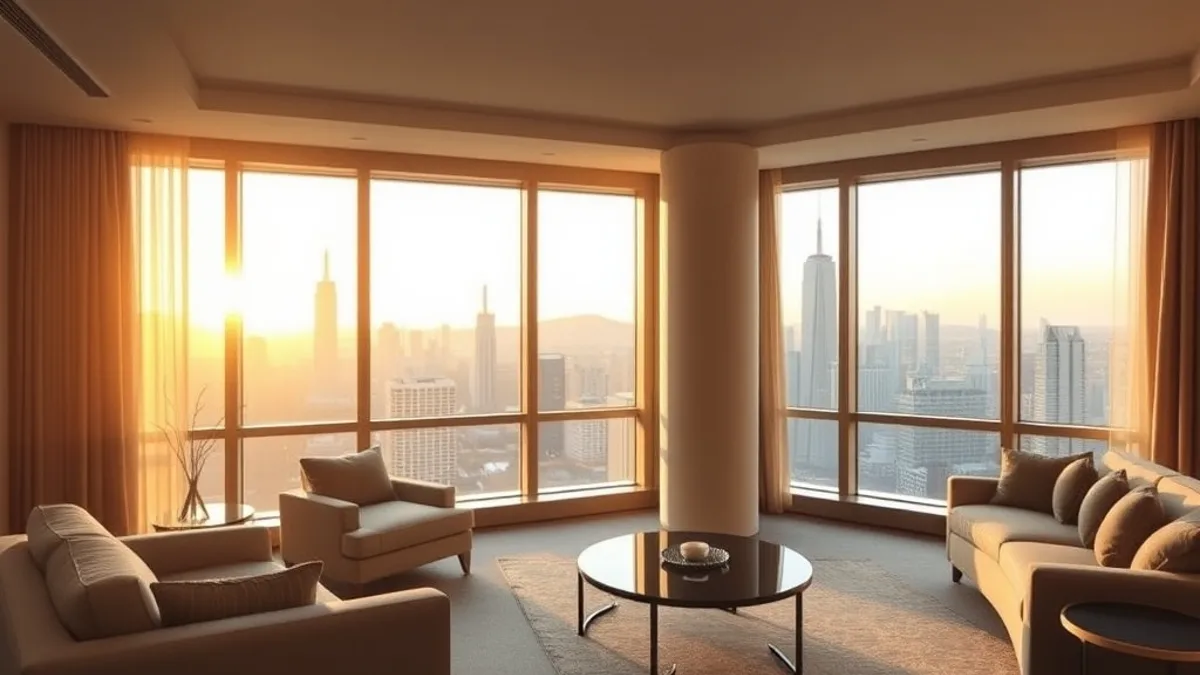
Club rooms, sometimes labeled executive rooms, are usually located on dedicated floors of the hotel and come with lounge access included in the rate. The room itself is often similar in size to a deluxe category, so what you are really paying for is the floor positioning and everything that comes with it.
What the lounge actually gives you
Executive lounges typically offer breakfast, all-day snacks and evening drinks, often with a light dinner service in some hotels. If you would otherwise eat breakfast at the hotel restaurant and pick up coffee and snacks during the day, the lounge can offset roughly 30 to 50 dollars per person per day in food costs. For a couple staying several nights, that adds up to a meaningful amount.
Club rooms often add 20 to 40 percent over a deluxe room in the same hotel, so the math depends heavily on how long you stay and how much you would use the lounge. The upgrade makes sense mainly for longer stays or business travelers who use the lounge as a quiet workspace with free coffee and meeting-friendly seating. For a one- or two-night leisure trip where you plan to be out sightseeing all day, the same money is usually better spent on a larger room or a better view, since you may barely have time to visit the lounge at all.
Junior Suites and One-Bedroom Suites
Junior suites are where the room categories start to feel genuinely different from a standard stay. The defining feature is a sitting area, usually a sofa and small table, within one open space. There is no wall or door separating the sleeping area from the lounge corner, so it works well if you want somewhere to read or work without booking a full suite.
One-bedroom suites take the next step. These have a properly closed-off bedroom plus a separate living room, and they typically measure somewhere between 50 and 70 square meters. That layout matters if one person wants to sleep while another watches TV, or if you are traveling with a child who naps early. Check the floor plan on the hotel’s website rather than trusting the category name, since some properties label a large open-plan room as a suite.
The price jump is real. Suites often cost 50 to 150 percent more than standard rooms in the same hotel, so it pays to think about how you will actually use the space.
- Ask about the sofa bed. In many junior suites the sitting-area sofa converts into an extra bed, which can make one room work for a family of three and save you booking a second room.
- Compare suite sizes across hotels. A 45-square-meter junior suite at one property can be larger than a 55-square-meter one-bedroom suite at another, so square meters tell you more than the label.
- Consider the bathroom too. Suites at this level often come with a bathtub or a larger bathroom, which some travelers value more than the living area itself.
- Look at the view tier. Junior suites frequently sit on higher floors or face better directions, so you may get the upgrade in outlook as well as space.
Executive Suites and Specialty Categories
Executive suites sit at the top of most city hotels’ room ladder. They commonly span 60 to 100 square meters and include a separate living room, a dedicated work area and often a dining space with a table large enough for a small meeting or a room-service dinner. If you have ever tried to take a video call from the edge of a bed, you will understand the appeal of an actual desk and a door you can close.
These suites usually come with the best bundled perks in the hotel, and club-level benefits such as lounge access are typically included with suites as well as with club rooms. When you compare rates, add up what the package includes rather than looking only at the nightly figure.
Specialty categories at the top of the ladder
Above the executive tier sit the specialty categories: penthouses, themed suites and villa-style rooms. These have bespoke layouts rather than a standard template, so no two are quite alike. A penthouse might occupy the entire top floor with a private terrace, while a villa-style room in a resort setting can come with its own plunge pool or garden. Expect these to be priced on request or at a significant premium, and to sell out far in advance in popular destinations.
Timing your suite booking
Suite rates vary more by season than any other room category, with peak dates sometimes costing several times the low-season price. Booking 2 to 3 months ahead improves your chance of securing a suite at standard-season rates. If your dates are flexible, shifting your stay by even a few days out of a peak period can make a large suite suddenly affordable.
How to Choose the Right Room Type for Your Trip
With all the category names floating around, choosing a room type can feel more complicated than it should. Standard, superior, deluxe, club, junior suite — every chain seems to use its own ladder, and the same label rarely means the same thing at two different properties. The good news is that a few practical checks will tell you more than any label ever will. Work through the steps below before you book, and you will end up with a room that fits your trip rather than one that simply sounds impressive in the booking confirmation.
- Compare square meters and bed size first. Naming conventions differ between hotel chains and independent properties, so a “deluxe” at one hotel can be smaller than a “standard” at another. The listed size in square meters and the bed dimensions give you an honest comparison across properties.
- Match the category to your trip length. For a short city stay of one or two nights, a standard or deluxe room is usually plenty, since you will spend little time in it. For stays of 4 nights or more, a junior suite or one-bedroom suite starts to pay off, because the extra living space makes longer trips noticeably more comfortable.
- Check what is bundled into higher categories. Before paying the premium for a deluxe room, see whether breakfast, lounge access or airport transfers are included in the higher rate. A deluxe room with breakfast and a transfer can work out cheaper than a standard room plus those extras bought separately. If lounge access matters to you, remember it is usually tied to club-level rooms and suites rather than mid-tier categories.
Once you have run these three checks, the decision usually makes itself. The category that offers the right bed, enough space for your stay length and the perks you would have bought anyway is almost always the right one, whatever the hotel chooses to call it. If you are torn between two options, read recent guest reviews and filter for mentions of the specific category you are considering — guests often flag when a “deluxe” room disappoints or when a modest category turns out to be a pleasant surprise. A few minutes of comparison at this stage is the cheapest upgrade you will ever make.
Picking Your Room Category with Confidence
Room categories can look like a confusing alphabet soup on booking sites, but most hotels follow a rough ladder: standard and deluxe rooms at the base, club rooms with lounge access in the middle, and junior and executive suites at the top. Once you see that pattern, the names stop being intimidating and start being useful.
The trick is to ignore the label and focus on three things: square meters, bed configuration and bundled perks like breakfast or lounge access. A deluxe room may simply buy a better view for a modest bump in price, while a suite costing 50 to 150 percent more buys real living space. Match the tier to your trip length, compare what each rate actually includes, and the choice becomes straightforward. If this helped you decode a booking page, leave a comment or share the article with a fellow traveler.