Glamping has exploded in popularity, and the choices can feel overwhelming. Hundreds of luxury tents, domes, treehouses and safari-style lodges now compete for your booking, each promising an unforgettable night under the stars. The trouble is, photos rarely tell the whole story, and the difference between a magical escape and a miserable one often comes down to details you only discover after you arrive.
The good news: picking the right glamping site is not luck. It comes down to nine practical factors, from location and season to amenities and booking timing. In this guide, we break down each one, show you what to check before you pay a deposit, and flag the red signs that a site may not live up to its listing. Follow them, and you will book with far more confidence.
Why Choosing the Right Glamping Site Matters
Glamping promises the best of both worlds: the scenery of camping with the comfort of a hotel. But that promise only holds if the site delivers on both halves. A tent with a stunning view means little if the nights are freezing, the road traffic keeps you awake, or the nearest town is an hour away when you need supplies.
A poorly chosen site can turn a luxury escape into a cold, noisy or isolated disappointment. Guests routinely report the same frustrations: a canvas roof that offers no insulation on a windy night, a “secluded” location that is actually next to a highway, or a bathroom that looks nothing like the listing photos. None of these problems show up in the price tag.
Why price alone is a poor guide
Here is the key insight: the difference between sites often comes down to location, season and amenities rather than price alone. A mid-range dome in the right spot at the right time of year can outperform a pricier tent booked in the wrong month. Two sites charging similar rates can offer completely different experiences depending on their surroundings, their heating setup and how they handle bad weather.
That is why it pays to work through a checklist before you book. The nine factors below move from the big picture — where the site is and when you go — down to the finer details like bedding, bathrooms and minimum stays. Take ten minutes with each section and you will avoid the mistakes that ruin most disappointing glamping trips.
Factor 1–3: Location, Access and Surroundings
Location shapes almost everything about a glamping trip, so it deserves your first attention. Start with access: most quality glamping sites sit within 1 to 2 hours of a major airport or town. That range is a sweet spot — far enough for peace and dark skies, close enough that a delayed flight or a forgotten grocery run does not derail your stay. If a site sits well beyond that, ask the host exactly how long the final stretch takes, since unpaved or mountain roads can double the drive time shown on a map.
Next, decide what scenery you actually want before comparing sites. Beach, rainforest, mountains or desert each deliver a different kind of trip, and a site that is perfect for one can feel wrong for another. A desert dome offers stargazing but little shade; a rainforest tent offers lush surroundings but humidity and insects. Choosing your setting first narrows the field quickly.
- Trails and trailheads: check whether hiking starts at the site itself or requires a drive, and whether routes are marked or guided.
- Water access: look for swimming holes, lakes or ocean nearby, and whether the site provides kayaks, paddleboards or beach gear.
- Day-trip towns: a small town within a short drive gives you restaurants, markets and a backup plan for a rainy day.
- Cell signal and supplies: ask how far the nearest fuel station and grocery store are, especially if you plan to self-cater.
Finally, think about what you want to do each day, not just the first night. A site surrounded by trails, water and towns gives you options if the weather shifts or you simply want variety. A beautiful but isolated site works best when you genuinely want to stay put.
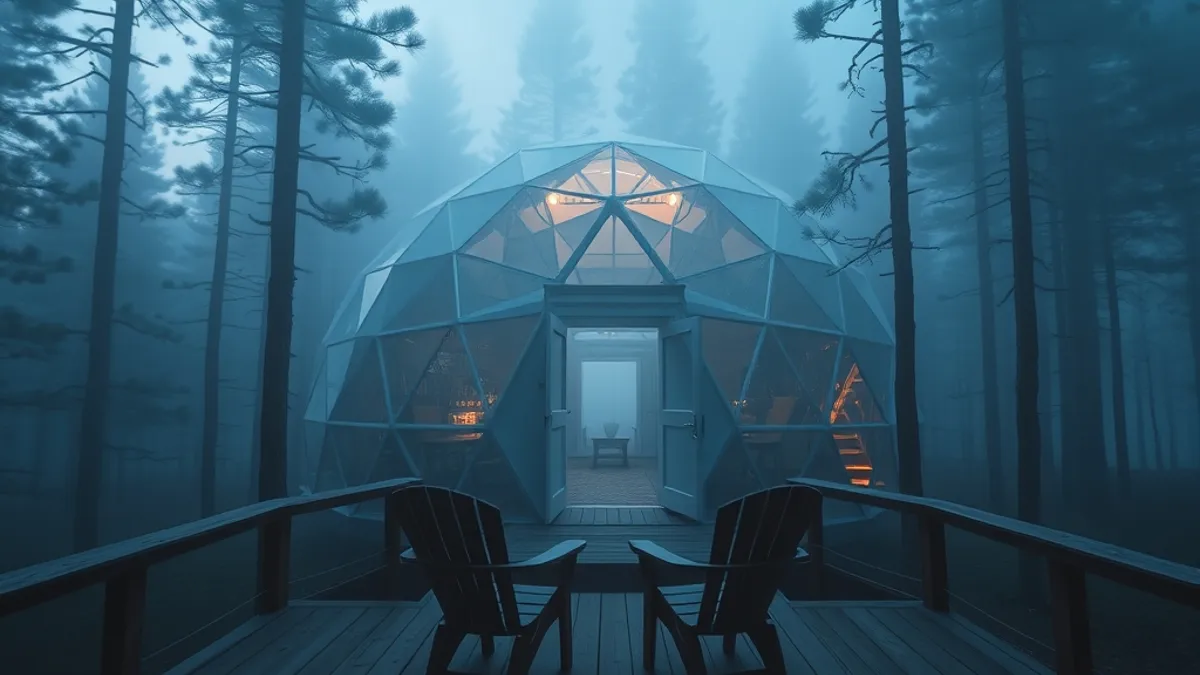
Factor 4–5: Season and Weather at the Glamping Site
Timing can matter more than the site itself. The same luxury tent that feels magical in June can feel damp and miserable during a tropical downpour, and the same nightly rate can swing dramatically between high and low season. Your best tool here is the shoulder season: in the Northern Hemisphere, May–June and September–October bring milder prices and fewer crowds at most destinations. You get the same views and often better service, since hosts have more time for guests.
Night temperatures deserve special attention. Canvas tents lose heat fast once the sun goes down, so heating is essential outside summer. A site that advertises “four-season” comfort should have a real heat source — a wood stove, a proper heater or a well-insulated structure — not just extra blankets. Ask directly what the temperature typically drops to at night in your chosen month, and how the tent stays warm.
- Rainy-season windows: in tropical destinations, jungle and island sites can become muddy, humid and mosquito-heavy during the wet months, so check the local rain pattern before booking.
- Heating type: a wood-burning stove adds atmosphere but needs tending overnight; an electric or gas heater works while you sleep — ask which the tent has.
- Shoulder-season services: some sites reduce staffing or close restaurants and spa facilities in quieter months, so confirm what stays open.
- Sunrise and sunset timing: in early autumn, shorter days mean less evening light on your deck — worth knowing if sunset views are the reason you booked.
Match the season to the site type and you remove the biggest single risk in glamping: weather you did not plan for. A little research here protects the entire trip.
Factor 6: Comfort Level and Amenities
Not every tent with a ceiling fan counts as glamping. Before you book, confirm three essentials that define the experience: a real bed, heating or cooling, and a private bathroom. Without these, you are camping with extra steps, and no amount of stylish decor will make up for shivering at 2 a.m. or walking across a dark field to a shared washhouse.
Once the basics are covered, think about which extras actually matter to you. A private plunge pool sounds dreamy in the desert but may sit unused on a cool mountain night. An outdoor shower feels magical in tropical heat and less magical in the rain. Chef-prepared meals can transform a remote stay, while spa access may matter more at a resort-style property than a small family-run site.
Photos can flatter anything, so go straight to recent guest reviews before you commit. Look specifically for comments about cleanliness and insulation, since these are the two things photos hide best. A tent can look pristine in pictures yet smell of damp or leak cold air around the windows. Reviews from the last few months tell you how the site is being maintained today, not how it looked on opening day.
- Ask whether the bed is a proper mattress on a frame or a foam pad on a platform, since this detail rarely appears in listings but shapes your sleep.
- Check if heating runs all night or switches off when staff leave, which matters in shoulder seasons when temperatures drop after dark.
- Find out whether the bathroom is en-suite or a short walk away, and whether it is shared with other tents during high occupancy.
- Look for details on mosquito screens, nets or sealed canvas, especially for sites near water or in warm climates.
Factors 7–9: Price, Booking Window and Stay Length
Glamping prices vary enormously, and for good reason. A basic safari tent in a field and a cliffside eco-lodge with a private pool sit in entirely different categories. Expect to pay anywhere from $150 to well over $800 per night depending on destination, season and level of luxury. The key is comparing what is actually included, not just the nightly rate.
A site at $300 per night with three meals, guided hikes and kayaks included may beat a $220 site that charges separately for every activity and dinner. Make a simple list of what each property bundles in, then compare total trip costs rather than headline prices. Also check whether fees like cleaning charges or service fees are added at checkout.
Timing matters as much as budget. The best and most distinctive sites often sell out first, particularly for peak season, so booking 3 to 6 months ahead is a sensible habit. If you are eyeing a small property with only a handful of units, treat that window as a minimum rather than a suggestion.
Finally, plan your stay length around minimum night requirements. Most established glamping sites require 2 to 3 night stays on weekends and holidays, and some extend those rules through busy holiday periods. Build your itinerary around this rather than discovering it at the payment screen.
- Ask whether meals are à la carte, set-menu or family-style, since this affects both budget and the flexibility of your evenings.
- Check if activities like guided walks or boat trips cost extra on site, as these can add up faster than the room itself.
- Midweek stays often come with more flexible cancellation terms and easier availability than weekends at the same property.
- Some sites release shoulder-season specials or multi-night discounts, so it can pay to email the host before booking online.
Red Flags to Watch Before You Book a Glamping Site
A little detective work before booking saves a lot of disappointment on arrival. Glamping listings are marketing documents first, and some hosts are more transparent than others. The good news is that the warning signs are usually visible if you know where to look.
Start with the photos. Vague or missing images of the bathroom and sleeping area often signal dated or improvised facilities. If a listing shows stunning sunset shots but never the inside of the tent or the toilet situation in daylight, ask yourself why. A confident host will happily send extra photos when asked, and the response itself tells you a lot about how they run the property.
Pricing clarity is the second test. If the cancellation policy is nowhere to be found or the total price only appears at the final checkout step, contact the host directly before paying. Clear answers about refunds, weather-related cancellations and what happens if the site becomes unusable are the mark of an experienced operator.
Finally, weigh reviews carefully. A mention of noise from a nearby road or ongoing construction deserves extra attention, since one guest’s “slightly noisy” is another’s sleepless night. Construction noise in particular can affect a whole stay and is rarely mentioned in the listing itself.
- Look for recent photos uploaded by guests rather than the host, as these show the tent and bathroom in real conditions.
- Ask specifically what happens if severe weather makes your unit unlivable, including whether rebooking or refunds are offered.
- Skim one-star reviews first and see whether complaints are one-off bad luck or a repeated pattern about the same issue.
- If a map shows the property near a highway or airport approach path, ask which way the tent entrances face and whether noise insulation is mentioned.
Wrapping Up Your Glamping Site Decision
Choosing from hundreds of luxury tents, domes and treehouses comes down to one thing: matching the site to your expectations. The nine factors — location, access, surroundings, season, weather, comfort level, price, booking window and stay length — work together, and a site that scores well on all of them is far more likely to deliver the experience you paid for.
Remember that season and comfort are the two that matter most. A canvas tent that feels magical on a warm, dry night can feel like a mistake in the rain or cold, so be honest about what you need from a bed, a bathroom and the weather outside. If you have booked a glamping trip that turned out better or worse than expected, leave a comment or share this article.