Knowing when to book a safari lodge is the difference between watching lions at a waterhole from your private deck and staring at empty, overpriced rooms. Most travelers want the same thing: prime game viewing without peak-season rates, and without discovering that every good lodge sold out months ago. The catch is that the best wildlife months are also the most expensive and the hardest to reserve.
This guide walks through the whole picture. We explain why the season you choose shapes both what you see and what you pay, then break down peak-season travel, green-season value and the shoulder months that often offer the best balance. You will also find practical advice on how far ahead to reserve, which lodge styles suit each season, and a closing summary to build your own safari lodge booking calendar. By the end, you should know exactly when to pick up the phone or open that booking page.
Why Timing Shapes Your Safari Lodge Experience
The season you choose changes almost everything about a safari lodge stay, from what you see on game drives to what you pay per night. In the dry season, grass is short and water becomes scarce, so animals gather at rivers and waterholes. From a lodge vehicle, that concentration of wildlife against thin, open bush makes spotting far easier. Predators follow the herds, and a single waterhole can deliver elephants, impala, zebra and lions within the same hour.
What the green season offers instead
The green season tells a different story. Rain transforms the landscape into lush, emerald scenery with dramatic skies that photographers love, and it is the time of newborn animals and arriving migratory birds. The trade-off is thicker vegetation, which can hide game and make animals scatter across a wider area. Sightings still happen, but they often require more patience and a sharper-eyed guide.
Why the calendar affects your wallet too
Then there is money. Lodge pricing and availability swing sharply between these seasons, often by hundreds of dollars per night for the same room. Peak months sell out far in advance, while green-season weeks frequently carry discounts and flexible cancellation. In short, the calendar you pick determines both cost and sightings, so it deserves as much thought as the destination itself.
Peak Season: When to Book a Safari Lodge for Maximum Wildlife
If your priority is maximum wildlife, aim for the dry season. In East Africa, June to October is prime time, with the Great Migration drawing the highest demand when river crossings peak from July to September. Watching wildebeest thunder across the Mara rivers is one of the most sought-after sightings in Africa, and demand for lodges in the marquee reserves rises sharply during those weeks, so expect premium pricing and limited choice if you plan late.
Southern Africa’s dry winter window
Southern African reserves follow a slightly different rhythm. May to September works best there, when cool dry weather thins the vegetation and animals cluster around permanent water. Days are mild and mornings are crisp, which makes long game drives comfortable. If you are pairing a safari with other stops in the region, a South Africa villa safari with an infinity pool can combine reserve time with a private luxury base between drives.
What peak season costs you
The price of all this reliability is steep. Peak rates often run 30-50% above green-season prices for the same room, and top lodges in famous reserves frequently sell out completely during these months. If you have your heart set on a specific camp in July, August or September, treat availability as the starting point of your planning, not an afterthought. Book early, expect premium pricing, and accept that flexibility on dates or lodge choice may be limited once the calendar fills.
Green Season Value: Lower Rates and a Different Kind of Safari
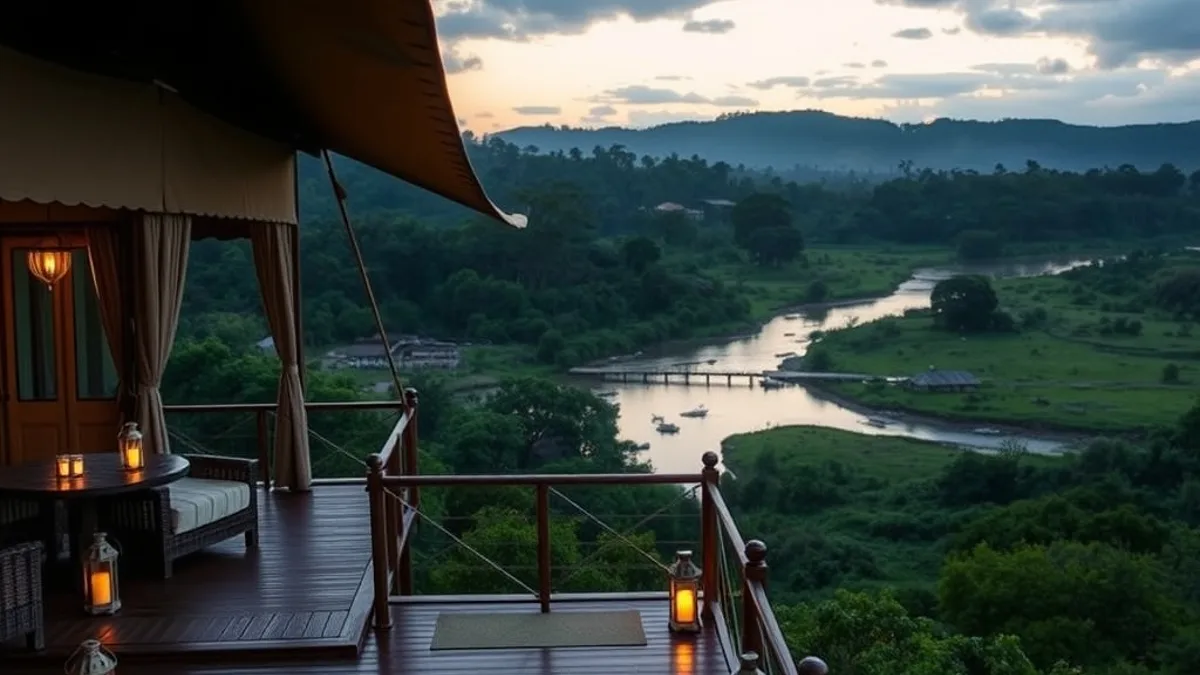
The green season is the safari world’s best-kept value secret. From November to March in East Africa and November to April in southern Africa, rates can fall to roughly $300-600 per night at lodges that command far more in peak months. For the price of a few peak-season nights, you can often add extra days to your stay, upgrade your room, or simply enjoy the same wildlife landscapes at a fraction of the cost.
Baby animals and birding highlights
January to March is the standout stretch for many travelers. This is baby-animal season, when newborn antelope, zebra and wildebeest fill the plains, and predators are active nearby. It is also superb birding time, as migratory species arrive and resident birds display in full breeding plumage. Photographers prize the green season for its saturated colors, moody skies and dust-free air after rain.
Planning around the rains
There are trade-offs to accept. Afternoon thunderstorms are common, and denser bush means shorter, less predictable game drives than in the dry months. Animals disperse where water is plentiful, so sightings require more effort from your guide. The smart approach is to plan flexible daily schedules: take advantage of clear mornings, use midday showers for downtime at the lodge, and treat any afternoon drive as a bonus rather than a guarantee. Done right, the green season delivers a richer, quieter and far more affordable safari.
Shoulder Months: The Sweet Spot Between Price and Sightings
If you want the best of both worlds, look closely at June and October. These shoulder months sit just outside the July-September peak, yet they often deliver strong game viewing at noticeably lower rates. In June, the dry season is already underway in East Africa, so animals are gathering at water and the grass is thinning out. October brings the tail end of the dry months, when wildlife viewing can still be excellent before the green season arrives in November.
The savings can be meaningful. Since peak-season rates often run 30-50% higher than green-season rates, shoulder months typically land somewhere in between, and lodges are more willing to negotiate or offer added value. You may find complimentary upgrades, waived single supplements or discounted extra nights simply because demand is softer.
Quieter Camps, Easier Bookings
Shoulder travel also means elbow room. Top lodges in marquee reserves are often fully booked 9-12 months ahead for July-September travel, but June and October usually leave you more choice of rooms, guides and even private vehicles. Game-drive circuits around sightings tend to be calmer too, so you are less likely to share a leopard sighting with a line of vehicles.
Weather is another plus. In these months you generally avoid the afternoon storms of the green season while still enjoying reliable, dry conditions that suit long mornings in the field. For first-time safari guests who want classic game viewing without peak-season crowds or prices, June and October are often the smartest compromise on the calendar. Check current rates with the lodges you are considering, as pricing varies by property and year.
How Far Ahead to Book a Safari Lodge Stay
Booking lead times for a safari lodge vary enormously depending on when you travel. A July stay at a famous reserve and a February stay in the same park are two completely different booking exercises, and treating them the same way is one of the most common mistakes first-timers make. Top lodges in marquee reserves are often fully booked 9-12 months ahead for July-September travel, while quieter green-season dates can still have space weeks out. Here is how to plan each scenario.
- Book 9-12 months ahead for July-September travel. In marquee reserves, top lodges routinely sell out this far in advance for peak dates. If a specific camp during the Great Migration river crossings is the one you want, reserving as soon as the lodge opens its calendar is often the only way to secure the room and guide combination you’re after.
- Allow 3-6 months for green-season trips. Demand is lower from November through the green months, so this lead time is usually enough to find good availability. It can also unlock last-minute discounts, since lodges prefer a discounted room to an empty one in quieter months.
- Plan 6-9 months ahead for shoulder months. June and October trips sit between the two extremes. This window gives you the best choice of rooms and guides while still leaving time to compare camps and rates before the best options disappear.
Whichever window applies to your trip, remember that smaller camps with only a handful of rooms fill faster than larger lodges, so add a buffer if you’re eyeing an intimate tented camp. Family groups traveling together should also start earlier, since connecting rooms and family units are limited at most properties. Once you have your dates, confirm the booking terms, deposit schedule and cancellation policy with your operator so there are no surprises later.
Matching the Season to the Lodge Style You Want
The best time to book is only half the equation; the type of lodge you choose matters just as much. Different lodge styles suit different seasons, and matching the two can transform your comfort level and even your sightings. A camp that feels magical in August can feel limiting during weeks of afternoon storms, so think about the experience you want before you commit. Ask yourself whether you dream of sleeping under canvas with the sounds of the bush around you, or of having solid walls, a fan and a proper door between you and the elements.
Tented camps are the classic safari image, and they shine in the dry season. Clear night skies suit star decks and open-air dining perfectly, and the cool mornings make a hot water bottle under canvas something to look forward to rather than endure. Because the weather is predictable, you can comfortably spend long hours outdoors without worrying about sudden downpours soaking your bedding or turning paths to mud.
Year-round lodges take a different approach. With enclosed lounges, solid walls and covered walkways between rooms, they handle green-season rains far more comfortably than open canvas, letting you relax and watch the storms roll in from a dry armchair. They also tend to offer more indoor amenities, such as libraries, spas and plunge pools under cover, which make rainy afternoons feel like part of the trip rather than a disruption. If your dates fall in the wetter months, this style of lodge usually delivers the smoother experience.
- River- and waterhole-front lodges reward dry-season bookings. When surface water is scarce elsewhere, animals congregate at the water in front of camp, so you can watch elephants and antelope from the deck without ever boarding a vehicle.
- Check what “front” actually means before booking. Some lodges advertise water views year-round, but in the green season the waterhole may be one of many across a soaked landscape, diluting the concentration of game that makes dry-season front-row seats so special.
- Ask about seasonal closures and relocations. A few tented camps move or close during the heaviest rains, so confirm your chosen camp operates in full during your travel dates before paying a deposit.
Wrapping Up Your Safari Lodge Booking Calendar
So when should you book your safari lodge? If maximum sightings matter most and budget is flexible, aim for the dry-season months of June to October in East Africa or May to September in the south, and reserve 9-12 months ahead to secure a room at the top lodges. If you want the same wilderness at a gentler price, green-season rates can drop to roughly $300-600 per night, trading some game visibility for lush scenery and quieter camps.
For most travelers, though, the shoulder months of June and October hit the sweet spot: strong game viewing, easier availability and noticeably lower rates than the July-September peak. Match the season to the lodge style you want, lock in your dates early for peak travel, and your calendar will do most of the work for you. Have a safari booking question or a tip of your own? Leave a comment below or share this article with a fellow traveler.