Ask around about rainy season lodge travel and you’ll get two very different answers. Some travelers picture washed-out roads, canceled game drives and days spent watching rain from a soggy porch. Others quietly treat the wet months as the smartest-kept window in lodge travel: lower rates, greener landscapes and a fraction of the crowds at lodges that are packed in high season.
The truth is that the outcome depends far less on luck than on preparation. This article walks through why opinion on rainy season lodge travel is so divided, the real risks you need to weigh before booking, and the rewards that make flexible travelers come back year after year. We’ll also break down what green-season stays actually cost, when and how to book for the best value, how to choose a lodge and pack for wet conditions, and whether the trade-off is worth it for your trip.
Why Rainy Season Lodge Travel Divides Opinion
Ask any group of safari-goers about rainy season lodge travel and the room splits in half. For many people, the wet season means one thing: mud, mosquitoes and ruined itineraries. That reputation keeps crowds away, and lodges in the wettest months often sit half empty as a result.
The same window tells a very different story for travelers willing to adapt. Rates drop sharply, landscapes turn lush and green, and lodges feel quieter and more personal than at any other time of year. Instead of sharing a river crossing with a dozen vehicles, you might have a sighting entirely to yourself.
It’s about planning, not luck
The real difference between a brilliant green-season trip and a disappointing one usually comes down to three choices: the region you pick, the type of lodge you book and the daily rhythm you plan around. Some regions get short, dramatic afternoon storms while others get weeks of steady rain. Some lodges are built for wet conditions, with covered walkways and all-weather access, while others simply close. And most wet-season rainfall arrives in predictable bursts, leaving the best hours of the day clear for game drives and excursions.
Get those choices right and the rainy season stops being a gamble. Get them wrong, and the stereotype of ruined itineraries can become your reality. The sections that follow break down both sides of the equation.
The Real Risks of Booking a Lodge in the Wet Season
The honest place to start is with what can go wrong. Heavy downpours are the defining feature of any wet season, and in remote areas they have real consequences. Dirt roads can flood or turn to deep mud, cutting lodges off from supply runs and sometimes from guests entirely. Game drives get shortened or rerouted when tracks become impassable, and river crossings can close for days at a time.
Health considerations matter more in the wet season too. Warm, humid conditions mean more mosquitoes, and in many tropical regions the malaria risk is higher during and after the rains. Preparation is straightforward but non-negotiable: talk to a travel health professional well before your trip about antimalarials and vaccinations, and pack effective protection.
Then there’s the question of whether your lodge is even open. This catches more travelers than any other wet-season pitfall, so confirm these details before you pay a deposit:
- Operating status: Some remote lodges close entirely for part of the wet season, so a lodge that appears bookable online may actually be shut or running with a skeleton team during your dates.
- Reduced services: Lodges that stay open sometimes scale back, offering a shorter menu, fewer daily activities or maintenance work happening around camp, which is worth knowing before you arrive.
- Access logistics: Ask specifically how guests reach the lodge in wet conditions, since road access, boat transfers and airstrips all behave differently after heavy rain.
A short email exchange with the lodge or your operator covering these points will save you most of the wet season’s unpleasant surprises.
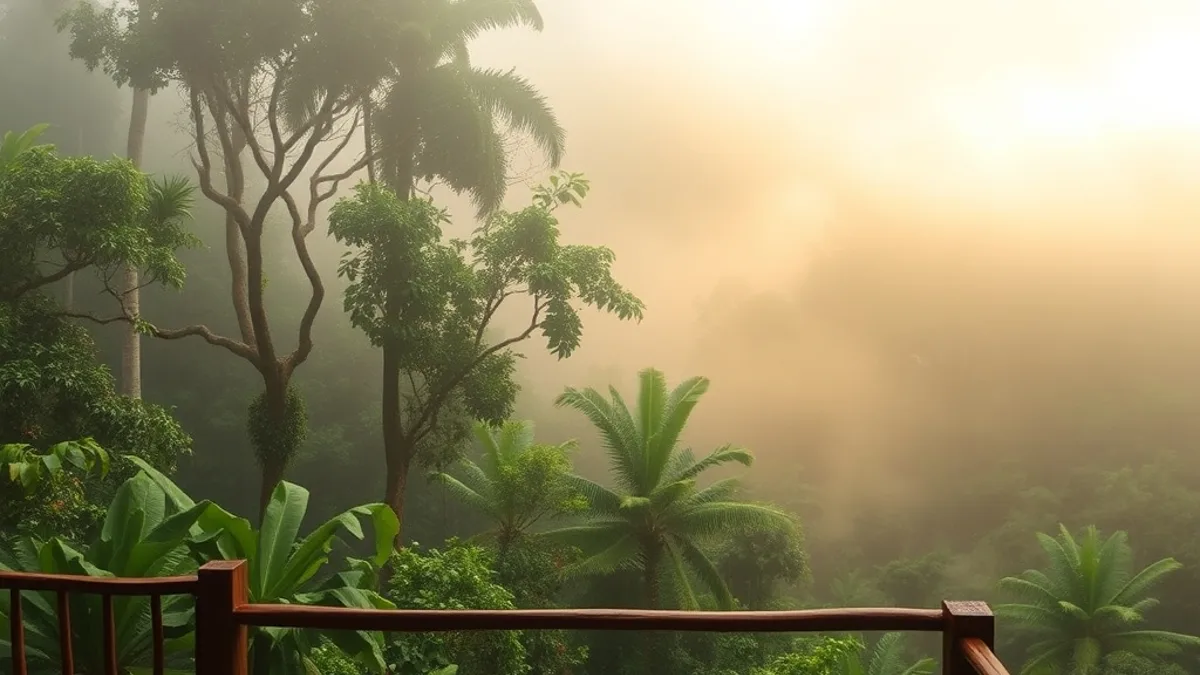
The Rewards: Why the Green Season Rewards Flexible Travelers
Now for the side of the ledger that keeps green-season regulars coming back. The first thing you notice is the light. Dramatic storm clouds build through the afternoon, then break to wash the air clean, and photographers plan their days around exactly these conditions. Everything is lush: grasses are tall, trees are in leaf, and the whole landscape looks like a different place compared to the dry season’s dust.
Wildlife, without the queues
The rains also trigger new life. Many antelope and predator species time their births to the green season, so you have a genuine chance of seeing newborn animals taking their first steps. And because far fewer vehicles are out, sightings feel calmer and more intimate. A top lodge that would have five land cruisers around a leopard in peak season might have just yours.
That low occupancy changes the whole lodge experience too. With fewer guests around, guides have more time for each party, and it’s common to be offered a room upgrade or extra flexibility simply because there’s space. Staff have time to chat, meals feel unhurried, and you get the sense of a place rather than a schedule.
Birdwatchers have the best excuse of all. The wet season brings migratory species that simply aren’t present in the dry months, so bird lists swell with species most dry-season visitors never tick. If birds are even part of your interest, green-season lodge stays are the window to aim for. To see how lodge stays fit into a broader wildlife trip, have a look at this guide to the best hotels for wildlife and safari adventures.
What Rainy Season Lodge Stays Actually Cost
The clearest reason to consider the wet season is the price tag. At many well-known safari and jungle lodges, green-season rates often run 30–50% below peak prices for exactly the same rooms, guides and meals you would get in the dry months. On a week-long stay, that difference can easily cover an extra night, a spa treatment or a private guide.
Lodges rarely stop at a simple discount. Because occupancy drops sharply once the rains arrive, managers compete for guests with offers you will seldom see at peak times. Ask directly what is on the table when you enquire — the answer often surprises travelers who only compare the headline rate.
That said, the wet season has its own costs, and pretending otherwise leads to blown budgets. When dirt tracks flood, a shared road transfer may be impossible, and lodges or local operators may arrange alternatives that you pay for. Build a buffer into your budget rather than treating the discounted rate as the final number.
- Free night offers: Many lodges run stay-for-longer deals in the green season, such as paying for three nights and receiving a fourth, which effectively lowers the per-night cost further than the listed discount.
- Discounted packages: Bundled rates that combine accommodation, meals, drinks and activities are common in the wet months, so compare the full package price rather than the room-only rate when weighing value.
- Room upgrades: With plenty of empty rooms, lodges can often move you into a better category on arrival at no charge — worth a polite request at check-in, though it is never guaranteed.
- Private transfers and charters: If roads are impassable, expect to pay for a higher-clearance private vehicle or, in some regions, a charter flight to reach the lodge; get a rough quote from your operator before you travel so the cost does not shock you.
When and How to Book Rainy Season Lodge Travel
Green-season lodge deals reward travelers who plan earlier than they would for a peak-season trip. Because some remote lodges close entirely for 2–3 months in the wettest period, the pool of open, well-run properties is smaller than the calendar suggests. Add in the fact that rainy seasons shift by region — November–March in East Africa, May–October across much of Southern Africa — and it becomes clear that a generic approach will not work. A little structure in your booking process makes the difference between a bargain and a headache.
- Set your dates around the regional rain pattern. Rainy seasons vary widely by destination, so work out which months are actually wet where you are going before you fall in love with a particular lodge or deal. In Costa Rica, for example, the green season runs May–November, with September and October the wettest months.
- Book 3–6 months ahead. This window usually secures the best green-season rates at sought-after lodges, and it also gives you time to confirm access arrangements and rebook if plans shift.
- Target shoulder months at the edges of the rains. These months often offer a balance of occasional storms, good wildlife viewing and pricing well below peak.
- Confirm the lodge stays open year-round. Ask explicitly whether the property operates through the wet months, and check that any activities you care about — game drives, boat trips, guided walks — actually run in that season.
- Ask about all-weather access before paying a deposit. Find out how guests typically arrive during heavy rain, whether transfers are affected, and what the lodge’s policy is if roads become impassable on your travel dates.
Once you have written answers on opening dates, access and activity schedules, you can pay your deposit with confidence. Keep your booking confirmation and any email about access handy, and reconfirm your arrival details with the lodge a week or two before you travel. It also helps to plan your days realistically: afternoon thunderstorms typically last 1–3 hours, so schedule drives and excursions for the mornings and keep afternoons flexible. Wet-season logistics change fast, and a short check-in call can save you a long, soggy surprise at the end of a dirt road.
Choosing the Right Lodge and Packing for Wet-Season Conditions
Your choice of lodge shapes the whole wet-season experience. Afternoon thunderstorms typically last 1–3 hours, which means you will spend real chunks of each day indoors or under cover. A property designed for that rhythm turns storm hours into a pleasure; one built purely for dry-season game viewing turns them into a test of patience.
Environment matters just as much as architecture. Jungle and rainforest lodges suit the green season best, since the rains make forests lush, active and full of birdlife. Flooded delta camps, on the other hand, may struggle or close when water levels rise, so match the lodge type to the season rather than assuming every property handles rain equally well.
Packing well is the final piece. Wet-season travel punishes cotton clothing, paper maps and unprotected electronics, so a small investment in the right kit pays off daily. Think in terms of layers that dry overnight and protection you can rely on during a sudden downpour.
- Quick-dry clothing: Synthetic shirts and trousers dry overnight and stay comfortable in humidity; pack a light rain jacket and avoid denim, which stays wet and heavy for days.
- Waterproof bags: Dry bags or simple zip-lock pouches protect cameras, passports and phones inside your daypack, and a waterproof cover for the pack itself handles the worst downpours.
- Grippy footwear: Trails turn slick with mud, so closed shoes with real tread beat sandals; bring a pair that can be rinsed and a spare pair of socks for camp.
- Tropical-strength insect repellent: Choose a repellent rated for tropical zones and apply it consistently at dawn and dusk, when mosquitoes are most active around lodges.
- Covered spaces to check before booking: Look for lodges with covered viewing areas, covered walkways between rooms, and flexible indoor programs — a library, spa or lounge schedule — so storm hours stay enjoyable rather than boring.
Is Rainy Season Lodge Travel Worth It?
So, is rainy season lodge travel a gamble or a secret window of value? For most flexible travelers, it lands firmly on the value side. You trade some reliability for emptier lodges, greener scenery and guides who have time to linger, and in exchange you get dramatic skies and newborn wildlife. The washed-out, wasted-money scenario usually comes from poor planning, not the rain itself.
The risks are manageable when you pick the right region, double-check that your chosen lodge operates through the wet months and lock in your booking early enough to catch the deepest discounts. Do that, and the green season is often the smartest value window of the year. Have you traveled to a lodge in the wet season, or are you considering it? Share your experience or questions in the comments, and pass this article along to a travel partner who needs convincing.