At first glance, business hotels vs leisure hotels can be hard to tell apart online. Both show glossy photos of tidy rooms, lobbies and breakfast plates, and both promise a comfortable stay. The problem appears after check-in, when a traveler expecting a quiet pool finds a floor of meeting rooms, or a family arrives at a sleek downtown tower with nowhere for the kids to unwind. Booking the wrong type rarely ruins a trip entirely, but it can make every day feel slightly off.
This guide breaks down the key differences so you can match the hotel to the trip. We cover what defines each type, how their amenities compare, when each one costs less, and how far ahead to book. We also look at bleisure travel for trips that mix work with downtime, and finish with the key takeaways to keep in mind before your next reservation.
What Defines a Business Hotel
Business hotels exist in one place: where the work happens. You will typically find them near airports, convention centers and downtown financial districts, usually within 5-10 km of the hubs their guests fly in and out of. Location matters more than views here. A corporate traveler flying in for a one-day meeting wants a short transfer, not a scenic drive, so these properties cluster where taxis and trains run late and meeting venues sit around the corner.
Rooms built around the desk
Step inside a standard room and the priorities become obvious. Rooms average 25-30 sqm, which is compact compared to a resort suite, but the layout is deliberate: a dedicated work desk, an ergonomic chair and strong, reliable Wi-Fi take center stage. Lounge space, deep bathtubs and panoramic balconies are treated as nice-to-haves rather than essentials. If you plan to spend evenings answering emails, this setup serves you far better than a prettier but less practical room.
The same logic carries through the service model. Front desks run 24 hours a day, express check-in gets you from lobby to room in minutes, and room service often extends late into the night for guests landing on delayed flights. Schedules in business travel are irregular by nature, and these hotels are designed to absorb that unpredictability rather than fight it.
What Defines a Leisure Hotel
Leisure hotels start with the setting, not the floor plan. The whole property is positioned around scenery and activities: beaches, mountains or resort towns that people plan entire vacations around. That usually means they sit further out, commonly 30-60 minutes from the nearest airport, because the best coastlines and mountain views rarely border a runway. The transfer is longer, but guests arrive planning to stay put for days rather than dash between meetings.
Space made for staying in
Rooms and suites reflect that slower rhythm. They commonly range from 35-60 sqm, with balconies or terraces that turn the view into part of the room. Family-oriented layouts are common too, with connecting rooms and sofa beds that let parents and children share space comfortably, something a compact city room rarely manages.
Facilities follow the same idea of filling downtime rather than work hours. Instead of meeting rooms and printing services, you will find pools, spas, kids’ clubs and organized excursions, from guided hikes to boat trips. The property itself is a large part of the attraction: many guests spend full days on-site without ever needing to leave. If your priority is unwinding rather than commuting, this trade of convenience for atmosphere is exactly the point.
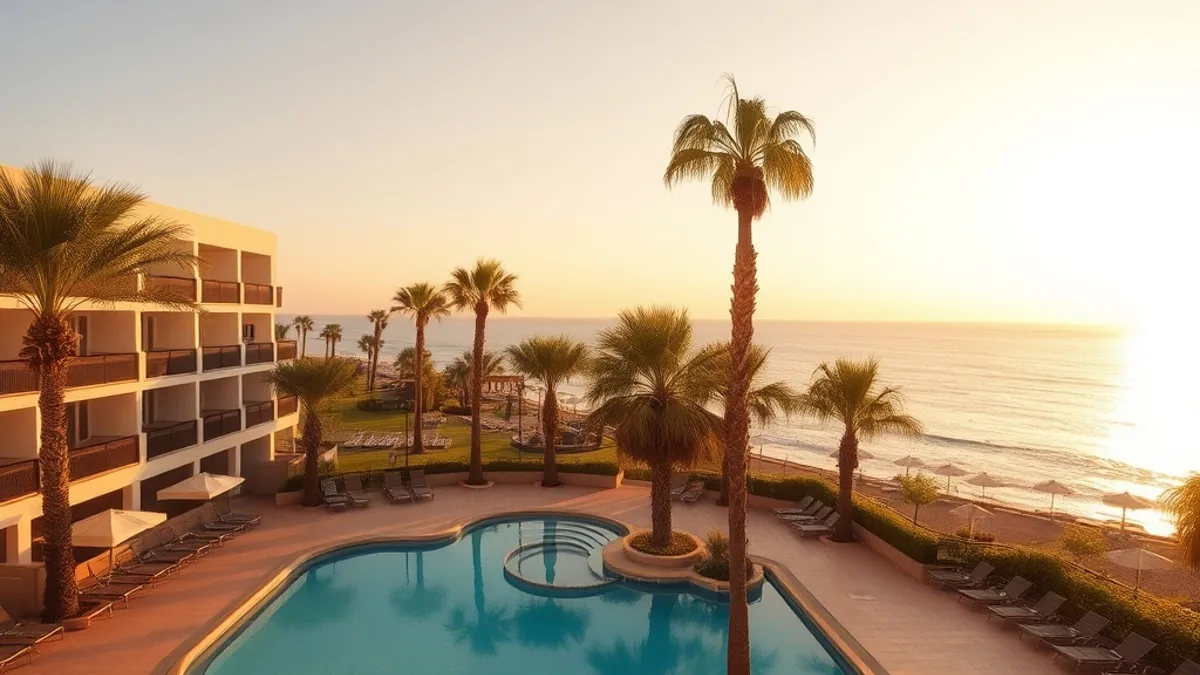
Amenities Compared: Workspaces vs Wellness
The amenity lists of the two hotel types reveal their true priorities. Business hotels put their budget into infrastructure that supports work: well-equipped meeting rooms, printing and secretarial services, executive lounges for quiet hours between calls, and grab-and-go breakfast available from early morning so guests can eat before a 7 a.m. presentation. Everything runs on the assumption that time is the scarcest resource in the building.
Leisure hotels invest in the opposite problem: how to fill an entire afternoon pleasantly. Their money goes into spas, pools, fitness classes and entertainment programs that can keep guests engaged from breakfast until the evening show. If you are comparing properties for a vacation, spend time on the activity schedule rather than the business center photos.
Wellness deserves special attention on the leisure side. Some properties go well beyond a basic gym, and if that matters to you, look for hotels offering personalized wellness programs that tailor treatments and sessions to individual guests.
The line between the two categories is blurring at the top end. A growing number of upscale properties now blend both worlds, and the details to look for include:
- Co-working corners with drop-in desks and video-call booths, so guests can take a morning meeting before heading to the pool
- Full wellness centers offering saunas, treatment rooms and classes, rather than a single treadmill beside the parking garage
- Flexible dining hours that serve both an early business breakfast and a late, relaxed resort-style dinner
Pricing Patterns and When Each Type Costs Less
The biggest difference between these two hotel types shows up in their rate calendars. Business hotels live and die by the corporate week: their prices peak Monday through Thursday when companies fill the rooms, then drop sharply once Friday afternoon arrives. Weekend discounts of 20-40% are common, so a city hotel that costs a fortune midweek can be a genuine bargain on a Saturday night.
Leisure hotels follow the opposite rhythm. Rates climb through the summer months of June through August and spike again during holiday weeks, when families and vacationers compete for the same poolside rooms. Once those peaks pass, prices fall fast. Shoulder seasons like May and October often deliver pleasant weather with far lower rates, which is why many seasoned travelers plan resort trips around these quieter windows.
Corporate rates and package deals
If you travel for work, ask whether your employer has negotiated corporate rates. At business hotels, these typically run 10-20% below standard flexible rates, and you can often book them yourself by entering a corporate code. It pays to check, because the discount applies on top of any loyalty points you might earn.
On the leisure side, all-inclusive packages can add 30-50% to the nightly rate, but they bundle meals, drinks and activities into one price. Whether that is a saving depends on how much you would actually use what is included. Some travelers prefer paying less upfront and eating out, especially in destinations with a strong local dining scene. Others like the predictability of knowing the final bill before they arrive.
If sustainability matters to you, it is also worth comparing how different properties spend that extra revenue. Some upscale resorts reinvest in solar power, local hiring and conservation programs, and you can learn more from this guide to hotels known for their eco-luxury initiatives to see what a premium can actually fund.
Booking Strategy for Business Hotels vs Leisure Hotels
Booking the right hotel at the right time is less about luck and more about matching your reservation window to how that property fills its rooms. Business and leisure hotels release inventory on very different schedules, so the same strategy rarely works for both. A downtown hotel that empties out on Friday afternoon follows a completely different rhythm than a beach resort that fills every suite in July. Before you commit to a rate, think about who normally stays at the property and when those guests book. Corporate travelers reserve late and cancel often, while families lock in vacations months ahead. Once you understand that pattern, timing your reservation becomes straightforward rather than a guessing game. Follow these steps to time your bookings well.
- Book business hotels 1-2 weeks ahead for weekday stays. Corporate blocks release late, and companies that overbooked their allotments often return unused rooms close to the date. This creates genuine last-minute availability, so booking too early can actually cost you more than waiting. Watch for rate drops in the final days before arrival.
- Reserve leisure resorts 3-6 months ahead for summer and holiday dates. The best room categories, such as ocean-view suites or family layouts with balconies, sell out first and rarely reappear. Early booking also gives you the widest choice of view, floor and bedding configuration instead of whatever remains.
- Match your window to the pricing pattern. Weekend city stays and shoulder-season resort weeks deliver the biggest savings, so check the rate calendar before locking in dates. Moving a resort trip from a holiday week to an adjacent shoulder week can change the price dramatically.
The common thread is flexibility. If your dates can bend by even a day or two, you can exploit the pricing rhythm of either hotel type instead of paying whatever the calendar demands. Business hotels tend to be cheapest when corporate demand dips, while resorts reward travelers who shift around peak school-holiday periods. Compare a few nearby dates side by side before you commit, and set a reminder to reprice your room if you book far in advance. Many properties will honor a lower published rate if you ask, and loyalty programs sometimes offer free cancellation, which lets you rebook if prices fall. A little patience at the booking stage often saves enough to cover an extra dinner out.
Bleisure Travel: Choosing a Hotel That Does Both
Bleisure travel, the practice of extending a business trip into a personal holiday, has pushed many hotels to serve two audiences at once. The trick is finding a property that genuinely handles both, rather than one that merely added a desk to a resort room or a spa to a corporate tower.
What to look for in a dual-purpose hotel
Start with the work side. You need a proper desk with an ergonomic chair, soundproofed rooms so late calls do not disturb anyone, and access to meeting space if you are hosting clients. Then check the downtime side: a pool or spa for evenings, and ideally a restaurant worth staying in for rather than defaulting to room service. A hotel that only excels at one half of the equation will leave you frustrated on the other.
Location matters just as much. City-adjacent resorts and upscale downtown hotels that sit within 30 minutes of both the business district and the main attractions fit bleisure trips best. You want to finish your last meeting and be at the waterfront or old town within minutes, not facing an hour-long transfer.
Timing can work in your favor too. When you extend a weekday stay into the weekend, you often capture a noticeably lower rate automatically, since the hotel’s corporate demand drops off and cheaper prices kick in. Ask the front desk or check online before extending, because the discount usually applies to new bookings rather than rate changes on an existing one. A short call can be the difference between paying full midweek price and starting your mini-holiday with a built-in saving.
The Key Takeaways
Business and leisure hotels can look nearly identical in online photos, which is exactly why travelers so often end up in the wrong one. The difference is not in the lobby styling but in what each property is built around. Business hotels trade space and scenery for location, work amenities and weekday convenience, while leisure hotels trade proximity for larger rooms, wellness facilities and seasonal pricing.
In practice, your trip purpose, booking window and rate pattern determine which type delivers better value. A weekday city trip points toward a business hotel, a summer beach week toward a resort, and a bleisure trip toward a property that handles both. Match the hotel to the trip instead of judging by pictures alone, and the choice becomes much easier. If this helped you sort out the difference, leave a comment or share the article with a fellow traveler.