Waking up to the sound of waves, with nothing but canvas between you and the horizon, sounds like a dream. But not every coastline delivers on it. Some so-called beach camps sit a shuttle ride from the water, others face rough open-ocean surf, and plenty are undone by weeks of rain in the wrong season. That’s the frustration with coastal glamping: the photos promise paradise, and the reality depends entirely on where you pitch.
This guide sorts out which regions actually get it right. We’ll look at what separates a great seaside tented camp from a mediocre one, then tour the Mediterranean, the Indian Ocean atolls and the coasts of Southeast Asia, each with its own season and price logic. You’ll also find practical advice on choosing and booking the right stay, what to pack for a night by the water, and how to match the region to your travel dates. By the end, you’ll know exactly which coastline fits your trip.
What Makes a Coastal Glamping Region Worth the Trip
Not every tent near the ocean deserves the word “coastal” in its description. The best seaside glamping regions share a few non-negotiable traits, and knowing them before you book saves you from paying premium rates for a compromised experience.
First, the water needs to be genuinely close. A camp that markets itself as beachfront but requires a shuttle bus, a long drive or a hike down a road to reach the sand has failed the basic test. You’re paying for the freedom to step out of your tent with a coffee and be on the shore or a cliff-top viewpoint within minutes. Second, the water itself matters as much as the access. A dramatic open-ocean front can look spectacular in photos but be unsafe or unpleasant for actual swimming. Third, climate makes or breaks canvas living. Tents handle heat well when designed properly, but weeks of rain or persistent humidity turn a canvas stay damp and uncomfortable fast. A region with a long, predictable dry season lets you book with confidence rather than gambling on the weather.
Keep these three filters in mind as you compare regions:
- Walkable access: aim for a tent that sits within a short stroll of the beach or a cliff-top path, so you can swim at dawn or sunset without planning it as an expedition.
- Swimmable water: sheltered bays, lagoons and gentle surf let you paddle, snorkel and swim daily, while exposed open-ocean fronts often mean red flags and no water time at all.
- Dry-season reliability: a region with a long dry season means the tent’s open-air design becomes an asset rather than a liability, and you can plan evening dinners on the deck without checking forecasts.
The Mediterranean: Europe’s Classic Coastal Glamping Season
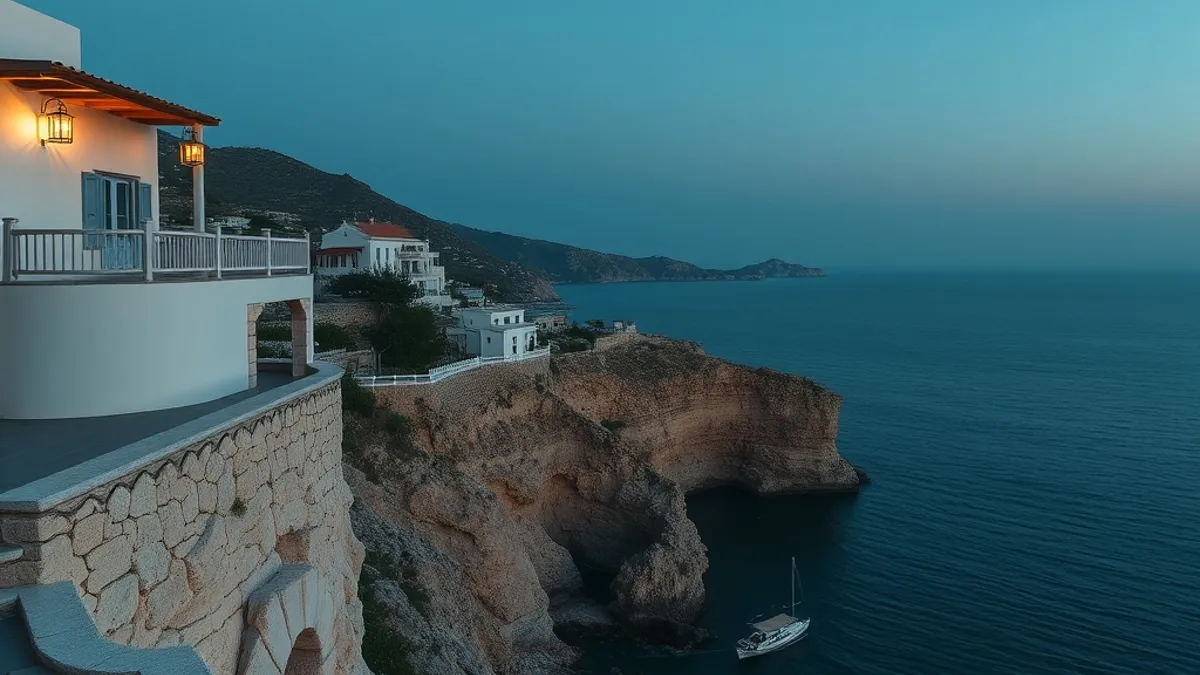
If you want the widest choice of seaside tented camps in Europe, head south. Spain, Portugal, Greece and Croatia together offer the densest cluster of coastal glamping options on the continent, ranging from simple beachfront bell tents to luxury safari-style suites perched above the water.
Timing your Mediterranean trip
The May-to-October window is the reliable season for tented stays here, with warm water, long evenings and camps operating at full service. Within that window, timing changes everything. July and August bring peak crowds and peak rates, plus beaches that fill up by mid-morning. If your dates are flexible, June and September often deliver nearly the same weather with calmer camps and noticeably lower prices.
Spring and autumn shoulder months have their own appeal: the sea is warm from the summer in September, while May offers fresh landscapes and empty paths before the high season starts.
Stretching the season to year-round
If you want a Mediterranean-flavored coastal escape outside the classic summer window, look to the Canary Islands. Tenerife in particular offers year-round coastal stays thanks to its subtropical climate, with water temperatures of 19-24°C that make swimming possible in any month. For a closer look at what a polished island stay feels like, read our review of a luxury coastal retreat on Tenerife’s shore. It’s a useful benchmark for what to expect from high-end tented and resort stays in the archipelago.
Indian Ocean Atolls: Overwater-Style Tented Living
If your idea of coastal glamping involves stepping off your deck straight into a lagoon, the Indian Ocean is where the concept was born. The Maldives and nearby island nations pioneered tented and villa-style stays built right over the water, and decades of refinement show: these are among the most polished overwater experiences anywhere.
Picking your atoll and your season
Season and geography are linked here in a way that surprises first-time visitors. Monsoon patterns differ depending on which side of an atoll chain you choose. West-facing atolls shine from November to April, when conditions on their sheltered sides are at their best. East-facing shores suit the May-to-October months instead. In practical terms, this means you can often find good conditions somewhere in the region year-round if you match the atoll’s orientation to your travel dates.
What the top of the price range buys
Be prepared: this region sits at the top of the seaside tented market, with rates often running $800-1,500 per night. What softens the sticker shock is what’s included. Overwater tented suites typically come with direct lagoon access, and many resorts sit on private islands with house reefs just off the deck, so world-class snorkelling is literally steps away rather than a boat trip. For a sense of how far this style of stay has evolved, see our review of an overwater island resort in the Maldives. If the budget allows one splurge night on a long trip, this is the region where it delivers the most.
Southeast Asian Coasts: Tented Camps Between Jungle and Sea
Southeast Asia has quietly become one of the most rewarding corners of the world for seaside tented stays, and Thailand, Cambodia and Indonesia lead the way. What sets the region apart is the setting: beachfront tents that back directly onto rainforest, often on private islands or forested peninsulas where the jungle canopy meets the sand within a few steps of your deck. You can wake to the sound of the surf and spend the afternoon on a trail under tropical trees, all without leaving your camp.
In Thailand, tented camps on the Andaman Sea coast and along the Gulf combine that jungle-and-sea contrast with easy access from Bangkok or Phuket, which makes even a short trip feel like a proper escape. Indonesia offers similar pairings across its quieter islands, where a tent on the sand often comes with a rainforest trail starting just behind it. Cambodia’s coast remains the region’s most low-key option, with a handful of upscale tented retreats on its islands and peninsulas, and far fewer crowds than its neighbors.
Timing matters here more than almost anywhere else, because the region has distinct monsoon windows. For most Andaman Sea and Gulf shores, the November-to-April dry season is the safe booking window, bringing calmer seas and reliable sunshine. Outside those months, rain and rougher water can limit swimming, snorkeling and boat transfers, so check the specific coast you’re eyeing before locking in dates rather than assuming the whole country shares the same pattern.
One practical note before you book: many private-island resorts in this part of the world bundle transfers, meals and activities into a single package rate, which can make the headline price look steep or deceptively cheap depending on what’s included. Compare the total package cost per night across a few properties rather than the sticker rate alone. For a closer look at how good this style of stay can be, read our review of a private island tented escape in Cambodia.
How to Choose and Book the Right Seaside Tented Stay
Seaside tented stays are not all created equal, and the difference between a magical night by the water and a disappointing one often comes down to research done before booking. A little diligence goes a long way, especially when nightly rates can climb well past $300 in popular regions and reach four figures in the most sought-after spots. Because you’re often booking months in advance and paying a deposit for a canvas room you’ve never seen, it pays to dig into the details that photos and category labels gloss over. The four steps below cover the questions worth asking before you commit to any coastal tented camp.
- Study the tent’s position before paying a premium. Camps market themselves as “beachfront” or “ocean view,” but those terms can cover everything from a tent steps from the sand to one tucked behind dunes or trees. Zoom into satellite maps and scroll through guest photos to confirm the actual distance to the water and whether your specific tent faces the sea or a neighboring deck.
- Match your booking window to the season. For high-season dates, reserve 6 to 9 months ahead, as the best-positioned tents sell out first. In shoulder months such as May, June, September or October, 2 to 3 months of lead time is often enough, and you may also find rates 20-40% below peak pricing.
- Confirm exactly what’s included. Transfers by boat or 4×4, meals, and water activities like snorkeling trips or kayaks are bundled into some rates and charged separately at others. These extras can swing the real price by 30% or more, so add them up before comparing camps.
- Ask about the tent’s comforts directly. Bed configuration, bathroom setup, and whether the canvas is fully sealed against rain and insects vary widely, even within the same camp. Email the property with specific questions rather than relying on category labels.
Once you’ve worked through these steps, you’ll be comparing camps on real terms rather than marketing language. You’ll know which tents genuinely sit on the sand, what your total nightly cost looks like after transfers and activities, and whether the canvas holds up in wind or rain. That preparation is the difference between paying for a view you never get and booking a tent you’ll talk about for years. Take an hour to research now, and the sound of the waves outside your tent will feel like a bargain.
Packing and Practicalities for a Night by the Water
Packing for a tented stay by the sea is a little different from packing for a conventional beach hotel. Canvas walls, exposed decks and salt air all change what works and what doesn’t. A few smart choices before you leave will make the whole experience smoother.
Start with sun and weather protection. Reef-safe sunscreen matters because many camps sit directly above coral reefs or fragile shoreline, and some actively ask guests to avoid standard formulas. Quick-dry clothing earns its place quickly, since humidity and sea spray mean cotton can stay damp for a day or more. And even in warm regions, evenings on an exposed deck can feel surprisingly cool once the breeze picks up, so a light windproof layer is worth the suitcase space.
- Soft-sided luggage: duffels and foldable bags are far easier to carry along boardwalks, sand paths and boat gangways than rigid suitcases, and they squeeze into the compact storage space most tents provide.
- Sealed dry bags or zip pouches: salt air and sudden squalls are hard on phones, cameras and e-readers, so keep electronics in airtight bags rather than loose in a canvas holdall.
- Slip-on footwear: you’ll be taking shoes on and off constantly between deck, sand and tent, so sandals or slide-ons beat laced shoes by a mile.
- A small torch or headlamp: many camps keep lighting deliberately low to preserve the atmosphere, and paths between tent and dining area can be dark after dinner.
Finally, ask the camp two questions before you pack: what mosquito protection they provide, and whether tents have air conditioning, fans or neither. Provision varies widely between camps, and the answers may change what you bring, from repellent strength to how many light layers you’ll actually need at night.
Finding Your Perfect Stretch of Coastal Glamping
Waking up steps from the water doesn’t mean giving up comfort — you just need the right coastline. The Mediterranean suits classic summer trips, the Indian Ocean delivers overwater luxury, and Southeast Asia blends beach with jungle. Each region rewards a different kind of traveler, so start by deciding whether you want a swim-friendly bay, a house reef, or a rainforest meeting the sand.
Once you’ve picked a coast, match the region’s dry season to your dates and book early for peak months to secure the best tents. With the right coastline and timing, a tented stay by the sea can rival any five-star beach resort. If you have a favorite stretch of shore for glamping, share it in the comments or pass this article along to a travel companion.